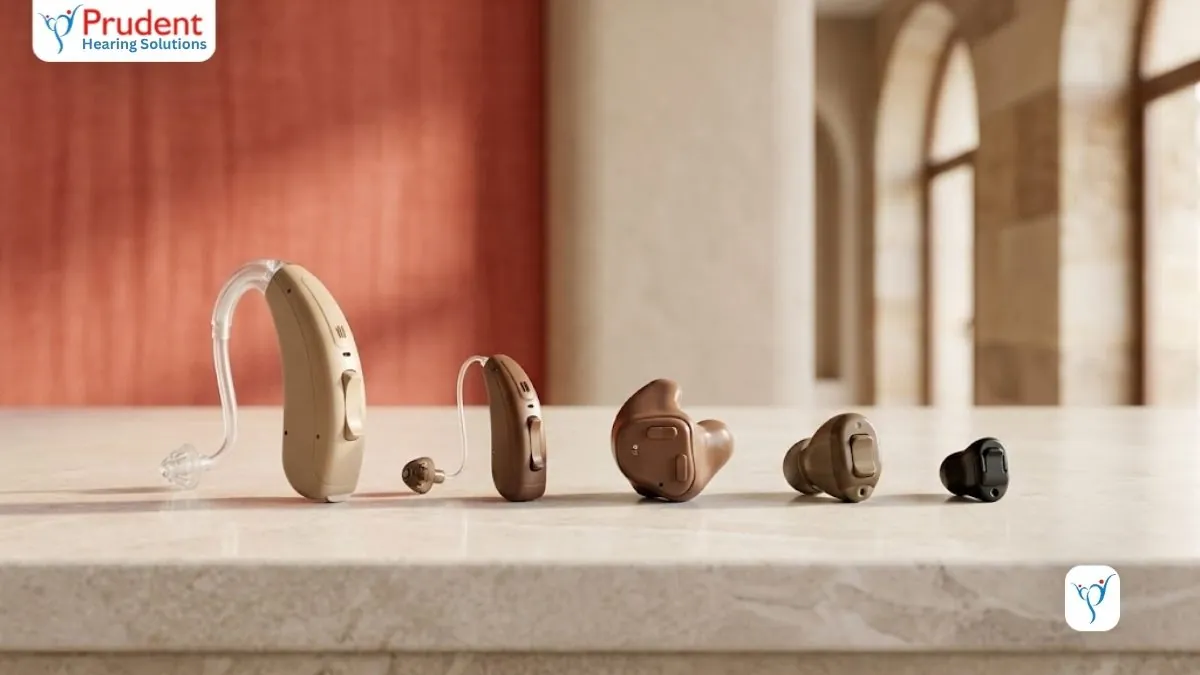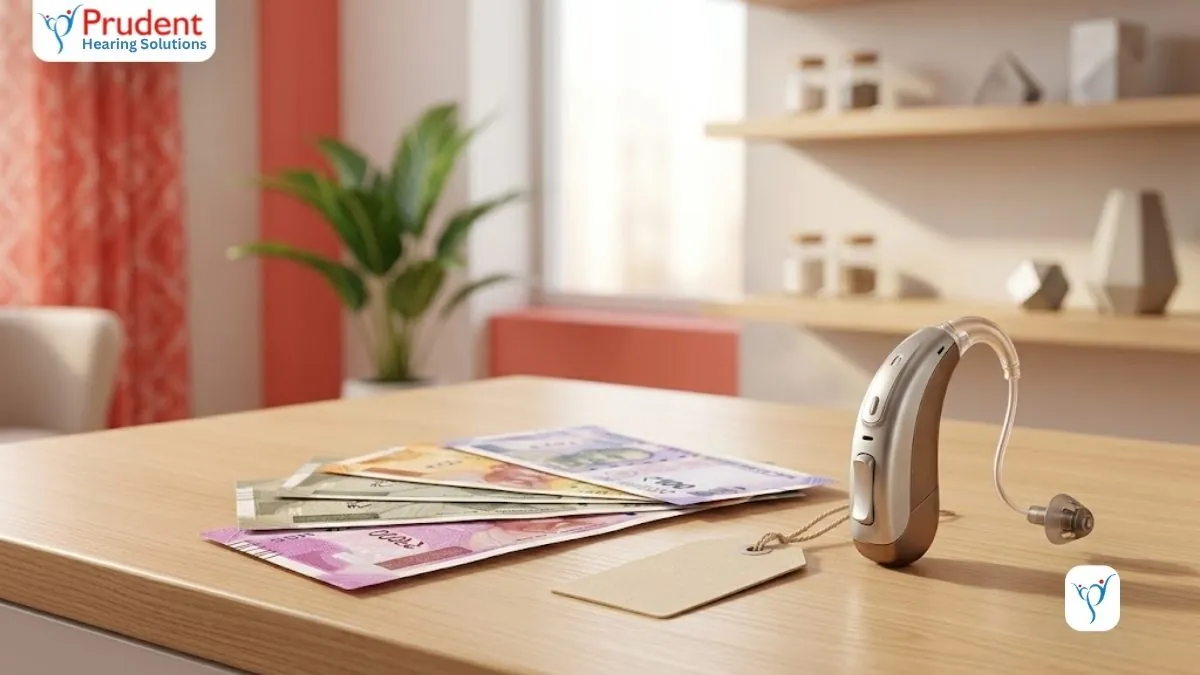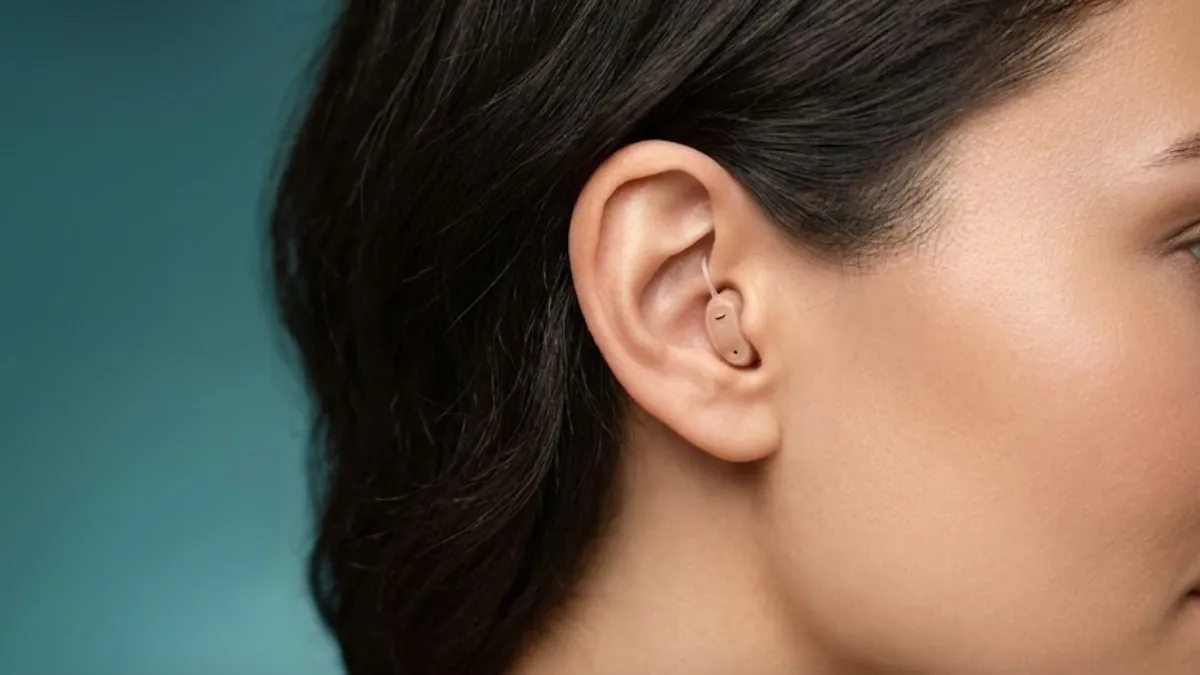
The purchase price is only part of what a hearing aid costs over its life. Budget for batteries or a charger, domes and filters, cleaning and drying supplies, servicing, and eventual replacement. Free follow-up programming and a good warranty can lower the long-term cost significantly.
The direct answer
The price on the quote is not the total cost of owning a hearing aid. Over five to seven years you will also spend on power (batteries or charging), replaceable parts like domes and wax filters, cleaning and drying supplies, servicing and repairs outside warranty, and eventually replacement. Choosing a clinic that includes follow-up programming and a clear warranty reduces surprises.
The cost categories to plan for
- Purchase price: the device or pair, fitting and the trial. Ask exactly what is included.
- Power: disposable batteries are a recurring cost, while rechargeable aids need a charger and eventually a battery replacement. See hearing aid batteries guide and rechargeable vs battery.
- Consumables: domes, wax filters and tubing are replaced every few weeks to months.
- Cleaning and drying: brushes, wipes, and a dry-aid box or drying capsules, especially in humid weather. See how to clean and maintain hearing aids.
- Servicing and repair: a professional clean and check, and repairs after warranty. See hearing aid repair and servicing.
- Accessories: a TV streamer, remote microphone or extra charger, if you want them.
- Earmoulds: custom moulds may need remaking from time to time.
- Replacement: hearing aids typically last around five to seven years. See how long hearing aids last.
Costs that clinics sometimes charge separately
- Follow-up appointments and reprogramming after the first months.
- Repairs and loaner aids while yours are being fixed.
- Home visits.
Ask for these in writing before you buy. At Prudent, programming and support are included, and we give you a written quote that lists what the price covers. See warranty and after-sales and warranty, repair cost and loaner aids.
Ways to lower the long-term cost
- Choose rechargeable if you want to avoid buying batteries, provided the model suits you.
- Look after the aids: daily cleaning and dry storage prevent most repairs.
- Keep to your service schedule, which catches small issues early.
- Compare the whole package, not only the sticker price: warranty length, trial period, follow-up care and repair terms.
- Use the financial help available: EMI options, tax deductions, government schemes and insurance.
A cheap aid is not always cheaper
A low price that comes without proper fitting, follow-up or warranty can cost more if it fails or does not suit you. See the cheapest good hearing aid in India and second-hand hearing aids. To understand price ranges, read our hearing aid price guide.
For a clear quote that lists everything, book a free hearing test. We will show what is included and what is not, before you decide.
Frequently asked questions
What does a hearing aid cost beyond the purchase price?
Over five to seven years you also pay for power (batteries or charging), domes, wax filters and tubing, cleaning and drying supplies, servicing and repairs outside warranty, and eventually replacement.
What costs do some clinics charge separately?
Follow-up appointments and reprogramming after the first months, repairs and loaner aids while yours is being fixed, and home visits. Ask exactly what is included before you buy.
Is a rechargeable hearing aid cheaper to run?
It avoids buying disposable batteries, but it needs a charger and eventually a battery replacement, so choose rechargeable mainly if the model suits you.
How can I lower the long-term cost of a hearing aid?
Clean the aids daily and store them dry, keep to your service schedule, compare the whole package including warranty, trial and follow-up care, and use EMI, tax deductions, government schemes and insurance where available.
Is the cheapest hearing aid the cheapest option overall?
Not always. A low price without proper fitting, follow-up or warranty can cost more if the aid fails or does not suit you.
Free consultation
Ready to hear the difference?
Book a free 45-minute hearing test at any Prudent Hearing clinic: no obligation, honest advice, expert audiologists.