Most modern hearing aids last five to seven years with proper care. The chip and battery technology inside typically age out before the casing wears out. Here is what affects lifespan, what shortens it, and how to protect your investment.
How long do hearing aids typically last?
Most modern hearing aids last five to seven years with regular professional maintenance and daily care. Some people get eight or nine years from a sturdy pair; others need a replacement at four years because of heavy perspiration, rough handling, or a profession with high dust or humidity exposure. The plastic casing and receiver can often be repaired or replaced, but the processing chip inside has a fixed lifespan, and at some point repairs cost more than a new fitting.
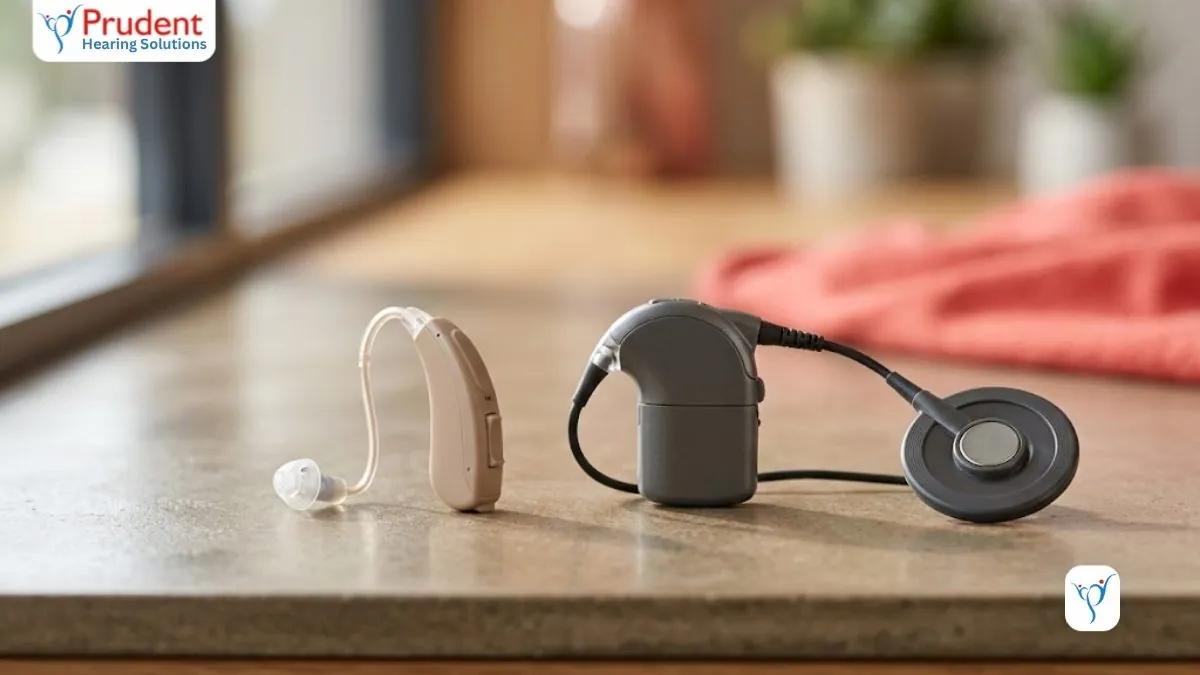
This applies equally to behind-the-ear (BTE), receiver-in-canal (RIC), and in-the-ear (ITE/IIC) styles. Smaller in-ear aids sit closer to wax and moisture, which can shorten their life if not cleaned daily.
What actually wears out first?
- The receiver (speaker): The small speaker that sits in or near the ear canal is the most commonly replaced part. It is exposed to earwax, moisture, and physical stress every day. A good audiologist can replace it, usually quickly and at low cost, rather than replacing the entire aid.
- The microphone: Less commonly damaged, but susceptible to dust and moisture over years.
- The battery door and charging contacts: On battery-powered aids, the door hinge can weaken. On rechargeable aids, the charging contacts can corrode.
- The processing chip: This is the core of the device. It cannot be replaced. When the chip degrades (often showing up as inconsistent amplification, random resets, or sound quality that worsens), the aid is at the end of its functional life.
- The tubing and dome (on RIC/BTE aids): These soft components degrade and harden within six to twelve months and should be replaced regularly. This is inexpensive and done at a routine service visit.
What shortens hearing aid life?
- Moisture from sweating, swimming, or humid climates: the most common cause of premature failure in India
- Earwax build-up blocking the speaker: regular cleaning is essential
- Dropping on hard floors, especially on tiles and marble
- Sleeping in aids, which bends the microphone arm and puts the battery under prolonged use
- Storing in the bathroom where humidity is high
- Pets: dogs in particular are drawn to the scent of earwax on aids and will chew them
How to extend the life of your hearing aids
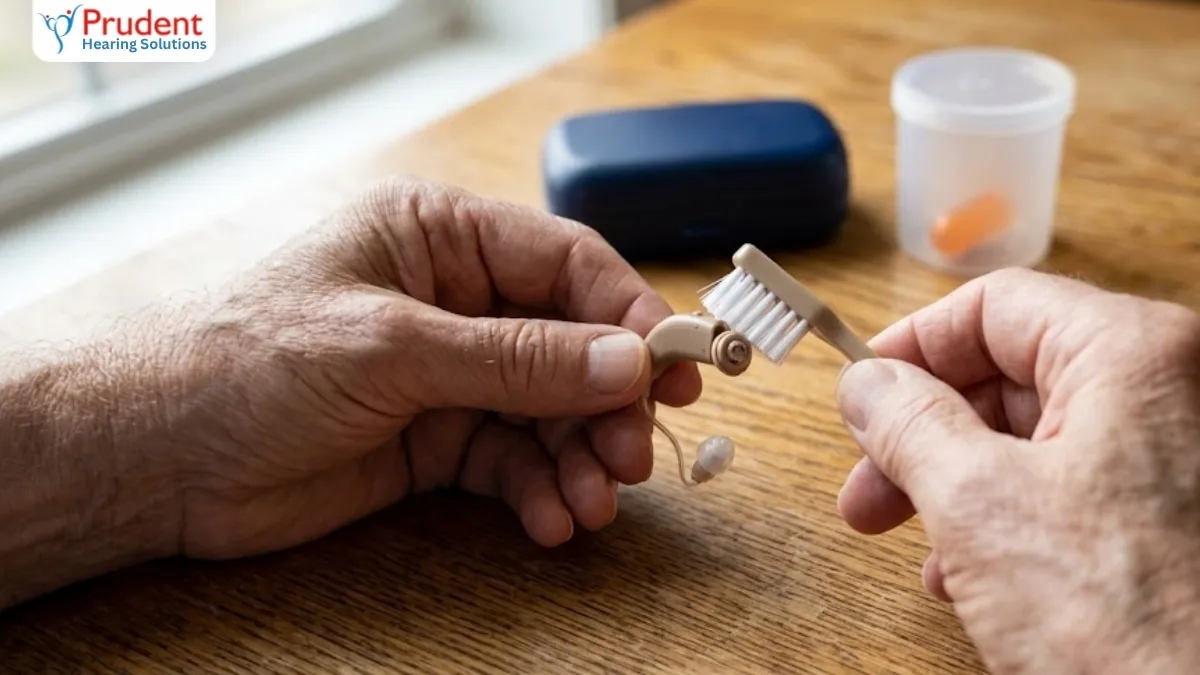
- Clean daily: Use a soft dry cloth and the brush or wax loop that came with your aids to clear the speaker port. This five-minute routine prevents the majority of receiver failures.
- Use a drying kit or dehumidifier box: Leave your aids in a UV drying box overnight, especially in monsoon months. Basic boxes cost a few hundred rupees and significantly slow moisture damage.
- Remove before swimming, showering, and applying hair products: Even water-resistant aids (IP68-rated) are not designed for prolonged submersion.
- Keep pets away: Store in a case with the lid closed, not on a bedside table.
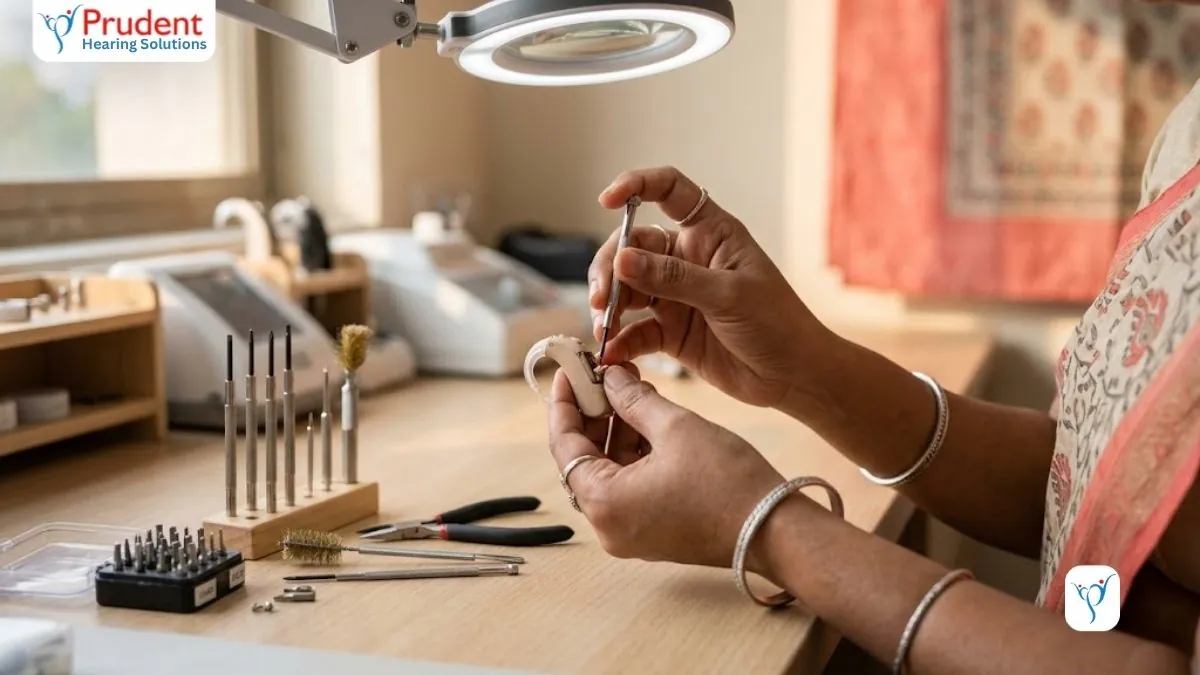
- Service annually: A professional clean and inspection at your audiologist catches small problems (a clogged filter, a cracking tube) before they become expensive ones.
- Open the battery door at night: This lets moisture escape and extends battery life slightly.
When should you replace rather than repair?
Consider replacement when repairs cost more than 30–40% of the price of an equivalent new aid, when your audiogram has changed significantly and the aid can no longer meet your prescription, when the aid lacks features that would genuinely improve daily life (for instance, no Bluetooth if you now spend your day on calls), or when you find yourself bringing it in for repairs more than twice a year.
Does the warranty cover the full lifespan?
Standard manufacturer warranties in India are one to three years for parts and labour, and do not cover physical damage, water damage, or loss. Extended warranties are available from some manufacturers and cover the device for up to five years. At Prudent we walk every new buyer through what the warranty does and does not cover, in writing, before any purchase.
If your aids are approaching five years, it is worth booking a free hearing test to check whether your prescription has drifted: this sometimes explains why aids that were once excellent are suddenly not performing. Sometimes a re-programming fixes it without any need to replace the hardware.
Free consultation
Ready to hear the difference?
Book a free 45-minute hearing test at any Prudent Hearing clinic: no obligation, honest advice, expert audiologists.