The most-requested style in our clinics is also the most misunderstood. Here is an honest audiologist's guide to invisible, IIC and CIC hearing aids for India: how discreet they really are, who they suit, the trade-offs, and real per-ear prices.
Quick answer
Invisible hearing aids (IIC and CIC) are custom devices worn inside the ear canal, making them nearly unseen. They suit mild-to-moderate hearing loss with a roomy canal and steady hands. In India they cost roughly Rs 25,000 to Rs 1,80,000 per ear. The tiniest IIC styles usually lack rechargeable batteries and direct Bluetooth, and need more cleaning.
Key takeaways
- IIC (invisible-in-canal) is the smallest hearing aid; CIC (completely-in-canal) sits slightly more outward and is a touch more visible.
- They suit mild to moderate hearing loss with an adequately sized canal, good dexterity and a cosmetic priority.
- They are a poor fit for severe or profound loss, small or curved canals, heavy wax, or anyone needing rechargeable batteries and Bluetooth.
- Expect roughly Rs 25,000–1,80,000 per ear in India in 2026; most people need two aids.
- Trade-offs include shorter battery life, more wax and moisture problems in Indian humidity, and a higher repair rate than behind-the-ear styles.
Invisible hearing aids are the most-requested style walking into our clinics, and easily the most misunderstood. Patients ask for something "no one can see," and sometimes that is exactly the right answer. Just as often, it is not. This honest guide from the Audiology team at Prudent Hearing Solutions explains what IIC and CIC hearing aids really are, how invisible they truly are, who they suit, who should steer clear, the trade-offs, and realistic prices in India, so you can decide with your ears, not just your mirror.
What "invisible", IIC and CIC hearing aids actually mean
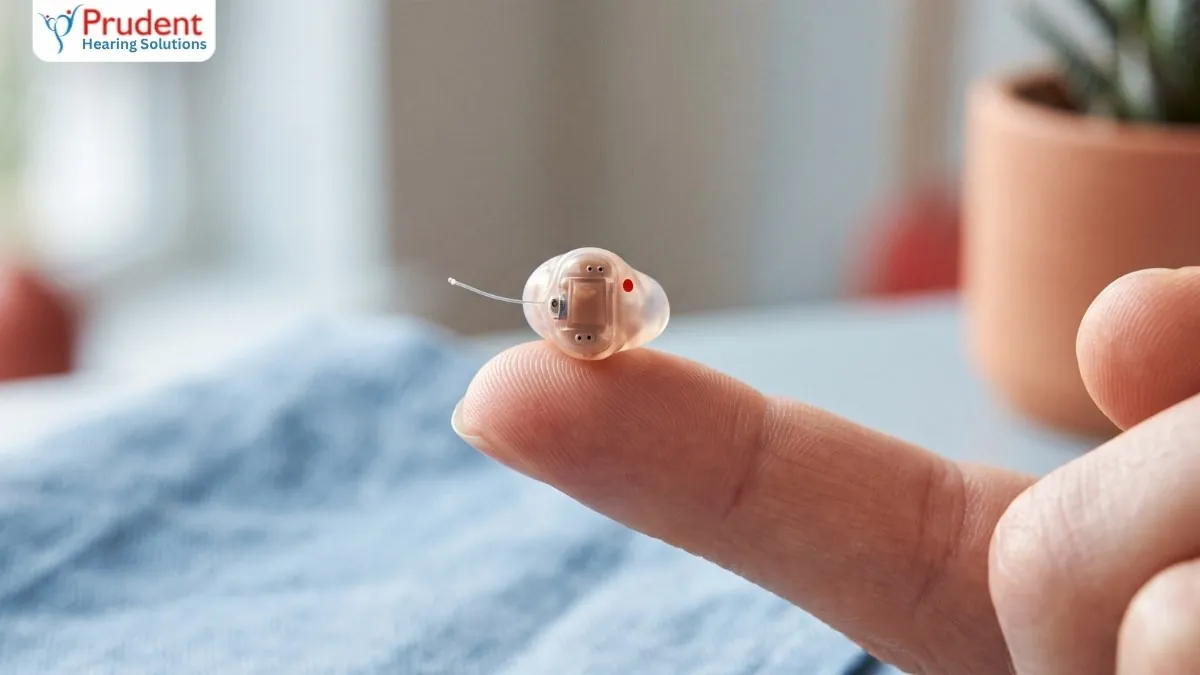
IIC (invisible-in-canal) and CIC (completely-in-canal) are custom hearing aids that sit inside your ear canal instead of behind your ear. An IIC is the smallest style. It sits deep, past the second bend of the canal and near the eardrum, so it is essentially hidden in normal conversation. A CIC sits slightly more outward; a tiny removal handle may be faintly visible if someone looks closely.
Both are moulded from an impression of your own ear, so no two are alike. This is the key difference from RIC and BTE aids, which have a visible body behind the ear and a thin wire or tube leading into the canal. Here is how the main styles compare, smallest to largest:
- IIC (invisible-in-canal): the smallest hearing aid, sits deepest, essentially unseen.
- CIC (completely-in-canal): slightly larger, fits fully in the canal, usually uses a size 10 battery.
- ITC / ITE (in-the-canal / in-the-ear): fills part or all of the outer ear bowl; easier to handle and more powerful.
- RIC / BTE (receiver-in-canal / behind-the-ear): body sits behind the ear; most powerful and feature-rich.
How invisible are they, really?
Honestly, a well-fitted IIC is close to invisible for most ears, but it is not magic, and it depends on your canal. From the front and side in normal light, an IIC is very hard to spot. But if someone looks straight into your ear, or if you have a wide, shallow or bell-shaped canal, the faceplate and the tiny removal string can show.
CIC devices are a touch more visible than IIC. In our Pune, Delhi and Bengaluru clinics we find people with a naturally deeper, narrower canal get the most convincing "invisible" result. We always take a photo at fitting so you can judge the effect on your own ear rather than take our word for it.
Who invisible, IIC and CIC hearing aids suit
These styles suit you if you have mild to moderate hearing loss, place a high value on discretion, and have a canal large and straight enough to hold the device safely and comfortably. In practice, good candidates share a similar profile.
The invisible and CIC models we actually fit include the Phonak Virto I90 CIC, the ReSound Nexia 4 CIC, the Signia Insio 1IX and the Unitron Insera Blu 3. One honest note: the smallest custom shells are often non-wireless, so they trade phone streaming for size. We tell you plainly at your fitting. Compare custom options across Phonak, ReSound, Signia and Unitron.
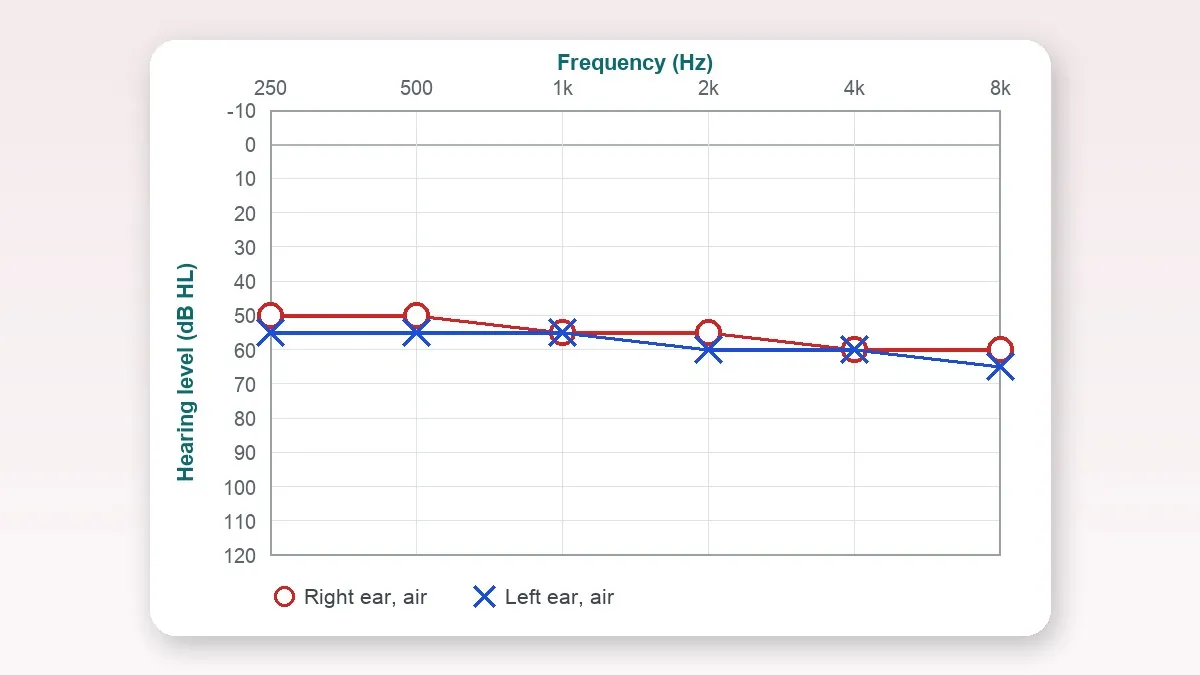
- Mild to moderate sensorineural hearing loss, roughly up to 60–70 dB.
- A genuine cosmetic priority: you want the aid unseen at work or socially.
- An adequately sized, reasonably straight ear canal (confirmed at your fitting).
- Good finger dexterity and eyesight to insert, remove and clean a tiny device.
- Ears that stay relatively dry and produce moderate, manageable wax.
Who should NOT choose the tiniest styles
Invisible and IIC aids are the wrong choice for a lot of people, and a good audiologist will tell you so honestly. They cannot deliver enough clean power for severe or profound loss from a micro-receiver sitting deep in the canal, and pushing the volume there invites feedback (whistling). Say no to the smallest styles if any of the following apply to you.
- Severe to profound hearing loss that needs more power than a tiny receiver can safely give.
- Small, narrow or very curved canals where the shell will not seat without discomfort.
- Poor dexterity or low vision: arthritis, tremor, or trouble seeing a device the size of a peanut.
- Heavy or fast-building earwax, or chronically wet or discharging ears.
- A firm need for rechargeable batteries or direct Bluetooth streaming to your phone.
The honest trade-offs
Every invisible aid buys discretion by giving something up. The smaller the shell, the smaller the battery, the fewer the features, and the fiddlier it is to handle. None of these are dealbreakers for the right person, but you should know them before you pay.
- Battery: IIC and CIC use tiny size 10 (or 312) zinc-air cells lasting roughly 3–7 days; most true IIC aids are not rechargeable.
- Bluetooth: the smallest styles usually cannot stream calls or music directly. That needs a larger CIC, ITC or a RIC.
- Occlusion: sealing the canal can make your own voice sound boomy or "plugged" until your brain adjusts over a few weeks.
- Moisture and wax: deep placement in India's monsoon humidity means more sweat and wax reaching the electronics, so expect more cleaning and a higher repair rate than behind-the-ear styles.
- Handling: changing a size 10 battery or a wax filter is finicky, especially for older hands.
"In our clinics, the commonest reason an IIC comes back for repair is wax or moisture blocking the receiver, not a fault in the aid itself. A two-minute daily wipe and a nightly dry-box prevent most of it."
Realistic prices in India (per ear)
In India in 2026, expect to pay roughly Rs 25,000 to Rs 1,80,000 per ear for a CIC or IIC hearing aid, depending on the technology level inside. Custom invisible styles usually cost a little more than the equivalent behind-the-ear model, because each shell is hand-built to your ear.
Most people hear better with two aids, so double these figures for a pair, and always ask exactly what is included: fitting, follow-up tuning, warranty and servicing. Government schemes such as ADIP exist, but they typically cover basic body-worn or BTE aids, not premium invisible models. As a rough guide, per ear:
- Entry / basic digital CIC: about Rs 25,000–45,000 per ear. Fewer channels, best in quiet settings.
- Mid-range CIC / IIC: about Rs 50,000–90,000 per ear. Better noise handling, suits most lifestyles.
- Premium IIC: about Rs 1,00,000–1,80,000 per ear. Top noise reduction and the most natural sound.
The fitting process, step by step
Fitting a custom invisible aid takes about two visits and a little patience. It should always start with a hearing test and an ear examination, never with picking a device online, because your audiogram and canal decide whether an IIC is even possible.
- A full diagnostic hearing test and canal check by an RCI-registered audiologist.
- A soft ear impression: a putty mould of your canal, taken in a few minutes per ear.
- The impression goes to the manufacturer, who builds a custom shell; delivery usually takes 1–2 weeks.
- A fitting appointment to program the aid to your audiogram and check comfort and feedback.
- Follow-up tuning over the first few weeks as your brain adapts to the new sound.
Our honest clinic verdict
Invisible, IIC and CIC hearing aids are a genuinely good choice for the right ear: mild to moderate loss, a roomy canal, steady hands, and a strong wish to stay discreet. They are the wrong choice if you have significant loss, tricky canals, heavy wax, or you really want rechargeability and Bluetooth. The device should follow your ears and your hearing test, not the other way around.
If invisibility matters to you, book a free hearing test at Prudent Hearing Solutions in Pune, Delhi or Bengaluru, and see the invisible hearing aids compared with prices. We will check your canal, show you honestly whether an IIC will disappear on you, and let you compare it against a discreet RIC before you spend a single rupee.
Continue reading
Frequently asked questions
Are invisible hearing aids really invisible?
IIC (invisible-in-canal) aids sit deep enough in the ear canal to be genuinely hard to see in normal conversation, and CIC (completely-in-canal) aids are very discreet. How invisible they are depends on the size and shape of your ear canal, which the audiologist checks at the fitting. The trade-off is that the smallest aids have shorter battery life and less power, so they suit mild to moderate loss better than severe loss.
Will a hearing aid make me look old?
Not the way modern aids look. Invisible IIC and CIC styles sit inside the ear canal and are hard to spot, and even a receiver-in-canal aid is just a slim body behind the ear with a near-invisible wire. In practice people notice a hearing aid far less than they notice you mishearing them or asking them to repeat things. If discretion is your main worry, ask at the fitting to see how an invisible style actually looks in your own ear.
Are invisible hearing aids truly invisible?
Nearly, for most ears. A well-fitted IIC sits past the second bend of the canal and is very hard to see from the front or side in normal light. But if someone looks directly into your ear, or if your canal is wide or shallow, the faceplate and removal string can show. CIC models are slightly more visible. Canal shape decides the result, so ask for a photo at your fitting.
What is the difference between IIC and CIC hearing aids?
Both are custom aids that sit inside the ear canal, but an IIC (invisible-in-canal) is smaller and sits deeper, closer to the eardrum, making it essentially invisible. A CIC (completely-in-canal) sits a little more outward, is slightly easier to insert and remove, and usually has a marginally bigger battery and a bit more room for features. IIC wins on discretion; CIC wins on handling and battery life.
How much do invisible hearing aids cost in India?
Roughly Rs 25,000 to Rs 1,80,000 per ear in 2026, depending on the technology level. Basic digital CIC aids start around Rs 25,000–45,000, mid-range models run Rs 50,000–90,000, and premium IIC devices reach Rs 1,00,000–1,80,000. Custom styles cost a little more than equivalent behind-the-ear aids. Most people need two, so budget accordingly, and confirm what fitting, warranty and follow-ups are included.
Can invisible hearing aids be rechargeable or connect to Bluetooth?
Usually not in the smallest IIC styles. There simply is not room for a rechargeable cell or a streaming antenna deep in the canal, so most true IIC aids use disposable size 10 batteries and offer no direct Bluetooth. Some larger CIC and ITC models now add rechargeability or streaming. If phone streaming matters most to you, a discreet receiver-in-canal aid is usually the better pick.
Do invisible hearing aids work for severe hearing loss?
Generally no. A tiny receiver sitting deep in the canal cannot deliver enough clean power for severe or profound loss without whistling (feedback). Invisible and IIC aids are designed for mild to moderate loss, roughly up to 60–70 dB. For greater loss, a behind-the-ear or power receiver-in-canal aid gives more headroom, clearer speech and a more reliable fit. Your audiogram should guide the choice.
Sources & further reading
We cross-checked this article against the following authoritative sources. Guidance and figures reflect the most recent public guidance available at the time of last review (July 2026). Clinical review by the Prudent Hearing clinical team.
- Hearing Aids (National Institute on Deafness and Other Communication Disorders (NIDCD, NIH))
- Deafness and hearing loss (World Health Organization (WHO))
- Practice guidance: Real-Ear Measurement (British Society of Audiology (BSA))
Free consultation
Ready to hear the difference?
Book a free 45-minute hearing test at any Prudent Hearing clinic: no obligation, honest advice, expert audiologists.