An RCI-registered audiologist's honest guide to hearing aids: what they are for, their real disadvantages, how long they last, how many hours to wear them, the truth about the "5-minute rule", and what is actually better than a hearing aid.
Quick answer: Hearing aids are the best everyday way to manage most hearing loss, but they are honest about their limits. The real downsides are the cost, a few weeks of getting used to them, a little daily upkeep, and the plain fact that they manage hearing loss rather than cure it. Wear them through all your waking hours, look after them, and go back for small adjustments, and the trade-off sits firmly in your favour.
What are hearing aids for?
A hearing aid is a small, custom-programmed device that picks up the sounds around you, cleans them up, and delivers them to your ear at the levels your particular hearing needs. It is not a volume knob that makes everything louder. It is tuned to your audiogram, so the pitches you have lost are lifted while the ones you still hear well are left alone.
The point of all this is not just to hear the television better. It is to keep you in conversation with the people you love, to keep your brain fed with everyday sound, and to reduce the strain and tiredness that untreated hearing loss quietly creates. If you want the basics first, our guide on what a hearing aid is walks through the parts and styles in plain language.
The honest disadvantages of hearing aids
No device is perfect, and you deserve the full picture before you spend money. Here are the real disadvantages of wearing hearing aids, the ones our audiologists discuss openly at every fitting.
They cost money
Good hearing aids are a genuine investment, and that is the disadvantage people feel first. The technology inside a modern aid is doing a great deal of work, and quality has a price. The upside in India is that hearing aids are GST-exempt, we offer up to 20-30% off MRP, and 0% EMI spreads the cost over months. You can see how the numbers actually work in our hearing aid price guide for 2026, or ask us about current offers and EMI.
There is an adjustment period
The first few weeks can feel strange. Your brain suddenly hears the fan, your own footsteps, the clock, all the sounds it had quietly filtered out for years. This settles as your brain relearns how to sort sound, but it is not instant, and a few people find it briefly overwhelming. Building up your wearing time gradually makes the whole process much gentler.
Your own voice can sound odd (occlusion)
When something sits in your ear canal, your own voice can sound boomy or hollow, as if you are speaking inside a barrel. This is the occlusion effect, and it is one of the more common early complaints. It is also very fixable, usually by adjusting the venting, the dome or the programming, so it rarely lasts once your audiologist fine-tunes the fit.
Batteries and charging are a small daily chore
Hearing aids need power, which means either changing tiny disposable batteries every week or so, or remembering to charge a rechargeable pair overnight. Neither is difficult, but it is a habit you have to keep. Forget to charge them and you are without hearing for the day, which is why most people settle into a fixed routine and keep a backup.
They can whistle if they do not fit well
That high-pitched whistle, called feedback, happens when amplified sound leaks back out and is picked up again. Modern aids manage it well, but a loose fit, a build-up of wax, or simply cupping your hand near your ear can still set it off. Persistent whistling is a sign the fit or the earpiece needs attention, not something you should have to tolerate.
Background noise is still hard
This is the honest one. Even excellent hearing aids cannot fully separate one voice from a noisy restaurant or a loud family gathering the way a healthy ear does. They help a great deal, and premium models help more, but a crowded, echoey room remains the toughest test for any device and any pair of ears.
They manage hearing loss, they do not cure it
This matters most of all. For the common, permanent kind of hearing loss, sensorineural loss (damage to the tiny hair cells and nerve of the inner ear), a hearing aid does not repair the damage or reverse the loss.
It compensates for it, brilliantly, for as long as you wear it, but take it off and your hearing is as it was. Conductive hearing loss is different: when sound is being blocked by something like impacted wax, an ear infection, fluid or a middle-ear problem, that cause can often be medically or surgically treated, and hearing may even return, which is exactly why a proper diagnosis should come before any device.
Be wary of anything promising to cure permanent nerve loss. If you are curious about what genuinely helps day to day, our piece on improving hearing naturally is candid about what does and does not work.
"A hearing aid is not a cure. It is a tool that gives you your conversations back, every hour you choose to wear it."
How long do hearing aids usually last?
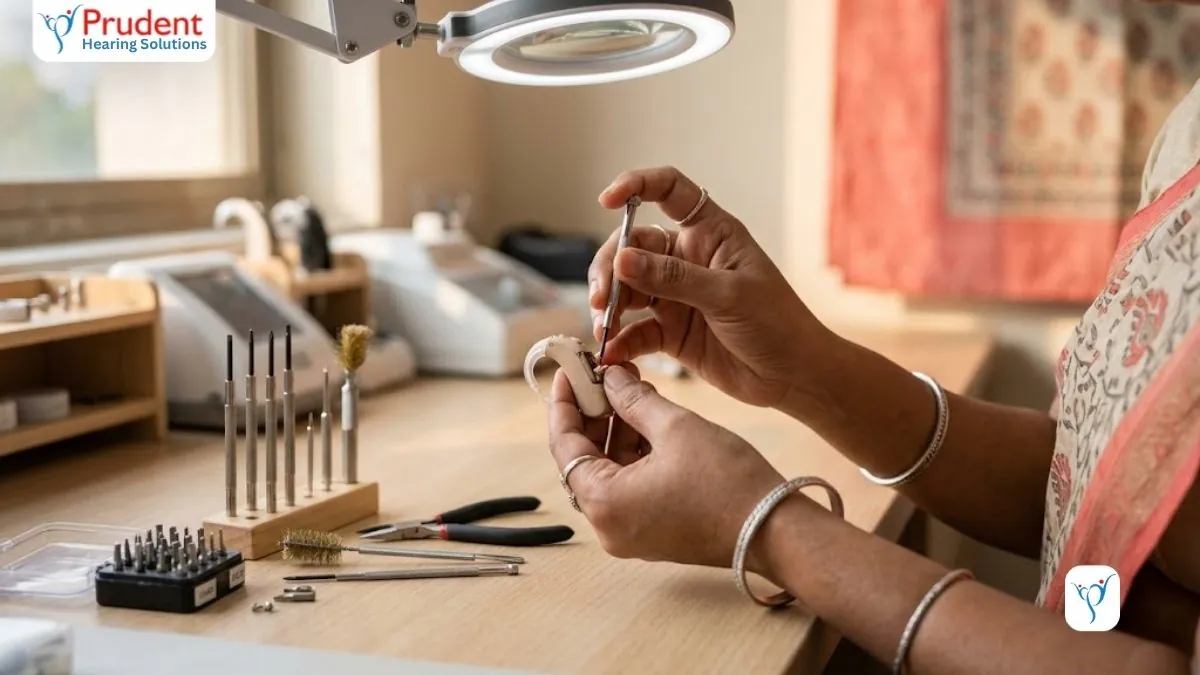
With reasonable care, most hearing aids last about five to seven years. Some go longer, some need replacing sooner, and it depends heavily on how you treat them, the climate you live in, and how your hearing changes over time. Daily wiping, keeping them dry, and regular servicing all stretch their life. The technology also moves on, so around the five-to-six-year mark many people upgrade as much for better features as for wear and tear.
How many hours a day should you wear a hearing aid?
Most audiologists advise wearing your hearing aids for all your waking hours, not only when you think you need them. That surprises people who assume they should save them for the television or a phone call, but consistent, all-day use is exactly what helps your brain adapt and keeps its sound-processing sharp.
When you wear them only occasionally, every session feels like starting over, and speech never quite becomes effortless. When you wear them steadily, your brain settles into the fuller sound, tiredness drops, and understanding improves week by week. The one sensible exception is the very beginning, when building up wearing time gradually is the kinder way in. Take them out for sleeping, showering and swimming, and wear them the rest of the day.
What is the "5 minute rule" for hearing aids?
You may have seen a "5-minute rule" mentioned online, so let us be straight with you. There is no single official audiological rule called the 5-minute rule. It is not a recognised clinical standard, and anyone quoting it as gospel is overstating things.
What people usually mean is one of two sensible, practical ideas. The first is about starting out: in the early days some are advised to begin with short spells and build up wearing time step by step, rather than jumping to all-day use at once.
The second is a rough troubleshooting habit: if your aid is dead, whistling or muffled, run the basic checks (a fresh battery or charge, a clean dome, a clear wax filter) and if a simple problem is not sorted within a few minutes, stop fiddling and call your audiologist. It is a reminder not to keep poking at a device, not a medical law.
What is better than a hearing aid?
For the most common kind of hearing loss, age-related and noise-related sensorineural loss, the honest answer is that nothing beats a properly fitted hearing aid. Not a cheaper gadget, not a home remedy. The value is overwhelmingly in the fitting and follow-up, not just the box, which is why choosing well matters more than chasing a brand name. Our guide on how to choose the right hearing aid helps you weigh it up.
There are a few honest exceptions. If your loss turns out to be conductive, caused by something like impacted wax, an infection, fluid or a middle-ear problem, then treating that cause medically or surgically can be better than any hearing aid, and sometimes fixes the problem outright, so it is always worth getting a proper diagnosis first.
For severe to profound sensorineural loss, where even powerful hearing aids no longer give clear speech, a cochlear implant can be the better answer, and that is a decision made with an ENT surgeon and audiologist together. And in a few specific cases an assistive listening device can complement your aids rather than replace them. Our clinical team will tell you plainly if any of these apply to you.
What is not better are the cheap PSAPs and "sound amplifiers" sold online. They simply make everything louder, including the noise, without being tuned to your specific hearing loss, and they can even push already-loud sounds to harmful levels. They may look like a bargain, but they are not a substitute for a fitted device, as we explain in are expensive hearing aids worth it.
How to use hearing aids well
Most of the disadvantages above shrink to almost nothing when you use your aids the right way. A few simple habits make the difference:
- Wear them all day, every day. Consistency is what lets your brain adapt and makes speech feel natural again.
- Build up gradually at first. Start with a few hours if all-day wear feels like a lot, then extend week by week.
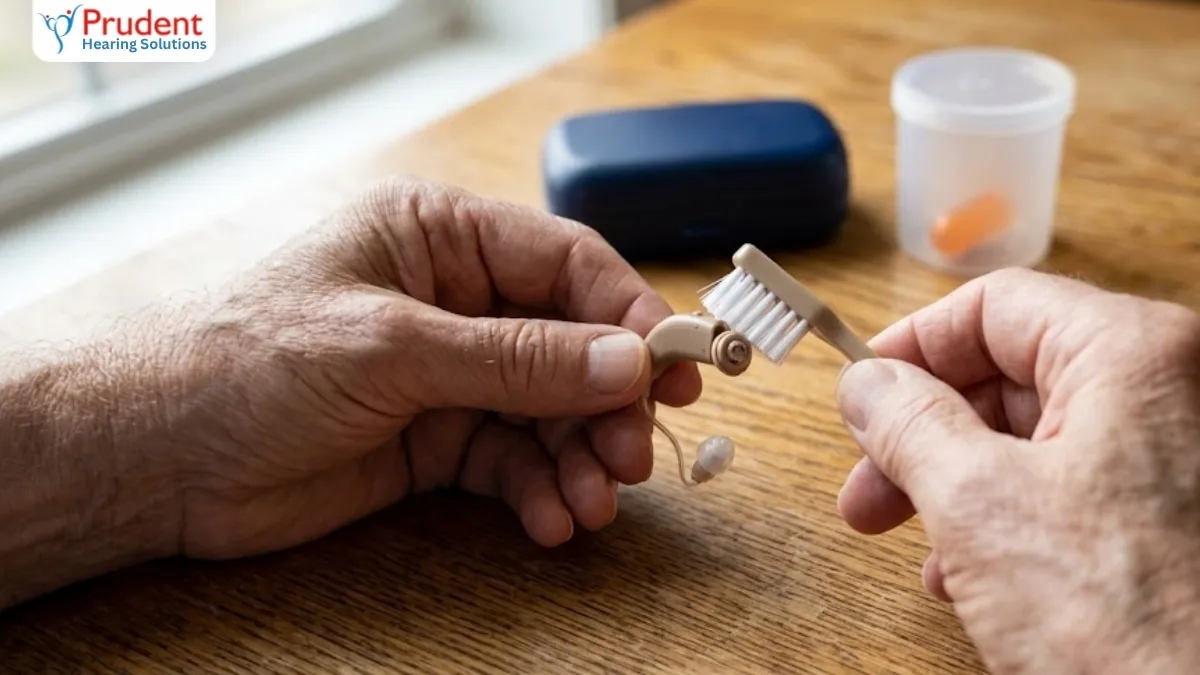
- Keep them clean and dry. Wipe them each night, change wax filters and domes on schedule, and use a drying kit in humid weather.
- Keep a power routine. Charge overnight or carry spare batteries, so you are never caught without them.
- Go back for fine-tuning. Small adjustments in the first months are normal and covered by our free lifetime programming; they are how a device goes from tolerable to barely noticeable.
- Have a yearly review. Your hearing can change, and your aids should be re-tuned to match it.
The honest bottom line
Hearing aids have real disadvantages: cost, a settling-in period, a little upkeep, and the plain fact that they manage rather than cure. But for the vast majority of people, those trade-offs are small against what they give back, easier conversations, less fatigue, and staying connected to the people around you. The trick is a proper fitting and a bit of patience, not a mythical perfect device.
If you are weighing it up, start with facts about your own ears rather than a website. Book a free 45-minute hearing test with our RCI-registered audiologists in Pune, Delhi or Bengaluru, try before you buy, and ask us to walk you through the real prices, offers and EMI options for your situation. Honest advice first, device second, on +91 9429690093.
Continue reading
Frequently asked questions
What are hearing aids for?
Hearing aids are for managing hearing loss so you can follow conversation, stay connected, and reduce the tiredness untreated loss causes. Each one is programmed to your specific audiogram, lifting the pitches you have lost while leaving the ones you still hear well alone. They are a management tool, not a cure, but for most people they transform everyday hearing.
What are the disadvantages of wearing hearing aids?
The honest disadvantages are the cost, an adjustment period of a few weeks, a boomy own-voice feeling (occlusion) early on, daily battery or charging upkeep, possible whistling if the fit is poor, and the fact that background noise is still challenging. Above all, a hearing aid manages hearing loss rather than curing it. Most of these downsides shrink with a proper fitting and consistent daily use.
How long do hearing aids usually last?
With reasonable care, most hearing aids last about five to seven years. Daily cleaning, keeping them dry, and regular servicing extend their life, while humidity and rough handling shorten it. Many people choose to upgrade around the five-to-six-year mark as much for newer features as for wear and tear.
What is the 5 minute rule for hearing aids?
There is no single official audiological rule called the 5-minute rule, so treat it with caution. People usually mean one of two practical ideas: build up your wearing time gradually when you are new to hearing aids, or, when troubleshooting, if basic checks (a fresh battery or charge, a clean dome, a clear wax filter) do not fix a simple problem within a few minutes, stop fiddling and call your audiologist.
How many hours a day should you wear a hearing aid?
Most audiologists advise wearing them for all your waking hours, not just occasionally. Consistent, all-day use is what helps your brain adapt and keeps speech understanding sharp, while occasional use makes every session feel like starting over. Take them out only for sleeping, showering and swimming. In the very first days, building up wearing time gradually is perfectly fine.
What is better than a hearing aid?
For common sensorineural hearing loss, nothing beats a properly fitted hearing aid. The honest exceptions are conductive loss (from wax, infection, fluid or a middle-ear problem), where medical or surgical treatment of the cause may be better and should be assessed first; severe-to-profound loss, where a cochlear implant may be better (a decision made with an ENT and audiologist); and specific cases where an assistive listening device helps alongside your aids.
Cheap PSAPs and sound amplifiers are not better; they just make everything, including noise, louder without being tuned to your loss.
Do hearing aids cure hearing loss?
No. A hearing aid compensates for hearing loss for as long as you wear it, but it does not repair the inner ear or reverse permanent (sensorineural) loss. Anything promising a permanent cure for nerve-related loss should be treated with real caution. Used consistently, though, a well-fitted aid gives you clear, comfortable hearing every day you wear it.
Can hearing loss be reversed or cured?
It depends on the type. Conductive hearing loss, caused by things like impacted wax, an ear infection, fluid or a middle-ear problem, can often be medically or surgically treated, and hearing may return once the cause is dealt with.
Sensorineural loss, the common age- and noise-related kind that damages the inner ear's hair cells and nerve, is permanent and cannot currently be reversed; it is managed with a well-fitted hearing aid rather than cured. That is why a proper diagnosis matters before you buy any device, and why you should be wary of any product promising to cure permanent nerve loss.
Will I still struggle in noisy places with hearing aids?
You will hear far better than without them, but a crowded, echoey room is the hardest test for any device. Even excellent hearing aids cannot fully separate one voice from heavy background noise the way a healthy ear does. Premium models with stronger noise processing help more, which is worth discussing at your fitting if noisy settings are a big part of your daily life.
Why are hearing aids so expensive, and what should I pay for a good one?
Hearing aids are tiny medical-grade computers: years of research, advanced speech-in-noise processing, and a price that also covers the professional testing, fitting and lifetime aftercare that make them actually work. As an honest India guide, entry-level aids run about ₹11,000–35,000 per ear, mid-range ₹35,000–70,000, premium ₹70,000–1,20,000 and ultra-premium ₹1,20,000–2,00,000. Hearing aids are GST-exempt in India, and at Prudent you get up to 20–30% off MRP with 0% EMI. See are expensive hearing aids worth it and the full hearing aid price guide.
What are the three best hearing aids: is there a “No. 1”?
There is no single “No. 1” hearing aid. The best aid is the one matched to your hearing test, your ears and your daily life: the model that is perfect for one person can be wrong for another with the same audiogram.
The leading brands we fit are Signia, Phonak, Oticon, Widex, ReSound, Starkey, Unitron and Interton, and each makes excellent aids at several price levels. See our guide to the top hearing aid brands in India and how to choose the right hearing aid, then book a free hearing test so the choice fits you, not a ranking.
Free consultation
Ready to hear the difference?
Book a free 45-minute hearing test at any Prudent Hearing clinic: no obligation, honest advice, expert audiologists.