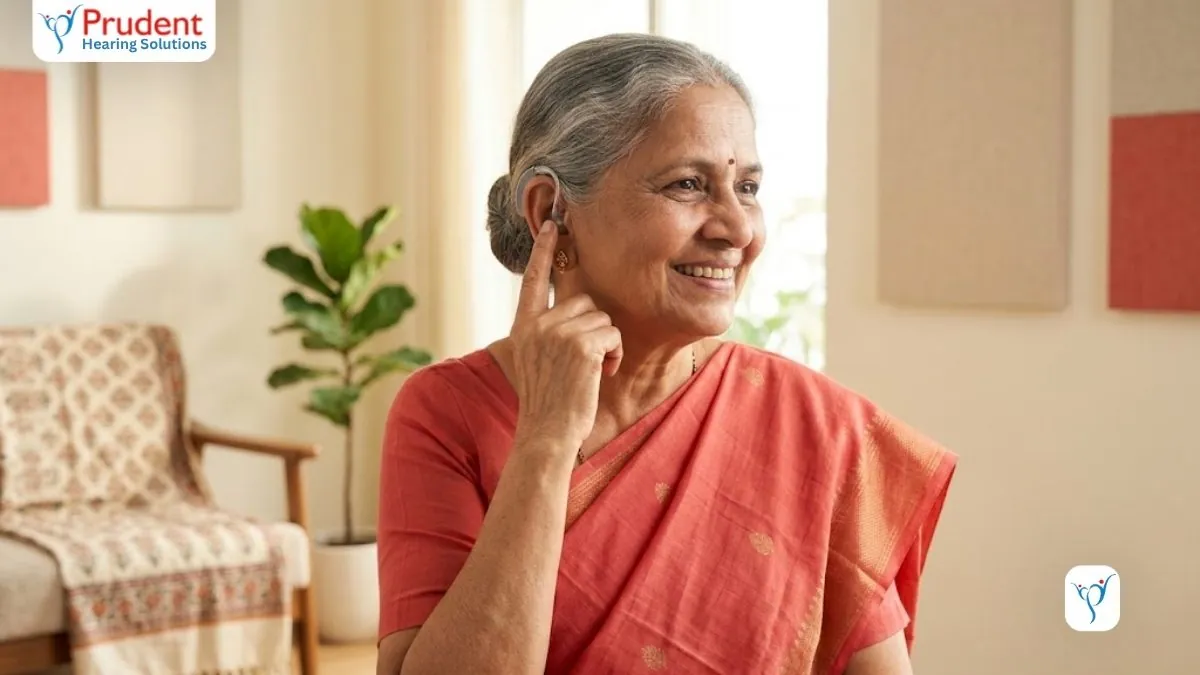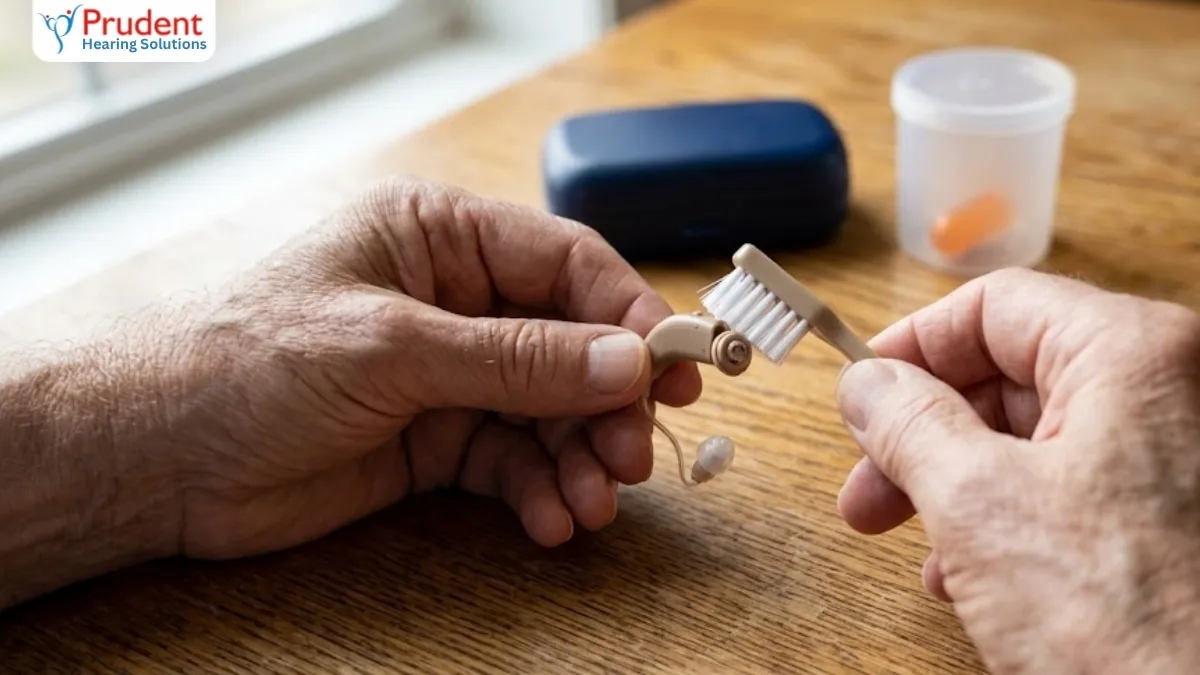
Most people take four to twelve weeks to get comfortable with new hearing aids, and some take longer. Sounds feel loud and unfamiliar at first, then settle. Wearing them all day, every day, and attending your follow-up adjustments is what makes the difference.
The direct answer
Most people need about four to twelve weeks to feel comfortable with new hearing aids, and full adaptation can take up to several months, especially after years of untreated loss. The brain has to relearn sounds it has not heard properly for a long time. Wearing the aids all waking hours and going to your follow-up adjustments speeds this up.
What to expect, week by week
- Days 1 to 3: everything sounds loud and new. Footsteps, paper rustling, running water and your own voice may seem strange. This is normal.
- Week 1: start with shorter periods in quiet places if you need to, and build up. Speech begins to feel clearer.
- Weeks 2 to 4: the background sounds fade into the background again. You start wearing the aids most of the day.
- Weeks 4 to 12: you follow conversations more easily, including in noisier places. Programming adjustments at follow-up visits refine the sound.
- After three months: most people are settled and the aids feel natural.
Why it takes time
Hearing happens in the brain. After years of reduced input, the brain has adapted to hearing less. Fitting hearing aids suddenly restores sounds it has stopped expecting, and it needs time to reclassify what is important and what to ignore. This is called acclimatisation.
Ways to make it easier
- Wear them every day, building to all waking hours. Inconsistent use slows adaptation.
- Start in quiet settings, then add busier ones.
- Read aloud or talk to a friend, to get used to your own voice.
- Keep your follow-up appointments. Fine-tuning is part of the process, not a sign of failure.
- Note what bothers you and tell your audiologist: harsh sounds, echo, own voice, or wind noise.
- Give it a fair go, and avoid judging in the first few days.
Common early problems, and fixes
- Sounds too loud or sharp: volume can be adjusted in steps.
- Own voice sounds boomy: often the occlusion effect. See why your own voice sounds loud.
- Whistling: usually fit or wax. See hearing aid whistling and feedback.
- Soreness: a fitting adjustment. See can hearing aids cause ear infections or itching.
- Trouble handling them: see how to put on and remove hearing aids.
When to call your audiologist
If something is uncomfortable, painful, or not improving after the first couple of weeks, do not put up with it. Adjustments make a large difference. Our tips for new hearing aid users and hearing aid trial and fitting guide explain what to expect, and free lifetime programming at Prudent means you can come back as often as needed.
Start with a free hearing test.
Frequently asked questions
How long does it take to get used to hearing aids?
Most people need about four to twelve weeks to feel comfortable, and full adaptation can take several months after years of untreated loss. Wearing the aids all waking hours and going to follow-up adjustments speeds it up.
What happens in the first few days with new hearing aids?
Everything sounds loud and new: footsteps, rustling paper, running water and your own voice. In the first week it is fine to start with shorter periods in quiet places and build up.
Why does adjusting to hearing aids take time?
Hearing happens in the brain. After years of reduced input it has adapted to hearing less, so it needs time to relearn which sounds matter and which to ignore. This process is called acclimatisation.
How can I get used to hearing aids faster?
Wear them every day and build to all waking hours, start in quiet settings before busier ones, read aloud to get used to your own voice, keep your follow-up appointments and tell your audiologist what bothers you.
When should I call my audiologist during the adjustment period?
If anything is uncomfortable, painful or not improving after the first couple of weeks. Adjustments make a big difference, and at Prudent lifetime programming is free, so you can come back as often as needed.
Free consultation
Ready to hear the difference?
Book a free 45-minute hearing test at any Prudent Hearing clinic: no obligation, honest advice, expert audiologists.