Educational information, not medical advice. This article is written to help you understand common ear and hearing issues. It is not a substitute for professional diagnosis or treatment. If your symptoms are severe, sudden, or persistent, please consult a qualified doctor or audiologist. For urgent symptoms (sudden hearing loss, bleeding from the ear, severe pain with dizziness, or a head injury), seek medical care the same day.
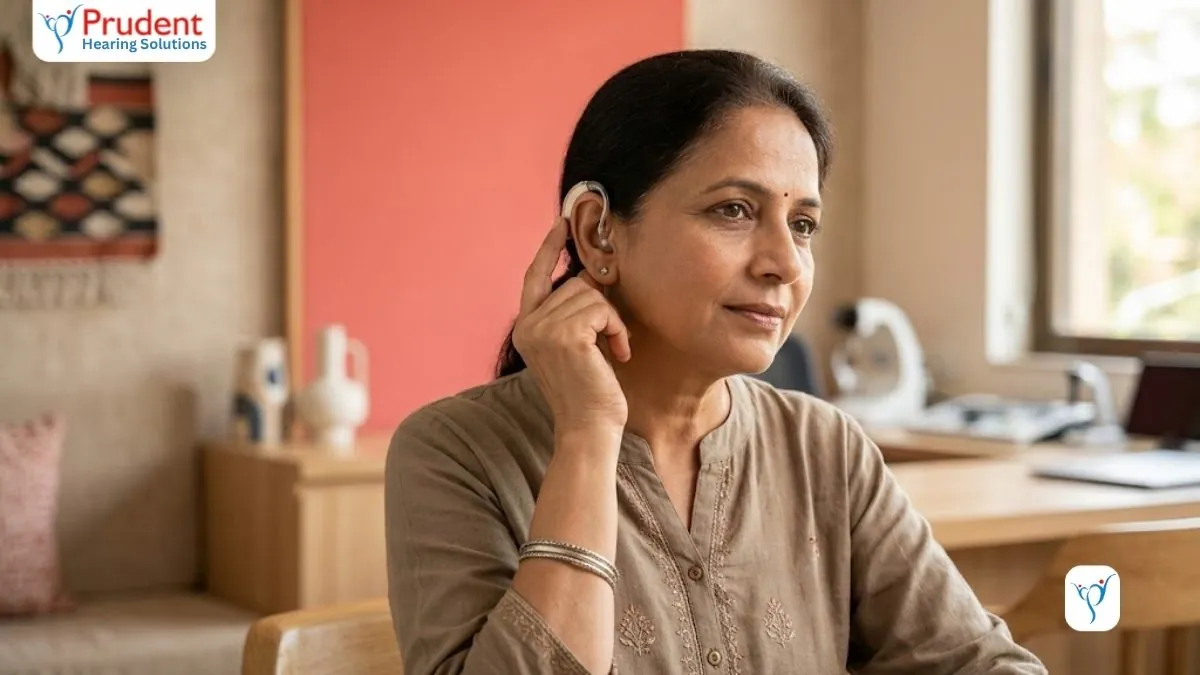
Hearing aids do not directly cause ear infections, but a blocked, damp or dirty ear canal makes infection more likely, and some people develop itching or irritation from the earmould or dome. Cleaning, dry storage and a properly fitted mould prevent most problems.
The direct answer
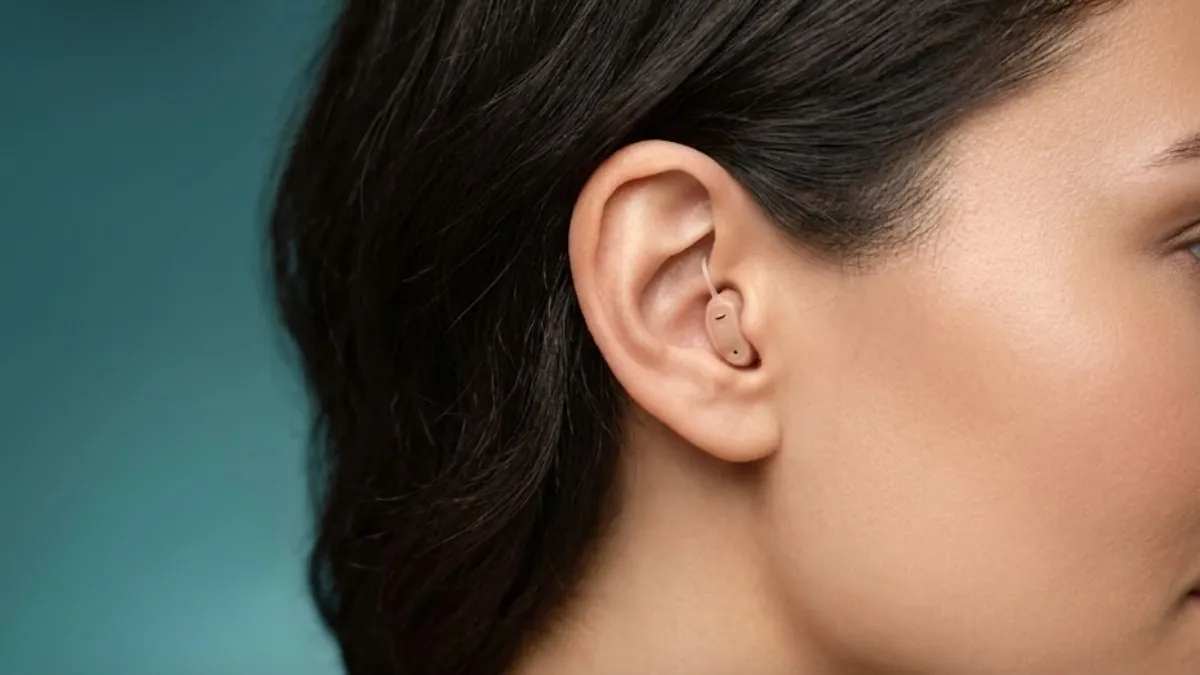
Hearing aids themselves do not cause infections. But anything that sits in the ear canal can trap moisture and warmth and get coated in wax and skin debris, and that can make an outer-ear infection (otitis externa) or irritation more likely. A poorly fitting or dirty earmould, or wearing aids in a sweaty, humid climate, raises the risk. Good hygiene and a correct fit prevent nearly all of it.
Why problems can happen
- Trapped moisture: sweat, humidity and monsoon damp stay in a closed canal.
- Dirty earmould or dome: wax and skin debris build up and can harbour bacteria and fungus.
- Poor fit: a shell or mould that is too tight rubs the skin, and a loose one shifts and irritates.
- Allergy or sensitivity: a few people react to materials in a mould or dome.
- Scratching or poking the ear with fingers or cotton buds when it itches.
- Existing conditions: eczema, a tendency to ear infections, or a history of swimmer's ear.
Warning signs to act on
- Ear pain, especially when touching the outer ear or wearing the aid.
- Discharge, a bad smell or crusting.
- Persistent itching, redness or swelling of the canal.
- Sudden reduction in hearing along with any of the above.
Stop wearing the aid and see an ENT if you have pain or discharge. Do not put drops in the ear unless a doctor has checked the eardrum. See our guide to swimmer's ear and itchy ears.
How to prevent it
- Wipe aids and earmoulds daily with a dry or slightly damp cloth, and clean domes and filters as advised. See how to clean and maintain hearing aids.
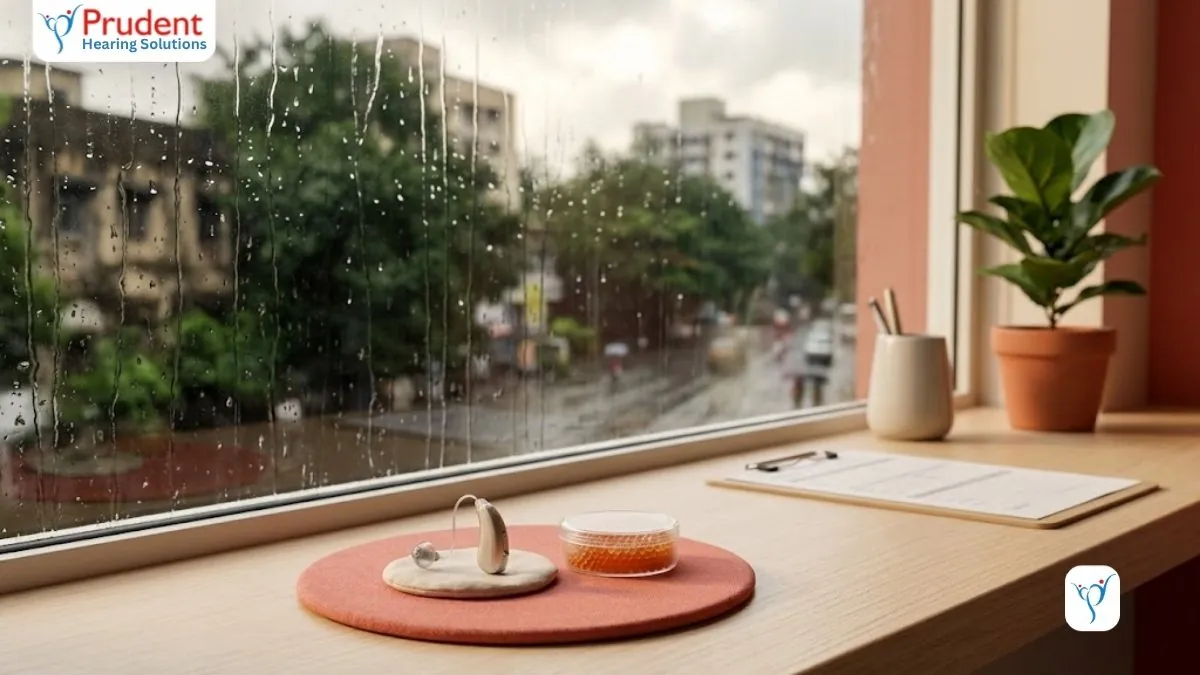
- Store aids overnight in a dry-aid box or with a drying capsule, especially in the rains. See hearing aid care in the monsoon.
- Give the ear a rest: take the aids out for a while in the evening and let the canal air.
- Keep the ear dry after bathing and before putting the aid back.
- Do not use cotton buds. Have wax cleared by a professional. See ear wax removal.
- Replace domes on schedule and have earmoulds remade if they are cracked, stiff or no longer fit.
If it itches or feels sore
Tell your audiologist. They can check the fit, polish or reshape a rubbing spot, change the dome or material, or switch to a more open fit that lets the ear breathe. Persistent problems deserve a medical look. Our audiologists can also refer you to an ENT if needed.
Book a fitting check at one of our clinics or through a home visit, or start with a free hearing test.
Frequently asked questions
Can hearing aids cause ear infections?
Not directly. But anything that sits in the ear canal can trap moisture and warmth and collect wax and debris, which makes an outer-ear infection or irritation more likely, especially with a dirty or poorly fitting earmould.
Why does my ear itch when I wear hearing aids?
Common causes are trapped moisture, a dirty earmould or dome, a shell that rubs, or a reaction to the mould material. Scratching or poking the ear with fingers or cotton buds makes it worse.
What signs of infection should I watch for?
Ear pain, especially when you touch the outer ear or wear the aid, discharge, a bad smell or crusting, persistent itching, redness or swelling, or a sudden drop in hearing alongside any of these.
How do I prevent ear infections from hearing aids?
Wipe the aids and earmoulds daily, store them overnight in a dry box or with a drying capsule, keep the ear dry before putting the aid back, give your ears a rest in the evening, and never use cotton buds.
What can an audiologist do if my hearing aid makes my ear sore?
They can check the fit, polish or reshape a rubbing spot, change the dome or material, or move you to a more open fit that lets the ear breathe. Persistent problems need a medical look, and we can refer you to an ENT.
Free consultation
Ready to hear the difference?
Book a free 45-minute hearing test at any Prudent Hearing clinic: no obligation, honest advice, expert audiologists.