What is a hearing aid, what do hearing aids actually do, and what can they realistically help with? A calm, plain guide before you book a hearing test.
If someone has suggested a hearing aid for you or a family member, you probably have more questions than answers. That is completely normal, and this page is here to give you a calm, honest starting point.
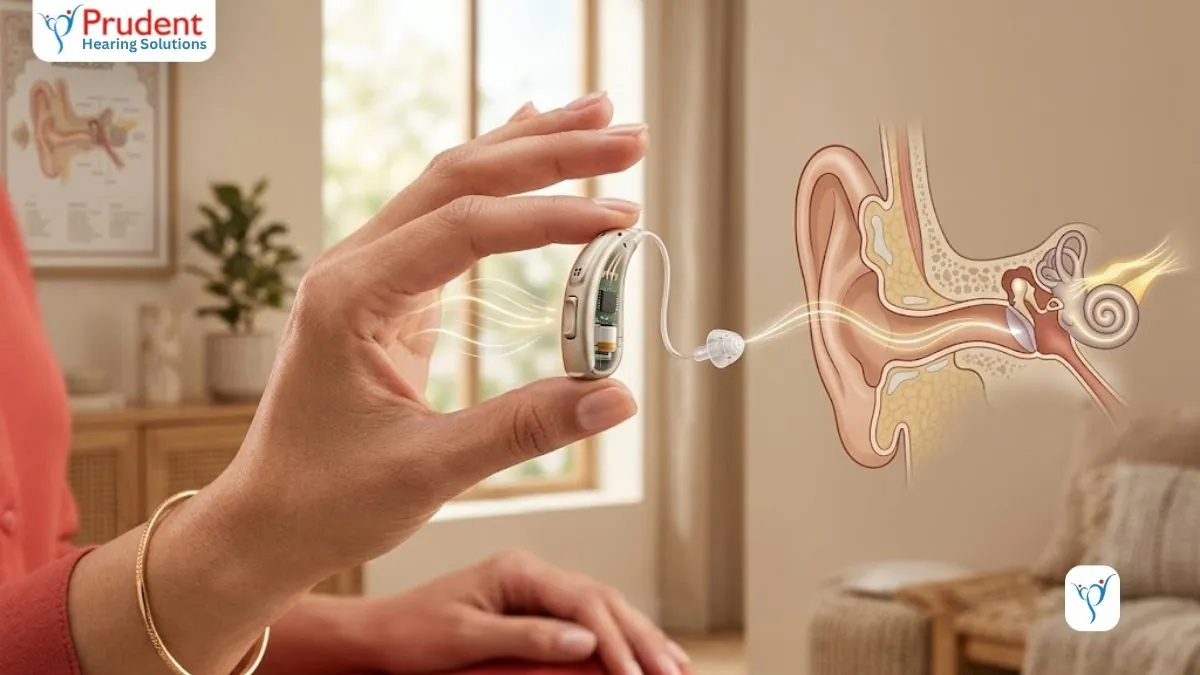
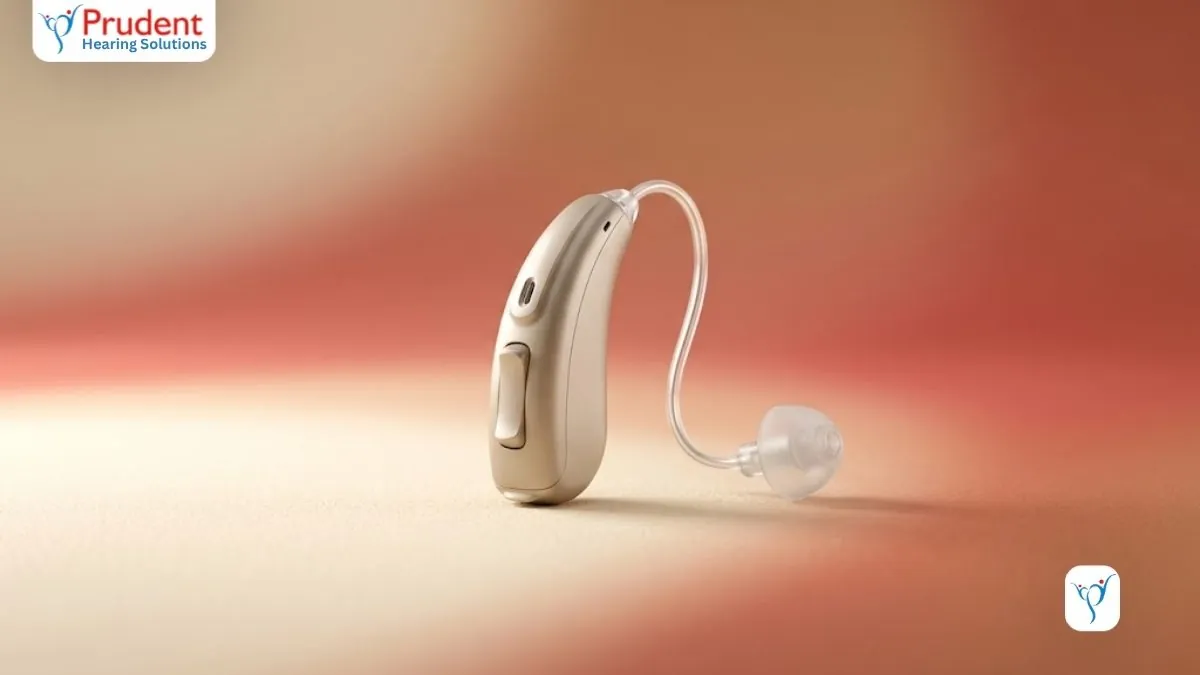
A hearing aid is a small electronic device you wear in or behind your ear. Its job is to make the sounds around you louder and clearer, so speech and everyday noises are easier to follow. That is the simplest version of the hearing aid meaning: a personal sound helper, tuned to the specific gaps in your hearing.
What hearing aids actually do
Every hearing aid has three basic parts working together. A tiny microphone picks up sound from your surroundings. A small processor cleans up that sound and boosts the frequencies you struggle to hear. A speaker then delivers the adjusted sound into your ear.
Modern devices do more than simply turn the volume up. They can soften background noise, lift soft speech, and adjust automatically as you move from a quiet room to a busy street. If you want the full picture of what happens inside, how hearing aids work walks through it step by step.
The key point about what hearing aids do is that they are tuned to you. An audiologist programmes the device to match your hearing test results, so it amplifies the exact sounds you are missing rather than everything equally.
What a hearing aid will and will not do
Here is the honest part, and it matters. A hearing aid amplifies and clarifies sound. It does not restore normal hearing, and it is not a cure for hearing loss.
Think of it more like glasses for your ears. Glasses help you see clearly while you wear them, but they do not repair your eyes. A hearing aid works the same way. It helps you hear and take part in conversations while you wear it, and it helps manage the daily impact of hearing loss.
Set with that expectation, most people find hearing aids genuinely helpful. Set with the expectation of perfect, effortless hearing everywhere, they can feel disappointing. A good fitting, and a little time to adjust, makes the real difference.
Do you actually need one?
You probably need a hearing test, and possibly a hearing aid, if any of these sound familiar:
- You often ask people to repeat themselves.
- Group conversations or noisy places feel exhausting.
- Family say the television is too loud for them but right for you.
- You hear that people are speaking but cannot make out the words.
None of these confirm anything on their own. They are simply reasons to get your hearing measured properly rather than guessing. A hearing test is quick, comfortable and gives you real information to work with.
When to see a professional promptly
A few symptoms should not wait for a routine appointment. Please see a professional quickly if you notice any of these:
- Sudden hearing loss, especially in one ear over hours or days.
- Ringing or noise in only one ear, or a sound that pulses in time with your heartbeat.
- Pain, pressure or discharge from the ear.
- Dizziness alongside a change in your hearing.
These can point to conditions that need timely attention, so treat them as a reason to reach out sooner rather than later.
What happens next
If any of this sounds familiar, the useful next step is not to buy a device online. It is to find out what your hearing actually looks like. An audiologist will test your hearing, explain the results in plain language, and only then talk about whether a hearing aid would help and which style suits your ears and your daily life.
There is no pressure to decide anything on the day. You can simply come in, get clarity, and take your time. When you feel ready, you can book a hearing test at any of our centres, and we can talk through your options together. If it is easier to reach us first, our our clinics in Pune, Delhi and Bengaluru page has the details for each clinic.
Learning what a hearing aid is may feel like a big step, but it is really just the first small one. Understanding your hearing puts the choices back in your hands.
Continue reading
Frequently asked questions
What is a hearing aid?
It is a small electronic device worn in or behind the ear that picks up sound, adjusts it to match your hearing loss, and delivers clearer sound into your ear so you can follow speech more easily.
What does a hearing aid actually do?
It amplifies and clarifies the sounds you struggle with, tuned to your specific loss, so conversations, television and everyday life become easier to follow.
Will a hearing aid give me normal hearing?
No. A hearing aid helps you make the most of the hearing you have. It does not repair the ear or restore normal hearing.
Do I actually need a hearing aid?
The only reliable way to know is a hearing test. It measures whether you have a hearing loss, how much, and whether a hearing aid would genuinely help.
What happens after I decide to get one?
An audiologist tests your hearing, recommends a suitable style, fits it to your ears and fine-tunes it over a few follow-up visits.
Free consultation
Ready to hear the difference?
Book a free 45-minute hearing test at any Prudent Hearing clinic: no obligation, honest advice, expert audiologists.