Ear machine or hearing aid? They are not the same. Learn the real difference, why cheap amplifiers can backfire, and how to shop smart in India.
If you are choosing between a hearing aid and a cheap "ear machine", here is the honest, up-front answer: they are not the same product, and they are not solving the same problem. The cheap "ear machines" sold online and at roadside stalls for a few hundred rupees are simple amplifiers: they just make every sound around you louder. A real hearing aid is a small medical device programmed to your exact hearing loss.
One caution on names: "kaan ki machine" is really just the everyday Hindi term for a hearing aid, but cheap amplifiers are often sold under the same label, so the name alone won't tell you what you are getting. What matters is whether the device is a simple unfitted amplifier or a hearing aid programmed to your test.
Buy the wrong one and you can waste money, feel let down, and in some cases make an already-strained ear work even harder. This guide explains the difference in plain terms, without scare stories, so you can shop with your eyes open.
What an "ear machine" or amplifier actually is
The technical name is a Personal Sound Amplification Product (PSAP). It is a basic microphone, a small amplifier and a speaker in a plastic shell, usually with a single volume wheel. These are the cheap units often advertised online as an "ear machine", and sometimes loosely as a "kaan ki machine", even though that term is really the everyday Hindi name for a proper hearing aid.
It does one thing: it turns up the volume of whatever is in front of the microphone. There is no hearing test behind it. It is not matched to your ears. It boosts high sounds and low sounds by roughly the same amount, and many of them have no reliable ceiling on how loud they can get.
These devices are legal, they are cheap, and you can find them on any e-commerce app or at a footpath stall. Cheap is not the problem. Being sold as a substitute for a hearing aid is the problem.
What a real hearing aid actually is
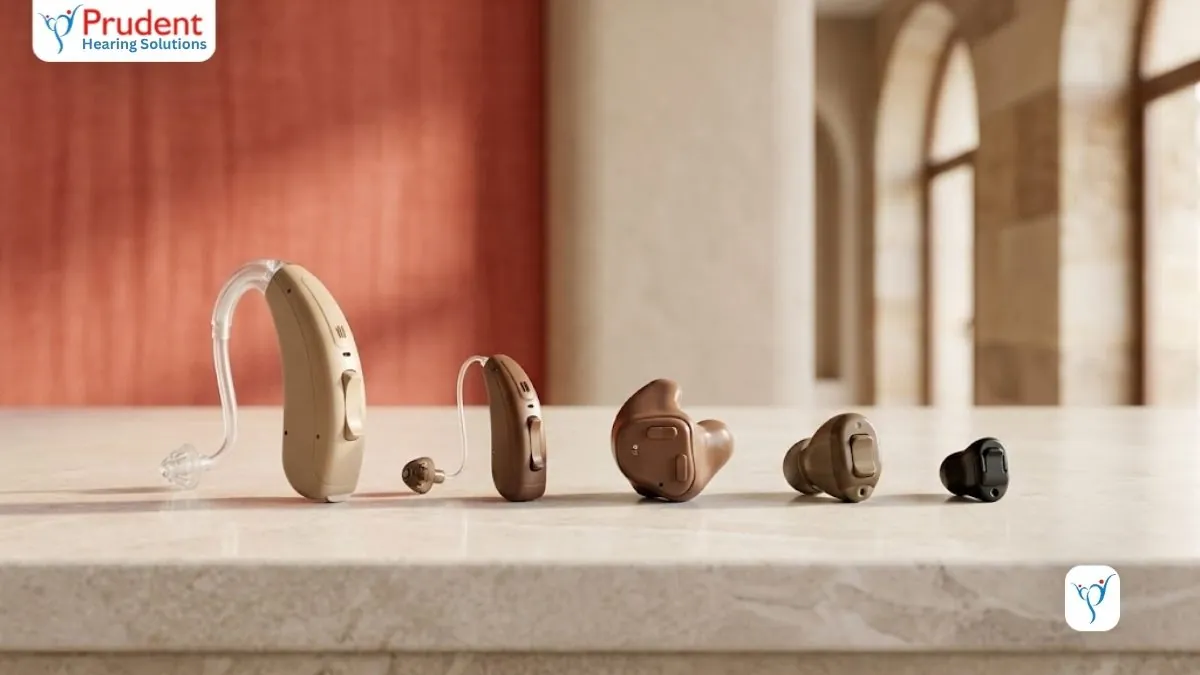
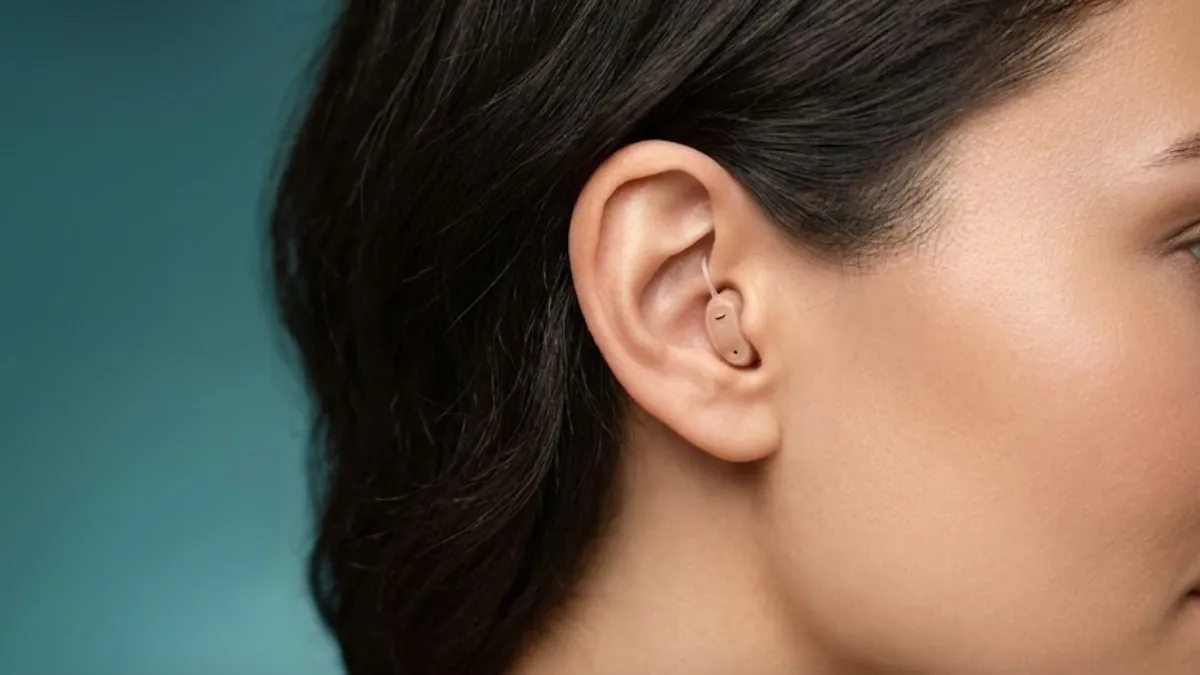
A hearing aid is a prescription device. Before it is fitted, an audiologist tests your hearing and produces an audiogram, a map of exactly which pitches you have lost and by how much. The device is then programmed to that map. If you want the fuller picture, see what a hearing aid actually is and how hearing aids work.
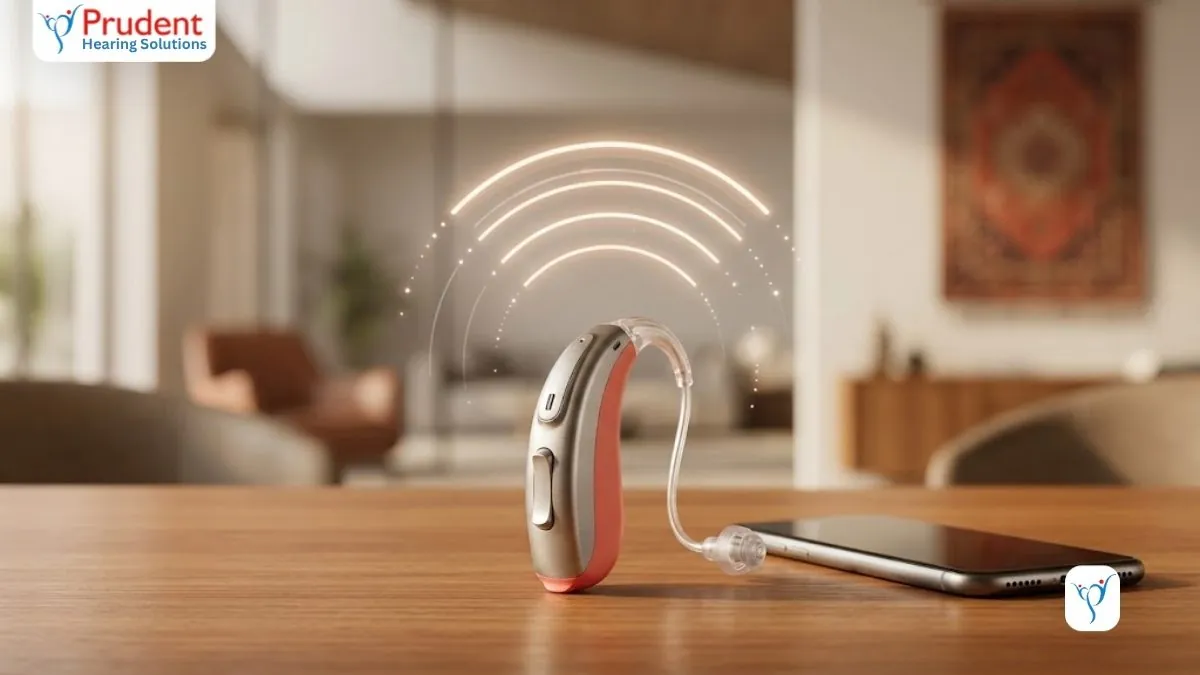
That programming is the whole point. A modern hearing aid splits sound into many channels so it can lift the exact pitches you are missing (usually the high, soft consonants that make speech clear) while leaving the sounds you still hear well alone. It also runs noise reduction, feedback cancellation and other features to cut background rumble and stop whistling. And, critically, it has a built-in safety limit so it will not push a sudden loud sound past a level that could harm your ear.
One thing that stays true for both devices, and that we say to every patient: a hearing aid manages hearing loss. It does not cure it. Any diagnosis, medical treatment or surgery is a matter for a doctor or ENT specialist.
The difference, side by side
An ear machine or amplifier typically:
- Makes all sounds louder with one volume wheel
- Is not matched to your audiogram: the same unit is sold to everyone
- Boosts low-frequency background noise along with speech
- Often has no reliable maximum output limit
- Comes with no hearing test, trial or professional fitting
A real hearing aid, by contrast:
- Is programmed to your specific hearing loss across many channels
- Lifts the pitches you have lost and holds back the ones you have not
- Uses noise reduction and feedback cancellation to keep speech clear
- Has a safe output ceiling so loud sounds are capped
- Comes with a professional fitting, a trial period and ongoing support
Why an amplifier often makes hearing worse, not better
This is the part shopkeepers do not explain. Most adult hearing loss in India, especially age-related loss, is a high-frequency loss. You still hear the low, booming sounds (traffic, fans, the general hum of a room), but you struggle with the crisp high sounds that carry speech. You can read more about that pattern in understanding your audiogram.
An amplifier turns everything up equally. So it boosts the low-frequency noise you already hear too well, and that louder background can actually bury the speech you were trying to catch. People end up saying "it is loud but I still cannot understand." That is the amplifier working exactly as designed, and against you.
"An amplifier turns up the whole room. A hearing aid turns up the sounds you are missing, and holds back the ones you are not."
There is also the safety angle, stated plainly and without alarm. A hearing aid is set with a maximum output your ear can tolerate. Many cheap amplifiers are not. Feeding an unpredictable, uncapped level of volume into an ear that is already sensitive is not a good idea over time. This is not a reason to panic if you have used one; it is a reason to move to something safer.
When is an amplifier actually acceptable?
To be fair, there are a few narrow situations where a simple amplifier is reasonable:
- Your hearing is essentially normal and you want a little help in one specific situation: a lecture hall, birdwatching, a single hard-of-hearing conversation
- You need a very short-term stopgap while a genuine hearing loss is being assessed
- You have been told by a professional that your loss is minimal and you simply want mild, occasional amplification
What it should never be is a permanent replacement for managing a real, tested hearing loss. If you are buying it because you have noticed you keep asking people to repeat themselves, that is a signal to get tested, not to buy an amplifier.
How to tell them apart when you are shopping
The marketing can be confusing on purpose. Here are the honest tells:
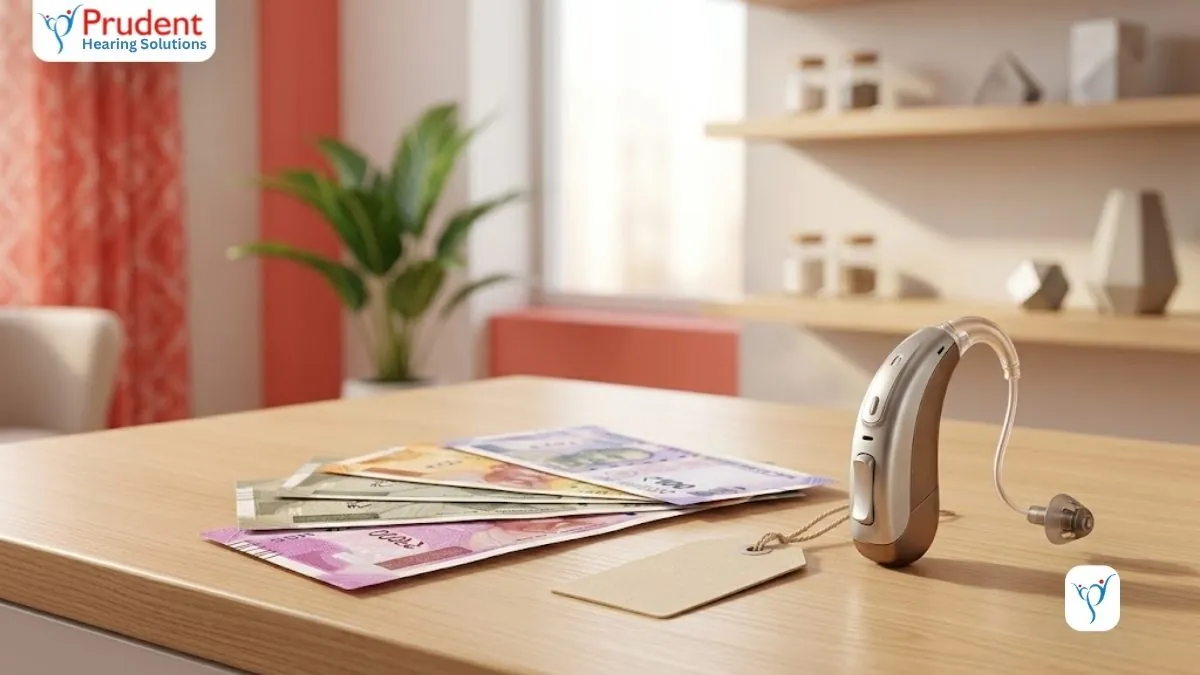
- Price that looks too good to be true: genuine hearing aids are not a few hundred rupees. See kaan ki machine prices in India for what genuine devices actually cost per ear
- No mention of a hearing test, an audiogram or a fitting anywhere in the listing
- "One size fits all," a single volume wheel, and no talk of channels or programming
- Sold with no trial and no after-sales programming or servicing
- No qualified audiologist involved at any point
A real hearing aid provider will insist on testing your hearing first, will let you trial the device, and will program it for you. If nobody wants to test your ears before selling, you are looking at an amplifier.
A better path if you are on a budget
People often reach for the ear machine because they assume a real hearing aid is out of reach. It does not have to be. Hearing aids are GST-exempt in India, we offer 0% EMI, and genuine devices are available at 30 to 50% off manufacturer MRP. If budget is the real worry, start with a genuinely affordable hearing aid that still works properly rather than a device that will disappoint you.
At Prudent Hearing Solutions we have been an RCI-registered hearing-aid clinic since 2004, with centres in Pune (Viman Nagar), Delhi (Rohini and Green Park) and Bengaluru (Jayanagar). The hearing test is free, you can trial before you buy, and programming is free for the life of the device. You can compare options honestly on our pricing pages, or simply contact us or call +91 9429690093 and talk it through with a person, not a sales script.
The bottom line: an ear machine makes the room louder; a hearing aid makes life clearer. Spend a little time getting tested before you spend anything at all. It is the cheapest step in the whole process, and it saves you from buying the wrong thing twice.
Continue reading
Frequently asked questions
Is a cheap "ear machine" the same thing as a hearing aid?
No. A cheap ear machine is a personal sound amplifier (PSAP): a single volume wheel that makes every sound louder without being matched to your hearing. A hearing aid is a medical device programmed to your audiogram, with channels, noise reduction, feedback cancellation and a built-in safety limit.
Note that "kaan ki machine" is really just the everyday Hindi name for a hearing aid; the catch is that cheap amplifiers are sometimes sold under that same label, so judge the device by whether it is fitted to a hearing test, not by the name on the listing.
Why does my cheap ear machine make everything sound noisy but still unclear?
Because it amplifies all frequencies roughly equally. Most adult hearing loss is high-frequency, so you already hear low background sounds well. The amplifier boosts that background noise along with speech, and the louder rumble can bury the words you were trying to catch. A programmed hearing aid lifts only the pitches you have lost.
Are cheap hearing amplifiers actually unsafe for my ears?
A properly fitted hearing aid has a maximum output ceiling set for your ear. Many cheap amplifiers do not have a reliable limit, so they can push loud, uncapped volume into an ear that may already be sensitive. This is not a reason to panic if you have used one, but it is a good reason to switch to a device with a safe output limit.
Can I use an ear machine temporarily while I save up for a hearing aid?
For a very short stopgap, or if your hearing is essentially normal and you only need help in one situation, a simple amplifier can be acceptable. But it should not become a long-term substitute for managing a real hearing loss. Hearing aids are GST-exempt and available on 0% EMI, so an affordable genuine option is often closer than people expect.
How can I tell an ear machine from a real hearing aid when shopping online?
Watch for a price of just a few hundred rupees, no mention of a hearing test or audiogram, a single volume wheel, no trial period, no after-sales programming, and no audiologist involved. A genuine provider will always test your hearing before selling and will program the device to your loss.
Will a hearing aid cure my hearing loss?
No. A hearing aid manages hearing loss and helps you hear and understand better; it does not restore or cure the underlying loss. Any question about the cause of your hearing loss, or about medical or surgical treatment, should go to a doctor or ENT specialist.
Free consultation
Ready to hear the difference?
Book a free 45-minute hearing test at any Prudent Hearing clinic: no obligation, honest advice, expert audiologists.