Hearing aid warranty in India explained: what the 1-2 year cover includes, what it skips, loss-and-damage options, and why clinic after-sales service matters.
Buying a hearing aid in India is a real investment (a good device can cost as much as a smartphone or more), so it is fair to ask exactly what protection you get after you pay. Warranty and after-sales service are two of the most misunderstood parts of the whole purchase. Many first-time buyers assume the warranty covers everything that can go wrong. It does not. And many do not realise that the most valuable support they will get over the years comes not from the warranty card at all, but from the clinic that fitted them.
This guide sets honest expectations. We will explain the typical manufacturer warranty in India, what it covers and what it quietly leaves out, how loss-and-damage cover works, and why the clinic's own after-sales service often matters more than the brand name printed on the box. Prices and warranty rules do change over time, so treat everything here as general guidance and always confirm the current terms in writing before you buy.
Can I get hearing aids with warranty in India?
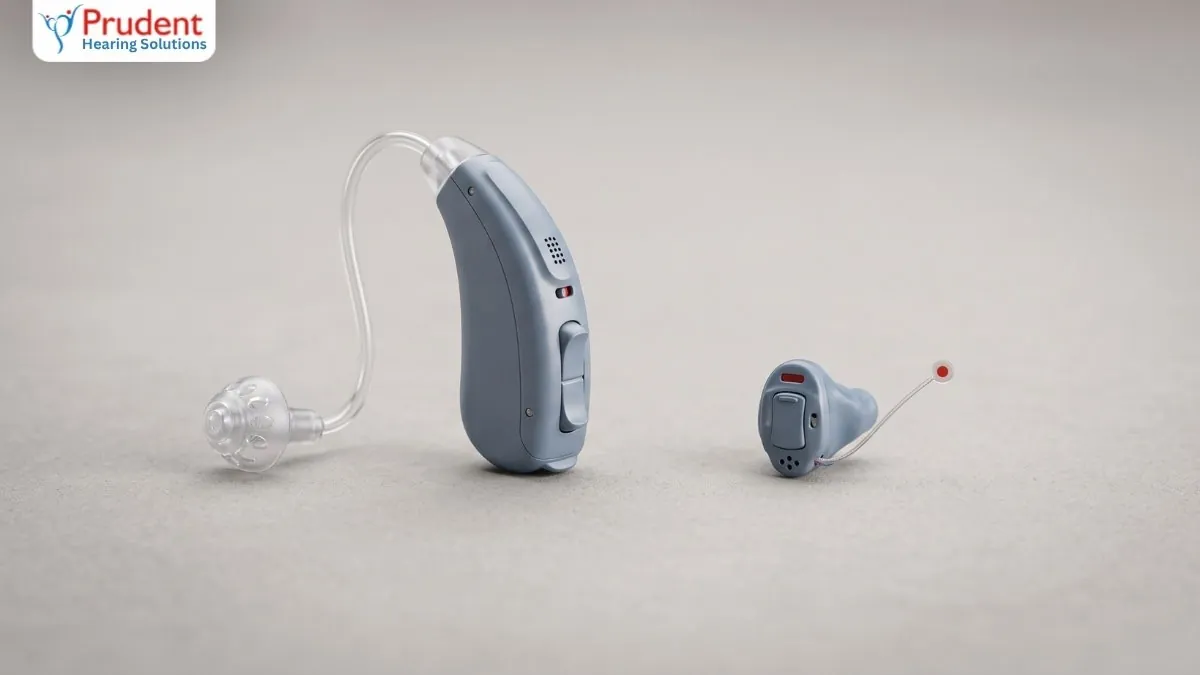
Yes. Almost every hearing aid sold through an authorised channel in India comes with a manufacturer warranty, usually in the range of one to two years depending on the brand and the model tier, as per current rules. Premium models often carry a longer standard warranty than entry-level ones. The warranty is provided by the manufacturer (Phonak, Signia, Oticon, Widex, ReSound, Starkey, Unitron and others all have India distribution and service networks) and administered through the centre where you bought the device.
There is one important condition: the warranty is only valid when you buy from an authorised, registered seller and keep your invoice safe. Grey-market units, second-hand devices bought online, or deals that look too good to be true often carry no valid warranty at all, even if the box looks identical. This is one of the strongest reasons to buy from an established RCI-registered centre rather than chasing the lowest online price. Many centres also offer an extended warranty at extra cost, which stretches coverage by another year or two, worth considering on a premium device.
What does a hearing aid warranty cover?
A manufacturer warranty is a defect warranty, not an insurance policy. In plain terms, it covers the device failing on its own through no fault of yours: a manufacturing defect. It does not cover damage you cause, loss, or normal wear and tear.
What the warranty usually covers
- Manufacturing defects in the electronics, microphone or receiver
- Components that stop working under normal use within the warranty period
- Repair or replacement of the faulty unit at no charge, subject to inspection
- Internal or firmware faults not caused by mishandling
What the warranty usually does not cover
- Accidental physical damage: drops, crushing, a device that is sat on or stepped on
- Water and moisture damage from sweat, rain or humidity neglect
- Damage from wax build-up when regular cleaning has been skipped
- Loss or theft of the device
- Domes, wax guards, tubes and disposable batteries, which are wear items
- Unauthorised repairs done outside the service network
This is where expectations often break down. If your hearing aid stops working because a component failed, the warranty should take care of it. If it stops working because it went through the wash, fell on a tiled floor, or was clogged with months of neglected wax, that is usually a paid repair, not a warranty claim. Knowing this difference before you buy saves a lot of frustration later, and good daily habits genuinely extend the life of the device, especially in humid Indian conditions.
Manufacturer warranty vs the clinic's after-sales service
Here is the part most buyers underestimate. The manufacturer warranty protects the hardware. The clinic's after-sales service is what keeps you hearing well day to day, and you will use it far more often than you will ever make a warranty claim. When you buy from a proper hearing centre, the ongoing support typically includes:
- Fitting fine-tuning and reprogramming as your ears adjust over the first weeks and months
- Software and setting updates as your hearing changes over the years
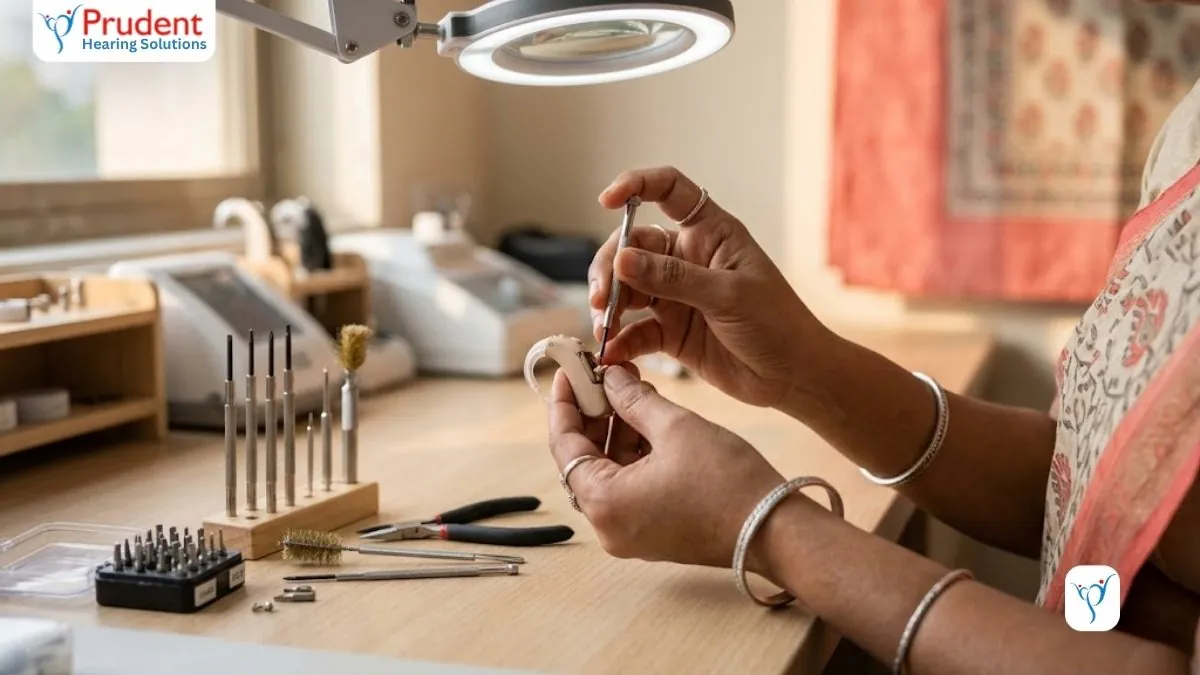
- Cleaning and routine servicing of the device
- Replacement of wax guards, domes and receivers or tubes that wear out with use
- Diagnosing problems and sending the unit to the manufacturer for repair when needed
- Advice on batteries, accessories and everyday care
Some of this is included free for a period after purchase; some is charged per visit or per part, as per the centre's current policy. Ask exactly what is bundled and for how long. A device that is fitted once and never fine-tuned rarely performs at its best. The after-care is a large part of what you are actually paying for. This is also why buying locally, from a centre you can walk into, beats buying a device shipped from far away with no one to adjust it.
Loss-and-damage cover: is it worth it?
Because the standard warranty excludes accidents and loss, some brands and clinics offer a separate loss-and-damage cover, either built into premium packages or available as an add-on. It works more like insurance: if the device is accidentally damaged or lost, you can get a replacement, sometimes for a fixed deductible or a reduced fee, usually once within the cover period, as per the specific policy.
Whether it is worth it depends on who will wear the device. For an active child, a very elderly parent prone to misplacing things, or anyone with an expensive premium device, loss-and-damage cover can be genuinely reassuring. For a careful adult with an entry-level device, it may not be necessary. Read the terms closely: check what counts as loss, how many claims are allowed, and what you pay on a claim.
Which hearing aid brands are known for good after-sales service in India?
All the major global brands (Phonak, Signia, Oticon, Widex, ReSound, Starkey and Unitron) have established distribution and service networks in India, and all of them make reliable devices with genuine warranty support. On paper, there is not a huge gap between them on warranty terms.
The honest truth is that the brand matters less than the clinic. Two people can buy the exact same Signia or Phonak model, and one has a great experience and one a poor one, purely because of the centre that fitted and supported them. Real-world service quality depends heavily on the local clinic: how skilled the audiologist is, how quickly they turn around repairs, whether they stock parts and batteries, and whether they actually pick up the phone when you have a problem. So rather than asking which brand has the best service, ask which centre near me will look after me for the next few years. Choose an established, RCI-registered centre that fits multiple brands, and you get both a reliable device and dependable support.
What happens if my hearing aid breaks or is lost?
If your device breaks, the first step is to take it back to the centre that fitted it, not to attempt a home repair, which usually voids any cover. The centre will inspect it. If it is a manufacturing defect within the warranty period, it is repaired or replaced under warranty at no charge. If the damage is accidental (dropped, water-logged or wax-clogged), it becomes a paid repair, and the centre will give you an estimate first. Many centres can provide a stop-gap solution while your unit is away for repair, so it is always worth asking.
If your device is lost, the manufacturer warranty will not help, because it only covers defects. If you bought a loss-and-damage cover, this is when it earns its keep and you claim a replacement under those terms. If you had no such cover, a lost device usually means buying a new one. This is exactly why loss cover is worth a hard look for children and elderly users, and why it is wise to build simple habits (a fixed storage spot, a case and a routine) from day one.
How to judge a clinic's after-sales service before you buy
You can tell a lot about a centre's service before you spend a single rupee. Ask these questions on your first visit:
- Are you RCI-registered, and how long have you been operating?
- What exactly does the warranty on this model cover, and for how long?
- Is extended warranty or loss-and-damage cover available, and what does it cost?
- What after-sales support is included free, and for how long: fine-tuning, cleaning, follow-ups?
- Do you stock batteries, domes, wax guards and accessories in-house?
- What is your typical turnaround time for a repair?
- Will you put the warranty and service terms in writing on the invoice?
A confident, established centre will answer all of this clearly and give it to you in writing. Vague answers or pressure to buy on the spot are a warning sign. A free hearing test and an unhurried trial are also good indicators of a centre that plans to keep you as a long-term patient rather than a one-time sale.
Price tiers and the service that should come with them
Hearing aids in India are usually grouped into entry-level, mid-range and premium tiers, and the cost climbs steeply as you move up. Exact prices vary by brand, technology level and any offer running at the time, and they change over time, so always confirm the current figure for the specific model you are considering. Our guide to hearing aid prices in India walks through the tiers in more detail. What matters for this article is that a valid manufacturer warranty should come with a device at every tier. On mid-range and premium models you can reasonably expect a longer warranty and more generous after-sales support built into the package, though the exact terms differ by brand and centre and apply as per current rules, so ask for them in writing. Our overview of hearing aid brands in India and a walk-through of the trial and fitting process will help you weigh your options with clear eyes.
"The warranty protects the device. The clinic protects your hearing. Buy where both are strong."
The bottom line
Warranty and after-sales service are not the same thing, and both deserve your attention before you buy. Expect a one-to-two-year manufacturer warranty covering defects, not accidents or loss; consider extended or loss-and-damage cover for expensive devices and vulnerable users; and weigh the clinic's ongoing service at least as heavily as the brand. Make sure you understand the trial, warranty and returns terms before you commit. Remember too that hearing aids manage sensorineural hearing loss (they do not cure it), so the years of fine-tuning and support you get afterwards are central to hearing your best.
At Prudent Hearing Solutions, RCI-registered and caring for hearing since 2004, we fit all major brands, stock batteries and accessories, handle repairs and servicing in-house, and put our warranty and service terms in writing. We have centres in Pune (Viman Nagar), Delhi (Rohini and Green Park) and Bengaluru (Jayanagar). Book a free 45-minute hearing test, ask us anything about warranty and after-care, and explore EMI and finance options. Call +91 9429690093 to visit the centre nearest you.
Continue reading
Frequently asked questions
Can I get hearing aids with warranty in India?
Yes. Almost every hearing aid sold through an authorised channel in India carries a manufacturer warranty, usually one to two years depending on the brand and model tier and as per current rules, with extended warranty often available at extra cost. The catch is that the warranty is only valid when you buy from an authorised, registered seller and keep your invoice. Grey-market or second-hand units bought online frequently have no valid warranty, which is why buying from an established RCI-registered centre matters.
What does a hearing aid warranty cover?
A manufacturer warranty is a defect warranty, not insurance. It covers the device failing on its own: manufacturing defects in the electronics, microphone or receiver under normal use within the warranty period. It usually does not cover accidental physical damage, water or moisture damage, damage from neglected wax cleaning, loss, or wear items like domes and wax guards. So a component that fails is generally covered, but a device that was dropped, drenched or clogged is usually a paid repair.
Which hearing aid brands are known for good after-sales service in India?
All the major global brands (Phonak, Signia, Oticon, Widex, ReSound, Starkey and Unitron) have established distribution and service networks in India, and their warranty terms are broadly similar. The honest reality is that the brand matters less than the clinic: real-world service quality depends heavily on the local centre that fits and supports you. Look for an established, RCI-registered centre that fits multiple brands, turns repairs around quickly and stocks parts and batteries, and you get both a reliable device and dependable support.
What happens if my hearing aid breaks or is lost?
If it breaks, take it back to the centre that fitted it rather than attempting a home repair. A manufacturing defect within the warranty period is repaired or replaced free; accidental damage is a paid repair, with an estimate given first. If the device is lost, the manufacturer warranty does not help since it only covers defects. You would rely on a separate loss-and-damage cover if you bought one, or otherwise buy a new device. This is why loss cover is worth considering for children and elderly users.
Free consultation
Ready to hear the difference?
Book a free 45-minute hearing test at any Prudent Hearing clinic: no obligation, honest advice, expert audiologists.