Government help for hearing aids in India: the ADIP scheme, UDID certificate, CGHS/ESIC, 0% GST, and 80DD/80U tax relief, plus low-cost EMI routes.
Quick answer
Government help for hearing aids in India includes the ADIP scheme (free or subsidised aids for eligible low-income applicants via ALIMCO), CGHS and ESIC cover for government employees and insured workers, a UDID disability certificate that opens up concessions, and Section 80DD/80U income-tax relief. Hearing aids are also GST-exempt. Which route fits depends on your income, employment and disability status.
Key takeaways
- ADIP gives free or subsidised aids to eligible low-income applicants through ALIMCO.
- CGHS (central government; up to ₹30,000 per ear from September 2026) and ESIC (insured workers) reimburse aids within their own ceilings.
- A UDID or disability certificate (40%+ loss) gives scheme eligibility and concessions.
- Sections 80DD and 80U reduce income tax where there is a certified disability.
- Hearing aids are GST-exempt in India; accessories are taxed separately.
Hearing aids in India can cost anywhere from a modest sum to more than a small car's down payment, and that price tag stops many families from acting on a hearing loss they already know is there.
The encouraging part is that, between government schemes, income-tax relief, and the fact that hearing aids carry 0% GST, the real out-of-pocket cost can often be brought down a lot, sometimes to nothing, if you qualify. This honest guide walks through what actually exists in India, who is eligible, and where a private clinic fits into the picture.
One request before we start: treat everything here as a starting map, not the final word. Eligibility rules, income ceilings, and deduction figures change from time to time, and they can differ between states and offices. So use this to know what to ask for, then confirm the current position with the relevant government department or a chartered accountant before you plan around any number.
Are there government schemes for purchasing hearing assistance devices in India?
Yes. The main one is the ADIP scheme, short for Assistance to Disabled Persons for Purchase and Fitting of Aids and Appliances. It is a Government of India scheme run through the Department of Empowerment of Persons with Disabilities, and hearing aids are one of the appliances it covers. Under ADIP, eligible low-income persons who hold a valid disability certificate can receive a hearing aid free or at a heavily subsidised rate. Beyond ADIP, government employees and insured workers may have their own routes through CGHS and ESIC.
The ADIP scheme in brief
Under ADIP, the aids are usually supplied through ALIMCO (a government undertaking that makes and distributes assistive devices), government hospitals, and assessment or distribution camps held in different districts. To be considered, a person generally needs a valid disability certificate showing a hearing disability, commonly 40% or more, and the household income has to be within a prescribed ceiling.
Depending on that income level, the aid is provided either fully free or at a reduced cost. Because camps and stock move around, the practical first step is to ask your district disability office, a government ENT department, or ALIMCO about upcoming camps and current paperwork.
The UDID card and disability certificate: your gateway
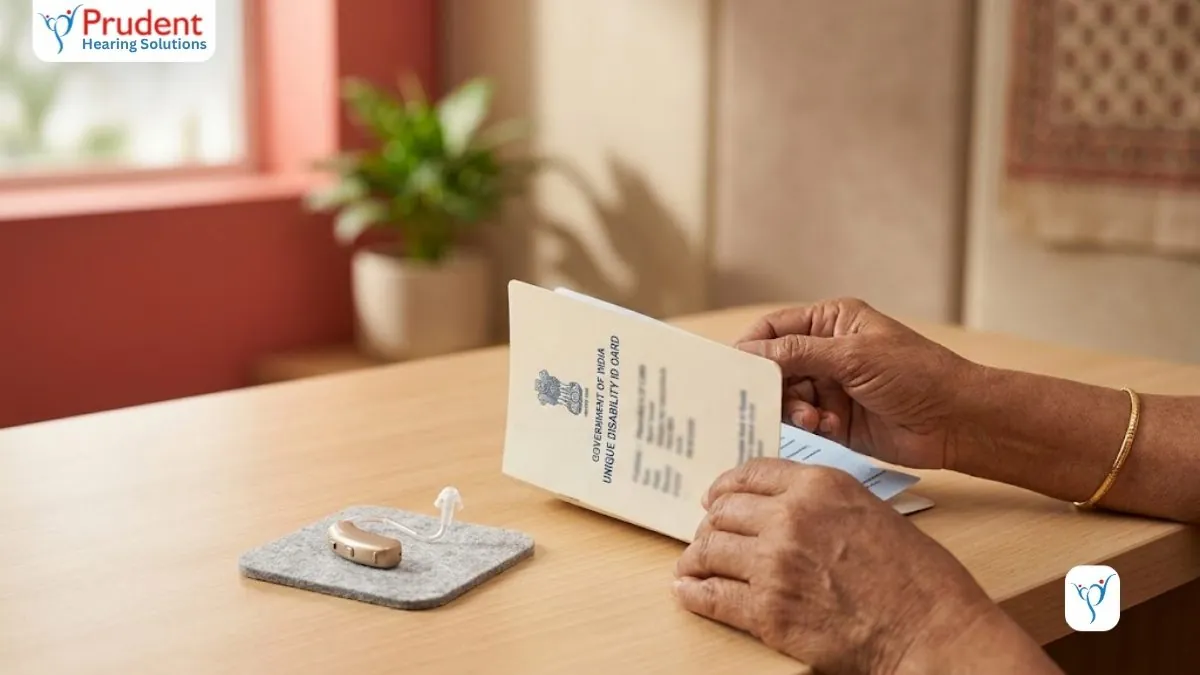
Almost every benefit here hinges on one document: a disability certificate, now linked to the UDID (Unique Disability ID) card. You get it after an assessment by a government medical board, where an ENT specialist and audiologist confirm the degree of hearing loss.
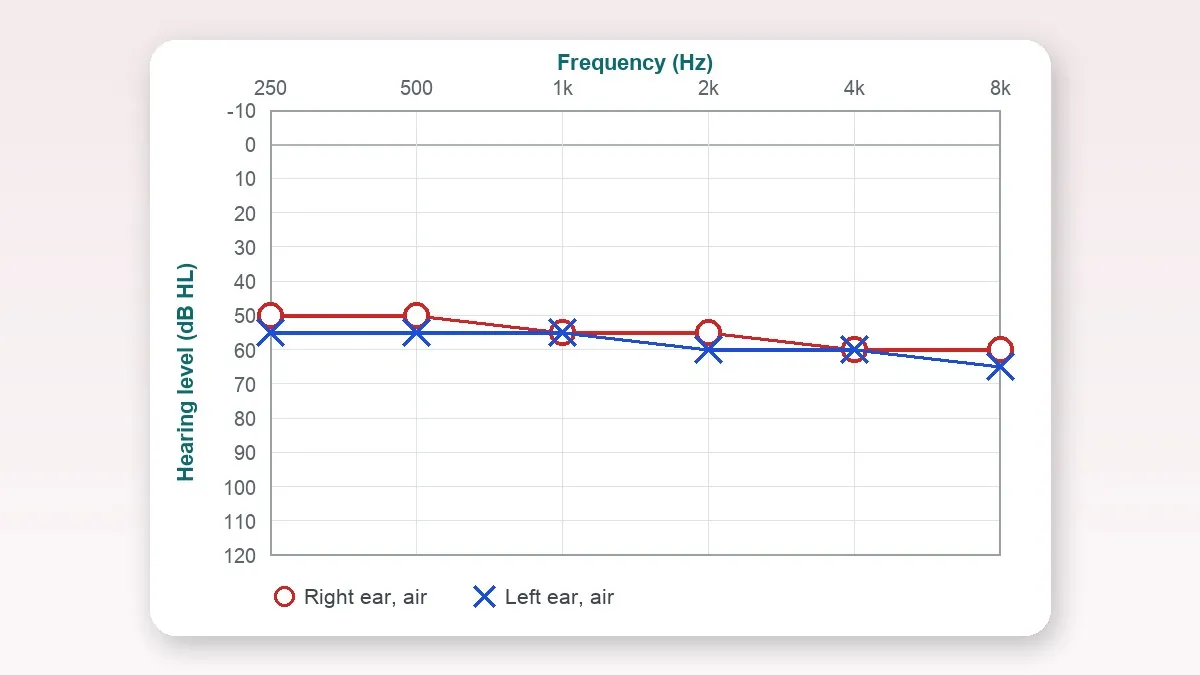
That certificate is the gateway not just to ADIP, but also to income-tax deductions and various state benefits. If you think you or a family member may qualify, getting this assessment done early is one of the most useful steps you can take, and understanding your audiogram beforehand helps you follow what the board is measuring.
CGHS and ESIC for government employees and insured workers
If the person needing a hearing aid is a central-government employee or pensioner covered by CGHS, the scheme reimburses up to ₹30,000 per ear (up to ₹60,000 for both ears, if clinically justified) under the revision of 9 September 2026, after an ENT recommendation and prior approval. The aid must be programmable and rechargeable, with at least 8 channels and a three-year comprehensive warranty.
Similarly, workers insured under ESIC may be entitled to a hearing aid as part of their medical benefits. Both come with their own ceilings, approved-model lists, and paperwork, and these are revised periodically, so if you are covered, ask your CGHS wellness centre or ESIC branch what is currently admissible before you buy anything privately. For central-government beneficiaries, see our full guides to CGHS hearing aid reimbursement and how to get a hearing aid under CGHS, step by step.
Rashtriya Vayoshri Yojana for senior citizens
Seniors aged 60 and above who are below the poverty line, or earn up to ₹15,000 a month, can get a free hearing aid under Rashtriya Vayoshri Yojana, at assessment and distribution camps run with ALIMCO. A Government Medical Officer certifies the hearing impairment, and the aid comes with a year of free maintenance. Our guide to free hearing aids for senior citizens compares RVY, ADIP and CGHS side by side.
Is there GST on hearing aids in India?
No. Hearing aids are GST-exempt in India, meaning they attract 0% GST. This is a deliberate policy to keep an essential assistive device affordable, and it applies to the hearing aid itself. So the price a clinic quotes you for the device is not being inflated by an extra tax slab on top.
Do keep in mind that some accessories, spare parts, or unrelated services can be taxed differently, so if you see GST on an invoice, ask specifically what line item it applies to. But the core device you wear should not carry GST.
Can I claim a tax benefit for buying a hearing aid in India?
Often, yes, but it works through certified disability, not simply through the hearing-aid bill. Two sections of the Income Tax Act matter here. Section 80DD lets a taxpayer claim a deduction when they are supporting a dependent (such as a parent, spouse, or child) who has a certified disability. Section 80U lets the taxpayer claim it for their own certified disability. Both are flat deductions (a fixed amount, with a larger figure allowed for severe disability) rather than a rupee-for-rupee refund of what you spent on the aid.
The practical point is that these deductions depend on holding a valid disability certificate, and the exact amounts and conditions are set by current tax rules, which change. So treat 80DD and 80U as real, worthwhile relief to explore with a certified disability in hand, but confirm the present limits and eligibility with a chartered accountant or the latest Income Tax guidance before you file. Keep your certificate, prescription, and invoices together so the claim is easy to support.
How can I get an affordable or free hearing aid in India?
There are really two paths, and which one applies to you depends mostly on eligibility. If you qualify on income and disability grounds, aim for a free or subsidised aid through a scheme. If you don't qualify, the goal shifts to buying sensibly and spreading the cost, and that is where price bands, trials, and 0% EMI come in.
If you qualify for a scheme: start with the certificate and a camp
Get the disability assessment done and the UDID/certificate in hand, then approach ADIP through your district disability office, a government hospital, or ALIMCO, and ask about assessment and distribution camps near you. Several NGOs and charitable trusts also run hearing-aid drives, often alongside government camps. The models supplied this way are chosen for reliability and value rather than premium features, but for many people they restore a great deal of everyday hearing at little or no cost.
If you don't qualify: plan the purchase smartly
If a scheme is not open to you, it helps to know the rough price range so nothing feels like a surprise. In India, per-device bands generally look like this: entry-level hearing aids around Rs 11,000 to Rs 30,000, mid-range around Rs 35,000 to Rs 80,000, and premium devices from about Rs 1,20,000 to Rs 2,50,000 and above. The right band is decided by your hearing needs and lifestyle, not by picking the cheapest sticker. A quieter, home-based routine has very different requirements from a busy, meeting-heavy one.
To make the cost manageable, the practical route at a private clinic is 0% EMI, which splits the price into equal monthly instalments with no extra interest, so a mid-range pair becomes a monthly figure rather than one large payment. Combine that with a proper trial and fitting before you commit, and you avoid paying for features you don't need. Reading up on realistic hearing aid price bands in India and how EMI works will make the conversation at the clinic much easier.
Where a private clinic like Prudent fits in
It's worth being clear about this: Prudent Hearing Solutions is a private, RCI-registered clinic (established in 2004), not a government scheme provider. We do not distribute ADIP aids, and we sell and fit devices at market price.
What we can do is guide you honestly: help you understand your audiogram, tell you plainly whether you might be better served by pursuing a government scheme, and, when you buy privately, make it affordable through 0% EMI. We fit all major brands (Phonak, Signia, Oticon, Widex, ReSound, Starkey, Unitron), stock batteries and accessories, and handle repairs and servicing.
One honest note about expectations: modern hearing aids manage sensorineural hearing loss very effectively, but they do not cure it. They amplify and clarify sound so you can follow conversations again, rather than repairing the ear. That is true of both scheme-supplied and privately-bought devices, so the aim in either path is well-fitted, comfortable, everyday hearing you will actually keep wearing.
A quick checklist before you buy
- Get a proper hearing test and an audiogram from a qualified audiologist. You need the diagnosis before any scheme or purchase.
- If income and disability may qualify you, pursue the disability certificate and UDID card early; it opens up ADIP, 80DD/80U tax relief, and more.
- Ask your district disability office, a government hospital, or ALIMCO about ADIP camps; ask CGHS/ESIC if you are a covered employee or pensioner.
- Remember hearing aids are 0% GST, so the device price should not carry that tax.
- If buying privately, take a trial, choose the band that fits your needs, and use 0% EMI to spread the cost.
- Confirm all current figures, ceilings, and rules with the relevant office or a chartered accountant before you commit.
"The cheapest hearing aid is the one you'll actually wear every day, whether it comes from a government camp or a monthly EMI. Match the device to your life, not just to the price."
If you're weighing schemes against a private purchase and want a clear, no-pressure starting point, book a free 45-minute hearing test at Prudent. We'll assess your hearing, explain your audiogram in plain language, tell you honestly whether a government route may suit you, and, if you decide to buy, show you the exact options and 0% EMI plan. We have clinics in Pune (Viman Nagar), Delhi (Rohini and Green Park), and Bengaluru (Jayanagar). Book a free hearing test, see hearing aid prices, or call +91 9429690093.
Continue reading
Frequently asked questions
Are there government schemes for purchasing hearing assistance devices in India?
Yes. The main one is the ADIP scheme (Assistance to Disabled Persons), a Government of India programme under which eligible low-income persons with a valid disability certificate can get a hearing aid free or heavily subsidised, usually via ALIMCO, government hospitals, or assessment camps. A disability certificate showing typically 40% or more hearing disability, plus an income within the prescribed ceiling, is required.
Central-government employees and pensioners under CGHS can claim up to ₹30,000 per ear for a qualifying rechargeable aid (2026 revision), and insured workers under ESIC may also have a reimbursement route. Because rules and camps change, confirm current eligibility with your district disability office or ALIMCO.
Is there GST on hearing aids in India?
No. Hearing aids are GST-exempt in India, so they attract 0% GST. This applies to the hearing aid device itself and is meant to keep this essential assistive device affordable. Some accessories or unrelated services may be taxed differently, so check what any GST line on an invoice actually refers to. But the core device you wear should not carry GST.
Can I claim a tax benefit for buying a hearing aid in India?
Often yes, but it works through certified disability rather than the hearing-aid bill alone. Section 80DD allows a deduction when you support a dependent with a certified disability, while Section 80U allows it for your own certified disability. Both are flat deductions, with a larger amount for severe disability, and they require a valid disability certificate. The exact figures and conditions follow current tax rules and change, so verify the present limits with a chartered accountant before filing.
How can I get an affordable or free hearing aid in India?
There are two routes. If you qualify on income and disability grounds, aim for a free or subsidised aid through the ADIP scheme by getting your disability certificate and UDID card and attending a government or NGO camp. If you don't qualify, buy sensibly: know the price bands, take a trial, and spread the cost using 0% EMI at a private clinic. Combining the right band for your needs with EMI keeps a good hearing aid within reach.
Does CGHS pay for hearing aids?
Yes, for central-government employees and pensioners. Under the 9 September 2026 revision, CGHS reimburses up to ₹30,000 per ear (up to ₹60,000 for both ears if clinically justified) after an ENT recommendation and prior approval. The aid must be programmable and rechargeable, with at least 8 channels and a three-year comprehensive warranty.
Sources & further reading
We cross-checked this article against the following authoritative sources. Guidance and figures reflect the most recent public guidance available at the time of last review (October 2026). Clinical review by the Prudent Hearing clinical team.
- ADIP Scheme: aids & appliances for persons with disabilities (Dept. of Empowerment of Persons with Disabilities, Govt. of India)
- Hearing aid reimbursement guidelines and ceiling rates (OM S.11030/76/2026-EHS) (CGHS, Directorate General of Health Services, Ministry of Health & Family Welfare)
- Registered audiologists in India (Rehabilitation Council of India (RCI))
Free consultation
Ready to hear the difference?
Book a free 45-minute hearing test at any Prudent Hearing clinic: no obligation, honest advice, expert audiologists.