Buying a used hearing aid is rarely a good idea. Hearing aids are personal medical devices fitted to one person's hearing loss and ear shape. A second-hand aid may be locked, worn, unhygienic, unsupported or wrongly programmed for you, and usually comes with no warranty.
The direct answer
For most people, no. A hearing aid is set up for one person's hearing loss and one pair of ears. A used aid may not suit your loss, may be worn out, and often cannot be reprogrammed or serviced. There are hygiene risks, and there is usually no warranty. If cost is the concern, there are better options than a second-hand device.
Why used hearing aids are risky
- Wrong prescription: it was tuned to someone else's audiogram. Even if it can be reprogrammed, the power and style may not match your loss.
- Hidden wear: microphones, receivers and batteries degrade, and moisture damage may not be visible.
- Locked or unsupported: some devices are tied to the original clinic's software or are old models the manufacturer no longer supports.
- Hygiene: shells and tubes carry the previous wearer's wax and skin, and earmoulds are custom-made for their ear, not yours.
- No warranty or service: if it fails, you have no recourse.
- Counterfeits and mislabelled 'new' aids sold on marketplaces.
- Delayed treatment: an ill-fitting aid can leave you unimpressed with hearing aids in general.
When someone considers it anyway
If you are offered a used aid by a family member, at minimum have an audiologist check whether the model is suitable, get it professionally cleaned, refit it with a fresh dome or new earmould, and program it to your own hearing test. Even then, it is a compromise.
Better ways to reduce the cost
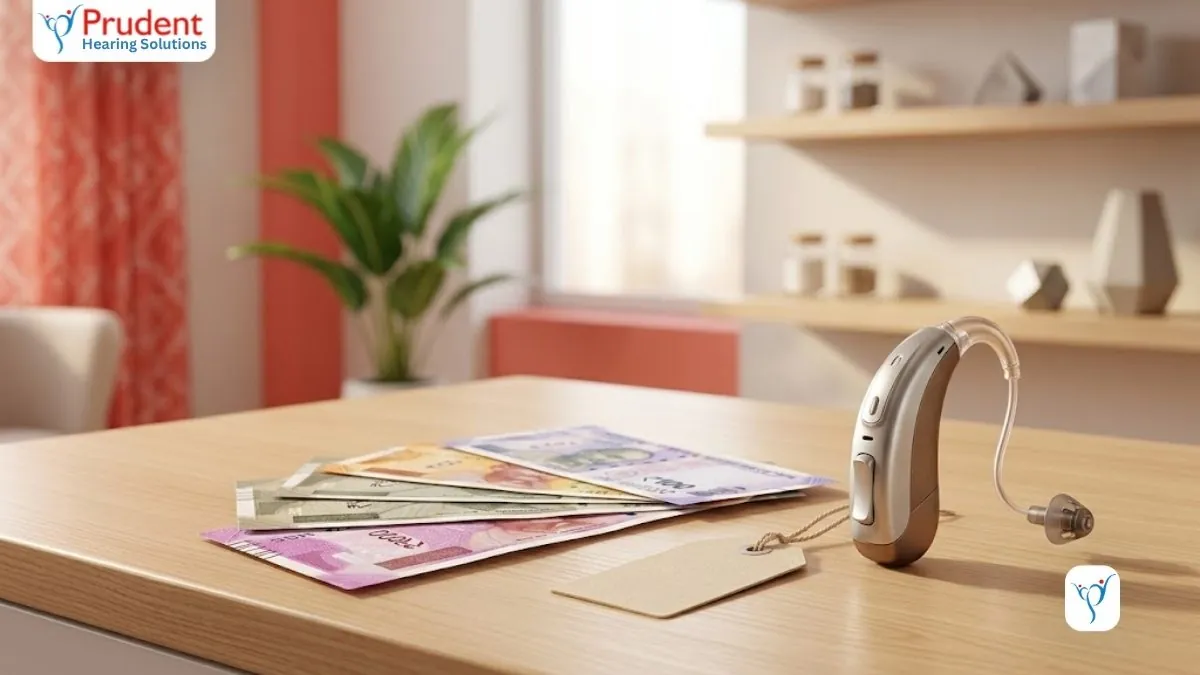
- Government support: the ADIP scheme provides free or subsidised aids for eligible people. See the ADIP scheme and government schemes for hearing aids.
- Tax benefits: see hearing aid tax deduction, 80DD and 80U.
- EMI and finance: see hearing aids on EMI.
- Affordable new options: see the cheapest good hearing aid in India.
- Insurance: see does insurance cover hearing aids.
What to check on any purchase
- It is sold new, by an authorised seller, with an invoice and warranty.
- It is programmed to your audiogram and checked with real-ear measurement.
- There is a trial period and follow-up care. See warranty and after-sales.
Also read buying hearing aids online in India. Not sure what you need? Start with a free hearing test, and we will tell you honestly what would help and what would not.
Frequently asked questions
Is it safe to buy a second-hand hearing aid?
For most people, no. A hearing aid is set up for one person's loss and ears, so a used one may not suit you, may be worn out, often cannot be reprogrammed or serviced, carries hygiene risks and usually has no warranty.
Why are used hearing aids risky?
They were tuned to someone else's audiogram, parts like microphones and receivers wear out, moisture damage can be hidden, some are locked to the original clinic's software, and shells and tubes carry the previous wearer's wax and skin.
What if a family member offers me their old hearing aid?
At a minimum, have an audiologist check the model suits your loss, get it professionally cleaned, fit a new dome or earmould and program it to your own hearing test. Even then it is a compromise.
How else can I reduce the cost of a hearing aid?
Look at the ADIP scheme for free or subsidised aids if you are eligible, 80DD and 80U tax benefits, 0% EMI, and genuine new budget models instead of a second-hand device.
What should I check on any hearing aid purchase?
That it is sold new by an authorised seller with an invoice and warranty, programmed to your audiogram and checked with real-ear measurement, and comes with a trial period and follow-up care.
Free consultation
Ready to hear the difference?
Book a free 45-minute hearing test at any Prudent Hearing clinic: no obligation, honest advice, expert audiologists.