Educational information, not medical advice. This article is written to help you understand common ear and hearing issues. It is not a substitute for professional diagnosis or treatment. If your symptoms are severe, sudden, or persistent, please consult a qualified doctor or audiologist. For urgent symptoms (sudden hearing loss, bleeding from the ear, severe pain with dizziness, or a head injury), seek medical care the same day.
Cold weather can drain batteries faster, cause condensation when you move between cold and warm rooms, and make caps, scarves and mufflers pull aids off. Keep spares warm, store aids dry, secure them under headwear and watch for ear infections and blocked ears in winter colds.
The direct answer
Winter does not damage hearing aids, but it makes them harder to look after. Cold reduces battery performance, moving between cold outdoors and warm indoors creates condensation, and winter clothing can knock aids off. A few small habits keep them working, and they matter most in Delhi and northern India, where winters are sharper.
Battery and charging
- Cold slows batteries, so disposable and rechargeable cells may run down faster outdoors. See hearing aid batteries guide and why hearing aid batteries drain fast.
- Keep spare batteries in a warm inner pocket, not a cold bag.
- Charge rechargeable aids fully overnight and carry a power bank for long days out.
- If a battery seems dead in the cold, warming it in your hands may restore it briefly.
Condensation and moisture
- Walking from cold air into a warm room can leave moisture inside the aid and tubing.
- Let the aids warm up gradually, and wipe them dry.
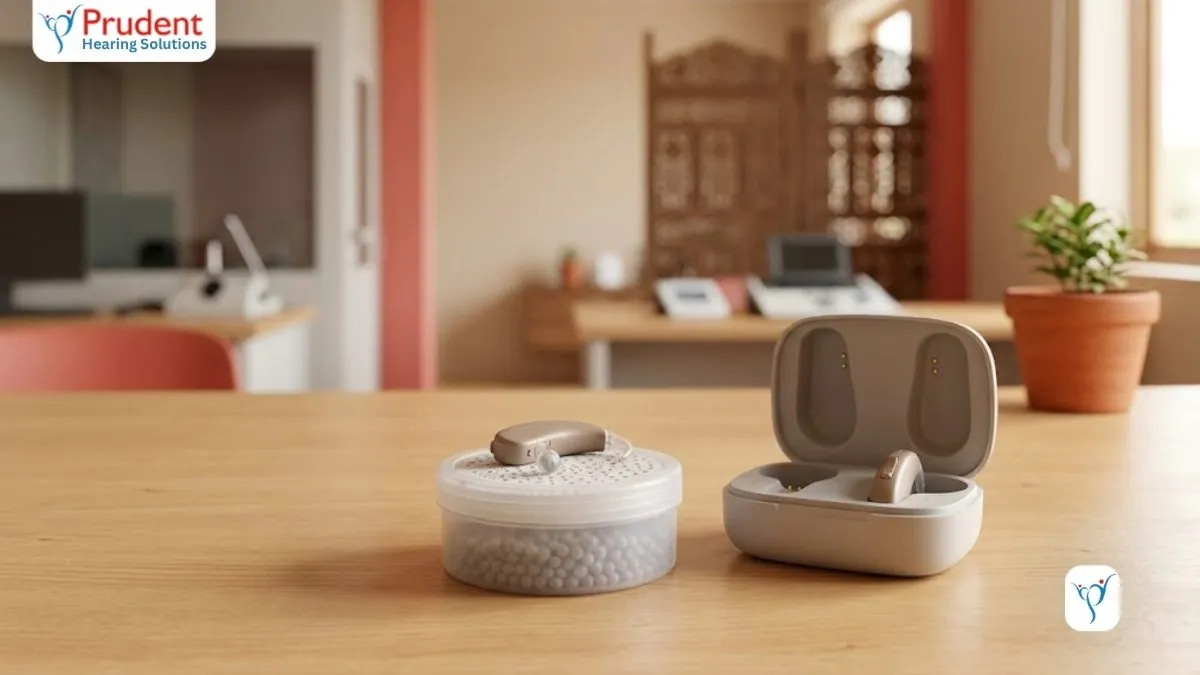
- Store them overnight in a dry-aid box or with drying capsules. See hearing aid care in the monsoon, which applies to any damp season.
- Open the battery door at night so moisture can escape.
Caps, scarves and mufflers
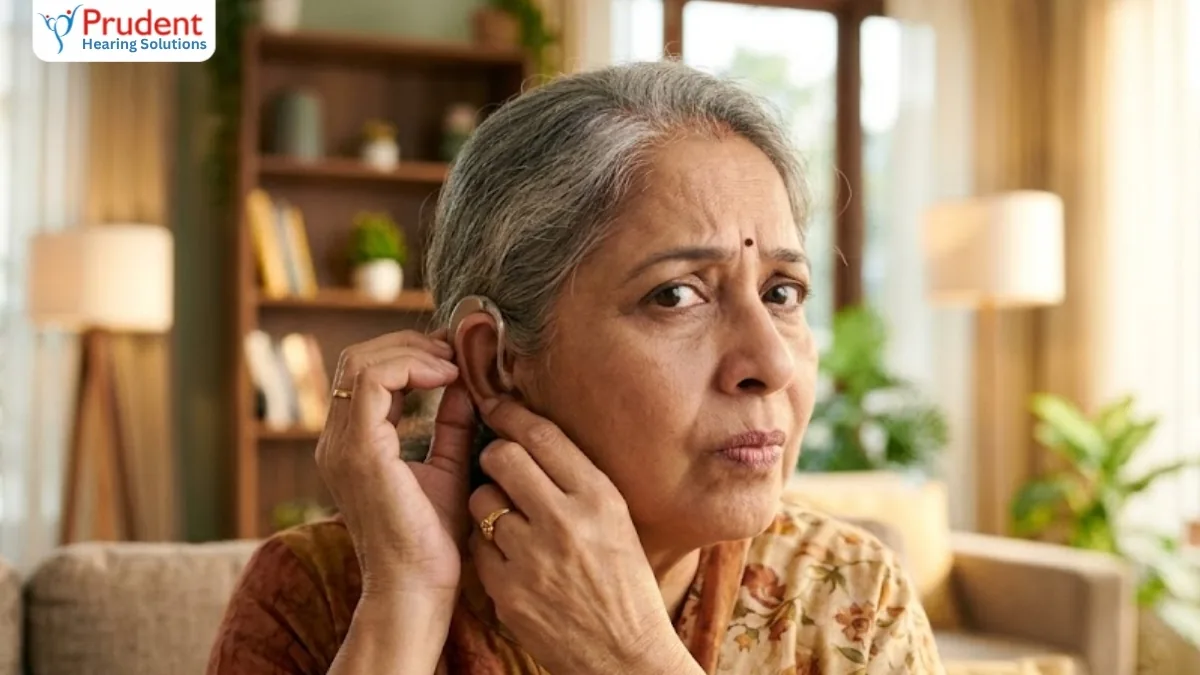
- Woollen caps, scarves, hoods and helmets can catch the aid and pull it out. Put on headwear carefully and check your aids afterwards.
- Take the aid out before removing a tight sweater or hood, or remove headwear slowly.
- Consider a retention cord or clip if you keep losing them.
- Wind noise is worse on cold, windy days. Ask about a wind-noise setting.
Winter colds, blocked ears and infections
- Colds and sinus problems can block the ears and muffle hearing. See allergies, sinus problems and blocked ears and ear pain and blocked ear due to a cold.
- Do not wear aids if you have ear pain or discharge. See a doctor. See can hearing aids cause ear infections.
- In Delhi's smog season, air pollution can irritate the nose and ears. See smog season and your ears.
Winter checklist
- Fresh batteries or a fully charged pair, plus a spare.
- A dry-aid box and cleaning brush.
- A service check before winter starts. See hearing aid repair and servicing.
- Warm storage for your aids when not in use.
Book a pre-winter check at our Delhi, Pune or Bengaluru clinics, or arrange a home visit. If you have not had your hearing tested recently, book a free hearing test.
Frequently asked questions
Does cold weather affect hearing aids?
Winter does not damage them, but it makes them harder to look after. Cold reduces battery performance, moving between cold and warm rooms causes condensation, and winter clothing can knock aids off.
Why do hearing aid batteries run down faster in winter?
Cold slows both disposable and rechargeable cells. Keep spare batteries in a warm inner pocket, charge rechargeable aids fully overnight and carry a power bank for long days out.
How do I stop condensation in my hearing aids in winter?
Let the aids warm up gradually when you come indoors, wipe them dry, store them overnight in a dry-aid box or with drying capsules, and open the battery door at night.
How do I stop caps and scarves pulling my hearing aids off?
Put headwear on and take it off slowly, remove the aid before pulling off a tight sweater or hood, and use a retention cord or clip if you keep losing them. Ask about a wind-noise setting for windy days.
Should I wear hearing aids with a winter cold?
Colds can block the ears and muffle hearing. Do not wear the aids if you have ear pain or discharge, and see a doctor.
Free consultation
Ready to hear the difference?
Book a free 45-minute hearing test at any Prudent Hearing clinic: no obligation, honest advice, expert audiologists.