Educational information, not medical advice. This article is written to help you understand common ear and hearing issues. It is not a substitute for professional diagnosis or treatment. If your symptoms are severe, sudden, or persistent, please consult a qualified doctor or audiologist. For urgent symptoms (sudden hearing loss, bleeding from the ear, severe pain with dizziness, or a head injury), seek medical care the same day.
Custom ear plugs are moulded to your own ear from a quick impression, so they seal better, feel comfortable for hours, and last for years. Learn the types by use: noise and industrial, musicians' filtered plugs, swim plugs, sleep plugs and motorcyclist plugs, how they are made, and why they beat foam. Ear plugs protect your hearing, they do not treat existing loss. Prudent takes ear impressions.
Custom ear plugs are hearing protectors moulded to the exact shape of your own ear canal, made from a quick ear impression the same way a hearing aid earmould is. They fit better than foam, seal more reliably, feel comfortable for hours, and last for years because you clean and reuse them. There are different types for different jobs: heavy noise protection for factory floors, shooting or loud events, musicians' plugs that lower the volume evenly so music and speech stay clear instead of muffled, swim plugs that keep water out, sleep plugs for snoring and traffic, and plugs made for motorcyclists. One thing to hold on to before you read further: ear plugs protect your hearing and help prevent noise-induced hearing loss, but they do not treat or cure a loss you already have.
What makes a custom ear plug different from foam
A foam plug is a single generic shape that you roll, push in, and hope stays put while it expands. It is cheap, easy to find, and useful in a pinch, but it fits nobody's ear exactly. It often works loose, sits too shallow, or presses uncomfortably, and once it is grubby you throw it away. In practice most foam plugs are close to single-use, and a plug that has slipped loose is barely protecting you at all.
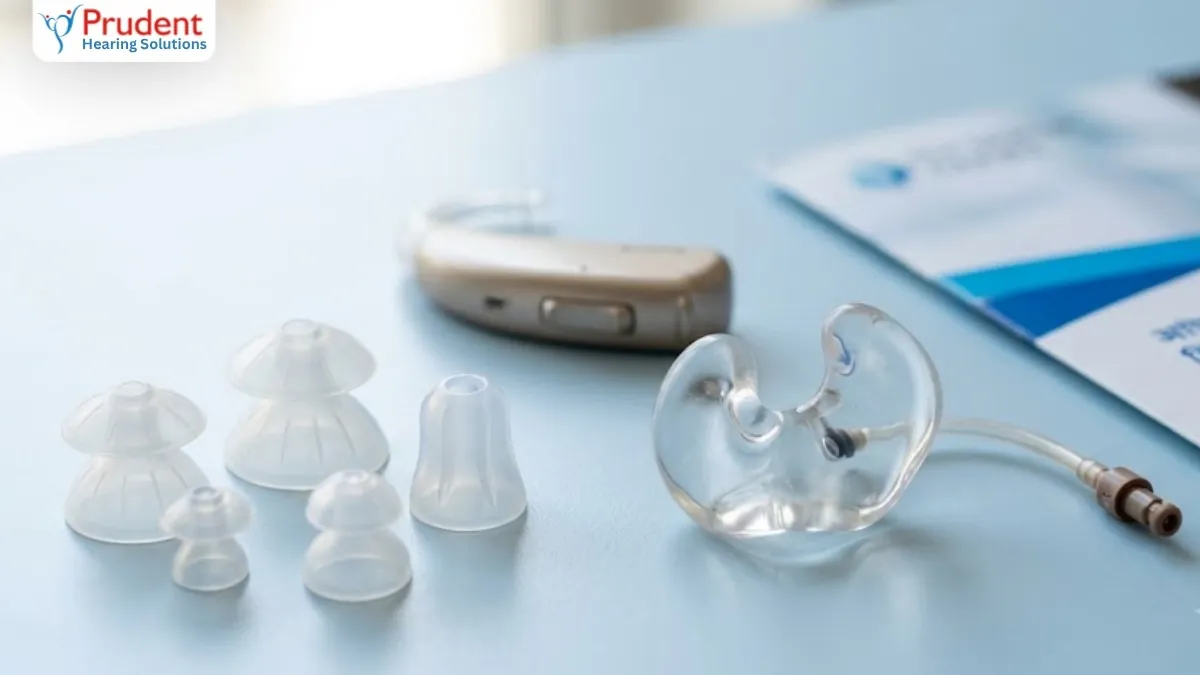
A custom plug is built from a mould of your ear, so it follows every curve of your canal. That gives you a proper seal without having to jam anything in, comfort you can wear all shift or all night, and a reusable device made of soft medical silicone that you wipe clean and keep. The fit is the whole point: protection only works when the seal is real, and a plug shaped to your ear seals the same way every time you put it in.
The main types, by what you need them for
Custom plugs are not one product. The shell is moulded to your ear either way, but what goes inside, solid silicone or a specific filter, is chosen for the job. Here are the common ones.
Noise and industrial protection
For factory workers, machine operators, generator rooms, shooting ranges and loud events, the goal is a strong, dependable seal that cuts harmful noise for long stretches. Solid custom plugs do this comfortably enough to wear through a full shift, which matters, because the protection that actually gets worn is the protection that works. If your work or your hobby puts you around loud sound regularly, this is squarely about protecting the hearing you have. Our guide on how to prevent hearing loss explains why steady noise exposure adds up over the years, and how noise-induced hearing loss happens covers the damage plugs are there to stop.
Musicians' plugs
Ordinary foam makes everything sound muffled: it kills the high frequencies far more than the low ones, so music turns dull and voices go woolly. Musicians' plugs use a special acoustic filter that lowers the volume evenly across the range, what audiologists call flat or even attenuation. The result is quieter but still clear. Music keeps its balance and speech stays intelligible, just at a safer level. They suit performers, DJs, sound engineers, bar and restaurant staff, and anyone who needs to hear accurately while protecting their ears.
Swimmers' plugs
Swim plugs are made to keep water out of the ear canal. Keeping the canal dry helps prevent swimmer's ear, an outer-ear infection called otitis externa that thrives in a warm, wet canal. They are useful for regular swimmers, children with grommets or a history of ear infections, and anyone who surfs or spends time in the water. If you have had that itchy, sore, weepy outer-ear infection before, our article on swimmer's ear and how to avoid it is worth reading alongside this.
Sleep plugs
Sleep plugs are soft, low-profile custom plugs shaped to sit flush so you can lie on your side without them digging in. They take the edge off a snoring partner, traffic outside the window, an early-morning street or noisy neighbours, so you can actually fall and stay asleep. Because they are moulded to you, they stay put through the night instead of falling out the way foam tends to.
Motorcyclists
Riders often do not realise that the loudest thing on a long ride is not the engine, it is wind noise rushing past the helmet. At highway speeds that noise is high enough to damage hearing over time. Custom plugs made for riders cut that roar while still letting you hear the horn, the traffic and your own engine. For daily commuters on Indian roads, they make long rides far less tiring as well.
How custom ear plugs are made
The process is simple and quick, and it is the same one we use for hearing aid earmoulds. It runs like this.
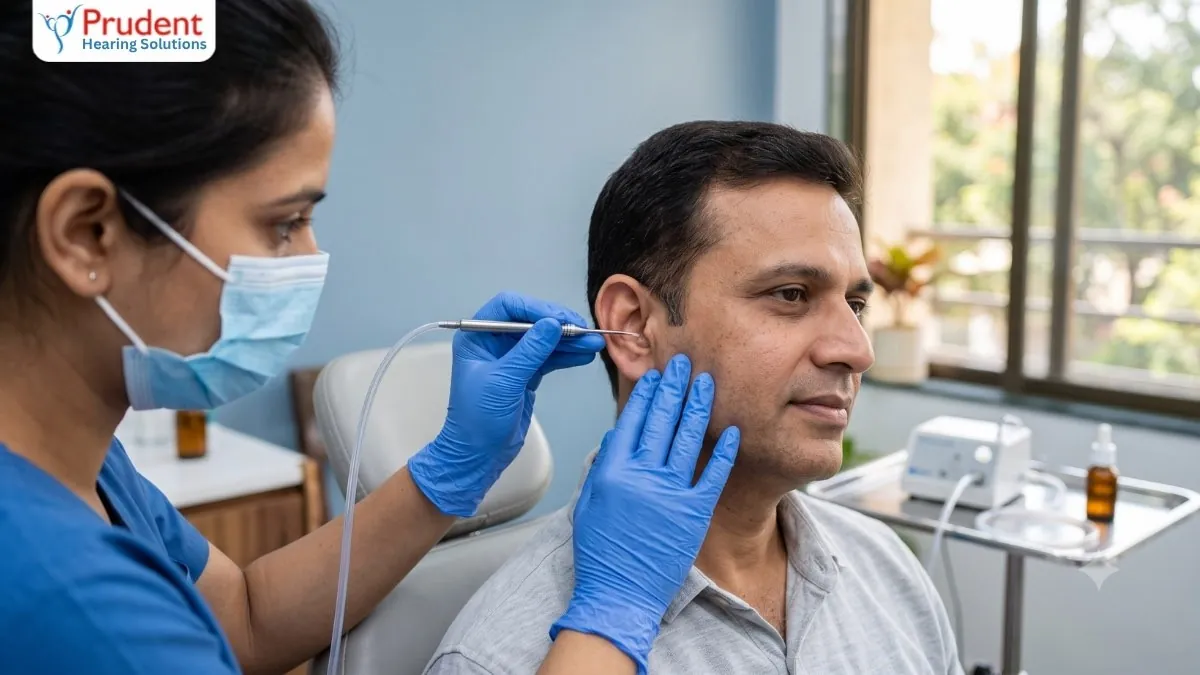
- First we check your ears. A quick look makes sure the canal is clear of wax and healthy before we take anything.
- Then we take the ear impression. A soft putty-like material is placed gently into the ear and left for a few minutes to set. It is painless and takes only a short while.
- The set impression goes to a lab, where your plugs are made to that exact shape, in the type and filter you have chosen.
- They come back as soft, reusable silicone plugs moulded to your ear, ready to fit and check. We make sure the seal is right and show you how to insert, remove and clean them.
Because the impression is the foundation of the fit, it is worth having it done properly. The same skill that produces a good earmould produces a good plug, and our explainer on ear moulds versus domes shows why a well-taken impression matters so much.
Why custom plugs beat foam
- Better fit. Moulded to your canal, so the seal is consistent every time and does not work loose.
- Comfort. You can wear them for a full shift, a whole night, or a long ride without soreness.
- Reusable. Soft silicone you clean and keep for years, rather than a plug you bin after one use.
- The right amount of sound reduction. With musicians' filters you get even attenuation, so sound is quieter but still clear, not muffled.
- Made for the job. Noise, music, water, sleep and riding each get a shell and, where needed, a filter suited to that use.
"The best hearing protection is the pair you actually wear. Foam that itches, slips or muffles everything ends up in a pocket, while a plug shaped to your own ear stays comfortable enough that you keep it in, and that is what protects your hearing over a lifetime."
When to choose which
Match the plug to the exposure. If you spend long hours around heavy, steady noise at work or a range, go for solid noise plugs. If you play, perform or work in loud music, musicians' filtered plugs keep the sound clear. If you swim often or get repeated ear infections, choose swim plugs. If sleep is the problem, sleep plugs. If you ride regularly, rider plugs. Occasional, one-off exposure, a single loud event you will never repeat, is the one case where a foam pair is a reasonable stopgap. For anything regular, custom plugs are the better long-term choice on comfort, fit and value.
Protection, not treatment
This is the point to be clear about. Ear plugs are hearing protection. They help prevent noise-induced hearing loss by keeping harmful sound out. They do not restore or treat hearing you have already lost. If you are already struggling to follow conversations, asking people to repeat themselves, or turning the TV up, that is a reason to get your hearing checked, not to reach for plugs. Our list of signs you may need a hearing test can help you tell the difference. And if wax is part of the picture, please avoid cotton buds and see our guide on how to clean your ears safely at home.
What to do next
If you want plugs made for your ears, book a visit at any Prudent clinic. We take the ear impression, help you pick the right type and filter for how you will use them, and arrange the plugs from the lab. It is the same trusted process we use for hearing aid earmoulds, handled by RCI-registered audiologists. You can see everything we offer on our services page or get in touch to arrange an appointment. We have clinics in Pune, Delhi and Bengaluru, and home visits are available.
And if you have any worry about how well you are hearing, not just protecting your ears, a free 45-minute hearing test is the right first step. Protect the hearing you have, and check the hearing you use. Prudent Hearing Solutions
Continue reading
Frequently asked questions
Are custom ear plugs better than foam ear plugs?
For anything you do regularly, yes. Foam plugs are cheap and fine for a one-off, but they fit nobody exactly, work loose, muffle sound unevenly and are basically single-use. Custom plugs are moulded to your ear canal, so they seal reliably, stay comfortable for hours, and are reusable soft silicone that lasts for years. They also come with the right filter for noise, music, swimming, sleep or riding, so you get the correct amount of sound reduction for the job.
How are custom ear plugs made?
They start with a quick ear impression at the clinic, the same process used for hearing aid earmoulds. We check your ears are clear, then place a soft putty-like material gently in the canal and let it set for a few minutes. It is painless. That impression goes to a lab, which makes plugs to your exact shape in the type and filter you chose. They come back as soft, reusable silicone plugs, and we check the seal and show you how to insert and clean them.
Do musicians' ear plugs make music sound muffled?
No, and that is the whole point of them. Ordinary foam cuts the high frequencies far more than the low ones, so music turns dull and voices go woolly. Musicians' plugs use a special acoustic filter that lowers the volume evenly across the range, giving flat or even attenuation. Sound is quieter but still clear and balanced, so you can still hear music and speech accurately while protecting your ears. They suit performers, DJs, sound engineers and hospitality staff.
Do swimmers' ear plugs prevent swimmer's ear?
They help. Swim plugs are made to keep water out of the ear canal, and a dry canal is far less likely to develop swimmer's ear, an outer-ear infection called otitis externa that thrives in a warm, wet ear. They are especially useful for regular swimmers, children with grommets, and anyone with a history of ear infections. They reduce risk rather than guarantee against it, so still dry your ears gently after swimming and see a professional if pain or discharge appears.
Can ear plugs treat or cure my hearing loss?
No. Ear plugs are hearing protection, not a treatment. They help prevent noise-induced hearing loss by keeping harmful sound out, but they cannot restore or treat hearing you have already lost. If you are struggling to follow conversations, asking people to repeat themselves, or turning the TV up, that points to a possible hearing loss and calls for a hearing test, not plugs. A test tells you what is happening, and hearing aids, if needed, manage a loss rather than plugs.
Does Prudent take ear impressions for custom plugs?
Yes. Our RCI-registered audiologists take ear impressions and can supply custom plugs for noise, music, swimming, sleep and motorcycling, using the same trusted process as hearing aid earmoulds. We check your ears first, take the impression, help you choose the right type and filter, and arrange the plugs from the lab. We have clinics in Pune, Delhi and Bengaluru, and home visits are available. Call us or use the contact page to book a visit.
How long do custom ear plugs last and how do I care for them?
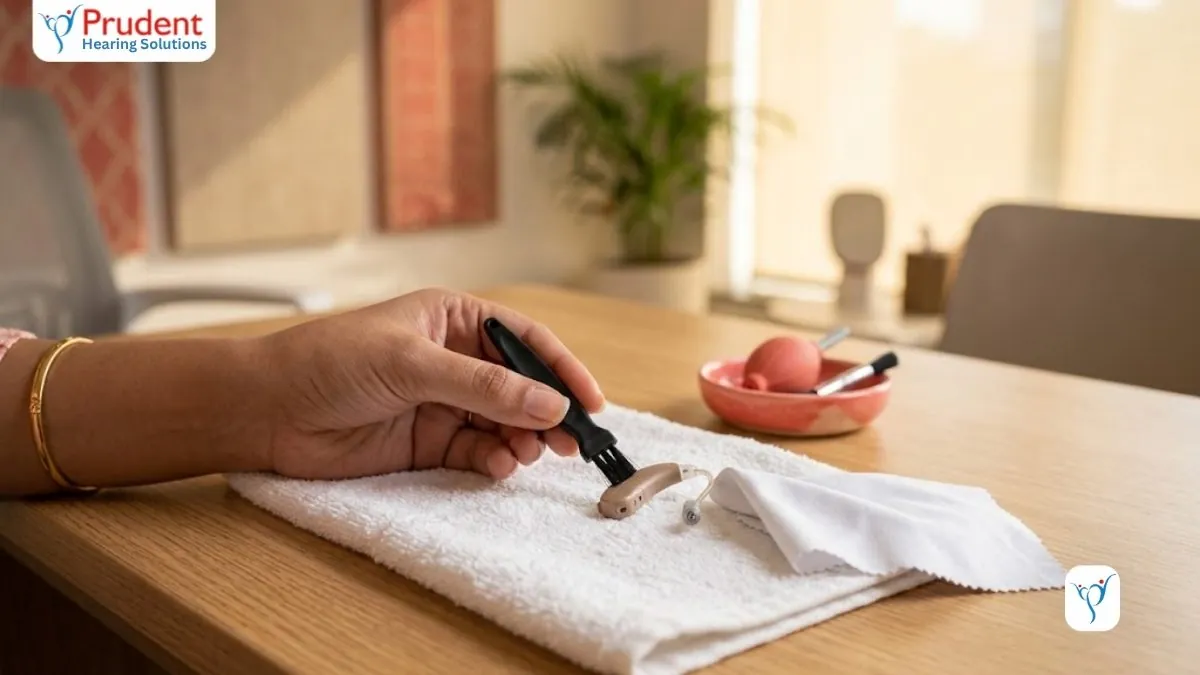
Because they are made of soft, durable medical silicone and moulded to your ear, custom plugs are reusable and last for years with reasonable care. Wipe them clean after use, let them dry fully before storing, and keep them in their case away from heat. Check them now and then for cracks or wear. If your ear shape changes noticeably or the seal stops feeling snug, come in and we can check the fit and remake them if needed.
Free consultation
Ready to hear the difference?
Book a free 45-minute hearing test at any Prudent Hearing clinic: no obligation, honest advice, expert audiologists.