Educational information, not medical advice. This article is written to help you understand common ear and hearing issues. It is not a substitute for professional diagnosis or treatment. If your symptoms are severe, sudden, or persistent, please consult a qualified doctor or audiologist. For urgent symptoms (sudden hearing loss, bleeding from the ear, severe pain with dizziness, or a head injury), seek medical care the same day.
The part of a hearing aid that sits in your ear is either a soft ready-made dome or a custom-made ear mould. Which one suits you, what taking an ear impression involves, and how to keep both clean.
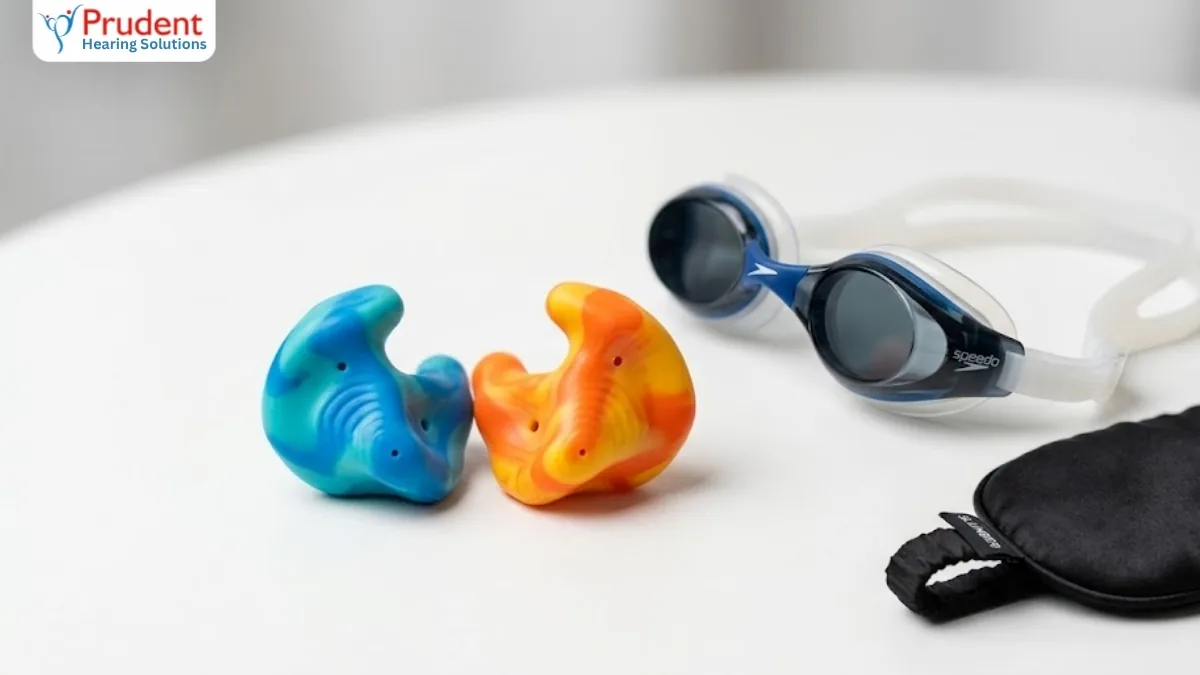
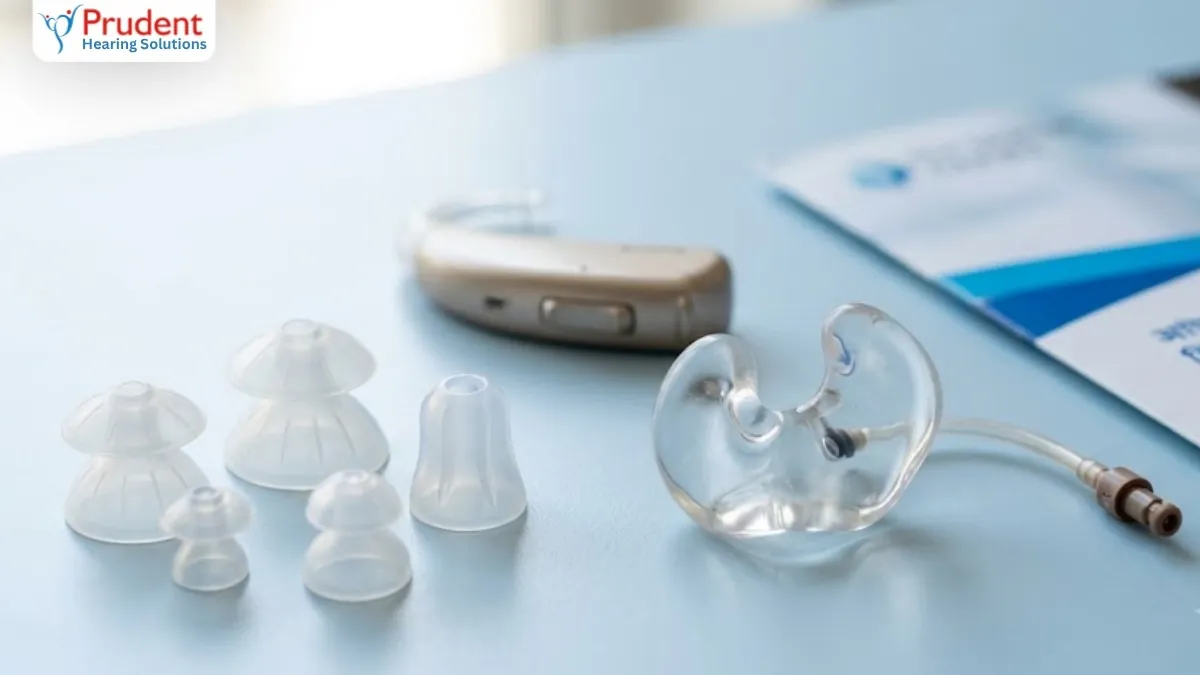
The tip of a hearing aid that sits in your ear is either a dome or an ear mould. A dome is a soft, ready-made silicone tip that clicks onto the receiver and comes in a few standard sizes. An ear mould is made to the exact shape of your ear canal from an impression. Domes suit mild to moderate loss and are quick and comfortable; custom moulds suit stronger loss, ears that whistle with a dome, or anyone who needs a secure, sealed fit.
Dome vs ear mould: the difference
- Dome: soft, disposable, ready-made in sizes; fitted the same day; lets more natural sound in; best for mild to moderate loss.
- Ear mould: custom-made from an impression of your ear; sits securely; seals the canal to deliver more power without whistling; best for moderate to profound loss and for children.
When a dome is enough, and when you need a custom mould
For a mild or moderate loss, an open or closed dome is usually all you need, and it can be fitted the day you buy. You are more likely to need a custom mould when the loss is more severe and the aid has to deliver real power, when a dome keeps whistling because sound leaks back to the microphone (feedback), when the aid will not stay in comfortably, or for a young child whose fit has to be exact and safe.
Feedback and retention problems are the two reasons people most often switch from a dome to a mould. If your loss is on the stronger side, our BTE hearing aids guide explains why the behind-the-ear form usually pairs with a mould.
The ear-impression process: what to expect
Making a custom mould starts with an ear impression, and it is quick and painless. The audiologist first checks your ear canal, places a small soft block partway in to protect the eardrum, then injects a soft putty that sets in a few minutes.
It feels full for a moment, not sore. The set impression is sent to the manufacturer and your mould is ready in about a week. Children need the impression, and the mould, remade regularly because their ears keep growing, which is a normal part of paediatric fitting, not a fault.
Types of dome, in plain terms
- Open dome: has vents, lets natural low-pitch sound through, best for mild high-pitch loss; least likely to make your own voice sound boomy.
- Closed or tulip dome: seals a little more for a bit more power and bass, a common middle choice.
- Power or double dome: seals the most for stronger loss, and reduces whistling.
- Custom mould: the sealed, made-to-measure option when a dome is not enough.
Caring for domes and moulds
Whatever sits in your ear collects wax and moisture, and that is the usual cause of a hearing aid sounding muffled or dead. A quick routine keeps them working.
- Wipe the dome or mould with a dry tissue or cloth every night; never use water or alcohol on the aid itself.
- Change the wax filter when speech sounds muffled, and brush the opening with the supplied brush.
- For custom moulds with tubing, your audiologist can detach and wash the mould; do not pull tubing off yourself unless shown how.
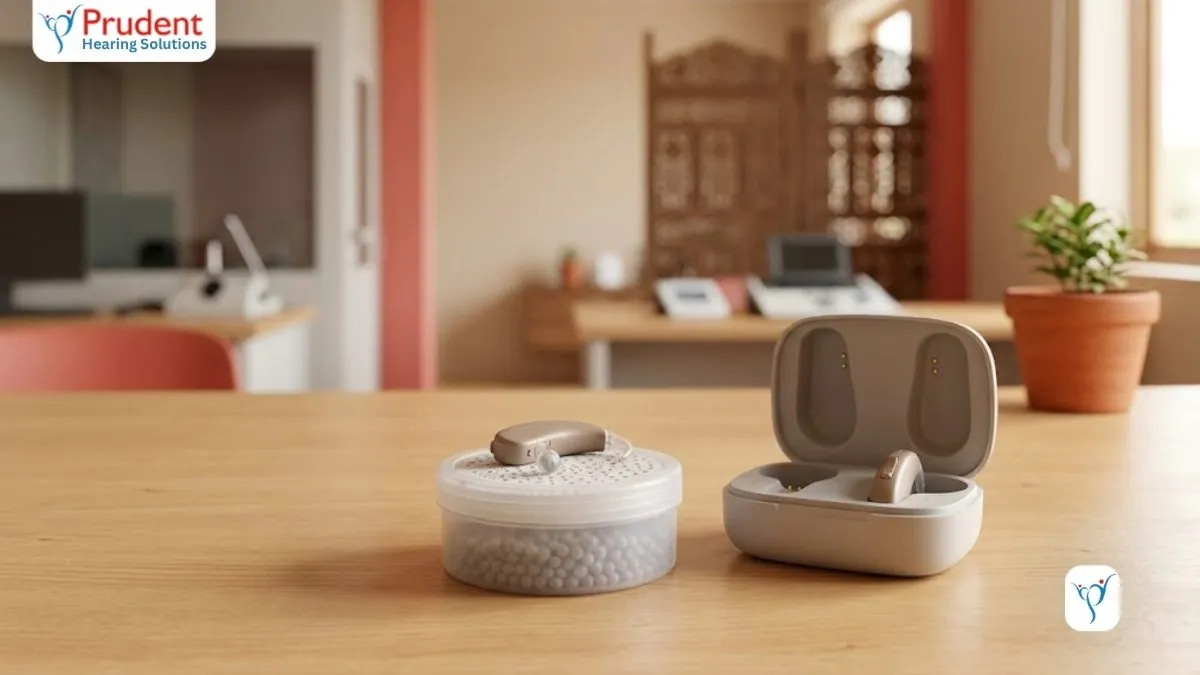
- In the monsoon, park the aids in a dry-aid kit overnight; see caring for hearing aids in the monsoon.
Replacing domes and moulds
Domes are disposable and should be replaced every one to three months, or sooner if they tear or harden. Custom moulds last longer but are remade when they no longer fit, when the material hardens, or, for children, as the ear grows. Bring the aids to any Prudent Hearing clinic and we will check the fit, change domes or filters, and re-take an impression if a mould needs remaking. General upkeep is covered in how to clean and maintain hearing aids.
Not sure whether a dome or a custom mould suits your ears? It is decided at the fitting, after your hearing test. Prudent Hearing Solutions fits both across our clinics in Pune, Delhi and Bengaluru, with free lifetime servicing. Call +91 9429690093 or WhatsApp +91 8485096505, or book a free hearing test.
Continue reading
- How to Change Hearing Aid Domes & Wax Filters (Step by Step)
- Ear Mould Remaking for Hearing Aids
- why children use custom earmoulds
- the BTE hearing aid guide
- what a fitting and trial involves
- how to clean and maintain hearing aids
- caring for hearing aids in the monsoon
- BTE vs in-the-ear styles compared
- tips for new hearing aid users
Frequently asked questions
What is the difference between a hearing aid dome and an ear mould?
A dome is a soft, ready-made silicone tip in standard sizes that clicks onto the aid and can be fitted the same day. An ear mould is custom-made to the exact shape of your ear canal from an impression. Domes suit mild to moderate loss; custom moulds suit stronger loss, ears that whistle with a dome, and children who need an exact fit.
Does taking an ear impression hurt?
No. The audiologist places a small soft block to protect the eardrum, then injects a soft putty that sets in a few minutes. It feels full for a moment but is not painful, and the whole process takes only a few minutes.
Which dome is best, open or closed?
It depends on your hearing loss. Open domes let natural low-pitch sound through and suit mild high-pitch loss with the least effect on your own voice. Closed, tulip and power domes seal more for extra power and less whistling, which suits more moderate loss. Your audiologist matches the dome to your audiogram.
How often should I replace hearing aid domes?
Replace domes every one to three months, or sooner if they tear, harden or will not stay clean. Custom ear moulds last much longer and are remade only when they stop fitting or the material hardens; for children they are remade regularly as the ear grows.
Why does my hearing aid whistle with a dome?
Whistling, called feedback, usually means sound is leaking back out of the ear and into the microphone, often because the dome is too small, worn, or not sealing. A larger or more closed dome, or switching to a custom mould, usually solves it. Have it checked rather than turning the volume down.
Do children need ear moulds?
Yes, usually. Children are fitted with custom moulds for a secure, safe seal, and the moulds are remade regularly because their ears keep growing. This is a normal, expected part of paediatric hearing-aid fitting.
Free consultation
Ready to hear the difference?
Book a free 45-minute hearing test at any Prudent Hearing clinic: no obligation, honest advice, expert audiologists.