A hearing aid battery should last 5–14 days depending on size and usage. If yours is dying in one to three days, the most common causes are Bluetooth streaming, high humidity, a partially drained battery at purchase, or a microphone or receiver fault. Here is how to diagnose and fix each.
How long should a hearing aid battery last?
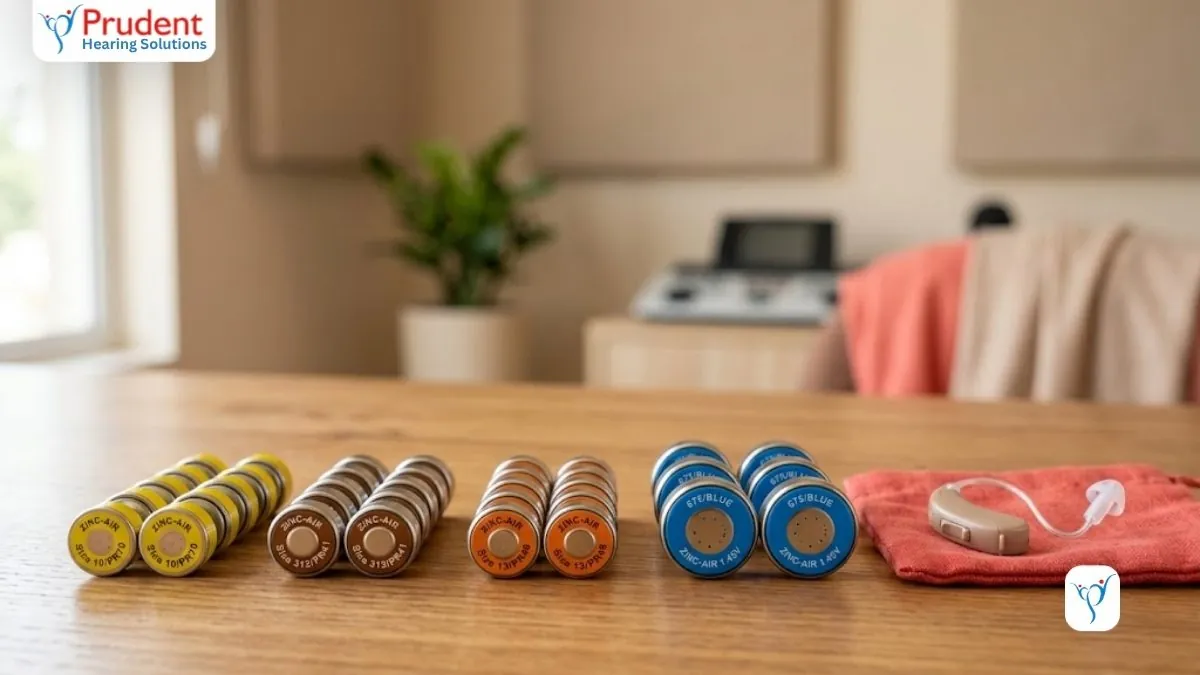
Expected battery life varies by battery size and how heavily the aid is used:
- Size 10 (yellow tab): 3–7 days
- Size 312 (brown tab): 5–10 days
- Size 13 (orange tab): 7–14 days
- Size 675 (blue tab): 9–20 days
These are baseline figures for a hearing aid running standard amplification for 12–16 hours a day. Streaming audio via Bluetooth, running in a noisy environment program, or using features like tinnitus masking can reduce life by 20–30%. If your battery is dying in one to two days, something is wrong.
8 reasons your hearing aid battery is draining fast
1. Bluetooth streaming is on continuously
Streaming audio from a phone, TV adaptor, or remote microphone is the single biggest battery drain beyond basic amplification. If you stream music or calls for several hours a day, factor that into your expected battery life. Some aids let you reduce Bluetooth polling frequency when not streaming: ask your audiologist.
2. You are storing batteries in high-humidity conditions
Zinc-air batteries activate the moment the orange tab is pulled, and humidity degrades them even inside the packet. In India's monsoon months, storing batteries in the bathroom, kitchen, or a handbag exposed to heat and moisture can drain 20–40% of capacity before you even install them. Store batteries in a cool, dry drawer, and buy in smaller quantities rather than large bulk packs.
3. You are not waiting 30 seconds after pulling the tab
Zinc-air batteries need oxygen to activate. Pull the orange tab, wait 30–60 seconds before inserting the battery into the aid. Inserting immediately, before oxygen has fully activated the cell, reduces capacity and shortens life noticeably.
4. The battery is counterfeit or old stock
The grey market in India supplies counterfeit and old-stock batteries that look identical to genuine ones but hold a fraction of the charge. Stick to authorised distributors (Duracell, Rayovac, Power One, Energizer are the main brands) and check the expiry date: any battery expiring within six months of purchase should be viewed with suspicion.
5. The battery door is not fully open at night
Leaving the battery door partially closed still allows current to flow. Open the door fully when you remove the aids at night. This also lets moisture escape the battery compartment, preventing corrosion.
6. A microphone or receiver fault is drawing extra current
A component fault, particularly a shorted receiver (speaker), can draw much more current than normal. If battery life drops suddenly on an aid that was previously fine, and changing to a fresh battery brand does not help, bring the aid in for inspection. This often shows up in the aid's internal diagnostics.
7. Your programming requires high gain
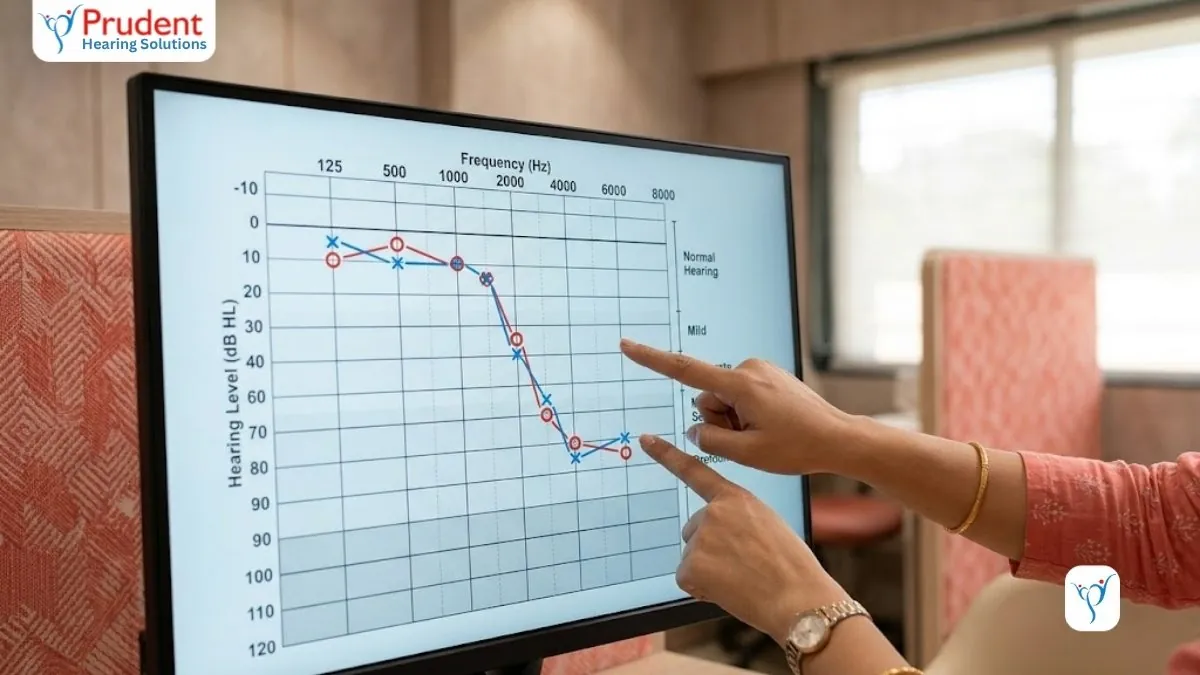
Significant high-frequency hearing loss requires high gain at those frequencies, which draws more power than a mild-loss prescription. People with severe loss typically get shorter battery life than people with mild loss on the same hardware. This is not a fault: it is physics.
8. You are running a tinnitus masking program
Tinnitus masking generates a continuous low-level sound that runs in addition to the amplification program. It is useful but adds meaningful load to the battery. If you only need masking at certain times (bedtime, quiet evenings), switching it off during the day extends life.
Quick checklist to extend battery life
- Wait 30–60 seconds after pulling the tab before inserting
- Open the battery door fully overnight
- Store batteries in a sealed container in a cool, dry place, not the bathroom
- Buy from authorised dealers only; check expiry dates
- Reduce Bluetooth polling or streaming when not actively using it
- Ask your audiologist to check for component faults if the change is sudden
- For rechargeable aids: charge every night, clean the charging contacts weekly
If battery life is still abnormally short after trying the above, bring your aid in for a professional inspection. Prudent's audiologists can run diagnostics and check for hardware faults during a service visit.
Continue reading
Frequently asked questions
How long should a hearing aid battery last?
It depends on size and use: size 10 lasts about 3 to 7 days, size 312 about 5 to 10 days, size 13 about 7 to 14 days and size 675 about 9 to 20 days.
Why does Bluetooth drain my hearing aid battery?
Streaming calls, music or TV is the biggest drain beyond normal amplification. If you stream for several hours a day, expect shorter battery life, and ask your audiologist whether your aid can reduce Bluetooth activity when you are not streaming.
Should I wait after pulling the battery tab?
Yes. Zinc-air batteries need oxygen to activate, so wait 30 to 60 seconds after pulling the tab before inserting the battery. Putting it in straight away reduces its capacity.
Can fake or old batteries cause fast drain?
Yes. Counterfeit and old-stock batteries sold in India can look identical but hold far less charge. Buy from authorised dealers and avoid any battery that expires within six months of purchase.
When is fast battery drain a sign of a fault?
If battery life drops suddenly on an aid that was fine before, and fresh batteries from another brand do not help, a component such as a shorted receiver may be drawing extra current. Bring the aid in for an inspection.
Free consultation
Ready to hear the difference?
Book a free 45-minute hearing test at any Prudent Hearing clinic: no obligation, honest advice, expert audiologists.