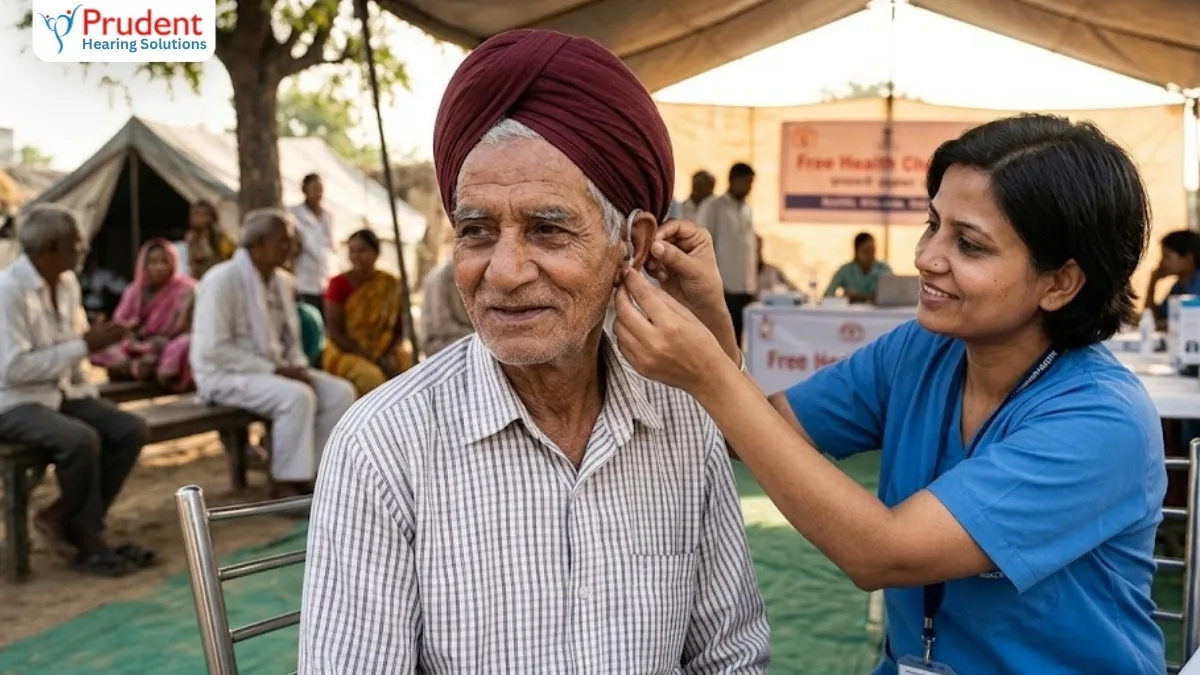
No — Ayushman Bharat PM-JAY is hospitalisation insurance and does not pay for a hearing aid you buy and take home. The scheme that gives free or subsidised aids is ADIP, not your Ayushman card.
No — in 2026, Ayushman Bharat PM-JAY does not pay for a hearing aid as a device you buy and take home. PM-JAY is hospitalisation insurance: it covers listed surgeries and inpatient procedures at empanelled hospitals, not outpatient aids and appliances. If you want a free or subsidised hearing aid from the government, the scheme to look at is ADIP, not your Ayushman card.
And see an ENT the same day — not a scheme desk — if hearing loss came on suddenly in one ear, or comes with severe pain, discharge, blood, high fever, dizziness with vomiting, or weakness on one side of the face.
Is a hearing aid covered under the Ayushman Bharat card?
Ayushman Bharat PM-JAY (Pradhan Mantri Jan Arogya Yojana) gives eligible families up to Rs 5 lakh a year of cashless cover. But that money is tied to hospital admission — a procedure that sits on the scheme's package list. A hearing aid is an outpatient device. You are tested and fitted for it in a clinic over a couple of visits, not admitted to a ward. So it falls outside what the card pays for.
This catches a lot of families off guard, and it is worth being blunt about. The Ayushman card is genuinely valuable for ear surgery — say a tympanoplasty to repair a perforated eardrum, or a mastoidectomy for chronic infection. It is not a voucher for the hearing aid you may wear afterwards. Those are two different things, and only the first is a hospital procedure.
What does Ayushman Bharat actually pay for?
PM-JAY covers secondary and tertiary hospitalisation across more than 1,900 treatment packages — cardiac, cancer, orthopaedic, neurosurgery, ENT surgery and much more. It is designed to be cashless and paperless at empanelled government and private hospitals. Costs linked to that admission, such as diagnostics just before and medicines just after, are usually bundled in. Cover is per family per year, with no cap on family size or member age.
What it generally does not cover is routine OPD consultation, spectacles, and standalone assistive devices bought over the counter — hearing aids among them. The scheme was built to protect families from catastrophic hospital bills, not to subsidise everyday devices. That design choice is exactly why a hearing aid sits outside it.
| Route | Covers the hearing-aid device? | Who it is for |
|---|---|---|
| Ayushman Bharat PM-JAY | No — hospitalisation and surgery only | All eligible PM-JAY families |
| ADIP scheme (DEPwD) | Yes — free or part-subsidised basic aid | Low-income persons with a disability certificate |
| CGHS / ESIC | Yes — reimbursed up to a fixed ceiling | Central govt employees, pensioners, insured workers |
| Private purchase | You pay (0% GST, EMI available) | Anyone, any device level |
Does PM-JAY cover cochlear implants or ear surgery?
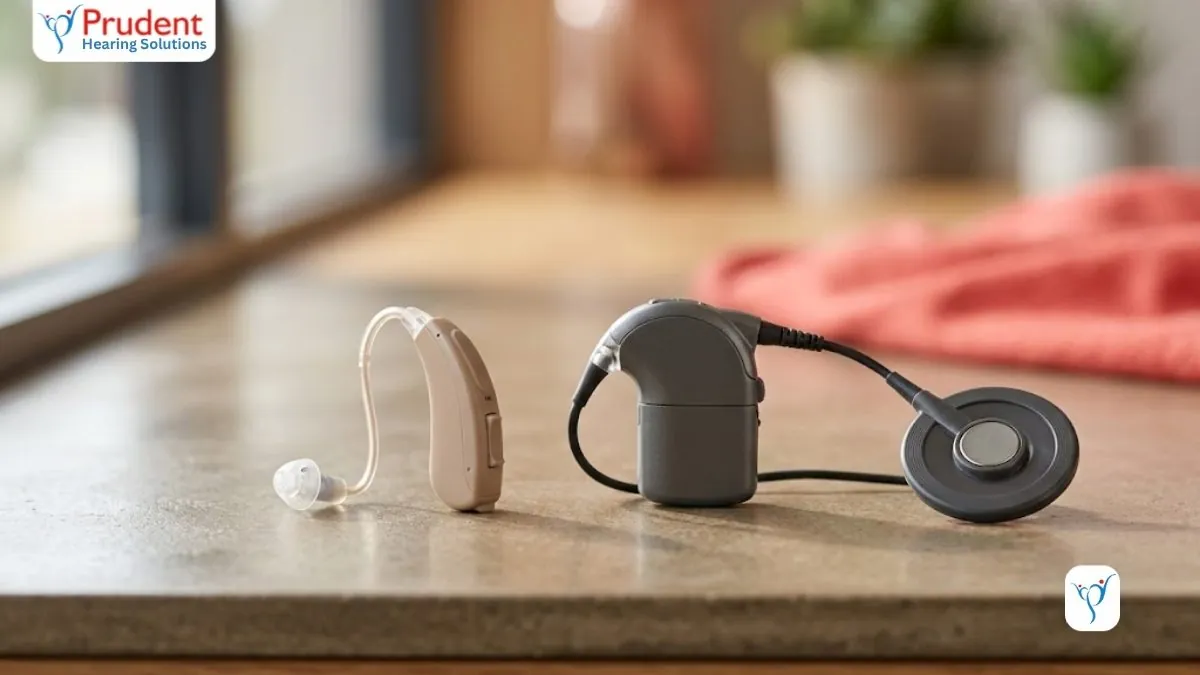
Here the card can genuinely help, and the distinction matters. A cochlear implant is major surgery, not a hearing aid — and some state PM-JAY packages, along with the national ADIP cochlear-implant programme, fund it for eligible children. With implant surgery running into several lakh rupees, that cover is significant for the families it reaches.
Middle-ear surgery for chronic infection or a perforated eardrum can also fall under ENT packages. Whether your specific case qualifies depends on your state and the empanelled hospital, so confirm it in writing before you assume anything. If a middle-ear infection led to the problem, treat that first. A hearing aid worn after any of these procedures is still a separate, out-of-pocket purchase.
Which government scheme actually gives a free hearing aid? (ADIP)
The real route to a free or heavily subsidised hearing aid is the ADIP scheme — Assistance to Disabled Persons for Purchase/Fitting of Aids and Appliances — run by the Department of Empowerment of Persons with Disabilities. It is means-tested: fully free below a monthly-income threshold, and part-subsidised in a band above it. The aids provided are basic body-worn or behind-the-ear models — functional, not premium.
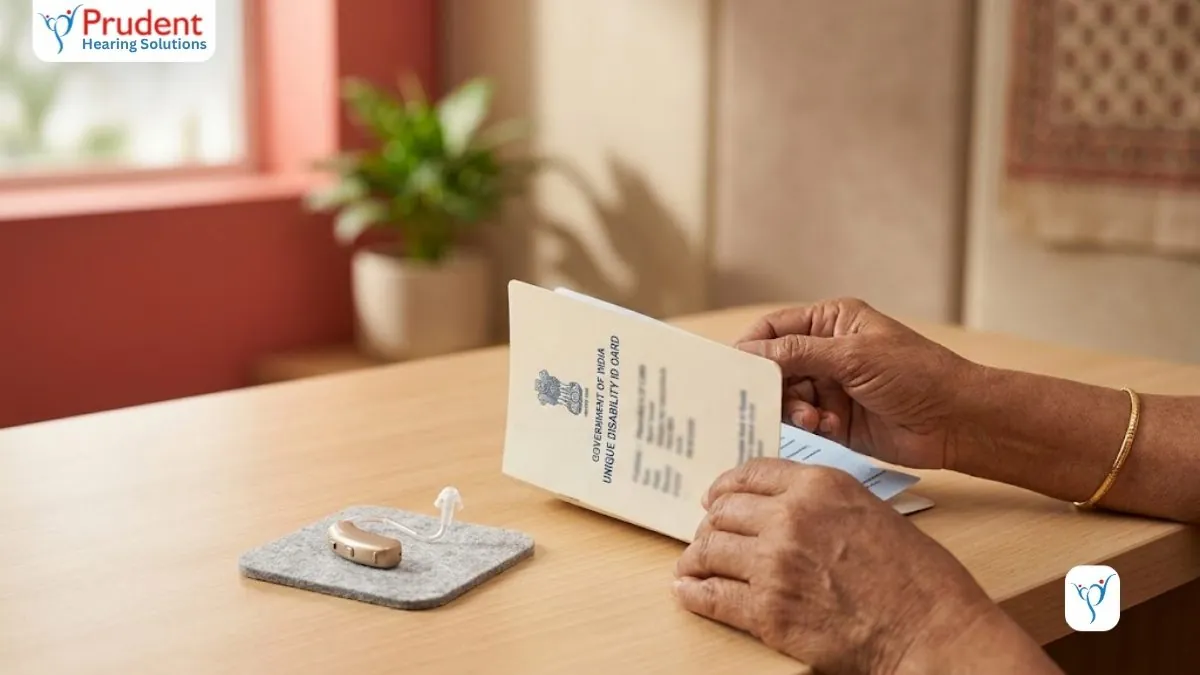
To apply you need a disability certificate showing hearing disability, ideally with a UDID card, usually assessed at a government hospital or an ALIMCO-run distribution camp. It takes paperwork and patience, but it is the honest answer to 'how do I get a free one'. Start with our guides to the ADIP scheme for free hearing aids and the wider government schemes for hearing aids in India.
Does the new Ayushman Vay Vandana card for seniors (70+) change this?
From late 2024, every Indian aged 70 and over can get Ayushman cover regardless of income, through the Vay Vandana card — an additional Rs 5 lakh a year ring-fenced for senior citizens. It is a welcome expansion, especially as age-related hearing loss is so common past 70 and often goes untreated.
But the underlying rule does not change. The Vay Vandana card is still hospitalisation cover. It does not convert into a hearing-aid grant. A senior who holds it still buys a hearing aid privately or applies through ADIP, exactly like anyone else.
Can government employees claim a hearing aid? (CGHS / ESIC)
Yes — and this is the one insurance-style route that does reimburse the device itself. CGHS reimburses central-government employees and pensioners for a hearing aid up to a fixed ceiling, with a prior ENT recommendation and departmental approval. ESIC provides aids to insured workers under its own rules. The ceilings are modest and tend to favour basic digital models, so if you want a premium rechargeable aid you will usually top up the difference yourself.
How much does a hearing aid cost if you pay yourself?
Honest numbers help here. A decent digital hearing aid in India starts around Rs 15,000-20,000 per ear and climbs past Rs 2 lakh per ear for premium rechargeable models with advanced noise handling. Most people with everyday needs land in the Rs 30,000-80,000 range for a good mid-tier aid that genuinely helps in conversation.
Two things work in your favour if you buy privately. Hearing aids are GST-exempt in India, so there is no tax added on top of the price. And at Prudent we price 20-30% below MRP with 0% EMI, which spreads a mid-range pair over several months instead of one lump sum. See our hearing aid prices for 2026 and current pricing for live figures rather than guesses.
When should you see a doctor, not a scheme desk?
Coverage questions can wait a week. Some ear symptoms cannot. See an ENT the same day if you have sudden hearing loss in one ear, severe ear pain, high fever, blood or discharge from the ear, dizziness with vomiting, or weakness on one side of the face. These can signal an infection spreading or a nerve problem that needs urgent treatment.
Sudden sensorineural hearing loss is a medical emergency. Started early — ideally within the first 48-72 hours — steroid treatment gives the best chance of recovery; left for weeks, the loss often becomes permanent. No scheme, card or hearing aid substitutes for that early visit. And please avoid cotton buds pushed deep, ear candling and home hydrogen-peroxide 'flushes' — they cause more harm than the wax they claim to remove.
How do you find out what you actually need?
Before any scheme, device or purchase, you need a real hearing test — an audiogram that shows the type and degree of loss. That single result decides everything that follows: whether you need simple wax removal, a referral for surgery, an ADIP aid, or a private one, and if so what level. Guessing wastes money and time.
Prudent Hearing Solutions is an RCI-registered audiology network with clinics in Pune (Viman Nagar), Delhi (Rohini and Green Park) and Bengaluru (Jayanagar), plus home visits in other cities. Our 45-minute hearing test is free, and we will tell you honestly if a government scheme fits your case better than buying from us. Book a hearing test or contact us when you are ready.
Continue reading
Frequently asked questions
Does Ayushman Bharat cover hearing aids in 2026?
No. PM-JAY covers hospitalisation and listed surgeries, not standalone hearing-aid purchases. For a free or subsidised aid, apply under the ADIP scheme instead of relying on your Ayushman card.
Can I use my Ayushman card for a cochlear implant?
Possibly. A cochlear implant is a surgery, not a hearing aid, and some state PM-JAY packages and the national ADIP cochlear-implant programme fund it for eligible children. Confirm eligibility with your empanelled hospital and state before assuming.
Which scheme gives free hearing aids in India?
The ADIP scheme, run by the Department of Empowerment of Persons with Disabilities. It needs a disability certificate and is means-tested — fully free below an income threshold and part-subsidised in a band above it. Aids provided are basic models.
Does the Ayushman Vay Vandana card for senior citizens cover hearing aids?
No. The 70+ Vay Vandana card adds Rs 5 lakh of hospitalisation cover regardless of income, but it does not pay for hearing aids. Seniors still buy privately or apply through ADIP.
How much does a hearing aid cost without any scheme?
Roughly Rs 15,000-20,000 per ear for entry-level digital aids, rising past Rs 2 lakh per ear for premium models. Hearing aids are GST-exempt in India, and Prudent prices them 20-30% below MRP with 0% EMI.
Free consultation
Ready to hear the difference?
Book a free 45-minute hearing test at any Prudent Hearing clinic: no obligation, honest advice, expert audiologists.