The CGHS hearing-aid process in 2026, in order: a Medical Officer referral, an ENT audiogram and brand-neutral prescription, prior permission before you buy, purchase with a proper GST invoice, and the reimbursement claim with the Annexure-II undertaking. Here is the full process, a realistic timeline, the pensioner-versus-serving differences, and the mistakes that get claims rejected.
Quick answer
To get a hearing aid under CGHS: get a Medical Officer referral at your Wellness Centre, have an ENT do an audiogram and write a brand-neutral prescription, apply for prior permission and wait for approval before buying, purchase an approved rechargeable aid with a GST invoice and three-year comprehensive warranty, then submit the claim with the Annexure-II undertaking. The whole process takes about three to six weeks, and you must never buy before permission is granted.
Key takeaways
- Five steps in order: MO referral → ENT audiogram and prescription → prior permission → purchase → claim.
- Never buy before permission: purchasing first is the top reason CGHS claims are rejected.
- Permission is signed by the Additional Director (Zonal) for pensioners, and the Head of Department for serving employees.
- The claim needs the permission letter, GST invoice, three-year comprehensive warranty card and the Annexure-II undertaking.
- Expect roughly three to six weeks end to end; the permission stage is usually the longest.
To get a hearing aid under CGHS you follow five steps in order: get a referral from the Medical Officer at your CGHS Wellness Centre, have an ENT do an audiogram and write a brand-neutral prescription, apply for prior permission and wait for it to be approved before you buy, purchase the approved aid with a proper GST invoice and three-year warranty, then submit the reimbursement claim with the Annexure-II undertaking.
The whole process usually takes three to six weeks, and the single rule that matters most is: never buy the aid before permission is granted.
This guide walks through each step, a realistic timeline, and the differences for pensioners versus serving employees. For the amount you get back, the ₹30,000-per-ear ceiling and what is covered, see the companion guide, CGHS hearing aid reimbursement (2026): rules and ceiling.
The CGHS hearing-aid process at a glance
Five stages, in this order. Each one depends on the one before it, so skipping ahead, especially buying before permission, is what causes delays and rejections.
| Stage | Who handles it | Typical time |
|---|---|---|
| 1. Wellness Centre visit and Medical Officer referral | You and the CGHS Medical Officer | Same day |
| 2. ENT assessment and audiogram | Government or empanelled ENT | 2–7 days |
| 3. Prior permission approval | Additional Director / Zonal (pensioners) or Head of Department (serving) | 1–3 weeks |
| 4. Buying and fitting the aid | You and your audiologist | 2–5 days |
| 5. Claim submission and reimbursement | Wellness Centre or office → Zonal Office | 3–8 weeks to payment |
Step 1: Book at your CGHS Wellness Centre
Start at your own CGHS Wellness Centre with your CGHS card. The Medical Officer records your complaint (difficulty hearing, ringing, asking people to repeat themselves) and refers you to an ENT specialist, either at a government hospital or a CGHS-empanelled one. You cannot skip this and go straight to a private shop, because the referral and the ENT prescription are what the permission and claim are built on.
Step 2: ENT assessment and audiogram
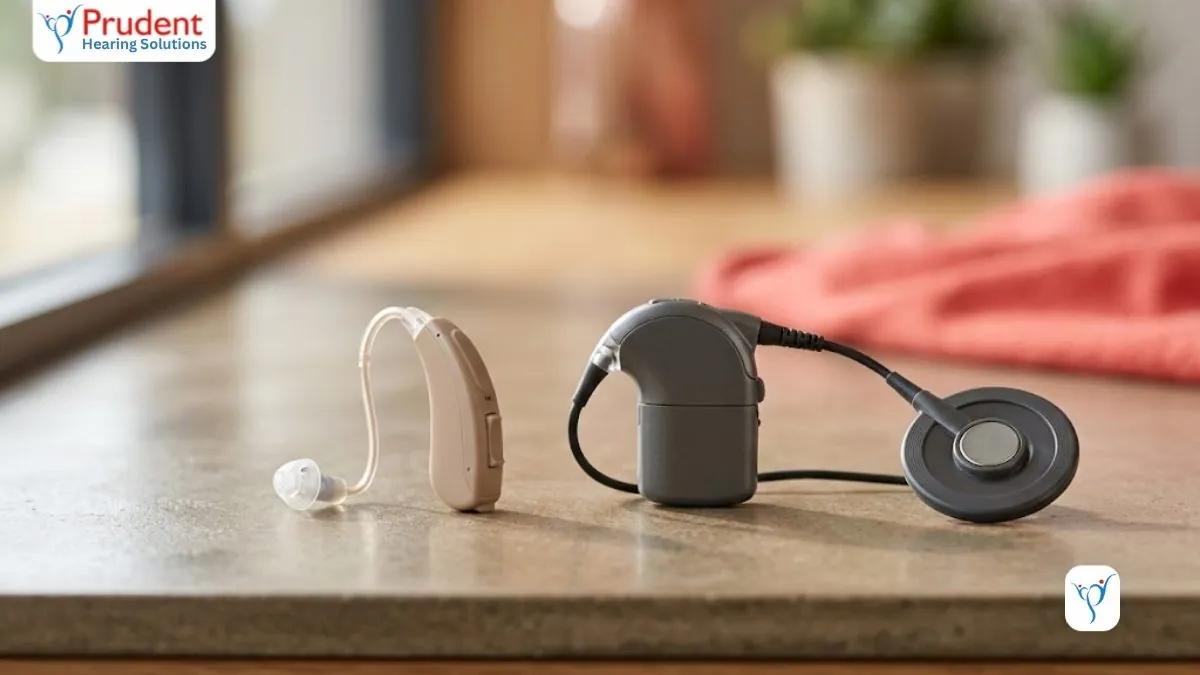
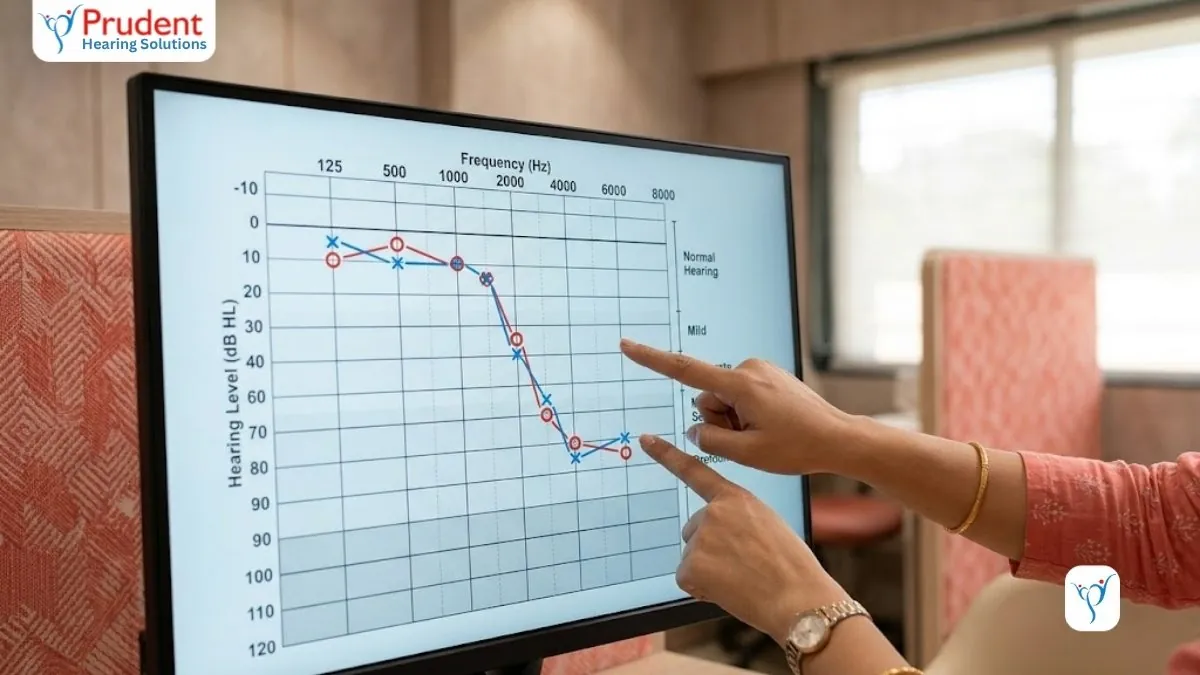
The ENT examines your ears and arranges a hearing test. The audiogram measures the type and degree of your loss, and from it the ENT prescribes the kind of aid you need, for example a behind-the-ear (BTE) or an in-the-canal (ITC/CIC) aid. The prescription must be brand-neutral: it states the type and specification, not a company's name. A prescription that names a single brand is a common reason a claim is later questioned.
Step 3: Apply for prior permission, before you buy
With the ENT prescription and audiogram, apply for permission to purchase. This approval must come through before you pay for anything. Who signs it depends on your status:
- Pensioners: the Additional Director (Zonal) of CGHS, applied for through your Wellness Centre.
- Serving employees: the Head of your Department or Office.
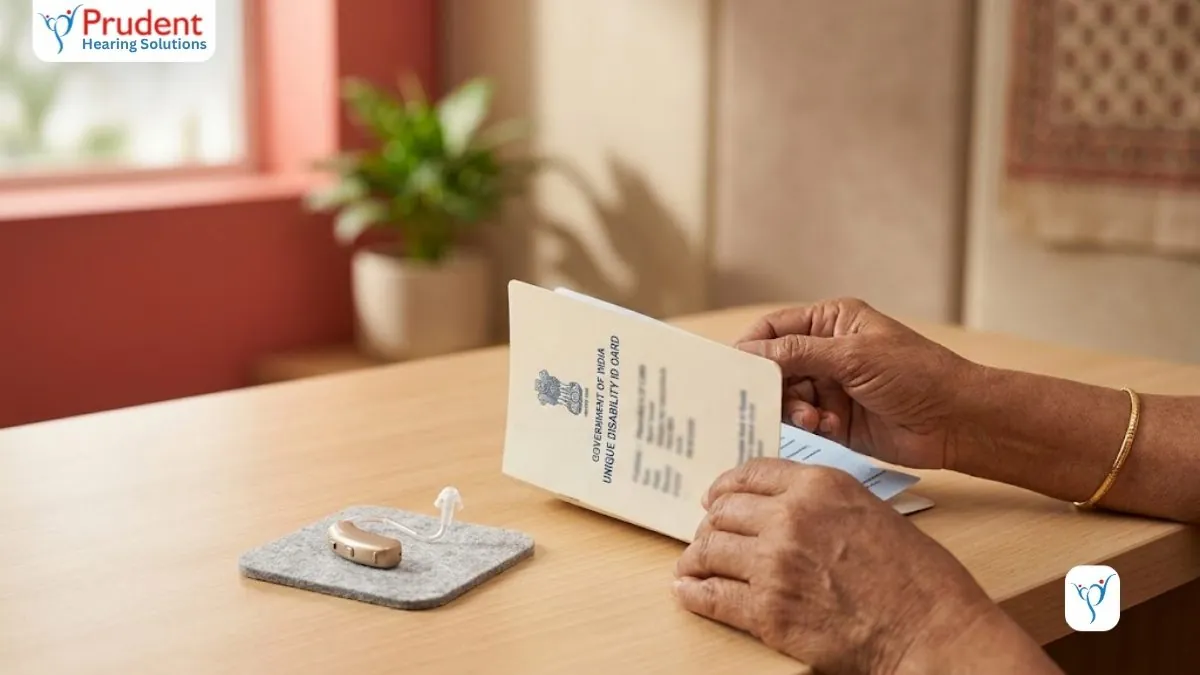
Approval typically takes one to three weeks. Keep the permission letter safe: it is a required document at the claim stage, and its details (type of aid, ceiling) must match your final invoice.
Step 4: Buy the approved hearing aid
Once permission is granted, buy an aid that matches the prescribed type, meets the 2026 specification and stays within the ceiling (₹30,000 per ear; details in the reimbursement guide). The specification requires a rechargeable aid with its charger, at least 8 channels and a current model.
At the point of sale, get a proper GST invoice, the written specifications and a three-year comprehensive warranty card for the aid and charger, and keep the box and label. Your audiologist should fit and fine-tune the aid and verify it works well for your loss before you leave.
Step 5: Submit your reimbursement claim
Submit the claim within the stipulated window, commonly around three months of purchase, with every document in order. You will also sign the Annexure-II undertaking, which declares that you have not claimed a hearing-aid reimbursement in the previous five years and that the details are genuine. Where you submit differs by status:
| Step | Pensioner | Serving employee |
|---|---|---|
| Permission authority | Additional Director (Zonal), CGHS | Head of Department / Office |
| Where to submit the claim | Wellness Centre → Zonal Office | Through your office / department |
| Card used | Pensioner CGHS card | Serving-employee CGHS card |
| Reimbursement paid | To your bank account | Through office / to bank account |
Documents and forms checklist
- CGHS card copy (pensioner or serving).
- ENT prescription and audiogram report.
- Prior permission / approval letter.
- Original GST invoice or bill for the aid.
- Warranty card showing the three-year comprehensive warranty on the aid and charger.
- Annexure-II undertaking (no hearing-aid claim in the previous five years).
- Bank details or a cancelled cheque for the reimbursement.
How long does the whole process take?
From the first Wellness Centre visit to money in your account, plan for roughly three to six weeks, most of which is the permission stage and then the claim processing.
You can keep it moving by carrying your CGHS card and any past hearing reports to the first visit, getting the audiogram done promptly, and checking that your invoice exactly matches the permission letter before you submit. Booking the hearing test early, you can get a free hearing test and a clear audiogram to take to your ENT, removes one of the usual bottlenecks.
Why CGHS hearing-aid claims get rejected, and how to avoid it
Almost every rejection comes from a process slip, not from the aid itself. The common ones:
- Buying before permission was granted. This is the single biggest cause. Always wait for the approval letter.
- A brand-specific prescription. The ENT must prescribe a type, not a company.
- Invoice problems. A missing GST invoice, or invoice details that do not match the permission letter.
- Wrong authority or a late claim. Sending it to the wrong office, or after the submission deadline.
- An excluded aid or exceeding the ceiling. Body-worn and analogue aids are not covered, and any amount above the ceiling is yours to pay. See what is covered in the reimbursement guide.
- An aid that misses the 2026 specification. A battery-powered aid, one with fewer than 8 channels, or one sold with only a two-year warranty does not meet Annexure-I, even if it costs under ₹30,000.
- A missing Annexure-II, or a claim within five years. You can claim only once every five years per ear.
Not under CGHS? Other routes
If you are not a central-government beneficiary, for example Armed Forces (ECHS) or Railways (RELHS) staff follow their own schemes, or you want to compare funding options, these guides help:
- ADIP scheme: free and subsidised hearing aids.
- Hearing aid tax deduction (80DD & 80U).
- Government schemes for hearing aids in India.
How Prudent supports you through the CGHS process
We do not process your CGHS claim, but we remove the medical and paperwork friction. Our RCI-registered audiologists give you a free hearing test and a clear audiogram for your ENT, help you find a model that meets the 2026 specification within the ceiling, fit and fine-tune the aid, and hand you a proper itemised GST invoice listing its specifications and warranty terms. Advice is brand-neutral, so you are never pushed above your entitlement.
Our clinics in Pune (Viman Nagar), Delhi (Rohini and Green Park) and Bengaluru (Jayanagar) are convenient for central-government staff and pensioners. Tell us you are a CGHS beneficiary when you book and we will match your audiogram and invoice to the claim. Contact us or call +91 9429690093. This is general guidance, not official CGHS advice; confirm the current rules with your Wellness Centre.
Continue reading
Frequently asked questions
How long does the CGHS hearing-aid process take?
Plan for roughly three to six weeks from your first Wellness Centre visit to the reimbursement reaching your bank. The longest parts are getting prior permission approved (about one to three weeks) and then the claim being processed. Booking the audiogram early and matching your invoice to the permission letter keeps it moving.
Can I buy the hearing aid before getting CGHS permission?
No. Prior permission must be granted before you purchase. Buying the aid first and asking for approval afterwards is the single most common reason a CGHS hearing-aid claim is rejected, so always wait for the approval letter.
Who approves a CGHS hearing aid for a pensioner?
For pensioners the approving authority is usually the Additional Director (Zonal) of CGHS, applied for through your Wellness Centre. For serving employees, it is the Head of your Department or Office.
Can I buy the hearing aid from any audiologist?
After permission is granted you can buy an aid that meets the prescribed type and specification, as long as you get a proper GST invoice, the three-year warranty card and the specifications. Some beneficiaries prefer empanelled vendors, but the key requirement is that the aid and paperwork match your permission letter.
What is the Annexure-II undertaking?
It is a declaration you sign at the claim stage confirming that you have not claimed a hearing-aid reimbursement in the previous five years and that your documents are genuine. It is a required part of the claim.
Why do CGHS hearing-aid claims get rejected?
Almost always a process slip: buying before permission, a prescription that names a brand instead of a type, a missing GST invoice or details that do not match the permission letter, sending the claim to the wrong authority or after the deadline, or claiming an excluded aid type.
Sources & further reading
We cross-checked this article against the following authoritative sources. Guidance and figures reflect the most recent public guidance available at the time of last review (September 2026). Clinical review by the Prudent Hearing clinical team.
- Hearing aid reimbursement guidelines and ceiling rates (OM S.11030/76/2026-EHS) (CGHS, Directorate General of Health Services, Ministry of Health & Family Welfare)
- ADIP Scheme: aids & appliances for persons with disabilities (Dept. of Empowerment of Persons with Disabilities, Govt. of India)
Free consultation
Ready to hear the difference?
Book a free 45-minute hearing test at any Prudent Hearing clinic: no obligation, honest advice, expert audiologists.