A clear, honest India guide to waterproof and IP68 hearing aids. Learn what IP ratings mean, why hearing aids are water-resistant and not made for swimming or showering, why moisture protection matters in the monsoon and humidity, plus daily care, what to do if an aid gets soaked, and when to use custom swim plugs.
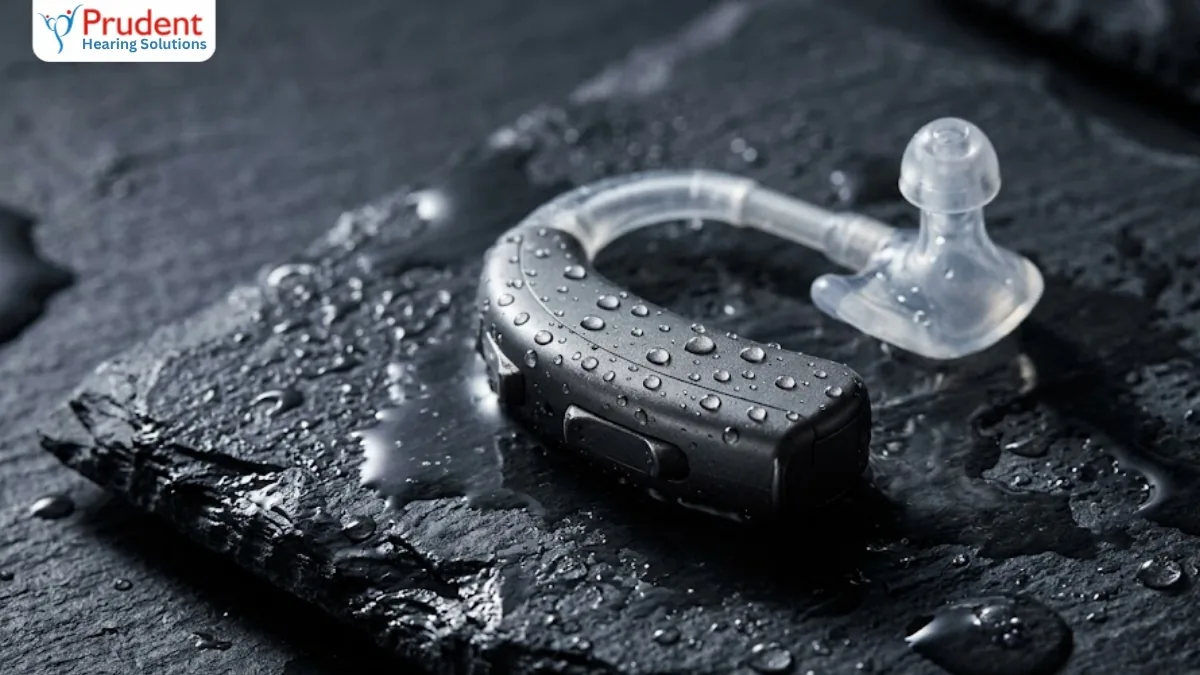
Yes, most modern hearing aids sold in India are water-resistant, and many carry an IP68 rating, but that does not make them safe for swimming, showering or diving. An IP68 rating tells you the device is fully dust-tight and can survive contact with water only under the conditions the manufacturer specifies. In everyday life this protects your aids from sweat, rain, high humidity and accidental splashes, which is exactly what matters in the Indian climate.
During the monsoon months alone we handle eight to ten moisture-related repair cases per clinic, nearly all of them from aids that were worn in the shower or left out overnight without a drying kit. This guide explains what IP ratings really mean, why they matter so much here, and how to care for your aids so they last.
What an IP rating actually means
IP stands for Ingress Protection. It is an international standard that rates how well an electronic device resists solid particles like dust and liquids like water. You will usually see it written as two digits after the letters, for example IP68. Each digit means something specific, and reading them correctly saves a lot of confusion when you compare models.
Reading the two digits
- The first digit rates protection against solids such as dust. It runs from 0 to 6, where 6 is the top mark and means the device is completely dust-tight.
- The second digit rates protection against water. It runs from 0 to 8 (with a separate 9K category for high-pressure jets), where 8 is the highest immersion rating in common use.
- So IP68 means fully dust-tight (6) and protected against continuous immersion in water (8), but only to the depth and time the maker states, not open-ended.
- An older aid marked IP57 or IP54 offers real but lower protection, which is worth knowing if you own an earlier model.
The key phrase is under the manufacturer's stated conditions. IP68 is tested in a lab in still, fresh water at a set depth for a set time. Real life adds soap, salt, chlorine, pressure changes and warm water, none of which the test covers. That gap is why we are careful about the word waterproof.
The honest truth: water-resistant, not waterproof
This is the single most important point on this page. A high IP rating makes hearing aids resilient, not amphibious. We tell every patient the same thing at fitting: your aids are built to shrug off the water that daily life throws at them, but they are not swimming gear. Treating an IP68 aid like a diving mask is the fastest way to damage it.
- What IP68 handles well: sweat during a workout or a hot afternoon, getting caught in the rain, monsoon humidity, a splash while washing your face, a few drops from a spill.
- What it is NOT for: swimming laps, standing under the shower, soaking in a tub, diving, or steamy activities where hot water sits against the device.
- Why the line matters: the microphone ports, receiver and battery contacts are the vulnerable points, and prolonged or pressurised water finds its way in even on a well-rated aid.
- Chargers and cases are usually NOT rated at all, so they must always stay completely dry.
"An IP68 rating is an insurance policy against everyday accidents, not a licence to go swimming. Keep the aids dry on purpose, and let the rating cover the moments you cannot control."
Why this matters more in India
Hearing aid electronics have one great enemy: moisture. Few places test that as thoroughly as India. Coastal cities like Mumbai and Chennai sit in high humidity for months. The monsoon soaks Pune, Bengaluru and Delhi alike. Summers bring heavy sweat, and moving between fierce outdoor heat and cold air-conditioned rooms causes condensation inside small devices.
So moisture protection is not a luxury feature here, it is essential. A strong IP rating buys you a real margin of safety, but it works best alongside good daily habits, which we cover in our guide to hearing aid care in the monsoon.
What most modern hearing aids offer
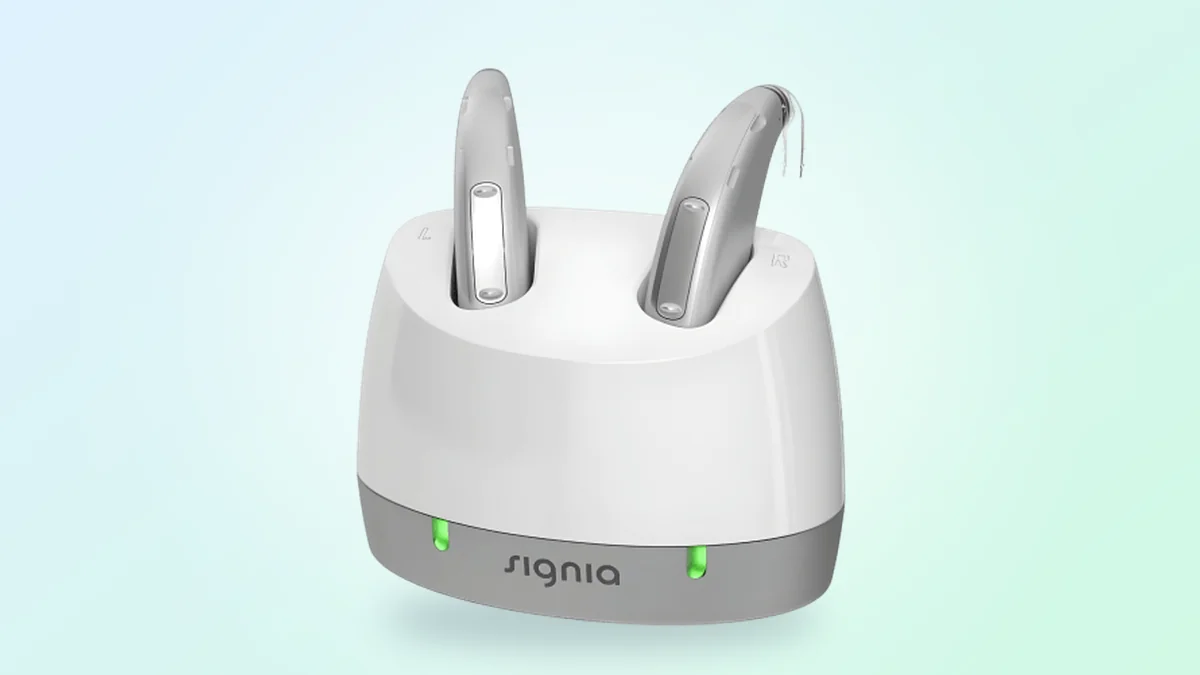
The good news is that protection has improved a great deal. Most current rechargeable receiver-in-canal (RIC) aids from the major brands now carry IP68: the Phonak Audéo Lumity Life, Signia Pure Charge&Go IX, ReSound Nexia, Widex Moment Sheer and Oticon Real all hold that rating. If you are considering this popular style, it is worth reading our RIC hearing aids guide alongside this page. A few realities to keep in mind:
- Rechargeable RIC models from leading manufacturers usually lead on IP ratings, which is one reason they suit the Indian climate so well.
- Charging cases and desktop chargers are typically not rated for water and must be kept dry at all times.
- Custom in-the-ear and older or entry models may carry lower ratings, so never assume, always confirm the exact figure for your device.
- The rating applies to the aid, not necessarily to disposable zinc-air batteries or every accessory, so treat those with the same care.
- A high IP rating does not remove the need for daily wiping and drying, it simply raises your safety margin.
Which specific model carries which rating, and whether it suits your hearing and lifestyle, is a decision for your audiologist at the free hearing test, never something to settle from a webpage.
Daily care that protects your investment
A good IP rating and a good routine together will see your aids through years of Indian weather. None of this is complicated, it just needs to become habit.
- Wipe the aids with a dry, soft cloth every night to clear sweat, oil and dust. Never rinse them under a tap.
- Use a drying kit or an electric dehumidifier box overnight, especially in the monsoon and in humid coastal cities. This pulls out trapped moisture that no cloth can reach.
- Always dry the aids fully before placing them on the charger, because putting a damp aid onto charging contacts risks corrosion.
- Remove your aids before bathing, swimming, or applying hair oil, spray or perfume.
- Open the battery door at night on battery-powered models to let air circulate and moisture escape.
- Store the aids in their case, away from bathrooms, windowsills and other damp spots.
If your hearing aid gets soaked
- Switch it off at once. For a rechargeable aid, do not put it on the charger while wet.
- On a battery model, open the door and remove the battery.
- Gently pat it dry with a soft cloth. Do not use a hairdryer, oven or microwave, as heat warps the delicate electronics.
- Place it in a drying kit or dehumidifier box for several hours, ideally overnight.
- If it still will not work, or sounds distorted, take it to your audiologist rather than prising it open yourself. Our note on how to clean and maintain hearing aids covers routine upkeep in more detail.
What about genuine swimming?
If your real goal is to protect your ears in the pool or the sea, hearing aids are not the answer, and neither is any IP rating. What you want is a proper pair of custom swim ear plugs, moulded to your ears to keep water out. These are a separate item from hearing aids, made for exactly this purpose. We explain the options in our guide to custom ear plugs for swimming. You simply remove your hearing aids, store them dry, and wear the swim plugs in the water.
The bottom line on pricing and choice
Water resistance today is built into most mid and premium rechargeable aids rather than sold as a costly add-on, so you rarely pay a large premium purely for an IP68 rating. As with all our pricing, we quote in bands rather than fixed figures, and genuine offers of up to 20-30% off MRP, GST-exempt in India, with 0% EMI, are confirmed at your appointment.
Remember too that a hearing aid manages hearing loss, it does not cure it. The right model, the right rating and the right fit for your ears and your climate are all decided together with your audiologist at the free hearing test, which is the honest starting point for any purchase.
Continue reading
Frequently asked questions
Are IP68 hearing aids fully waterproof?
No. IP68 means fully dust-tight and protected against water immersion only under the manufacturer's stated lab conditions. In real life it covers sweat, rain, humidity and accidental splashes. It does not make the aids safe for swimming, showering or diving.
Can I wear my hearing aids in the shower or while swimming?
No. Even IP68 aids should be removed before showering, bathing or swimming. Hot water, soap, chlorine and sustained pressure go beyond what the rating covers. Take them off, keep them dry, and use custom swim plugs in the pool.
Will monsoon rain or heavy sweat damage my hearing aids?
A strong IP rating like IP68 protects well against rain, humidity and sweat, which is why it suits the Indian climate. Pair it with nightly wiping and a drying kit or dehumidifier box, and your aids will handle the monsoon comfortably.
What should I do if my hearing aid gets soaked?
Switch it off immediately and do not charge a wet rechargeable aid. On battery models, open the door and remove the battery. Pat it dry, place it in a drying box for several hours, and never use a hairdryer or oven. If it still fails, see your audiologist.
Do all hearing aids have the same water rating?
No. Most modern rechargeable RIC aids from major brands carry IP68, but custom in-the-ear and older or entry models vary, and chargers are usually not rated at all. Always confirm the exact rating for your specific device with your audiologist.
Are waterproof hearing aids much more expensive in India?
Water resistance is now built into most mid and premium rechargeable aids rather than charged as a large extra. We quote in price bands, with genuine offers of up to 20-30% off MRP, GST-exempt, and 0% EMI confirmed at your appointment.
How can I protect my ears when I actually swim?
Use custom swim ear plugs, which are moulded to keep water out of your ear canal. They are separate from hearing aids. Remove your aids, store them dry, and wear the swim plugs in the water.
Free consultation
Ready to hear the difference?
Book a free 45-minute hearing test at any Prudent Hearing clinic: no obligation, honest advice, expert audiologists.