Educational information, not medical advice. This article is written to help you understand common ear and hearing issues. It is not a substitute for professional diagnosis or treatment. If your symptoms are severe, sudden, or persistent, please consult a qualified doctor or audiologist. For urgent symptoms (sudden hearing loss, bleeding from the ear, severe pain with dizziness, or a head injury), seek medical care the same day.
Teenagers are at growing risk of noise-related hearing damage from earphones, gaming headsets and loud events. Warning signs include asking for repeats, ringing after listening and turning the volume up. Volume limits, breaks and a baseline hearing test protect their hearing for life.
The direct answer
Yes, teenagers can and do suffer hearing damage, mainly from listening to loud music and games for long hours through earphones and headsets. Damage builds gradually and painlessly, so it is often missed until ringing or trouble following speech appears. Simple habits, such as volume limits and listening breaks, and a baseline test, protect hearing for the long term.
Why teens are at risk
- Long daily hours with earbuds or gaming headsets, often at high volume.
- Noisy environments such as concerts, parties, weddings and sports events.
- Listening to drown out background noise on buses and trains.
- A belief that 'it does not affect me', since early damage is silent.
Warning signs
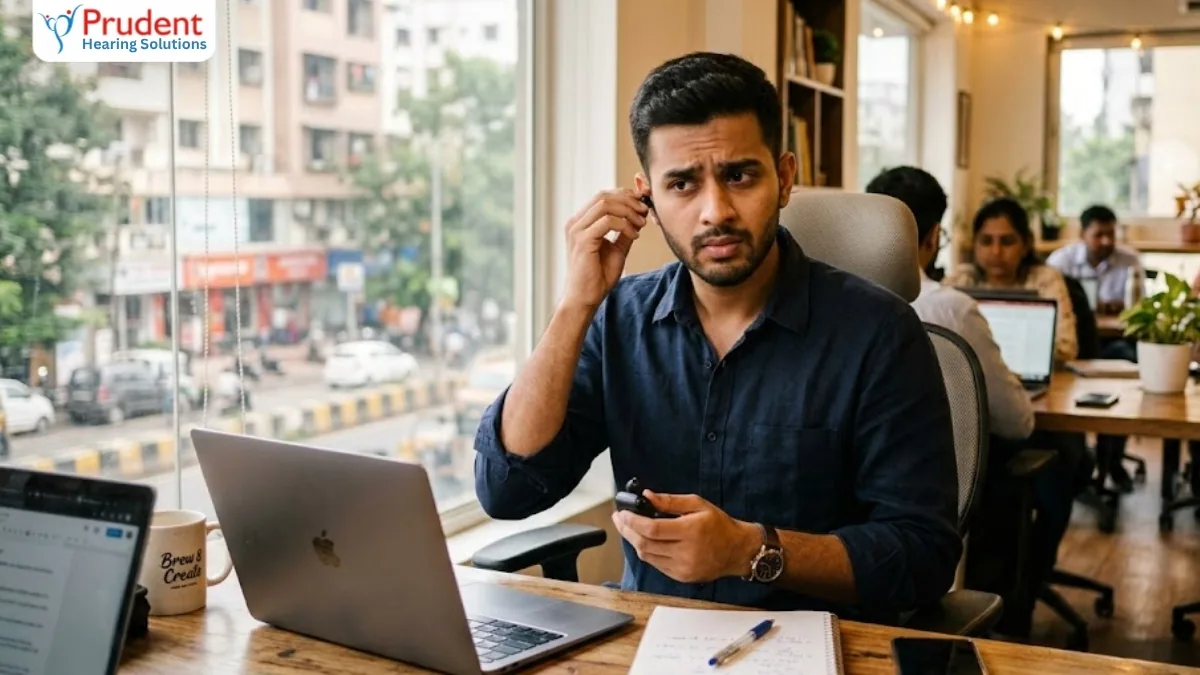
- Asking people to repeat themselves, or turning the TV or phone up.
- Ringing or buzzing after listening or after loud events.
- Muffled hearing that improves after a rest.
- Difficulty following speech in noisy places such as canteens.
- Falling attention or grades, which can be linked to missed words in class.
What parents can do
- Set volume limits: many phones and consoles allow a maximum volume. Keep it at or below about 60 percent. See the 60/60 rule for headphones.
- Encourage breaks: for example, a rest every hour of gaming or music.
- Choose better headphones: over-ear or noise-cancelling models let teens listen at lower volume in noisy places. See can earbuds cause hearing loss.
- Use ear protection at loud events. See wedding season DJ noise and best earplugs for concerts.
- Teach the numbers: show them the decibel chart.
- Lead by example in your own listening habits.
When to get tested
- Any ringing, muffled hearing or difficulty in class.
- After a very loud event, if the symptoms last more than a day.
- As a baseline, especially for heavy headphone users. See how often to get a hearing test.
Early loss is easier to manage, and a record of normal hearing is valuable later. See hearing loss in children: signs and help and hearing aids for young adults. Book a free hearing test for your teenager. This article is general information and does not replace medical advice.
Frequently asked questions
Can teenagers get hearing loss from headphones?
Yes. Long hours of loud music and games through earphones and gaming headsets can damage hearing. The damage builds gradually and painlessly, so it is often missed until ringing or trouble following speech appears.
What are the signs of hearing damage in a teenager?
Asking people to repeat themselves, turning the TV or phone up, ringing after listening or loud events, muffled hearing that improves after rest, difficulty in noisy places, and falling attention or grades.
How can parents protect a teenager's hearing?
Set maximum volume limits on phones and consoles, encourage a break every hour of gaming or music, choose over-ear or noise-cancelling headphones, and use ear protection at loud events.
Are gaming headsets bad for hearing?
They can be if used for long hours at high volume. Over-ear or noise-cancelling models help teens listen at lower volume in noisy places, and regular breaks reduce the risk.
When should a teenager get a hearing test?
If there is any ringing, muffled hearing or difficulty in class, if symptoms last more than a day after a very loud event, or as a baseline for heavy headphone users.
Free consultation
Ready to hear the difference?
Book a free 45-minute hearing test at any Prudent Hearing clinic: no obligation, honest advice, expert audiologists.