Educational information, not medical advice. This article is written to help you understand common ear and hearing issues. It is not a substitute for professional diagnosis or treatment. If your symptoms are severe, sudden, or persistent, please consult a qualified doctor or audiologist. For urgent symptoms (sudden hearing loss, bleeding from the ear, severe pain with dizziness, or a head injury), seek medical care the same day.
Glue ear (OME) can muffle your child's hearing for weeks after a cold. Learn watchful-waiting timelines and when a hearing test is needed.
Quick answer
Glue ear, or otitis media with effusion (OME), is a build-up of thick fluid behind the eardrum without the pain or fever of an active infection. The fluid dampens sound, so your child may hear as if underwater. Most cases clear on their own within a few weeks to three months. A hearing test is advised if fluid or muffled hearing persists.
Key takeaways
- Glue ear is fluid trapped in the middle ear, often lingering after a cold or an ear infection has settled.
- It usually causes muffled, not painful, hearing and can affect speech and learning if it drags on.
- Watchful waiting for up to about three months is standard, because most fluid drains on its own.
- If muffled hearing lasts beyond three months, a hearing test and tympanometry help confirm the effusion and its impact.
- Glue ear is not the same as acute otitis media (a painful, febrile infection).
Glue ear, or otitis media with effusion (OME), is a build-up of thick fluid behind the eardrum without the pain or fever of an active infection. The fluid dampens sound, so your child may hear as if underwater. Most cases clear on their own within a few weeks to three months. A hearing test is advised if fluid or muffled hearing persists.
What is glue ear and how is it different from an ear infection?
Glue ear means the middle ear fills with a sticky fluid, but there is no acute infection driving pain or fever. It often appears after a cold or after an acute ear infection has cleared, leaving fluid behind. Acute otitis media, by contrast, is a red, inflamed, painful middle-ear infection, frequently with fever.
The difference matters for treatment. Antibiotics target bacterial infection; they do not reliably clear the leftover fluid of glue ear. Ear infections in children can begin with the same blocked Eustachian tube that later leaves fluid trapped, which is why the two conditions often follow one another. You can read how the full picture fits together in our parent's guide, Ear Infections and Your Child's Hearing: A Parent's Back-to-School Guide.
How does fluid behind the eardrum affect hearing?
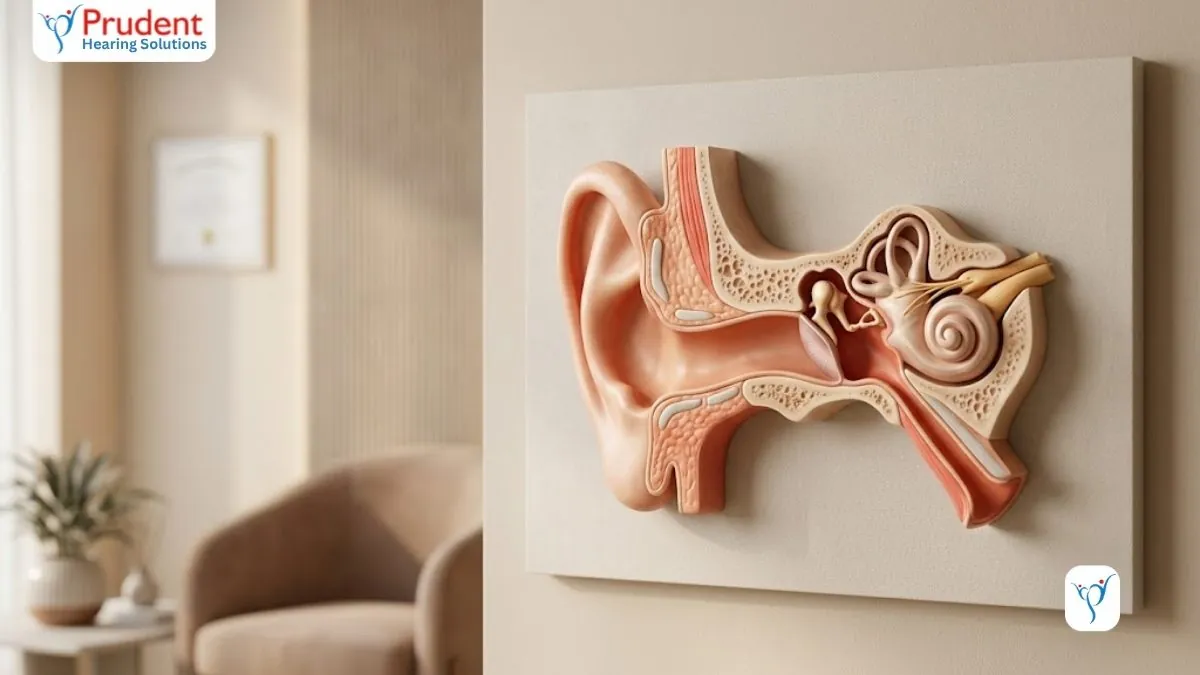
Sound reaches the inner ear by vibrating the eardrum and the small middle-ear bones. When fluid fills that space, those vibrations are muffled, so the sound arriving is quieter and less clear. This is usually a temporary, conductive hearing dip rather than permanent damage.
Signs parents notice include turning the TV up, asking for repeats, seeming inattentive, or speaking more loudly. In younger children, otitis media with effusion can be silent, showing up only as a lag in listening or speech. Because a child may not complain, the change is easy to miss.
Will glue ear go away on its own?
Most of the time, yes. The fluid commonly drains as the Eustachian tube reopens, and hearing returns to normal. This is why doctors often recommend watchful waiting rather than immediate treatment.
A reasonable window to observe is up to about three months from when the fluid was first noticed. During this period, the aim is to monitor, not medicate. Otitis media with effusion that resolves inside this window usually needs no procedure at all. If a child keeps getting colds or ear infections, fluid can come and go, so keep watching across the season.
When should my child have a hearing test?
Book a hearing test if the muffled hearing or the fluid lasts beyond roughly three months, or sooner if you are worried about speech, language, or school performance. Persistent fluid during the years when a child is learning to talk deserves a closer look, because clear hearing supports clear speech.
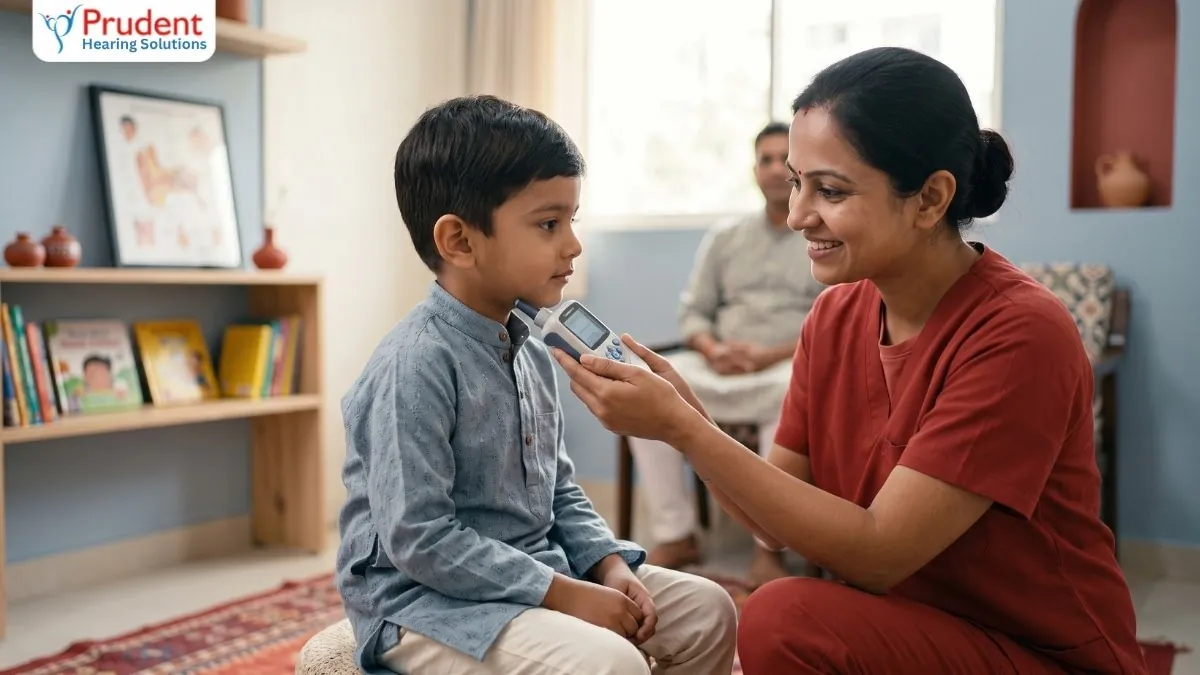
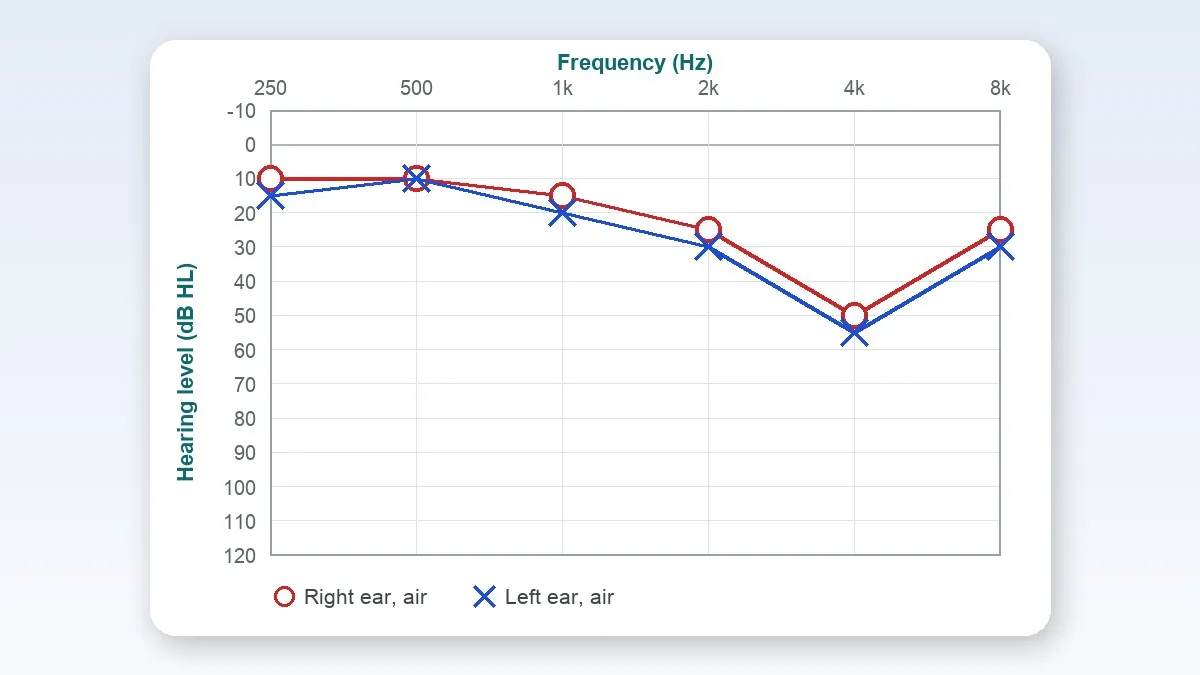
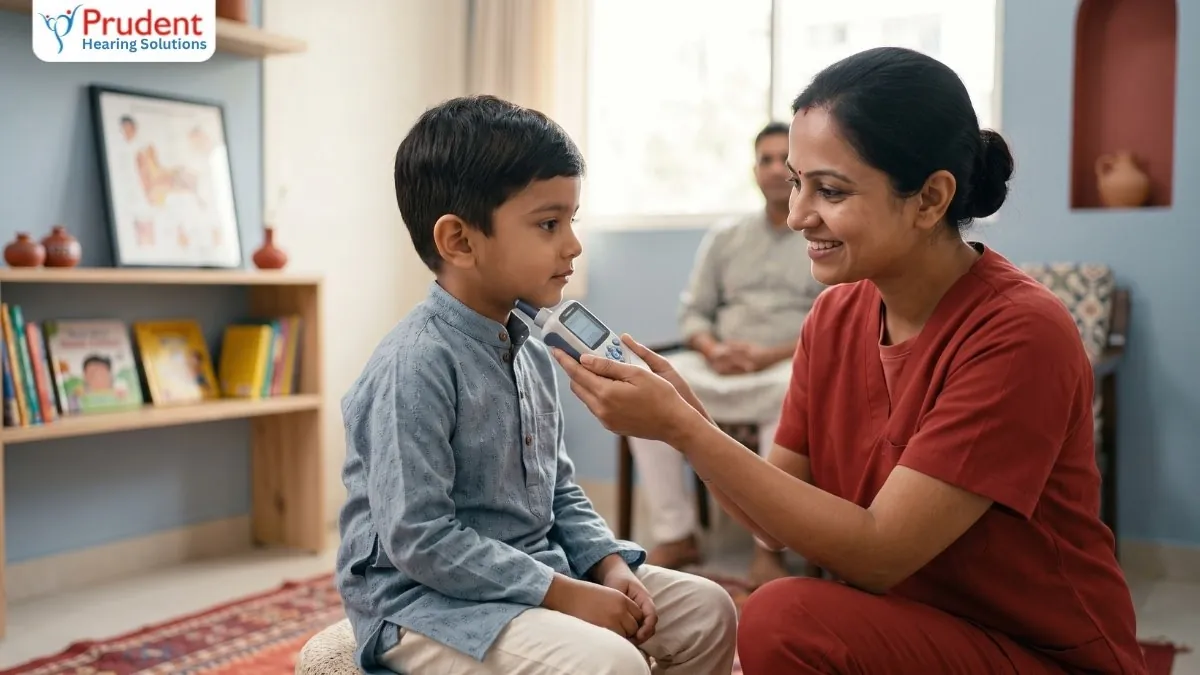
An audiologist typically pairs a hearing test with tympanometry, a quick, painless check of how the eardrum moves. A flat tympanogram supports the presence of middle-ear fluid, while the hearing test measures how much sound is actually being lost. Together they show whether the effusion is affecting your child enough to act on. Our clinicians perform both during a standard hearing test; you can contact us to arrange one, or ask about a home visit if a clinic trip is hard.
When is glue ear urgent?
Glue ear itself is rarely an emergency. But see a doctor promptly if your child has severe ear pain, a high fever, fluid or pus draining from the ear, swelling or redness behind the ear, or sudden worsening. These point to an active infection or a complication, not simple effusion. According to the CDC, most ear infections improve, but warning signs like these need timely medical review.
Continue reading
Frequently asked questions
Is glue ear painful?
Usually not. Glue ear tends to cause muffled hearing and a feeling of fullness rather than the sharp pain of an acute infection. Significant pain or fever suggests a different problem and should be checked, as MedlinePlus notes for ear infections generally.
Can glue ear cause permanent hearing loss?
The hearing dip from glue ear is almost always temporary and reverses once the fluid clears. Long-standing, untreated fluid can affect speech and learning during key developmental years, which is why persistent cases are assessed rather than ignored. It is an association with delay, not a guaranteed permanent loss.
Do antibiotics clear the fluid?
Not reliably. Antibiotics treat bacterial infection, but glue ear is leftover fluid without active infection, so they usually do not speed its drainage. The NIDCD explains why doctors weigh antibiotic use carefully in children.
How long should I wait before seeking help?
Watchful waiting of up to about three months is standard for glue ear. If muffled hearing or fluid persists past that, or you notice speech or school concerns earlier, arrange a hearing test with tympanometry.
Can glue ear affect school?
Yes. Muffled hearing can make it harder to follow the teacher and take part in class. If your child seems inattentive or is falling behind and has had recent colds or ear infections, a hearing test is worthwhile.
Sources & further reading
We cross-checked this article against the following authoritative sources. Guidance and figures reflect the most recent public guidance available at the time of last review (September 2026). Clinical review by the Prudent Hearing clinical team.
- NIDCD (Ear Infections in Children)
- CDC (About Ear Infections)
- MedlinePlus (Ear Infections)
- MedlinePlus (Otitis media with effusion (glue ear))
Free consultation
Ready to hear the difference?
Book a free 45-minute hearing test at any Prudent Hearing clinic: no obligation, honest advice, expert audiologists.