Educational information, not medical advice. This article is written to help you understand common ear and hearing issues. It is not a substitute for professional diagnosis or treatment. If your symptoms are severe, sudden, or persistent, please consult a qualified doctor or audiologist. For urgent symptoms (sudden hearing loss, bleeding from the ear, severe pain with dizziness, or a head injury), seek medical care the same day.
Ringing that lasts more than a week after a concert, or any sudden hearing drop, can signal lasting inner-ear damage. Here's when to book a test.
Quick answer
Ringing after a loud concert usually fades within 16 to 48 hours. If it lasts beyond about a week, or you notice any sudden drop in hearing, treat it as a warning sign of possible inner-ear damage. Sudden hearing loss is a medical emergency: see a doctor or audiologist within 72 hours. Book a hearing test to check.
Key takeaways
- Short-lived ringing after a loud show is common; ringing that won't go away after ~1 week may mean lasting damage.
- Any sudden hearing drop, ringing in one ear only, dizziness, or ear pain is a red flag: seek care fast.
- Sudden sensorineural hearing loss (SSNHL) is a medical emergency; treatment works best within 72 hours to two weeks.
- An evaluation is quick and painless: a hearing history plus an audiogram.
- Loud-noise damage is preventable but not reliably curable: protection matters going forward.
Ringing after a loud concert usually fades within 16 to 48 hours. If it lasts beyond about a week, or you notice any sudden drop in hearing, treat it as a warning sign of possible inner-ear damage. Sudden hearing loss is a medical emergency: see a doctor or audiologist within 72 hours. Book a hearing test to check.
Why is my ringing still there days later?
Very loud sound overworks the tiny hair cells in your inner ear. A short burst of ringing (tinnitus) and muffled hearing right after a concert is a sign those cells were stressed. Often they recover.
But loud noise can damage or destroy hair cells for good, and these cells do not grow back. When ringing persists, it can mean the damage did not fully heal. Cleveland Clinic is blunt about this: ringing after a loud concert is not a good sign and should not be brushed off as normal.
The louder and longer the exposure, the higher the risk. Concert sound often exceeds levels the CDC considers damaging. Sustained sound above 85 decibels can harm hearing over time, and concerts routinely run far higher.
How long is too long?
Use these rough markers:
- Under 48 hours: usually temporary. Rest your ears in quiet.
- Beyond a week: the ringing is not settling as expected. Get it checked.
- Constant or intrusive: if it disrupts sleep, focus, or mood, book an evaluation regardless of how many days it has been.
Persistent ringing does not automatically mean permanent loss, but only a proper test can tell the difference. Waiting to "see if it goes away" is fine for a day or two, not for weeks.
When is it an emergency?
Some symptoms need urgent attention, not a wait-and-watch approach. Contact a doctor or audiologist promptly if you have:
- A sudden drop in hearing, especially in one ear
- Ringing in only one ear
- Dizziness or a spinning sensation (vertigo)
- Ear pain, fullness, or discharge
A sudden loss of hearing can be sudden sensorineural hearing loss (SSNHL), which the NIDCD describes as a medical emergency. Prompt treatment, often steroids, has the best chance of recovering hearing when started early, typically within 72 hours to two weeks. If you suspect a sudden drop, do not wait for a routine appointment. Call the clinic or go to a doctor the same day. For a fast slot, use our contact page or request a home visit if travel is hard.
What does a hearing test involve?
An assessment is straightforward and takes under an hour:
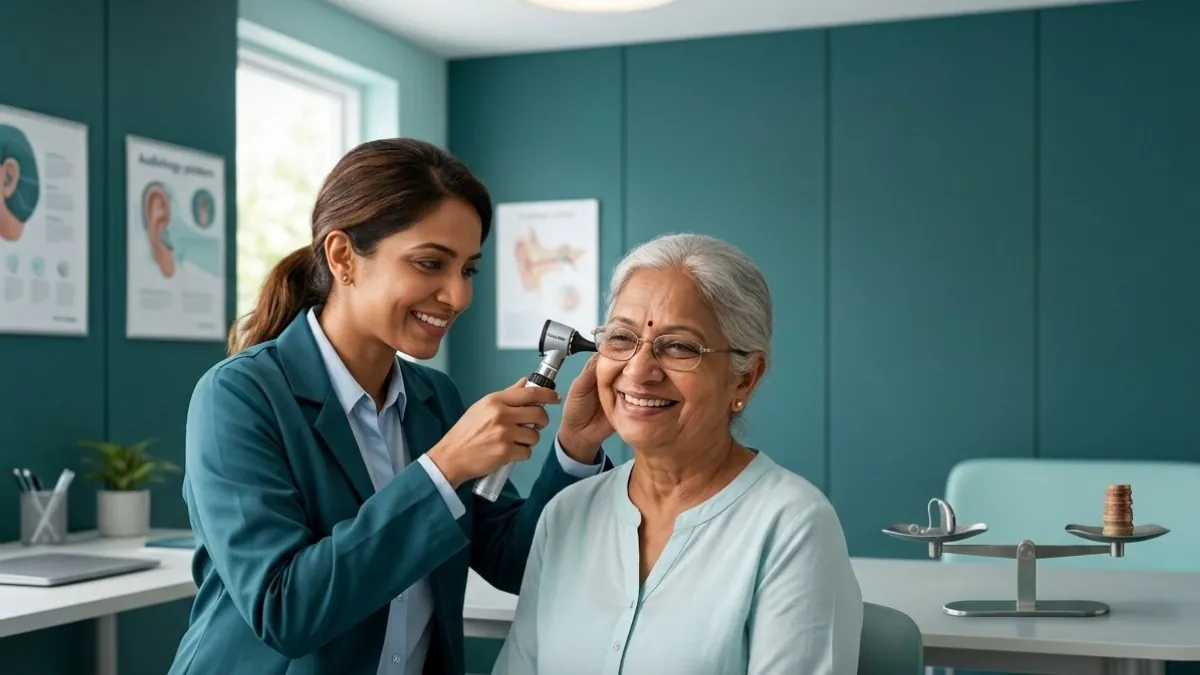
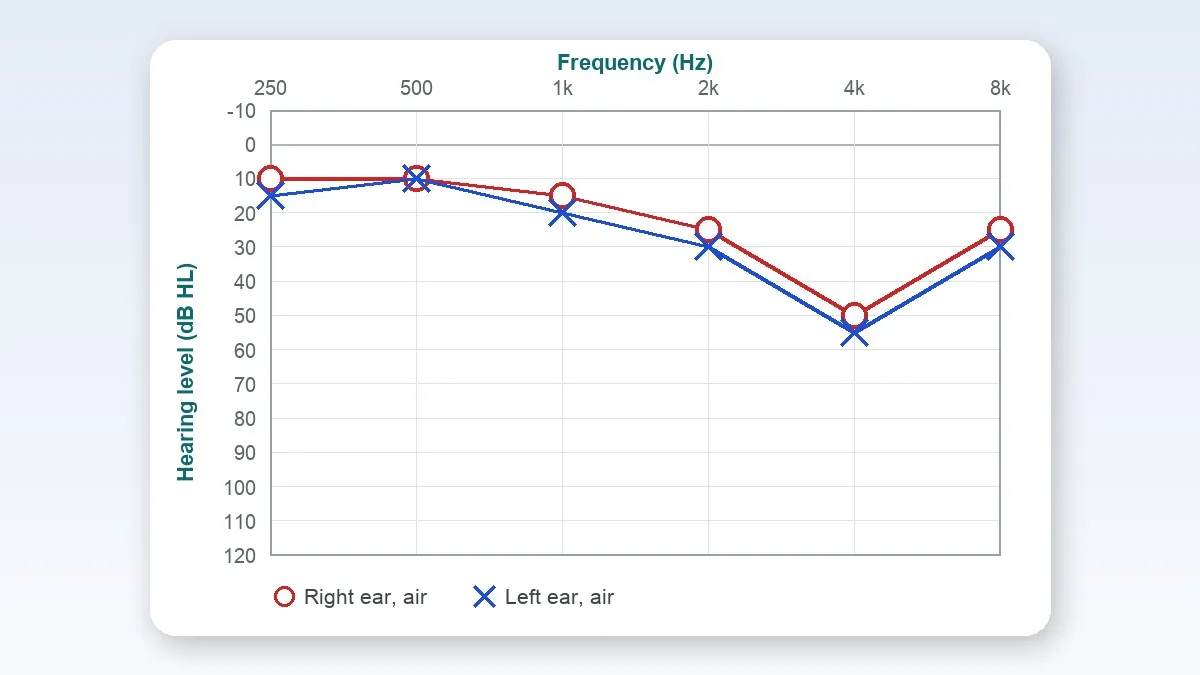
1. History: the audiologist asks about the concert, when symptoms started, and any past noise exposure. 2. Ear check: a look inside to rule out wax or infection. 3. Audiogram: you wear headphones and respond to tones at different pitches and volumes. This maps exactly where and how much your hearing has shifted.
The audiogram is the key test. It shows whether there is a measurable dip, the "notch" common in noise damage, and gives a baseline to track over time. Book a hearing test if your ringing has outstayed its welcome.
For the full picture on timelines and warning signs, read our pillar guide, Ears Ringing After a Concert? How Long It Lasts and When It's an Emergency.
Can persistent tinnitus be cured?
Be realistic. Noise-related hair-cell damage is generally not reversible, and there is no guaranteed cure for tinnitus. But an evaluation still matters: it identifies treatable causes, rules out emergencies, and opens up real options. Sound therapy, counselling, and hearing aids that can mask ringing and improve clarity. The most effective step is prevention going forward, since noise-induced hearing loss is preventable. At your next event, use proper hearing protectors.
Continue reading
Frequently asked questions
How long should ringing last after a concert?
Usually 16 to 48 hours. If it lasts beyond about a week, or you notice any hearing drop, get it evaluated: persistent ringing can signal lasting damage.
Is ringing after a concert permanent?
Not always. Many cases fade. But because loud noise can permanently damage inner-ear hair cells, ringing that won't stop needs a professional hearing test to know for sure.
When is post-concert ringing an emergency?
A sudden hearing drop, ringing in one ear, dizziness, or ear pain are red flags. Sudden sensorineural hearing loss is a medical emergency. Seek care within 72 hours.
Can loud music cause permanent hearing loss?
Yes. The WHO warns that exposure to loud sounds, including from concerts and venues, is a leading cause of preventable hearing loss worldwide.
What can help if my tinnitus won't go away?
There is no guaranteed cure, but sound therapy, counselling, and hearing aids can reduce how much the ringing bothers you. As ASHA notes, protecting your ears prevents further harm.
Sources & further reading
We cross-checked this article against the following authoritative sources. Guidance and figures reflect the most recent public guidance available at the time of last review (September 2026). Clinical review by the Prudent Hearing clinical team.
- NIDCD (Noise-Induced Hearing Loss)
- NIDCD (Sudden Deafness (Sudden Sensorineural Hearing Loss))
- NIDCD (Hearing Protectors)
- Cleveland Clinic (Ears Ringing From a Loud Concert? Why That's Not a Good Sign)
- CDC NIOSH (About Noise)
- CDC NIOSH (Preventing Hearing Loss)
- ASHA (Noise and Hearing Loss)
- WHO (Deafness and Hearing Loss)
Free consultation
Ready to hear the difference?
Book a free 45-minute hearing test at any Prudent Hearing clinic: no obligation, honest advice, expert audiologists.