Educational information, not medical advice. This article is written to help you understand common ear and hearing issues. It is not a substitute for professional diagnosis or treatment. If your symptoms are severe, sudden, or persistent, please consult a qualified doctor or audiologist. For urgent symptoms (sudden hearing loss, bleeding from the ear, severe pain with dizziness, or a head injury), seek medical care the same day.
Post-concert ear ringing usually fades in 24-72 hours. Learn what causes it, when tinnitus is an emergency, and how to protect your hearing.
Quick answer
Ringing in your ears after a concert is usually a temporary threshold shift: loud sound has overstimulated the delicate hair cells in your inner ear. For most people the ringing (tinnitus) and muffled feeling ease within 24 to 72 hours of rest and quiet. But ringing that lasts beyond about a week, or any sudden drop in hearing, needs prompt professional evaluation.
Key takeaways
- Concerts run at roughly 100-110+ dB, far above the 85 dB level where inner-ear damage begins (NIDCD).
- Most post-concert ringing settles within 24-72 hours; give your ears quiet and avoid more loud noise.
- Urgent: ringing that persists past ~1 week, or any sudden or one-sided hearing loss, may signal permanent damage or sudden sensorineural hearing loss (SSNHL). A medical emergency best treated within 72 hours to two weeks.
- Each episode of ringing is a warning sign. Repeated exposure adds up to permanent, non-reversible noise-induced hearing loss (NIHL).
- High-fidelity or custom earplugs let you enjoy the music while protecting your hearing next time.
Ringing in your ears after a concert is usually a temporary threshold shift: loud sound has overstimulated the delicate hair cells in your inner ear. For most people the ringing (tinnitus) and muffled feeling ease within 24 to 72 hours of rest and quiet. But ringing that lasts beyond about a week, or any sudden drop in hearing, needs prompt professional evaluation.
Why do my ears ring after loud music?
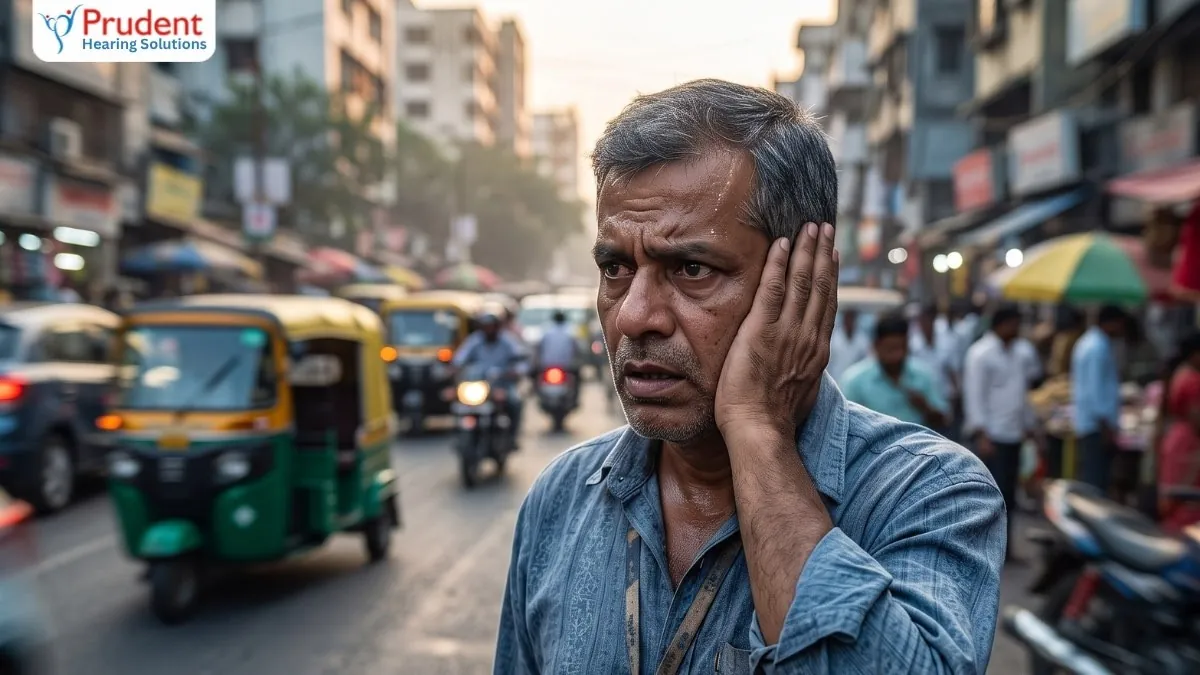
Loud music overstimulates and stresses the hair cells of the cochlea, your inner ear's sound-sensing organ. When these cells are pushed too hard, they misfire and send phantom signals your brain interprets as ringing, buzzing or hissing: that is tinnitus. A live concert typically measures 100-110 dB or higher, well past the 85 dB threshold where sound starts to injure hair cells (CDC NIOSH). The ringing is not harmless background noise; it is your ear telling you it took a hit.
Ringing ears after a concert: what is actually happening?
Concert-level noise causes acoustic trauma: physical overexposure of the hair cells. Right after the show you may notice ringing, a "full" or blocked feeling, and sounds seeming muffled. This is a temporary threshold shift: your hearing is genuinely dulled for a few hours to a few days while the cells recover. In our clinics we often see gig-goers who assume this dullness is just tiredness. Most temporary shifts resolve, but the louder and longer the exposure, the greater the risk that some damage becomes permanent (NIDCD).
How long does tinnitus last after a concert?
For most people, post-concert tinnitus eases within 24 to 72 hours. Recovery is faster if you give your ears a genuine break:
- Stay in quiet environments; skip headphones and loud venues for a day or two.
- Sleep well: rest supports recovery.
- Avoid a second loud exposure while your ears are still ringing.
There is no pill or drop that speeds hair-cell recovery. If the ringing has not clearly improved after about one week, or your hearing still feels reduced, get evaluated. Repeated episodes of post-concert ringing are a signal of cumulative risk, even when each one seems to fade (Cleveland Clinic).
Ears ringing after a concert that won't go away: what should I do?
Persistent post-concert tinnitus can mean the inner ear did not fully bounce back, leaving lasting damage. Treat these as red flags that need professional care:
- Ringing lasting beyond about a week.
- Any sudden hearing drop, or hearing that is clearly worse in one ear.
- Dizziness or a spinning sensation alongside the ringing.
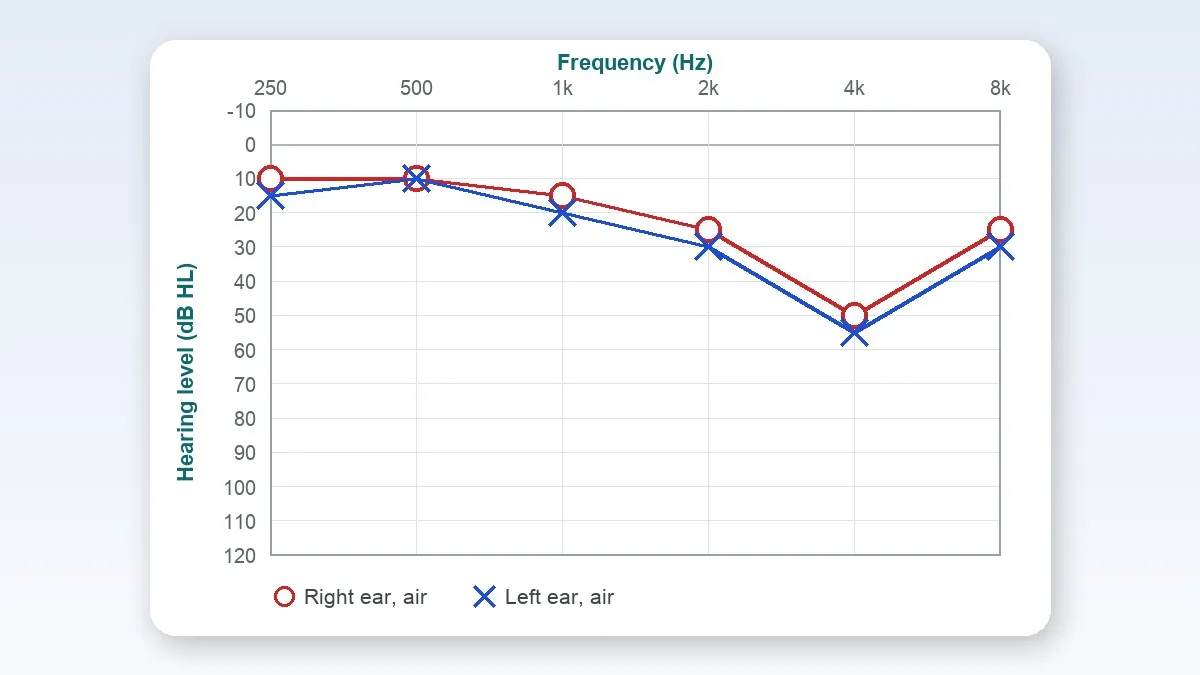
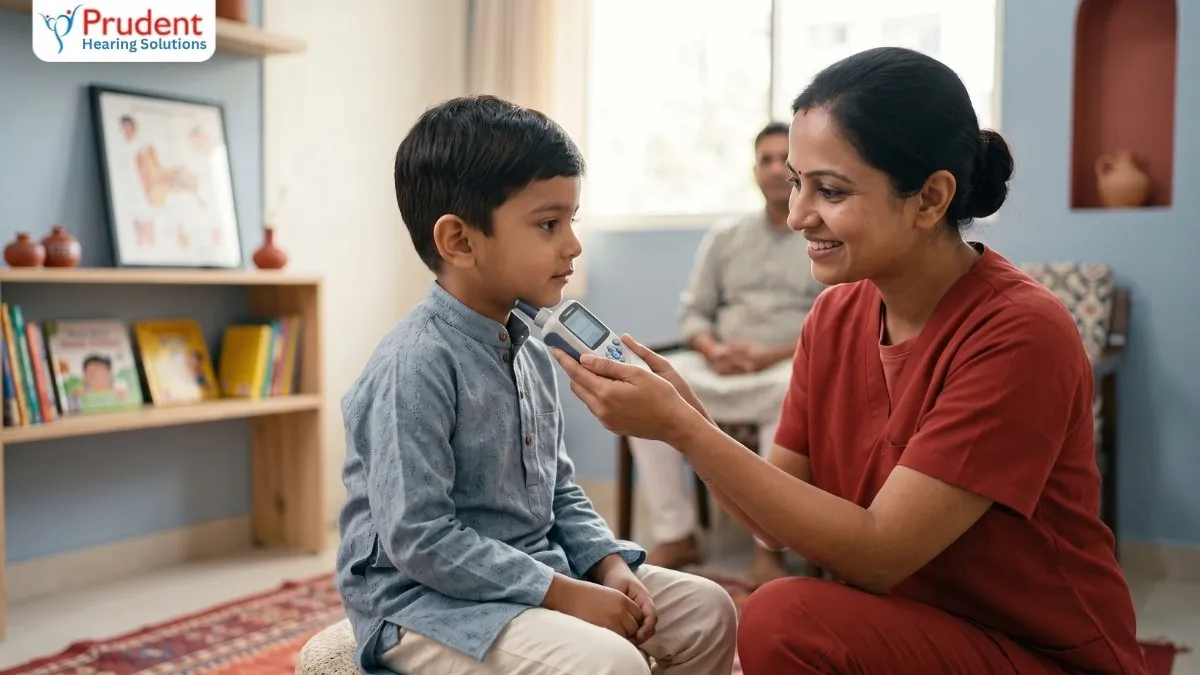
Sudden sensorineural hearing loss is a medical emergency and is best treated within 72 hours to two weeks, waiting reduces the chance of recovery (NIDCD, Sudden Deafness). A hearing test is quick and painless: an audiologist takes your history, examines your ears, and runs an audiogram to map your hearing across pitches, plus a tinnitus assessment if needed. Book a free hearing test or explore our tinnitus help service if the sound is affecting your sleep or concentration.
Is one loud concert enough to cause permanent damage?
It can be, though it is not the usual outcome. A single very loud exposure can cause permanent injury (acoustic trauma), but more often one concert produces a temporary shift that recovers. The real danger is cumulative: noise damage adds up over a lifetime of gigs, festivals, earbuds and loud workplaces. Noise-induced hearing loss is permanent, hair cells do not regrow, but it is almost entirely preventable (NIDCD, ASHA). That is why protecting your ears at every loud event matters, not just after a scare.
Which earplugs are best for concerts: foam, filtered, or custom?
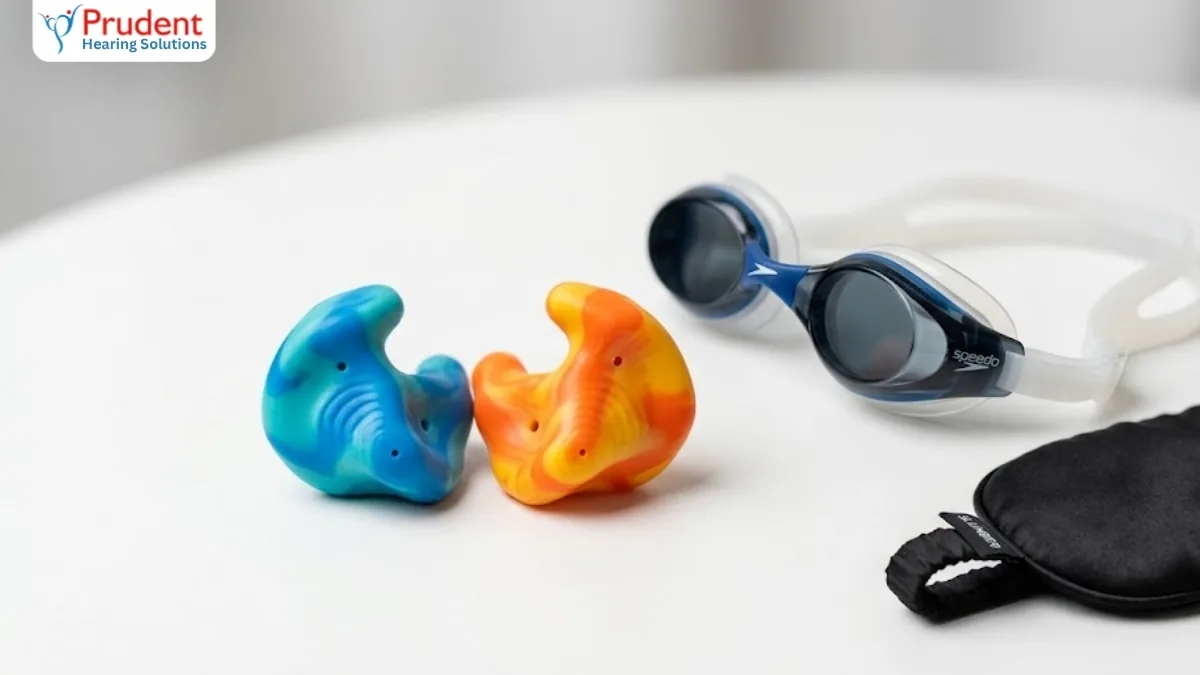
Not all hearing protection is equal. Foam plugs are cheap and available, but they muffle music and often get skipped. Filtered "musicians'" and custom earplugs lower the volume evenly so the mix still sounds clear, which means you actually keep them in.
- Foam earplugs. How it works: Blocks sound, cuts high frequencies most; Sound quality: Muffled, "boomy"; Best for: Emergencies, one-off events
- High-fidelity filtered earplugs. How it works: Reduces volume evenly across pitches; Sound quality: Clear, natural; Best for: Regular concert-goers
- Custom-moulded earplugs. How it works: Fitted to your ear canal with tuned filters; Sound quality: Clearest, most comfortable; Best for: Musicians, frequent festival-goers
The evidence is consistent: concert-goers who wear earplugs experience far less temporary hearing loss and tinnitus afterwards than those who do not (NIDCD hearing protectors).
Best earplugs for concerts: what to look for
For live music, choose high-fidelity or custom-fit earplugs rather than basic foam. They use an acoustic filter to bring the whole sound down evenly across pitches, so vocals and instruments stay balanced instead of sounding blocked. Check the noise reduction rating (NRR) on the packet as a rough guide to how much protection a plug offers (CDC NIOSH).
If you go to gigs often or play in a band, custom-moulded plugs are the most comfortable and consistent option. We fit custom concert and musicians' earplugs at our Pune, Delhi and Bengaluru clinics: contact us to arrange a fitting.
Simple ways to protect your hearing at loud events
- Wear earplugs: carry a filtered pair so you are never caught out.
- Step back from speakers; sound intensity drops sharply with distance.
- Take a quiet break every hour to give your ears recovery time.
- Keep personal-device volume down and limit how long you listen between events (WHO).
- Get a baseline hearing test so you can track any change over time.
Book a hearing test
If your ears are still ringing, or you simply want a baseline before the next festival, our RCI-registered audiologists can help. Book a free hearing test, ask about tinnitus help or custom concert earplugs, or call +91 9429690093. Same-day evaluation matters most when hearing loss is sudden: do not wait.
This article is general information, not medical advice: consult a qualified audiologist or doctor about your situation.
- /hearing-test: tinnitus assessment and management for lingering ringing
- /hearing-test: free baseline hearing test / audiogram
- /hearing-aids: treatment options if a test confirms hearing loss
- /contact: book a custom concert/musicians' earplug fitting or appointment
Continue reading
Frequently asked questions
How long should ringing last after a concert?
Usually 24-72 hours. If it lasts beyond about a week, or your hearing still feels reduced, see an audiologist for an assessment.
Is ringing after a concert a sign of hearing damage?
Yes, it signals your hair cells were overstressed. A single episode often recovers, but repeated ringing indicates cumulative risk of permanent noise-induced hearing loss (Cleveland Clinic).
When is post-concert ringing an emergency?
When it comes with sudden hearing loss, one-sided hearing loss, or dizziness, or when ringing persists past ~1 week. Sudden sensorineural hearing loss needs same-day ENT or audiology care, ideally within 72 hours (NIDCD: Sudden Deafness).
Can loud music cause permanent tinnitus?
It can. Repeated or intense exposure can leave tinnitus that does not fully resolve. There is no cure, but management approaches such as sound therapy and counselling can reduce its impact.
Do earplugs really help at concerts?
Yes. High-fidelity earplugs lower volume evenly, and studies show earplug users have much less temporary hearing loss and tinnitus after loud events (NIDCD).
What happens during a hearing test after a concert?
An audiologist reviews your history, examines your ears, and runs an audiogram to measure your hearing across frequencies. It is quick, painless, and gives a clear picture of any damage.
Sources & further reading
We cross-checked this article against the following authoritative sources. Guidance and figures reflect the most recent public guidance available at the time of last review (September 2026). Clinical review by the Prudent Hearing clinical team.
- Noise-Induced Hearing Loss (NIDCD)
- Sudden Deafness (Sudden Sensorineural Hearing Loss) (NIDCD)
- Hearing Protectors (NIDCD)
- Ears Ringing From a Loud Concert? Why That's Not a Good Sign (Cleveland Clinic)
- About Noise (CDC NIOSH)
- Preventing Hearing Loss (CDC NIOSH)
- Noise and Hearing Loss (ASHA)
- Deafness and Hearing Loss (WHO)
Free consultation
Ready to hear the difference?
Book a free 45-minute hearing test at any Prudent Hearing clinic: no obligation, honest advice, expert audiologists.