Educational information, not medical advice. This article is written to help you understand common ear and hearing issues. It is not a substitute for professional diagnosis or treatment. If your symptoms are severe, sudden, or persistent, please consult a qualified doctor or audiologist. For urgent symptoms (sudden hearing loss, bleeding from the ear, severe pain with dizziness, or a head injury), seek medical care the same day.
Can Ozempic, Wegovy or Mounjaro cause tinnitus or hearing loss? What the 2025-26 evidence shows, why it stays unproven, and when ear ringing needs urgent care.
Quick answer
There is no proven link between GLP-1 medications like Ozempic, Wegovy or Mounjaro and tinnitus or hearing loss. Post-marketing safety databases and one 2025 ENT review have flagged an early "signal" for ear ringing and fullness, but this is unproven, and tinnitus is not listed in the FDA label. If you notice new ear symptoms, get a baseline hearing test and speak to your prescriber. Never stop the medication on your own.
Key takeaways
- The evidence is emerging and mixed, not established. A safety signal is a flag for further study, not proof the drug caused anything.
- Do not stop your medication because of ear ringing. Talk to the doctor who prescribed it first.
- Sudden hearing loss in one ear is a medical emergency: seek same-day care, whether or not you take a GLP-1 drug.
- New or persistent tinnitus deserves a baseline hearing and tinnitus assessment to rule out common, treatable causes.
- Many everyday factors (noise, ear wax, blood pressure, stress, dehydration) cause tinnitus far more often than any new medicine.
There is no proven link between GLP-1 medications like Ozempic, Wegovy or Mounjaro and tinnitus or hearing loss. Post-marketing safety databases and one 2025 ENT review have flagged an early "signal" for ear ringing and fullness, but this is unproven, and tinnitus is not listed in the FDA label. If you notice new ear symptoms, get a baseline hearing test and speak to your prescriber. Never stop the medication on your own.
URGENT: when ear symptoms need same-day care
Book emergency or ENT care the same day, do not wait for a routine appointment, if you experience any of these:
- Hearing that suddenly drops or goes muffled in one ear (over minutes to a couple of days)
- A sudden roar, hiss or ringing in one ear with a sense of blockage
- Ear symptoms with severe dizziness, facial weakness or slurred speech
Sudden sensorineural hearing loss is treatable, but the window matters: treatment works best when it starts as soon as possible, so seek care the same day rather than waiting. This is true for everyone, and it is not a reason to stop a prescribed GLP-1 drug. Call us on +91 9429690093 or reach out through our contact page if you need to be seen quickly.
Does Ozempic cause tinnitus?
There is no confirmed causal link between semaglutide (Ozempic, Wegovy) and tinnitus. What exists is a pharmacovigilance signal: analyses of the FDA's adverse-event reporting system (FAERS) and a 2025 Laryngoscope review of ear, nose and throat side effects noted more reports of tinnitus and ear fullness than expected for some GLP-1 medicines. A signal means "worth studying further": it does not establish cause and effect, and tinnitus is not in the official prescribing information. If ringing starts, get a baseline tinnitus and hearing test and tell your prescriber (MedlinePlus: tinnitus).
Why a "safety signal" is not the same as proof
Adverse-event databases collect voluntary reports. When millions of people take a drug that is dominating health conversations, more of their symptoms, including common ones like tinnitus, get reported alongside it. Statistical tools can flag when a symptom appears more often than expected, and that flag is a signal worth investigating (PubMed: GLP-1 otologic adverse-event analysis).
It cannot separate coincidence from cause, account for other medicines, or confirm the timing. In our clinics we often see people arrive convinced a new pill triggered their ringing, only to find noise exposure or ear wax was the real driver. Honest reporting of a signal is responsible; treating it as proof is not.
Ozempic and ear ringing: what else could be causing it?
"Ear ringing" is the everyday term for tinnitus. Before assuming any medication is responsible, it helps to rule out the far more common causes we assess every week:
- Noise exposure: concerts, headphones, workplaces, or a single loud event
- Ear wax (cerumen) blockage: a frequent, easily treated cause
- Blood pressure changes and cardiovascular factors
- Dehydration: relevant here, because GLP-1 drugs can cause nausea, vomiting or reduced fluid intake, and dehydration can make tinnitus feel worse
- Stress, poor sleep and caffeine
A structured assessment sorts these out quickly. Start with a free hearing test and a tinnitus evaluation.
Does semaglutide cause hearing loss?
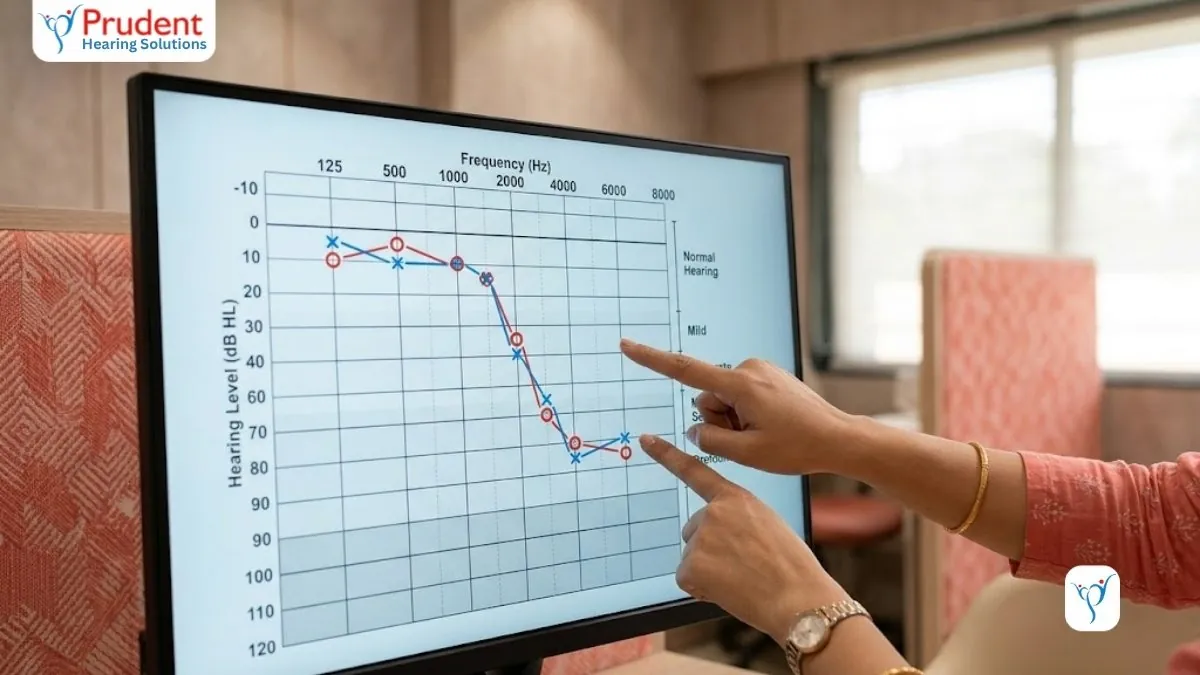
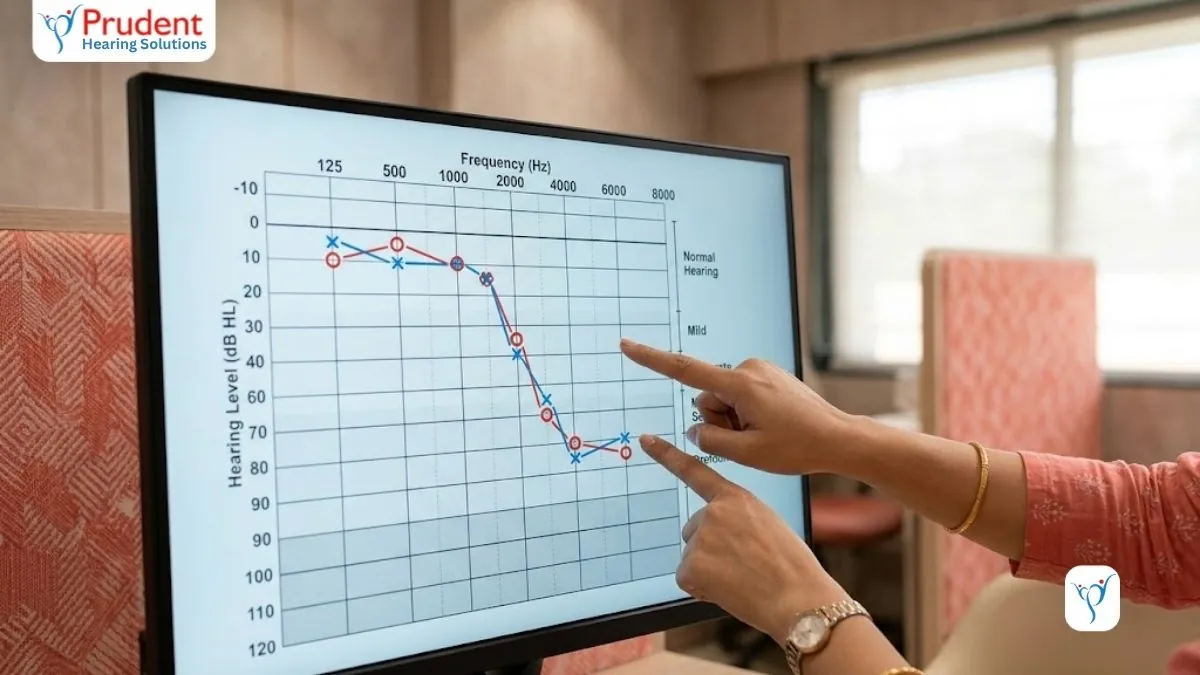
No confirmed hearing loss has been shown in the clinical trials or the FDA label for semaglutide. The reports that exist are post-marketing signals and individual case reports, and it is important to separate tinnitus (a symptom of ringing) from audiometric hearing loss (a measured drop in hearing on a test).
They are not the same thing, and a person can have one without the other. If you develop ear symptoms while on semaglutide, the sensible step is a baseline audiogram so any change can be tracked objectively (ASHA: ototoxic medications; MedlinePlus: hearing loss). Sudden one-sided hearing loss, as above, is always an emergency.
Does Mounjaro (tirzepatide) cause tinnitus?
The same emerging signal seen with semaglutide has been reported across the GLP-1 class, which includes tirzepatide (Mounjaro, Zepbound). The evidence for tirzepatide is newer and thinner than for semaglutide, and causation is again unproven (Laryngoscope, 2025). Tirzepatide is now available in India, so this is a live question for many patients here.
The advice does not change: if you notice new tinnitus, arrange a tinnitus assessment, discuss it with your prescriber, and treat any sudden hearing change as urgent. Do not discontinue a medicine that is helping your diabetes or weight management without medical guidance.
Weight-loss injection hearing side effects: what has actually been reported?
Across the GLP-1 class, the ear-related events described in safety reports and the 2025 ENT review include tinnitus, a sense of ear fullness, and Eustachian tube dysfunction (a blocked-ear feeling). All of this remains emerging and unproven: a list of what people reported, not a confirmed drug effect (PubMed).
A practical approach for anyone starting or already on these drugs is a baseline hearing test, so that if a symptom appears later, there is a clear point of comparison rather than guesswork. A home-visit hearing test is an option for patients who find it hard to travel.
GLP-1 drugs and your ears: what the evidence supports
- Does it cause tinnitus? What the evidence shows (2026): Early FAERS/ENT-review signal only; not in FDA label; Strength: Emerging / unproven; What to do: Baseline tinnitus check; tell prescriber
- Does it cause hearing loss? What the evidence shows (2026): No confirmed loss in trials or label; isolated reports; Strength: Emerging / unproven; What to do: Baseline audiogram if symptoms start
- Ear fullness / blocked feeling. What the evidence shows (2026): Reported across the class; Strength: Emerging / unproven; What to do: Assessment; rule out Eustachian, wax
- Sudden one-sided hearing loss. What the evidence shows (2026): Not attributed to GLP-1 drugs; Strength: Established emergency (any cause); What to do: Same-day ENT/emergency care
- Should I stop the drug over ear symptoms? , What the evidence shows (2026): No, stopping is not advised on your own; Strength: Clear guidance; What to do: Discuss with prescriber first
What to do if you notice ear symptoms on a GLP-1 drug
1. Do not stop the medication on your own. Note when symptoms started and how they behave. 2. Book a hearing and tinnitus assessment to establish a baseline and rule out common causes like wax or noise. 3. Tell your prescriber so the medication and your symptoms can be reviewed together. 4. Act immediately for red flags: sudden loss, severe dizziness or one-sided symptoms need same-day care. 5. Stay hydrated, especially if the drug is causing nausea, as dehydration can worsen tinnitus.
Talk to an audiologist
New ear ringing while starting a weight-loss or diabetes medication is worth checking, not to alarm you, but to rule out the common, treatable causes and give you a clear baseline. Our RCI-registered audiologists in Pune, Delhi and Bengaluru can assess your hearing and tinnitus, and coordinate with your prescriber. Book a free hearing test or a tinnitus assessment, request a home visit, or call +91 9429690093. No pressure, just an honest answer about your ears.
Continue reading
Frequently asked questions
Should I stop Ozempic if my ears start ringing?
No. Do not stop a prescribed medication on your own. Ringing has many common causes. Get a hearing and tinnitus check, and discuss the symptom with the doctor who prescribed the drug.
Is tinnitus listed as an official side effect of Ozempic or Wegovy?
No. Tinnitus is not listed in the FDA prescribing information. The link comes from early safety-database signals and one 2025 ENT review, which are not proof of cause.
Can Mounjaro cause hearing loss?
There is no confirmed hearing loss caused by Mounjaro (tirzepatide) in trials or its label. The evidence is limited and unproven. If you notice a change, get a baseline audiogram and speak to your prescriber.
How do I know if it's the drug or something else?
You often can't tell from symptoms alone. An audiologist can check for wax, measure your hearing, and assess the tinnitus, which helps separate a common cause from a possible medication effect.
When is ear ringing an emergency?
When it comes with sudden hearing loss or muffling in one ear, or with severe dizziness or facial weakness. That needs same-day medical care: seek it as soon as possible.
Does dehydration from these drugs affect my ears?
It can. Nausea and reduced fluid intake can leave you dehydrated, which may make tinnitus feel more noticeable. Staying well hydrated helps.
Sources & further reading
We cross-checked this article against the following authoritative sources. Guidance and figures reflect the most recent public guidance available at the time of last review (September 2026). Clinical review by the Prudent Hearing clinical team.
- Tinnitus (MedlinePlus)
- Otolaryngologic adverse events associated with GLP-1 receptor agonists (Laryngoscope (2025))
- GLP-1 receptor agonist otologic adverse-event analysis (PubMed)
- Ototoxic Medications (Medications That Can Affect Hearing) (ASHA)
- Hearing loss (MedlinePlus)
Free consultation
Ready to hear the difference?
Book a free 45-minute hearing test at any Prudent Hearing clinic: no obligation, honest advice, expert audiologists.