Educational information, not medical advice. This article is written to help you understand common ear and hearing issues. It is not a substitute for professional diagnosis or treatment. If your symptoms are severe, sudden, or persistent, please consult a qualified doctor or audiologist. For urgent symptoms (sudden hearing loss, bleeding from the ear, severe pain with dizziness, or a head injury), seek medical care the same day.
Cisplatin and carboplatin can cause permanent hearing loss. Learn which chemo drugs are ototoxic, how monitoring works, and how to protect your ears.
Quick answer
Some cancer drugs can permanently damage hearing. The main culprits are the platinum-based chemotherapy agents (cisplatin and, to a lesser degree, carboplatin) which are toxic to the inner ear (cochlea). They can cause permanent, high-frequency-first sensorineural hearing loss and tinnitus. The most reliable protection is a baseline hearing test before treatment, regular monitoring during it, and early action if your hearing changes. Never stop or delay cancer treatment because of hearing worries: speak to your oncology team.
Key takeaways
- Cisplatin is a proven cochleotoxin. It causes permanent hearing loss in 40–80% of adult patients and at least half of children, per NIH-supported research.
- Damage usually starts in the high frequencies and can appear during or even years after treatment, so monitoring matters.
- Tinnitus (ringing) is often an early warning sign before hearing loss shows up on speech.
- Sodium thiosulfate (Pedmark) is FDA-approved to reduce cisplatin-related hearing loss in some children. An oncology decision, not a do-it-yourself option.
- Your audiologist's job is monitoring and support through baseline and serial audiograms; your oncologist's job is your cancer treatment. The two work together.
Some cancer drugs can permanently damage hearing. The main culprits are the platinum-based chemotherapy agents (cisplatin and, to a lesser degree, carboplatin) which are toxic to the inner ear (cochlea). They can cause permanent, high-frequency-first sensorineural hearing loss and tinnitus. The most reliable protection is a baseline hearing test before treatment, regular monitoring during it, and early action if your hearing changes. Never stop or delay cancer treatment because of hearing worries: speak to your oncology team.
Which chemotherapy drugs cause hearing loss?
The chemotherapy drugs most strongly linked to hearing loss are the platinum agents: cisplatin (highest risk) and carboplatin (generally lower risk, but significant at high or myeloablative doses). These are described as ototoxic, capable of harming the inner ear, by the American Speech-Language-Hearing Association and in Harvard Health's ototoxic-drug overview. Not every chemotherapy regimen carries this risk. If your treatment plan includes a platinum drug, ask your oncologist whether hearing monitoring is part of your care.
In our clinics we often meet patients and parents who were never told that a "life-saving" drug could also affect hearing. Knowing the risk in advance does not change the treatment decision, the cancer is treated first, but it lets you set up a baseline test and catch any change early.
How does cisplatin cause hearing loss?
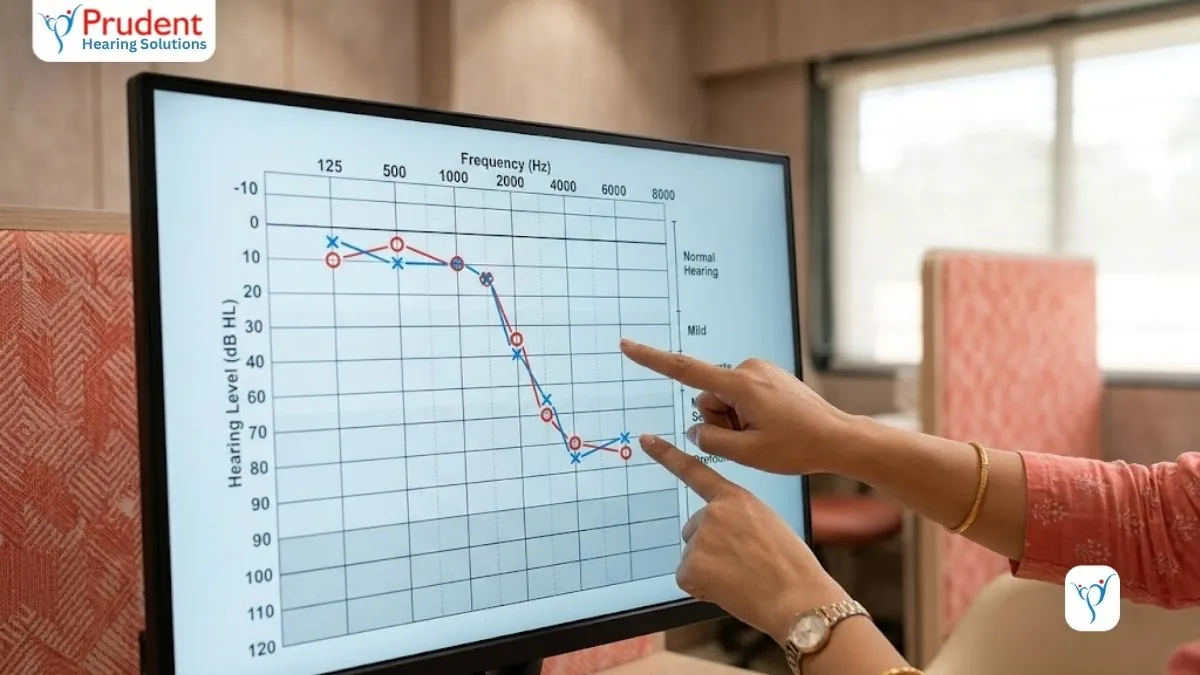
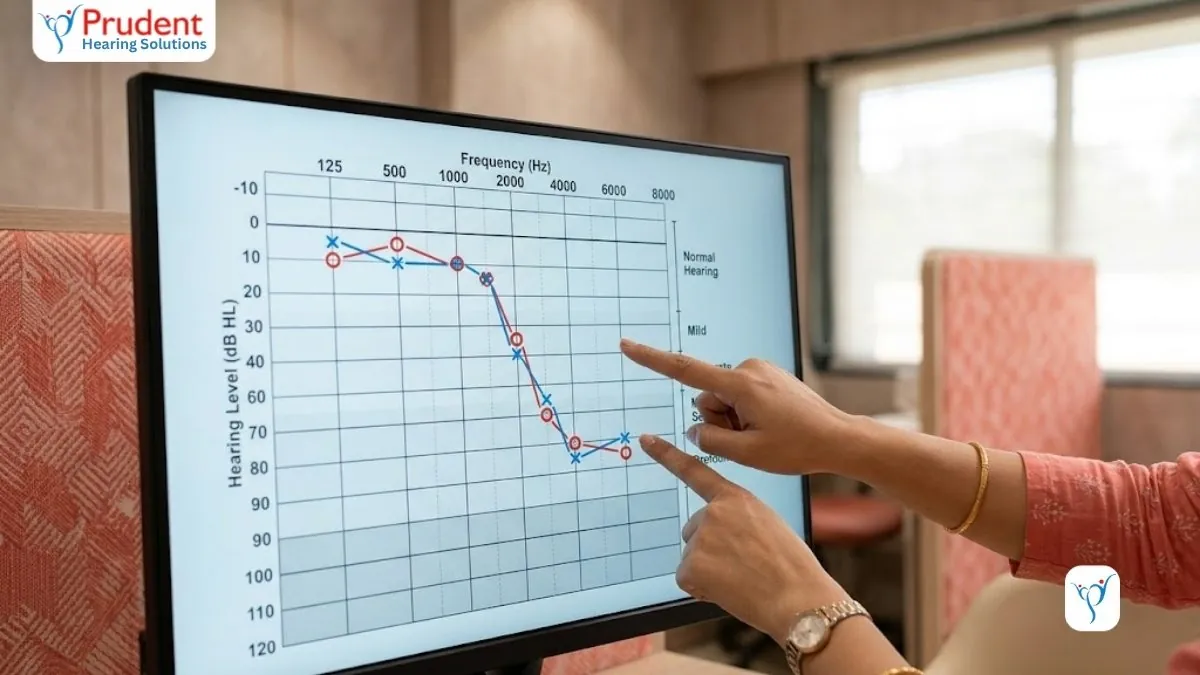
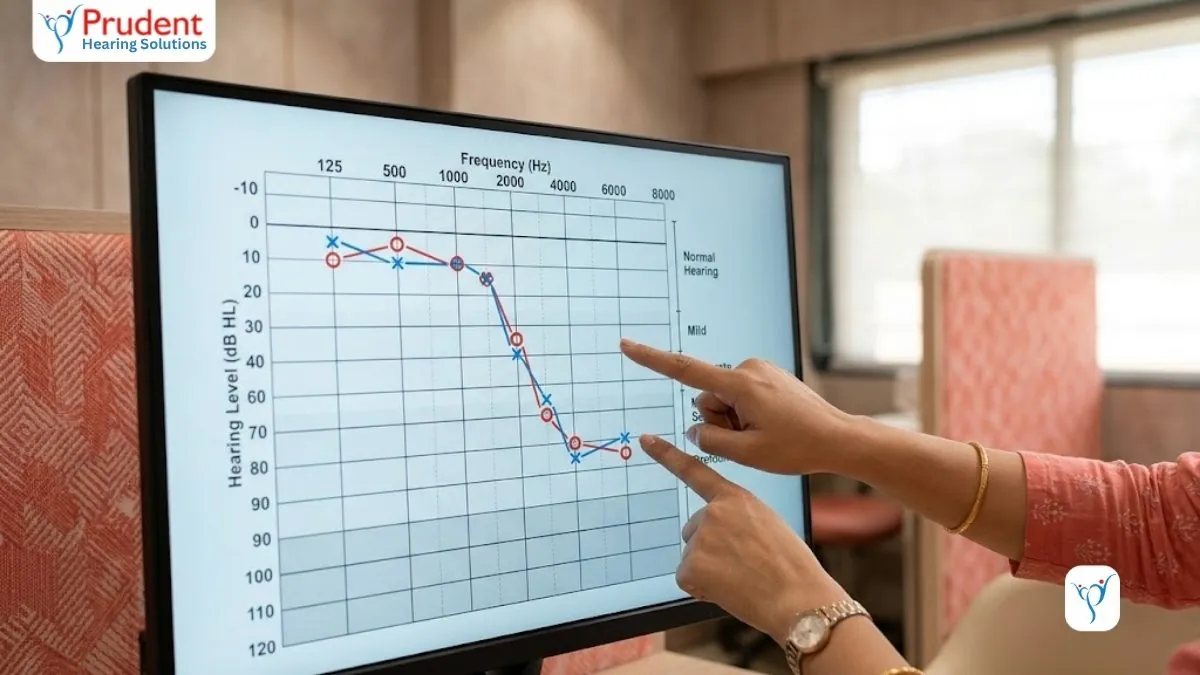
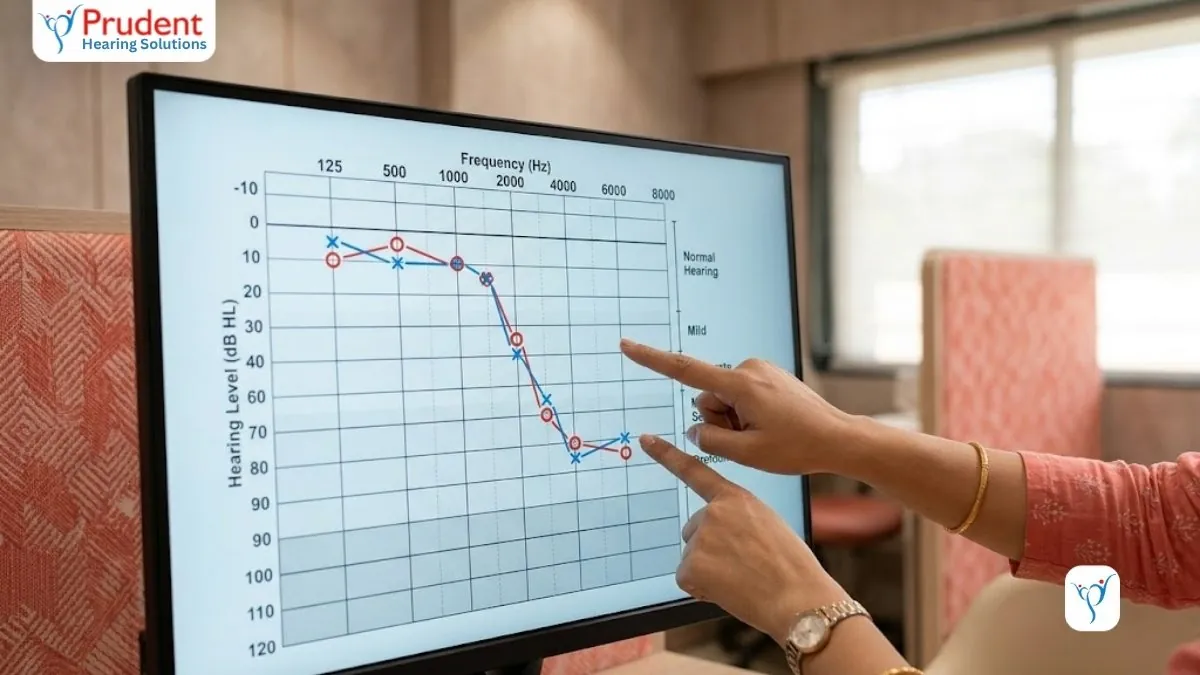
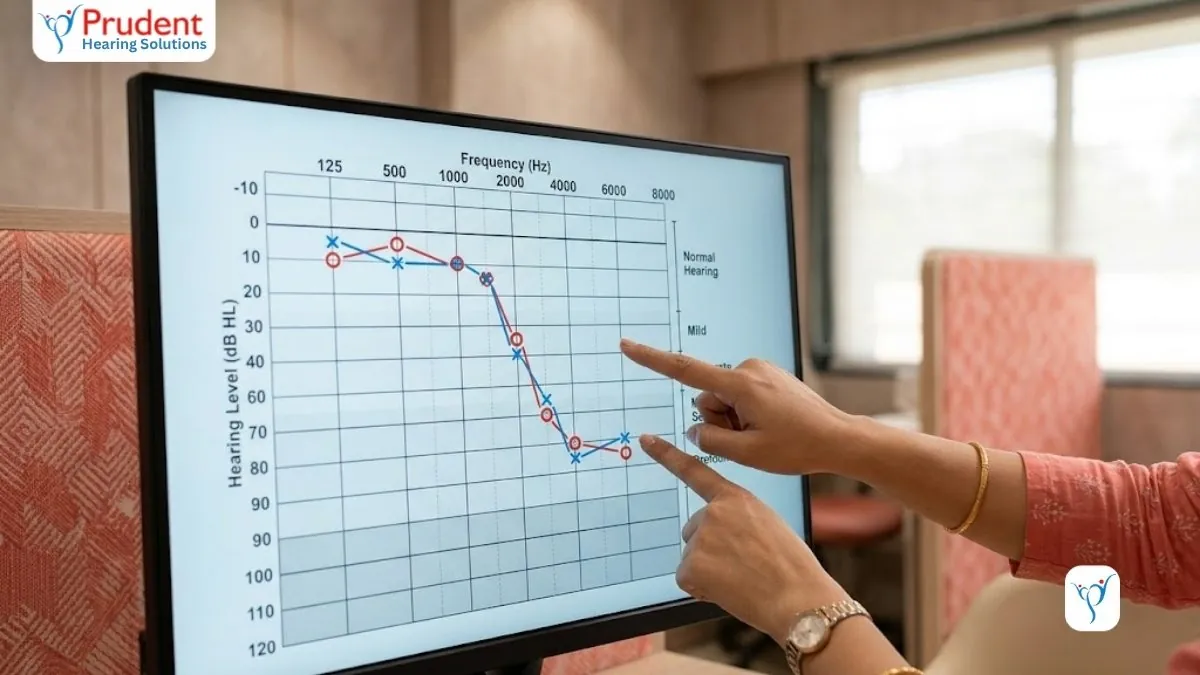
Cisplatin damages the delicate hair cells of the cochlea, the sensory cells that convert sound into nerve signals. Because these cells do not regenerate, the resulting sensorineural hearing loss is usually permanent. NIH researchers have shown that cisplatin builds up in the inner ear and stays there far longer than in most other tissues, which helps explain why the loss is often lasting and can worsen over time. The damage typically affects high frequencies first, so early on you may still hear speech clearly while struggling with high-pitched sounds.
Does cisplatin cause hearing loss in children?
Yes, and children are more vulnerable than adults. Cisplatin-related permanent sensorineural hearing loss is reported in a large share of treated children, in up to 75% of children, according to the NCI/FDA discussion of paediatric otoprotection. This matters most during the years a child is learning to speak, because untreated hearing loss can hold back speech, language and classroom learning. For children on platinum chemotherapy, paediatric audiology monitoring is important, and families should ask the oncology team about otoprotection such as sodium thiosulfate where appropriate.
What is sodium thiosulfate (Pedmark) and does it protect hearing?
Sodium thiosulfate is a medicine that helps shield cochlear hair cells from cisplatin's toxic effects. In 2022 the US FDA approved it (brand name Pedmark) to reduce the risk of cisplatin-associated hearing loss in children aged one month and older with localised, non-metastatic solid tumours, as reported by the National Cancer Institute. The approval was supported by randomised trials, including SIOPEL-6 and the Children's Oncology Group ACCL0431 study. Important points to understand:
- It is given by the oncology team as part of treatment: it is not something you can buy or take on your own.
- It is approved for specific paediatric situations; suitability depends on the tumour type and treatment plan.
- Even with otoprotection, audiology monitoring is still needed to confirm hearing is being preserved.
Ask your oncologist whether it applies to your or your child's case.
Does carboplatin cause tinnitus and hearing loss?
Carboplatin is also platinum-based and can be ototoxic, though the risk is generally lower than with cisplatin. That risk rises at high or myeloablative doses, such as those used before stem-cell transplant, as noted in the Merck Manuals professional reference on drug-induced ototoxicity. Tinnitus (ringing, buzzing or hissing in the ears) often appears before a measurable drop shows on a hearing test, which is why any new ringing during treatment is worth reporting. Baseline and follow-up audiograms let your team track subtle changes and coordinate care with oncology.
Chemotherapy drugs and hearing risk: a quick comparison
- Cisplatin. Type: Platinum; Hearing-loss risk: Highest of the platinum agents; Reversible?: Usually permanent; Common early sign: High-pitch loss, tinnitus
- Carboplatin. Type: Platinum; Hearing-loss risk: Lower; higher at high/transplant doses; Reversible?: Usually permanent; Common early sign: Tinnitus, high-pitch loss
- Aspirin / NSAIDs (supportive meds). Type: Salicylate/NSAID; Hearing-loss risk: Dose-dependent; Reversible?: Usually reversible; Common early sign: Tinnitus
- Loop diuretics (supportive meds). Type: Diuretic; Hearing-loss risk: Higher when combined with platinum drugs; Reversible?: Often reversible; Common early sign: Muffled hearing, tinnitus
Sources: ASHA, Merck Manuals, MedlinePlus. This table is general information; your actual risk depends on your dose, other medicines and overall health.
How to protect your hearing during chemotherapy
You cannot always prevent chemotherapy-related hearing loss, but you can catch it early and manage it well:
1. Get a baseline hearing test before treatment starts. This gives your team a reference point to compare against. Book a free hearing test if one is not already arranged. 2. Attend monitoring audiograms during and after treatment. Ototoxicity monitoring is designed to spot high-frequency changes before they affect everyday speech. 3. Report new tinnitus, muffled hearing or dizziness promptly. These can be early signs.
4. Ask your oncologist about otoprotection such as sodium thiosulfate if a child is on cisplatin. 5. Tell your team about all other medicines, since some supportive drugs (like loop diuretics) can add to the risk. 6. Plan for support if hearing changes: modern hearing aids and tinnitus help can make a real difference to quality of life during and after treatment.
For patients who are unwell or immunosuppressed during treatment, we also offer a home-visit hearing test so monitoring does not mean an extra trip to the clinic.
When is a hearing change an emergency?
Gradual high-frequency loss detected on monitoring is expected and is not an emergency: it is exactly what testing is meant to find. But sudden or rapidly worsening hearing loss, especially in one ear, along with new severe dizziness or a sudden loud ringing, should be treated urgently. Contact your audiology and oncology team the same day. Sudden sensorineural hearing loss in general is a recognised medical emergency, and prompt assessment gives the best chance of a good outcome.
Talk to us about hearing monitoring
If you or a family member is starting platinum-based chemotherapy, a baseline hearing test and a simple monitoring plan can protect what matters. Our RCI-registered audiologists (MASLP/BASLP) work alongside your oncology team across Pune, Delhi and Bengaluru. Book a free hearing test, ask about home visits during treatment, or contact us or call +91 9429690093 to set up ototoxicity monitoring. No pressure, just clear, careful support.
Continue reading
Frequently asked questions
Is chemotherapy hearing loss permanent?
Hearing loss from platinum drugs such as cisplatin is usually permanent, because it damages inner-ear hair cells that do not regrow, per NIH research. Some hearing changes from supportive medicines like aspirin or loop diuretics can be reversible.
Can I stop chemotherapy to save my hearing?
No, never stop or change cancer treatment on your own. Treating the cancer comes first. Any dose or drug adjustment is a decision for your oncology team, who can weigh it against hearing-monitoring results.
When should I get my hearing tested during cancer treatment?
Ideally before treatment begins (a baseline), then at regular intervals during and after, as advised by your team. Report any new ringing, muffled hearing or dizziness between appointments.
Does carboplatin damage hearing as much as cisplatin?
Generally the risk is lower with carboplatin, but it rises with high or transplant-level doses, according to the Merck Manuals. Monitoring is still worthwhile.
Is tinnitus a warning sign?
Yes. Ringing in the ears often appears before hearing loss shows up on a test, so new tinnitus during chemotherapy should be reported. Read more on our tinnitus help page.
Is sodium thiosulfate available for adults?
Its FDA approval is for specific paediatric solid-tumour situations, as described by the NCI. Whether any otoprotection applies to an adult is a question for the treating oncologist.
Sources & further reading
We cross-checked this article against the following authoritative sources. Guidance and figures reflect the most recent public guidance available at the time of last review (September 2026). Clinical review by the Prudent Hearing clinical team.
- NIDCD (NIH): Study on why a common cancer drug causes hearing loss (nidcd.nih.gov)
- National Cancer Institute: FDA approval of sodium thiosulfate for cisplatin hearing loss in children (cancer.gov)
- ASHA: Ototoxic Medications (asha.org)
- medications that may harm hearing (Harvard Health: Ototoxic drugs)
- Merck Manuals: Drug-induced ototoxicity (merckmanuals.com)
- MedlinePlus: Ototoxicity (medlineplus.gov)
Free consultation
Ready to hear the difference?
Book a free 45-minute hearing test at any Prudent Hearing clinic: no obligation, honest advice, expert audiologists.