Educational information, not medical advice. This article is written to help you understand common ear and hearing issues. It is not a substitute for professional diagnosis or treatment. If your symptoms are severe, sudden, or persistent, please consult a qualified doctor or audiologist. For urgent symptoms (sudden hearing loss, bleeding from the ear, severe pain with dizziness, or a head injury), seek medical care the same day.
Cisplatin can cause permanent hearing loss in children. Learn why kids are more vulnerable, how it affects speech, sodium thiosulfate protection, and audiology monitoring.
Quick answer
Yes, cisplatin can cause permanent hearing loss in children. It damages the sensory hair cells of the inner ear, producing sensorineural hearing loss that usually affects high frequencies first and does not recover. Children are more vulnerable than adults, and because hearing shapes speech and language, early pediatric audiology monitoring and protective options like sodium thiosulfate matter.
Key takeaways
- Cisplatin is ototoxic. It injures inner-ear hair cells, causing permanent, typically high-frequency sensorineural hearing loss.
- Children are especially susceptible, and hearing loss during early childhood can slow speech and language development.
- Sodium thiosulfate (Pedmark) is FDA-approved to reduce cisplatin-related hearing loss in some children with localised tumours: a protection to raise with the oncology team.
- Baseline and repeat pediatric audiology tests during and after treatment allow early detection.
- Cancer care always comes first. Any protection or dose change is decided with your oncology team, not on your own.
Yes, cisplatin can cause permanent hearing loss in children. It damages the sensory hair cells of the inner ear, producing sensorineural hearing loss that usually affects high frequencies first and does not recover. Children are more vulnerable than adults, and because hearing shapes speech and language, early pediatric audiology monitoring and protective options like sodium thiosulfate matter.
Why does cisplatin damage a child's hearing?
Cisplatin is a highly effective chemotherapy drug used against several childhood cancers. It also accumulates in the cochlea, the hearing organ of the inner ear. There it triggers oxidative stress that destroys hair cells, the tiny sensory cells that convert sound into nerve signals. Human hair cells do not regenerate, so this damage is permanent.
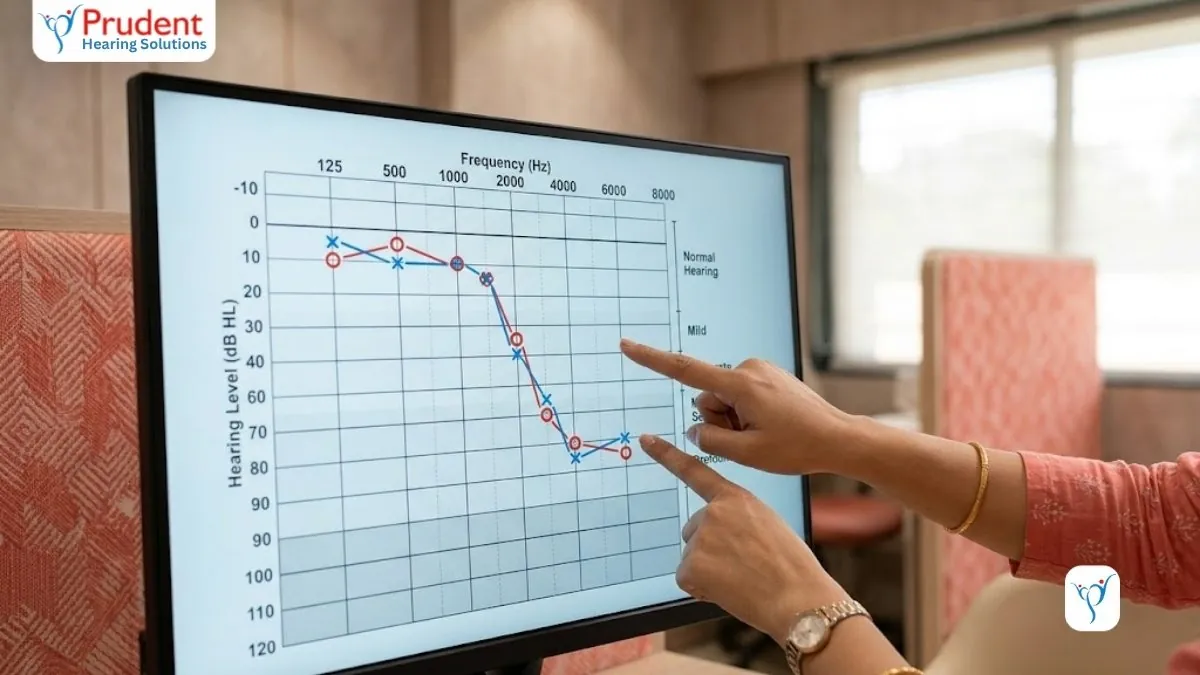
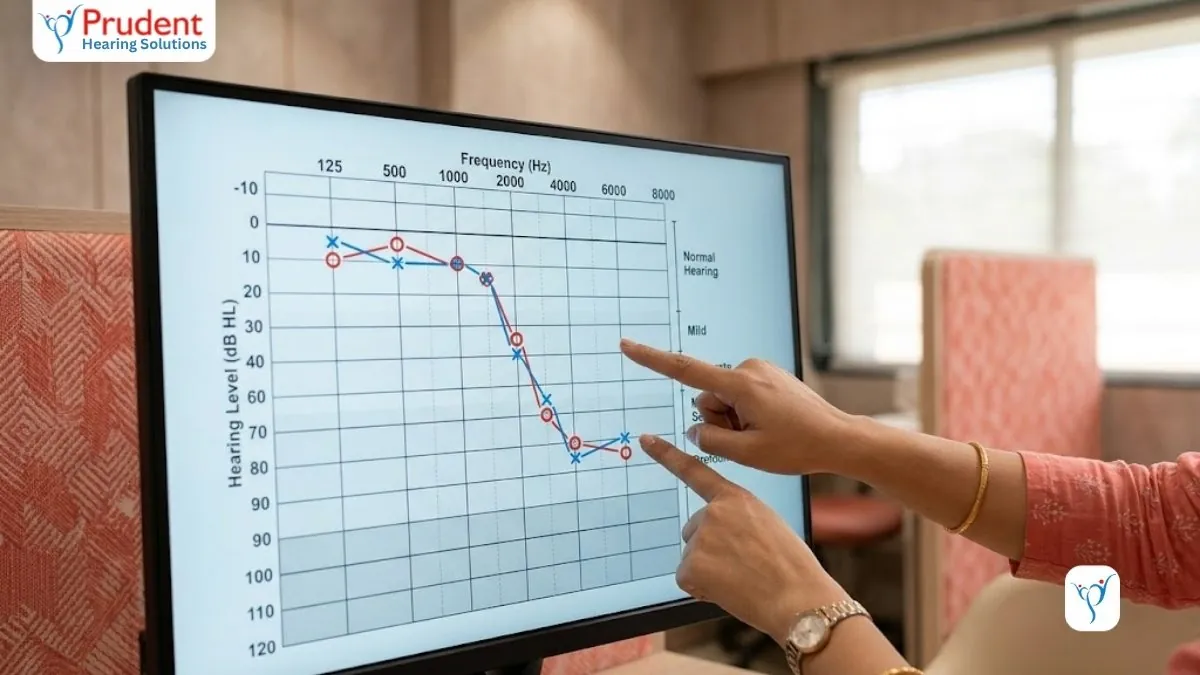
The loss usually begins at high frequencies, the range that carries consonant sounds like "s," "f," and "t." Early on, a child may hear that speech is present but miss its clarity. The NIDCD explains that cisplatin is retained in the cochlea far longer than in other tissues, which helps explain why hearing loss can appear during treatment and sometimes progress afterwards.
Are children more at risk than adults?
Yes. Younger children, higher cumulative doses, and combination with cranial radiation or other ototoxic drugs all raise the risk. General ototoxicity references, including ASHA and the Merck Manuals, list platinum-based drugs among the agents most consistently linked to permanent hearing damage.
The stakes are higher in children for a developmental reason. A very young child is still learning to hear, listen, and speak. If high-frequency hearing fades during this window, speech sounds become blurred, vocabulary can lag, and classroom learning may suffer. This is why paediatric oncology and audiology teams treat hearing as part of overall care, not an afterthought.
Can cisplatin hearing loss be prevented? Sodium thiosulfate (Pedmark)
There is now an approved option worth discussing. Sodium thiosulfate is the first medicine approved specifically to reduce cisplatin-related hearing loss in children. In 2022 the FDA approved it (brand name Pedmark) to lower the risk of ototoxicity in some paediatric patients with localised, non-metastatic solid tumours, based on trials reported by the National Cancer Institute.
Two points matter for parents. First, it does not eliminate all risk; some children still develop hearing loss. Second, its use depends on the cancer type and stage, because there is concern it could reduce cisplatin's effectiveness in cancers that have spread. Whether it is suitable is a decision for the oncology team. Ask them directly: "Is sodium thiosulfate an option for my child?"
If you want to understand how this protection works and the trial evidence behind it, see our dedicated guide, Sodium Thiosulfate (Pedmark): How the FDA-Approved Cisplatin Ear Protector Works.
How is hearing monitored during treatment?
Monitoring is the single most reliable way to catch damage early. Standard practice is a baseline hearing test before cisplatin starts, repeat tests during treatment, and follow-up for years afterwards, since some loss emerges late.
Paediatric audiologists use age-appropriate methods, from behavioural play tests to otoacoustic emissions and high-frequency audiometry that flags early cochlear change. If tests show hearing slipping, the team can weigh options together. If your child has completed cisplatin, a full hearing test establishes where things stand and guides follow-up. Families who find clinic visits difficult can ask about a home visit for assessment.
What if my child already has hearing loss?
Cisplatin-related loss is not reversible, but it is very manageable. The priority is restoring access to speech so learning and language continue. Depending on severity, options range from hearing aids to cochlear implants for profound loss, alongside classroom support and speech-language therapy. Early fitting matters most in young children.
Prudent Hearing Solutions works with families on paediatric fittings and follow-up. If you have questions about your child's results, contact us to plan the next step. For the wider picture of how chemotherapy affects hearing, see our pillar guide, Chemotherapy and Hearing Loss: Which Cancer Drugs Affect Your Ears and How to Protect Them.
Watch for warning signs at home: not responding to soft sounds, turning up the volume, saying "what?" often, or new balance trouble. Report any sudden change to the medical team promptly.
Continue reading
Frequently asked questions
Does every child on cisplatin lose hearing?
No. Risk varies with dose, age, and other treatments. Many children keep useful hearing, but a meaningful share develop permanent, usually high-frequency loss. This is why monitoring is standard, as ASHA notes for ototoxic drugs.
Can cisplatin hearing loss be reversed?
Generally no. The inner-ear hair cells it damages do not regrow, so the loss is usually permanent, per MedlinePlus. Hearing aids, cochlear implants, and therapy restore access to sound.
Is sodium thiosulfate safe for all children?
Not necessarily. The NCI reports it is approved for certain localised tumours, and it may not suit cancers that have spread. Only the oncology team can decide.
When should my child's hearing be tested?
Before treatment starts, during treatment, and for years afterwards, since some loss appears late. Ask your paediatric oncologist to arrange audiology monitoring, or book a hearing test.
Can other medicines add to the risk?
Yes. Combining cisplatin with certain antibiotics, loop diuretics, or cranial radiation can increase ototoxicity, as the Harvard Health list of ototoxic drugs describes. Tell the care team about every medicine your child takes.
Sources & further reading
We cross-checked this article against the following authoritative sources. Guidance and figures reflect the most recent public guidance available at the time of last review (September 2026). Clinical review by the Prudent Hearing clinical team.
- NIDCD (NIH): NIH study uncovers clues about why a common cancer drug causes hearing loss (nidcd.nih.gov)
- National Cancer Institute: FDA approval of sodium thiosulfate for cisplatin hearing loss in children (cancer.gov)
- ASHA: Ototoxic Medications (asha.org)
- medications that may harm hearing (Harvard Health: Ototoxic drugs)
- Merck Manuals: Drug-induced ototoxicity (merckmanuals.com)
- MedlinePlus: Ototoxicity (medlineplus.gov)
Free consultation
Ready to hear the difference?
Book a free 45-minute hearing test at any Prudent Hearing clinic: no obligation, honest advice, expert audiologists.