Educational information, not medical advice. This article is written to help you understand common ear and hearing issues. It is not a substitute for professional diagnosis or treatment. If your symptoms are severe, sudden, or persistent, please consult a qualified doctor or audiologist. For urgent symptoms (sudden hearing loss, bleeding from the ear, severe pain with dizziness, or a head injury), seek medical care the same day.
Hearing aids do not restore normal hearing. They amplify and process sound to make speech clearer and easier to follow, but they cannot repair damaged hair cells or reverse nerve damage. Here is what they actually do, and when they help the most.
The direct answer: hearing aids do not restore normal hearing
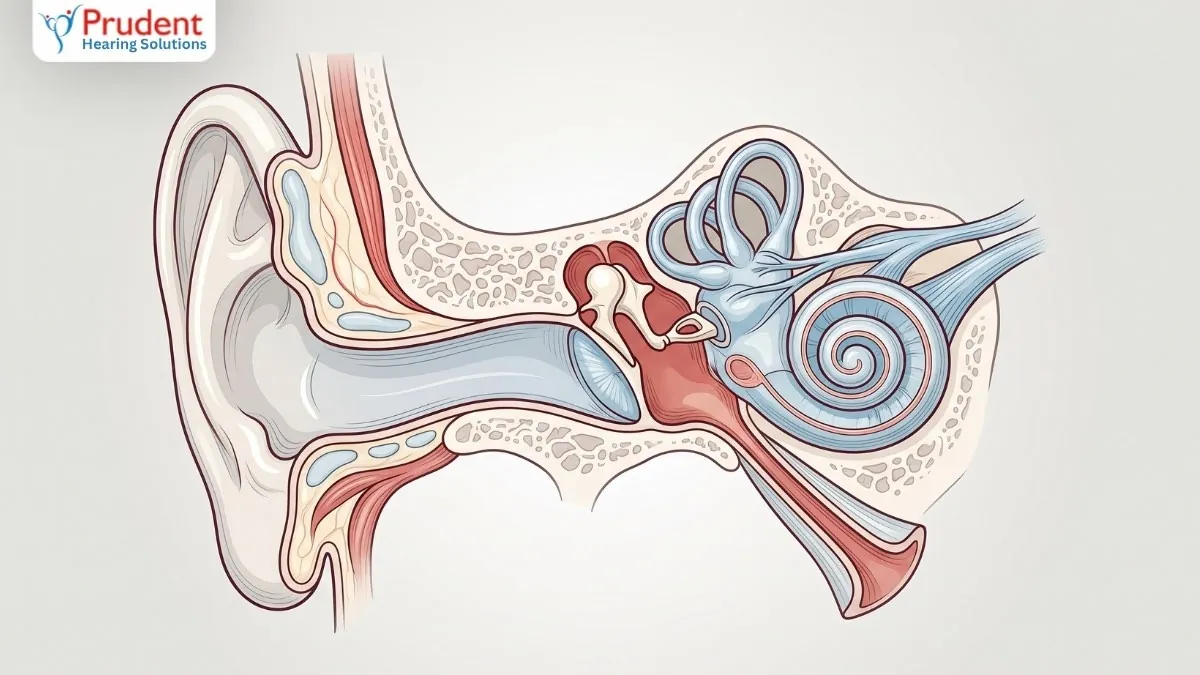
Hearing aids do not restore normal hearing. They are sophisticated sound processors that amplify incoming sound, reduce background noise, and deliver a cleaner signal to a damaged auditory system, but they cannot repair the hair cells in the cochlea or reverse sensorineural nerve damage. Once those cells are gone, they do not regenerate. What a well-fitted hearing aid does is make hearing significantly easier and more comfortable, which is different from making it the way it was before the loss.
This distinction matters because unrealistic expectations are one of the main reasons people abandon their hearing aids in a drawer. If you go in expecting the world to sound exactly as it did at age 30, you will be disappointed. If you go in expecting speech to become clearer, conversations to become less exhausting, and important sounds like a doorbell or a grandchild's voice to become accessible again, a good fitting will usually meet or exceed that goal.
What hearing aids actually do
A modern hearing aid picks up sound through one or more microphones, converts it to a digital signal, processes it through a chip that applies your personal gain prescription, and delivers the result to your ear. The processing step is where the real work happens.
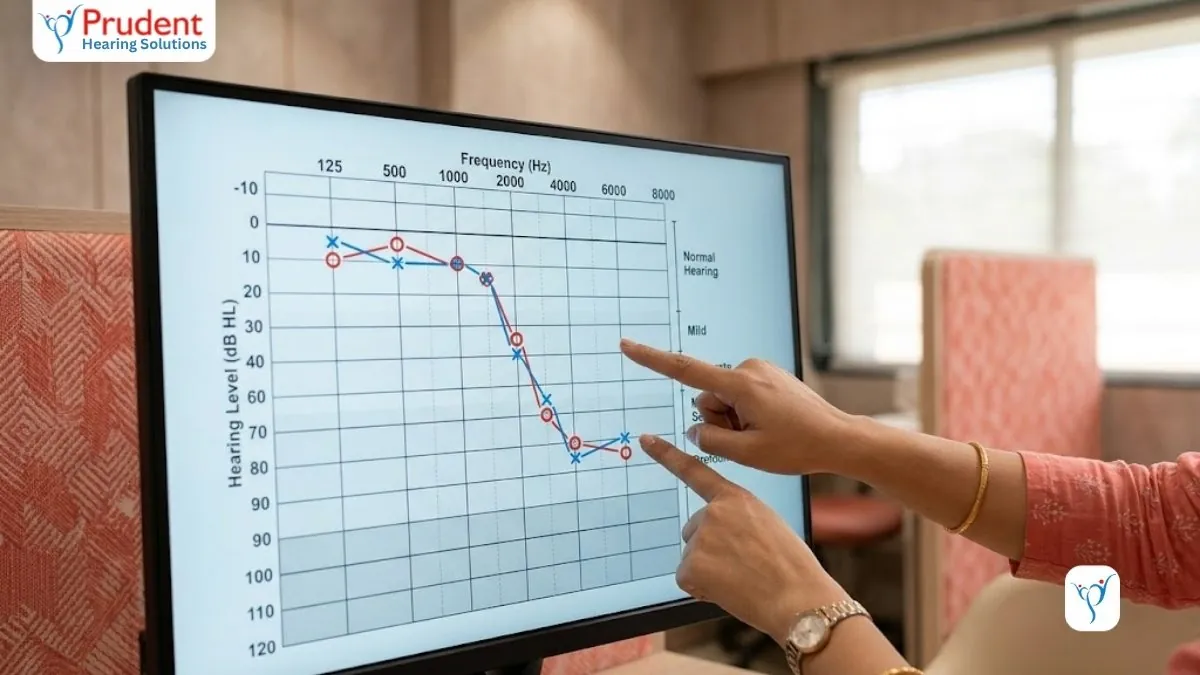
- Speech amplification: The aid boosts the frequencies where your loss is greatest, often 2,000–4,000 Hz, which is exactly where consonants like S, F, TH and SH live. This is why speech intelligibility, the ability to follow what someone is saying, often improves dramatically even when loudness was not the main complaint.
- Noise reduction: Digital noise reduction algorithms identify steady background noise (fans, traffic, air conditioning) and reduce it relative to speech. This does not eliminate noise but reduces listening effort, which is exhausting when it is sustained all day.
- Directional microphones: Most aids can focus towards the sound in front of you in noisy environments, again reducing the effort of picking out one voice in a crowd.
- Feedback cancellation: The sharp whistle that plagued older aids is actively suppressed in modern devices, allowing a secure fit without discomfort.
Why it still does not feel like normal hearing
Even a perfectly fitted hearing aid is working with a damaged receiver, your inner ear, and processing through a damaged nerve pathway. The brain has also adapted to the loss over years, sometimes decades, and it takes time to re-learn how to interpret the new signals. Most audiologists expect a genuine adjustment period of four to twelve weeks before someone is using their aids comfortably all day in most situations.
In noisy environments especially, a hearing aid cannot fully compensate for the loss of the ear's natural ability to selectively tune out noise. The auditory system of a person with normal hearing does this partly in the cochlea itself, before the signal ever reaches the brain. When those hair cells are gone, the aid has to do it digitally, which is impressive but not identical.
When hearing aids help the most
- Mild to moderate sensorineural loss: This is the sweet spot. The aid compensates for the lost gain, and the remaining hair cells do the rest.
- High-frequency loss: Very common in adults over 50. Aids target exactly these frequencies and speech clarity often improves noticeably within the first fitting.
- Bilateral loss (both ears): Two aids, one for each ear, is nearly always recommended because the brain uses both ears together to locate sound and separate speech from noise. A single aid creates an imbalance.
- Early fitting: The longer someone waits with an untreated loss, the more the auditory cortex can begin to 'forget' how to process certain sounds. Early fitting preserves those pathways.
When hearing aids are not the right first step
Conductive hearing loss (caused by fluid, earwax, or a structural problem with the outer or middle ear) is often treatable medically. If an ENT rules out a treatable cause first, a hearing aid may not be needed at all, or may not be the most effective solution. Similarly, a profound or total loss, or a loss where the auditory nerve itself is non-functional, is typically outside what a conventional hearing aid can address, in those cases, a cochlear implant assessment is the right next conversation.
What a free hearing test will tell you
A free hearing test at Prudent takes about 45 minutes. It gives you a detailed audiogram: a map of exactly which frequencies you are missing and by how much. From that we can tell you whether your loss is sensorineural or conductive, what kind of aid would suit it, and realistically what improvement to expect in daily life. There is no pressure to buy. The audiogram is yours to keep regardless.
"Hearing aids make listening easier and less exhausting. That is a real, meaningful improvement in daily life, even though it is not the same as having your original hearing back."
Frequently asked questions
Can hearing aids restore normal hearing?
No. Hearing aids amplify and process sound so speech is clearer and easier to follow, but they cannot repair damaged hair cells in the cochlea or reverse nerve damage. They make hearing much easier, which is different from making it normal.
Why do hearing aids not sound like natural hearing?
The aid is feeding sound into a damaged inner ear and nerve pathway, and the brain has adapted to the loss over years. It takes time to relearn the new signals; most audiologists expect four to twelve weeks before all-day use feels comfortable.
Who gets the most benefit from hearing aids?
People with mild to moderate sensorineural loss, high-frequency loss and loss in both ears, especially when they are fitted early. The longer an untreated loss goes on, the harder the brain finds it to adapt.
When is a hearing aid not the right first step?
When the loss is conductive, caused by fluid, earwax or a problem in the outer or middle ear, because that is often treatable by an ENT. Profound or total loss, or loss where the auditory nerve does not work, is usually beyond what a conventional hearing aid can do.
What will a hearing test tell me about hearing aids?
Prudent's free 45-minute test gives you an audiogram showing which frequencies you are missing and by how much. From that we can tell whether the loss is sensorineural or conductive, which aid would suit it and what improvement to expect.
Free consultation
Ready to hear the difference?
Book a free 45-minute hearing test at any Prudent Hearing clinic: no obligation, honest advice, expert audiologists.