Educational information, not medical advice. This article is written to help you understand common ear and hearing issues. It is not a substitute for professional diagnosis or treatment. If your symptoms are severe, sudden, or persistent, please consult a qualified doctor or audiologist. For urgent symptoms (sudden hearing loss, bleeding from the ear, severe pain with dizziness, or a head injury), seek medical care the same day.
Otosclerosis stiffens a tiny middle-ear bone and slowly softens your hearing. A calm, balanced look at your two main options (stapes surgery or hearing aids) and how to decide.
Otosclerosis is a treatable cause of slowly worsening hearing, and most people have two sound options: an operation to free up the tiny stapes bone in the middle ear, or hearing aids that manage the loss without surgery. Neither is automatically the "better" choice. The right path depends on how much hearing you have lost, whether one or both ears are affected, your general health, and what you feel comfortable with. This guide walks through both routes calmly so you can weigh them with your ENT doctor and your audiologist.
What otosclerosis actually is
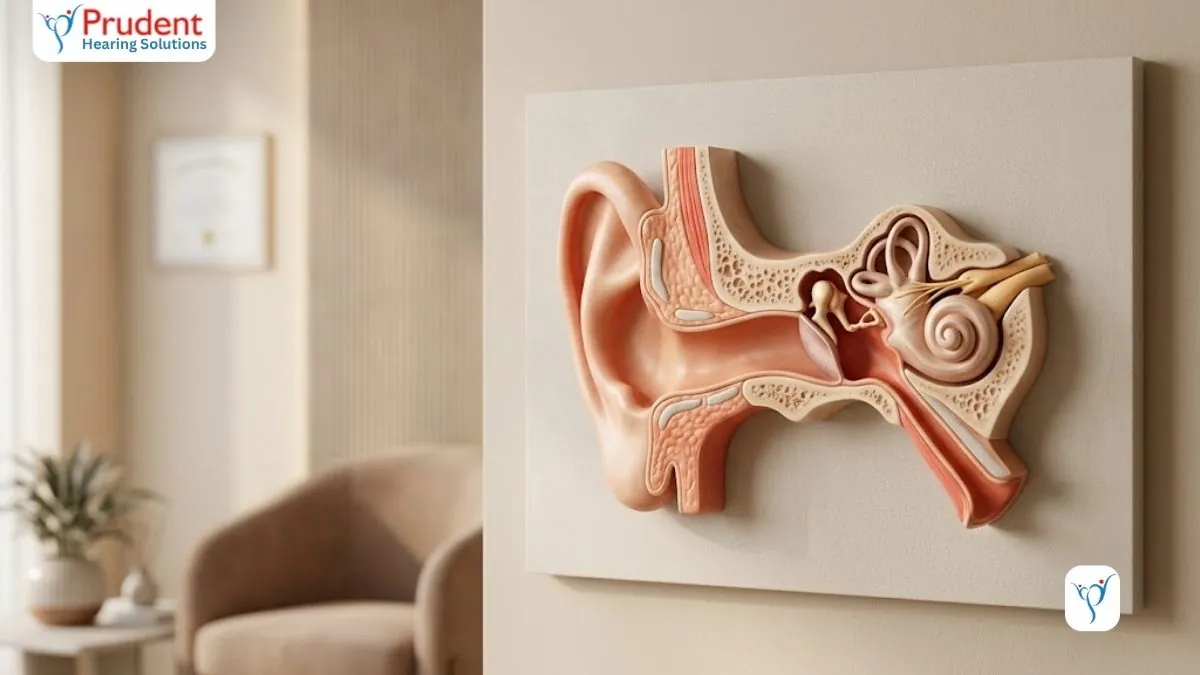
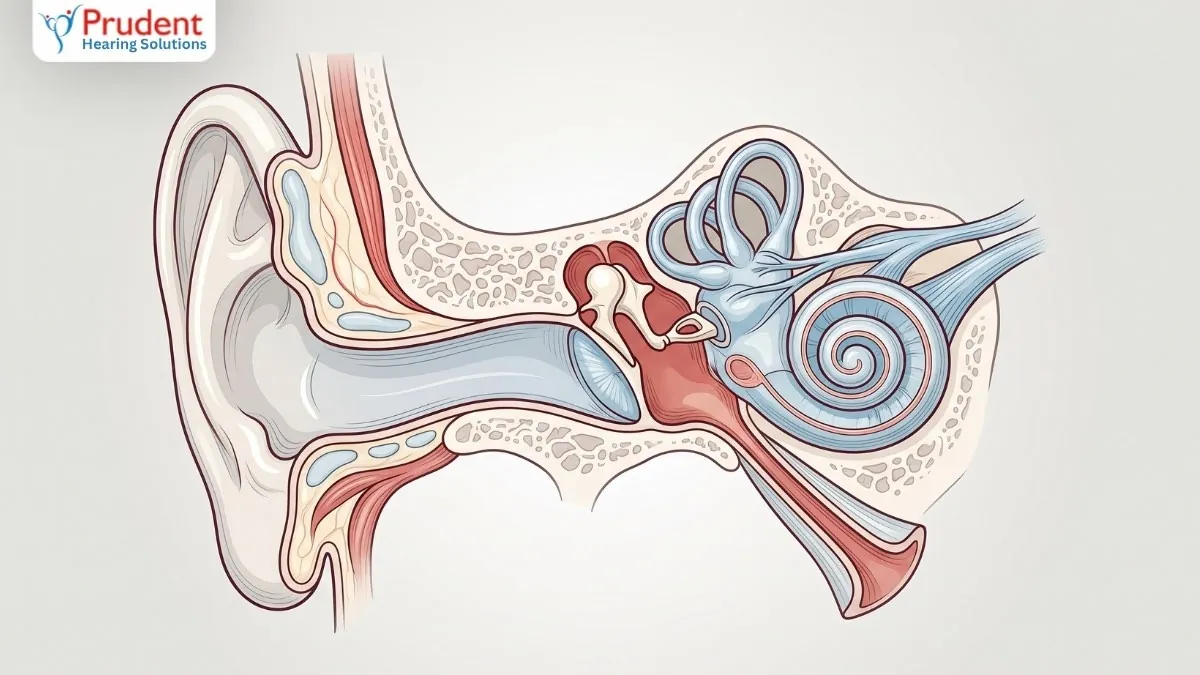
Deep inside the middle ear sit three of the smallest bones in the body. The last of them, the stapes, has to vibrate freely to pass sound into the inner ear. In otosclerosis, extra bone gradually builds up around the stapes and stiffens it, so it can no longer move as it should.
Sound then struggles to travel inward, which usually produces a conductive (and sometimes mixed) hearing loss. You can see how that differs from other kinds in our guide to types and causes of hearing loss. It tends to appear in young and middle-aged adults rather than older people, is more common in women, sometimes runs in families, and can progress during pregnancy.
The symptoms to watch for
Otosclerosis usually comes on slowly, often over months or years, and lower pitches tend to fade first. Because the change is so gradual, many people notice it only when they keep asking others to repeat themselves or find they are turning the television up.
- Hearing that softens gradually, especially for deeper, low-pitched sounds
- Ringing, buzzing or humming in the ear (tinnitus) that may come and go
- A sense that your own voice sounds loud or unusual
- Mild unsteadiness or brief dizziness in some people
- Sometimes hearing more comfortably in noisy places than in quiet ones, a known feature of this kind of loss
- Often one ear is affected first, with the other following over time
Getting a clear diagnosis
Otosclerosis is a medical diagnosis, so the starting point is an ENT doctor. They will examine the ear, rule out other causes such as wax or fluid, and, if surgery is being considered, arrange the assessments only a doctor can. Prudent Hearing Solutions does not diagnose otosclerosis or perform surgery; our role is the hearing side. A hearing test measures exactly how much your hearing has changed and in what pattern, which is information both you and your ENT need.
During testing we map your hearing on an audiogram, a simple chart that shows which pitches are affected and by how much. Otosclerosis typically shows a conductive or mixed pattern: a gap between how you hear sound through the air versus through bone.
That pattern supports the picture your ENT builds and gives a clear baseline to compare against later, whether you choose surgery or hearing aids. Our test is free and takes about 45 unhurried minutes, and you can read what to expect and typical audiometry test costs in India beforehand.
Path 1: Surgery (stapedectomy or stapedotomy)
For many people with otosclerosis, surgery works well. An ENT surgeon performs a stapedectomy or stapedotomy, a delicate procedure that removes or bypasses the stiffened stapes and replaces it with a tiny prosthesis, so sound can reach the inner ear again. When it goes well, it can restore a good deal of the lost hearing, and it addresses the mechanical problem directly rather than working around it.
- It is done by an ENT surgeon, not an audiologist. Prudent's role is to test your hearing and refer you, never to operate
- Results are generally good, but as with any operation there are risks, so discuss them fully with your surgeon
- It usually treats one ear at a time; the second ear can be considered later if needed
- Recovery takes a little time, and hearing can keep settling for some weeks afterward
- It is not right for everyone, so your surgeon will check whether you are a suitable candidate
Path 2: Hearing aids
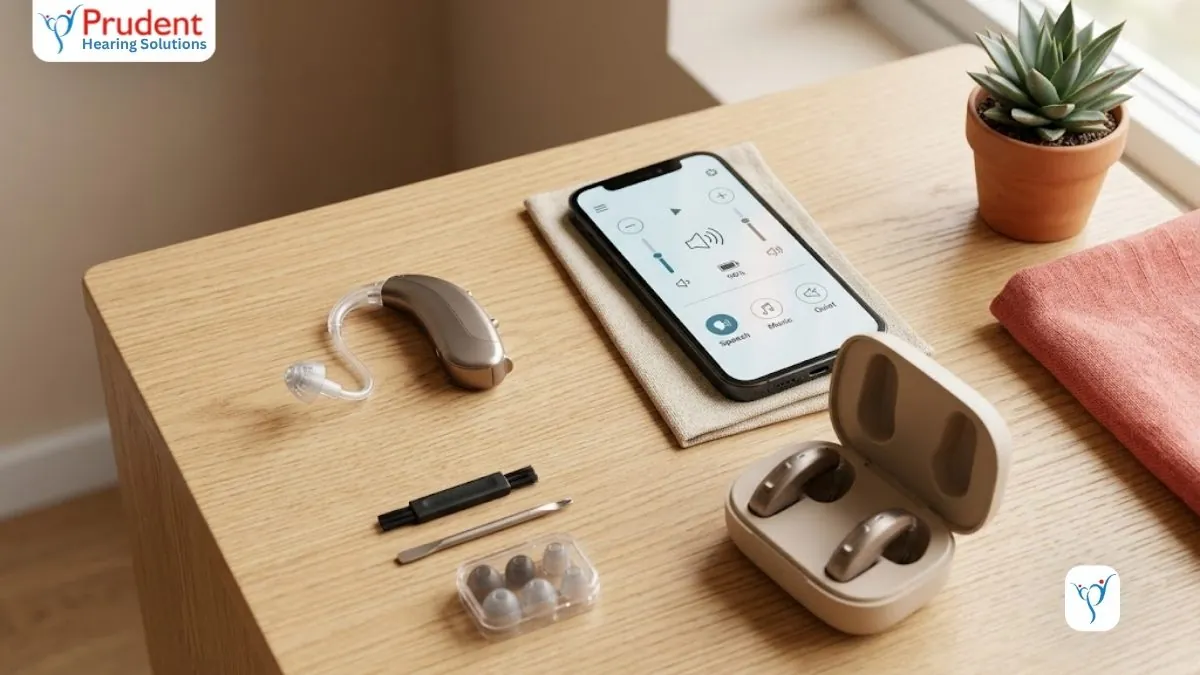
Hearing aids are a genuine, non-surgical way to manage otosclerosis, and many people do very well with them, especially if they would rather avoid an operation, are not a good surgical candidate, or simply want to hear better now while they think things over. Because the inner ear is often still healthy, well-fitted aids can amplify sound enough to overcome the mechanical block. It helps to understand how hearing aids work before deciding. One honest point: hearing aids manage the hearing loss, they do not cure the underlying bone change.
- No surgery, no anaesthetic and no recovery time, so you can try them and adjust
- They can be fitted for one or both ears and fine-tuned to your audiogram
- The choice is reversible; if you later opt for surgery, that door stays open
- They need routine care, especially through India's humidity and monsoon months, to keep working well
- 0% EMI options make good quality hearing aids easier to budget for
Surgery or hearing aids: how to decide
There is no single right answer, and it is not a race. Weigh how much hearing you have lost and whether one or both ears are involved, your age and general health, your comfort with surgery, the cost, and your stage of life. For instance, some women prefer to wait until after pregnancy, when otosclerosis can progress, before deciding on an operation.
Many people start with hearing aids and keep surgery as a later option; others choose surgery early to tackle the cause. What matters is that the decision is informed and yours, made with an ENT for the medical side and an audiologist for the hearing side.
When to see a doctor
- Hearing that drops quickly, or a sudden loss in one ear: this needs prompt medical attention, not wait-and-see
- Dizziness, spinning or balance problems that are getting worse
- Ear pain, discharge, or a blocked feeling that does not settle
- Tinnitus that is new, one-sided, or distressing
- Any hearing change noticed during pregnancy, so it can be monitored
- A family history of otosclerosis alongside early signs, which is worth checking sooner rather than later
"Otosclerosis is one of the more hopeful causes of hearing loss: whether you choose surgery or hearing aids, the goal is the same, to get you hearing comfortably again, at a pace that suits you."
How Prudent Hearing Solutions can help
Prudent is an RCI-registered audiology clinic, not an ENT surgical practice, so we do not diagnose otosclerosis or perform stapes surgery. For that you will see an ENT, and we are glad to point you toward one. What we do is the part that supports every decision: a careful, free 45-minute hearing test to measure the conductive pattern, a clear explanation of your audiogram, and honest guidance on whether hearing aids suit you and which would fit your ears and budget.
If you are not sure whether your hearing has changed, our guide to the signs you need a hearing test is a good place to start. When you are ready, visit one of our clinics in Pune, Delhi or Bengaluru (see locations) or contact us on +91 9429690093 to book. Written by the Prudent Hearing team.
Continue reading
Frequently asked questions
Can otosclerosis be cured?
There is no medicine that reverses the abnormal bone growth, but the hearing loss it causes can be treated very effectively. Stapes surgery (stapedectomy or stapedotomy) can restore much of the lost hearing by freeing up the stapes bone, while hearing aids manage the loss without surgery. Which suits you is a decision to make with an ENT and an audiologist.
Do I have to have surgery for otosclerosis?
No. Surgery is one valid path, but hearing aids are a genuine alternative and many people do very well with them, particularly if they would rather avoid an operation or are not a suitable surgical candidate. The choice is reversible, so you can start with hearing aids and consider surgery later if you wish.
How successful is stapedectomy surgery?
In experienced hands it is generally very successful at improving hearing, which is why it is a well-established treatment. As with any operation there are risks, so an ENT surgeon should explain the specific benefits and risks for your ears before you decide.
Will hearing aids work well for otosclerosis?
Usually yes. Because the inner ear is often still healthy, well-fitted hearing aids can amplify sound enough to overcome the mechanical block in the middle ear. Remember they manage the hearing loss rather than curing the underlying bone change, and they need routine care in India's humid climate to keep performing well.
Does otosclerosis get worse over time?
It often progresses slowly, and low-pitched sounds tend to be affected first. In some women it can advance during pregnancy. Because the pace varies, a baseline hearing test and periodic checks help you and your ENT track any change and decide when to act.
How is otosclerosis diagnosed?
An ENT doctor makes the diagnosis after examining the ear and ruling out other causes such as wax or fluid, sometimes with scans. A hearing test adds a key piece: it maps the loss on an audiogram and shows the conductive or mixed pattern typical of otosclerosis. Prudent can carry out that hearing test and refer you to an ENT for the medical side.
Free consultation
Ready to hear the difference?
Book a free 45-minute hearing test at any Prudent Hearing clinic: no obligation, honest advice, expert audiologists.