Educational information, not medical advice. This article is written to help you understand common ear and hearing issues. It is not a substitute for professional diagnosis or treatment. If your symptoms are severe, sudden, or persistent, please consult a qualified doctor or audiologist. For urgent symptoms (sudden hearing loss, bleeding from the ear, severe pain with dizziness, or a head injury), seek medical care the same day.
How sodium thiosulfate (Pedmark) protects children's hearing from cisplatin, its FDA approval, trial evidence, and audiology's monitoring role.
Quick answer
Sodium thiosulfate (brand name Pedmark) is a medicine given during cisplatin chemotherapy to reduce the risk of permanent hearing loss. In 2022 the US FDA approved it to protect hearing in children aged one month and older who have localised, non-metastatic solid tumours. It is administered by the oncology team, not self-prescribed, and audiologists confirm whether hearing stays protected.
Key takeaways
- Sodium thiosulfate lowers the chance of cisplatin-related hearing loss in children with localised solid tumours; it is not a cure and does not guarantee normal hearing.
- The FDA approved it in September 2022 for children one month and older with non-metastatic tumours.
- It is delivered by an oncologist as a timed infusion after cisplatin, never as a do-it-yourself supplement.
- Serial audiometry during and after treatment is the only way to confirm the protection is working.
- If your child develops sudden hearing changes, ringing, or balance problems during chemotherapy, contact the care team promptly.
Sodium thiosulfate (brand name Pedmark) is a medicine given during cisplatin chemotherapy to reduce the risk of permanent hearing loss. In 2022 the US FDA approved it to protect hearing in children aged one month and older who have localised, non-metastatic solid tumours. It is administered by the oncology team, not self-prescribed, and audiologists confirm whether hearing stays protected.
Why does cisplatin damage hearing?
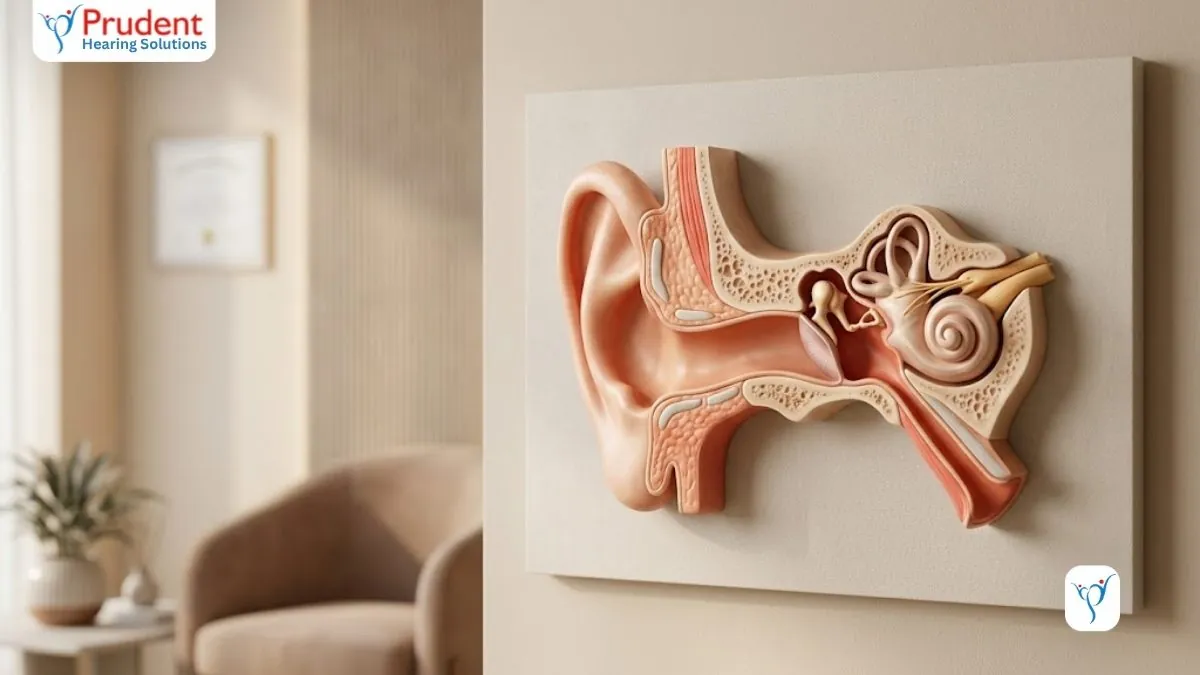
Cisplatin is a highly effective chemotherapy drug, but it is also ototoxic. It accumulates in the cochlea, the inner ear's hearing organ, and generates reactive oxygen species that destroy the outer hair cells responsible for detecting sound. These cells do not regenerate, so the damage is usually permanent. Loss typically starts in the high frequencies and can affect both ears.
Researchers have shown that cisplatin builds up in the inner ear and stays there far longer than in other tissues, which helps explain the lasting damage (NIDCD). This is why protecting the cochlea during treatment matters, especially for young children who are still developing speech and language. Cisplatin sits among the well-recognised ototoxic agents (ASHA).
How does sodium thiosulfate protect the ear?
Sodium thiosulfate acts as a chemical scavenger. It binds to cisplatin and neutralises the reactive molecules that would otherwise injure cochlear hair cells. By mopping up these damaging by-products in the inner ear, it reduces the burden of ototoxic stress during and shortly after each cisplatin dose.
The timing is deliberate. The oncology team gives sodium thiosulfate as an intravenous infusion some hours after the cisplatin infusion finishes. This gap is important: cisplatin needs time to reach and act on the tumour first. Giving the protector too early could theoretically blunt the cancer-killing effect, so the interval is carefully controlled by the treating specialists.
To understand where this fits alongside other ototoxic cancer drugs and monitoring strategies, see our pillar guide, Chemotherapy and Hearing Loss: Which Cancer Drugs Affect Your Ears and How to Protect Them.
What does the trial evidence show?
Two major paediatric trials shaped the approval. In the SIOPEL-6 trial, children with standard-risk liver cancer (hepatoblastoma) who received sodium thiosulfate had substantially less hearing loss than those who received cisplatin alone, with no evidence that survival was reduced. The ACCL0431 trial studied a broader group of childhood cancers and also found a hearing benefit, though questions were raised about outcomes in children with metastatic disease.
Because of that concern, the FDA limited approval to children with localised, non-metastatic solid tumours (National Cancer Institute). This is an important honesty point: the drug is protective for a defined group, and its role in adults or in metastatic cancer is not established through this approval. The benefit is a reduction in risk, not a promise of perfect hearing.
Can adults or families use it on their own?
No. Sodium thiosulfate for hearing protection is an oncology-administered medicine. Dosing, timing relative to cisplatin, and monitoring for side effects such as nausea, vomiting, and changes in blood electrolytes all require a hospital setting. It is not a supplement, and there is no safe do-it-yourself version.
Other ototoxic medicines exist across many drug classes, and self-managing any of them is unwise (Harvard Health; Merck Manual). If you are worried about a family member's chemotherapy and hearing, raise sodium thiosulfate with the treating oncologist rather than seeking it independently.
What is the audiologist's role?
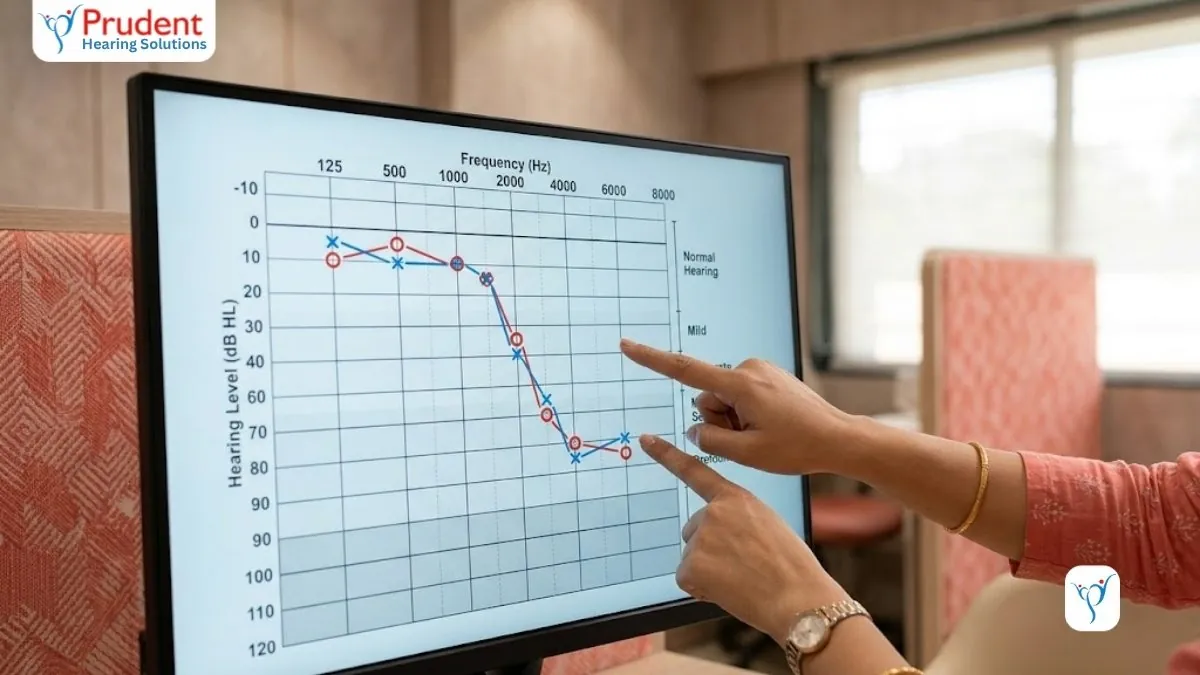
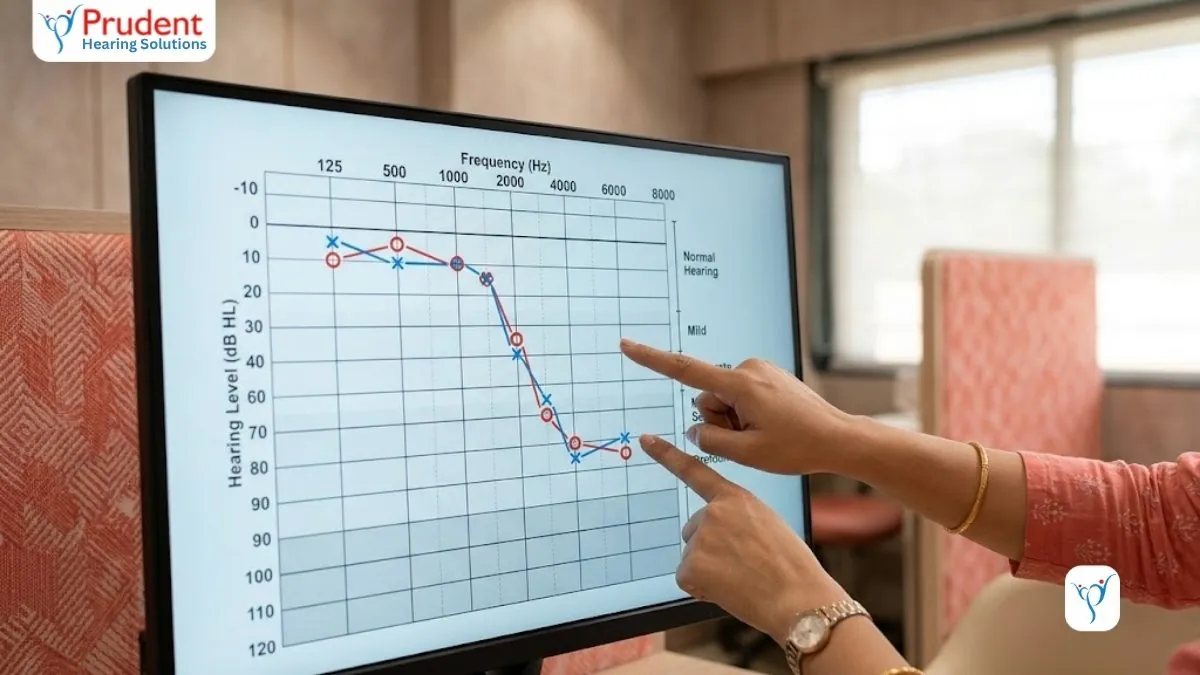
Audiology confirms whether protection is actually working. Before chemotherapy, a baseline hearing test establishes a reference point. During treatment, repeat audiometry, often including high-frequency and speech testing, detects early changes so the care team can respond. After treatment, follow-up testing tracks long-term outcomes, and children with any loss are fitted with hearing aids or other support to keep speech and learning on track.
At Prudent Hearing Solutions, our RCI-registered audiologists provide baseline and monitoring audiometry and coordinate with oncology teams. You can book a hearing test, arrange a home visit if travel is difficult during treatment, explore hearing aids if support is needed, or simply contact us with questions.
Continue reading
Frequently asked questions
Does sodium thiosulfate completely prevent hearing loss from cisplatin?
No. It reduces the risk of hearing loss but does not guarantee normal hearing. Some children still develop measurable loss, which is why ongoing audiometry is essential (National Cancer Institute).
Is it approved for adults?
The FDA approval is specifically for children aged one month and older with localised, non-metastatic solid tumours. Its use in adults is not established through this approval and would be a decision for the treating oncologist.
How is it given?
As an intravenous infusion by the oncology team, some hours after the cisplatin infusion, so the cisplatin can act on the tumour first. It is never taken as a supplement.
Will my child still need hearing tests if they receive it?
Yes. Serial audiometry before, during, and after treatment is the only way to confirm the protection is working and to catch any change early (ASHA).
What are warning signs to report during chemotherapy?
Tell the care team about any sudden drop in hearing, new ringing (tinnitus), muffled sound, or balance problems. Sudden hearing loss is always treated as urgent and should be assessed without delay (MedlinePlus).
Sources & further reading
We cross-checked this article against the following authoritative sources. Guidance and figures reflect the most recent public guidance available at the time of last review (September 2026). Clinical review by the Prudent Hearing clinical team.
- NIDCD (NIH): Study on why a common cancer drug causes hearing loss (nidcd.nih.gov)
- National Cancer Institute: FDA approval of sodium thiosulfate for cisplatin hearing loss in children (cancer.gov)
- ASHA: Ototoxic Medications (asha.org)
- Harvard Health: Ototoxic drugs, medications that may harm hearing (health.harvard.edu)
- Merck Manuals: Drug-induced ototoxicity (merckmanuals.com)
- MedlinePlus: Ototoxicity (medlineplus.gov)
Free consultation
Ready to hear the difference?
Book a free 45-minute hearing test at any Prudent Hearing clinic: no obligation, honest advice, expert audiologists.