Educational information, not medical advice. This article is written to help you understand common ear and hearing issues. It is not a substitute for professional diagnosis or treatment. If your symptoms are severe, sudden, or persistent, please consult a qualified doctor or audiologist. For urgent symptoms (sudden hearing loss, bleeding from the ear, severe pain with dizziness, or a head injury), seek medical care the same day.
Ear popping and crackling are most often caused by the Eustachian tube not opening properly, for example with a cold, allergy or altitude change. Swallowing, yawning and gentle techniques often clear it. Persistent symptoms, pain or hearing loss need an ENT check.
The direct answer
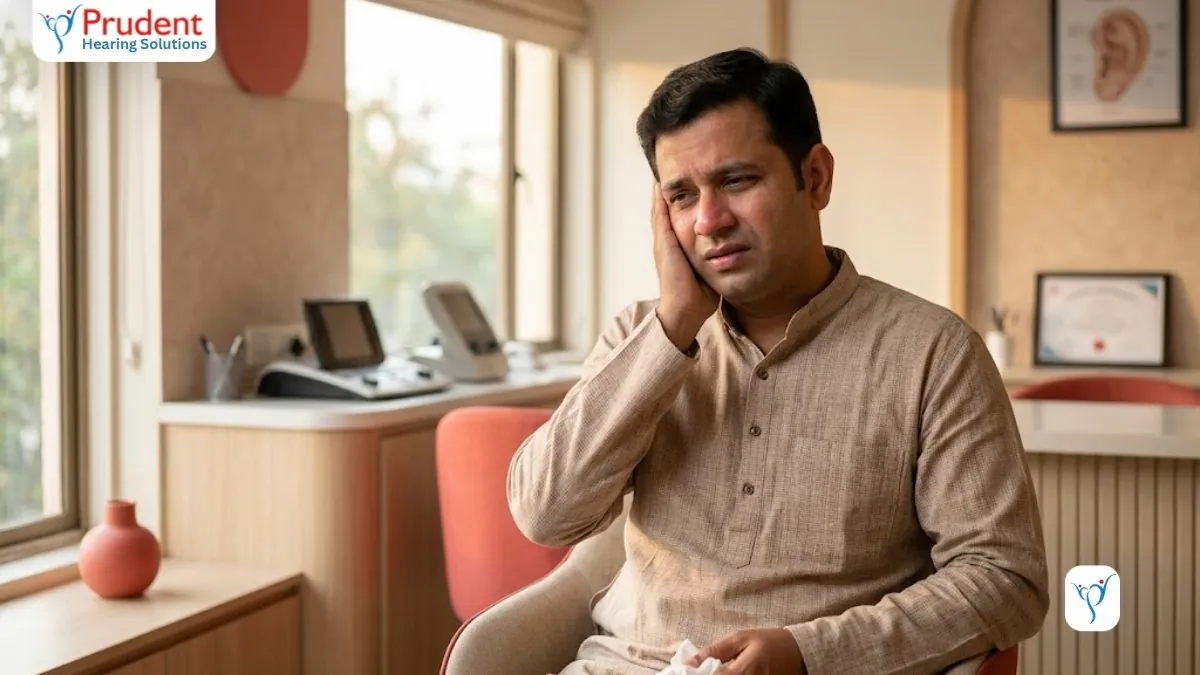
A popping, crackling or clicking ear is usually caused by the Eustachian tube, the small channel that links the middle ear to the back of the nose, not opening or closing properly. Colds, allergies, sinus problems and altitude changes are the common triggers. Most cases settle by themselves or with simple measures, but ongoing symptoms should be checked.
What the Eustachian tube does
This tube opens briefly when you swallow or yawn to equalise pressure on both sides of the eardrum. When it is blocked or swollen, pressure builds, and you feel fullness, hear popping or crackling, or notice muffled sound. See eustachian tube dysfunction and airplane ear.
Common causes
- Colds, flu, sinus infections and hay fever.
- Rapid altitude or pressure change from flying, driving in hills or diving.
- Fluid behind the eardrum. See glue ear and middle ear infection.
- Earwax pressing on the eardrum.
- Jaw problems (TMJ), which can cause clicking or popping when chewing. See the jaw and ear connection.
- Muscle spasm in the ear, which produces a rhythmic clicking.
- Less often, a loose or patulous Eustachian tube that stays open.
What can help at home
- Swallow, yawn or chew gum to open the tube.
- Try a gentle Valsalva manoeuvre: pinch your nose, close your mouth and blow very softly. Never blow hard.
- Steam inhalation and saline nasal rinses can ease congestion.
- Treat allergies and colds as advised by your doctor.
- Avoid flying or diving with a heavy cold when possible, and chew or swallow during descent.
- Do not insert cotton buds or objects into the ear.
When to see an ENT
- Symptoms lasting more than a couple of weeks.
- Pain, discharge or a feeling of pressure that will not clear.
- Hearing loss, ringing or dizziness with the popping.
- Recurring episodes, especially with sinus or allergy problems.
- Popping in one ear only that is new and persistent.
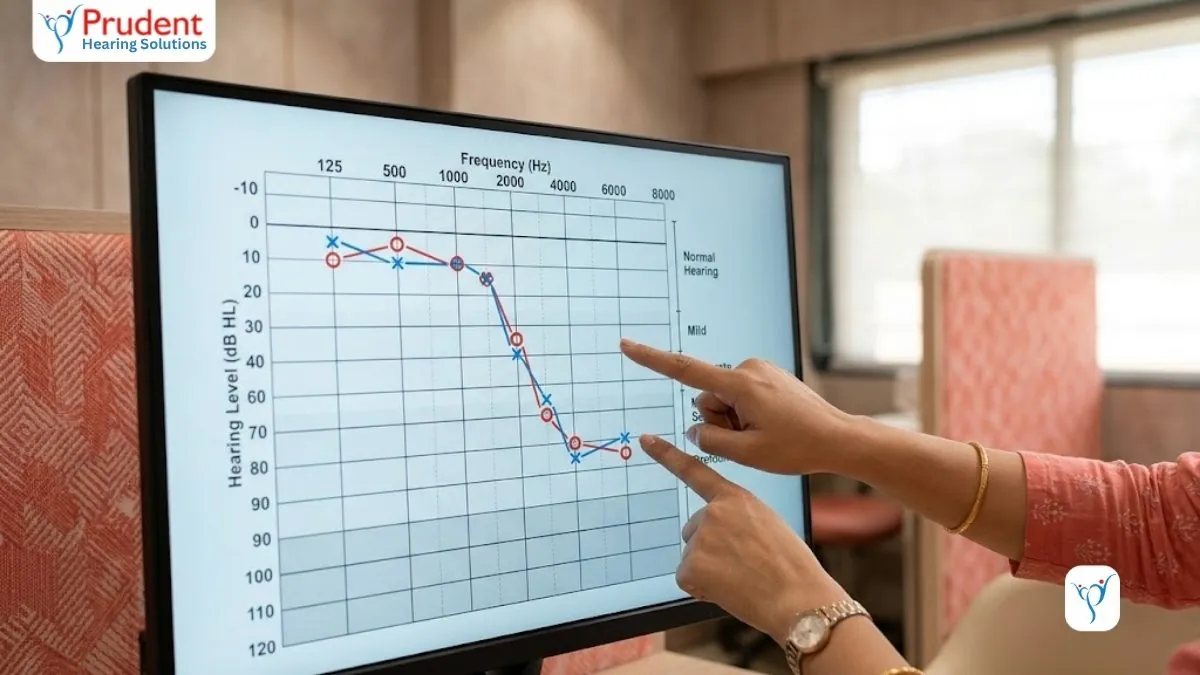
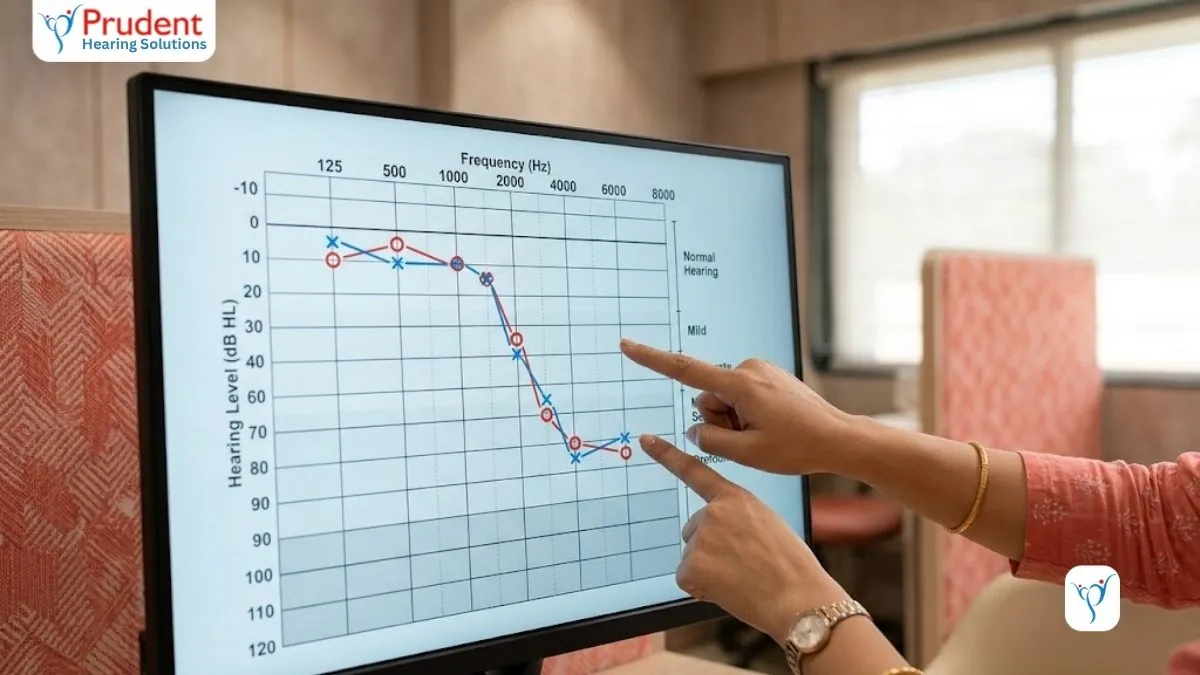
If your ear feels blocked and you also notice reduced hearing, get it tested. A free hearing test includes a middle-ear check that shows whether fluid or pressure problems are involved. This article is general information and does not replace medical advice.
Frequently asked questions
Why does my ear keep popping or crackling?
Usually because the Eustachian tube, the small channel between the middle ear and the back of the nose, is not opening or closing properly. Colds, allergies, sinus problems and altitude changes are the common triggers.
What does the Eustachian tube do?
It opens briefly when you swallow or yawn to equalise pressure on both sides of the eardrum. When it is blocked or swollen, pressure builds and you feel fullness, hear popping or crackling, or notice muffled sound.
How can I stop ear popping at home?
Swallow, yawn or chew gum, try a very gentle Valsalva manoeuvre, use steam inhalation or saline nasal rinses for congestion, and treat colds and allergies as your doctor advises. Never blow hard.
Can a jaw problem cause clicking in the ear?
Yes. Problems with the jaw joint (TMJ) can cause clicking or popping when you chew.
When should I see an ENT for ear popping?
If it lasts more than a couple of weeks, comes with pain, discharge or pressure that will not clear, comes with hearing loss, ringing or dizziness, keeps recurring, or is new and persistent in one ear only.
Free consultation
Ready to hear the difference?
Book a free 45-minute hearing test at any Prudent Hearing clinic: no obligation, honest advice, expert audiologists.