Educational information, not medical advice. This article is written to help you understand common ear and hearing issues. It is not a substitute for professional diagnosis or treatment. If your symptoms are severe, sudden, or persistent, please consult a qualified doctor or audiologist. For urgent symptoms (sudden hearing loss, bleeding from the ear, severe pain with dizziness, or a head injury), seek medical care the same day.
Gentamicin and other aminoglycosides can cause permanent hearing and balance loss. Learn who is at genetic risk and the warning signs to report.
Quick answer
Yes, gentamicin and other aminoglycoside antibiotics can cause permanent hearing loss. These drugs damage the sensory hair cells of the inner ear, and the loss is usually irreversible. A small group of people carry a mitochondrial gene change (m.1555A>G) that can trigger deafness after even a single standard dose. Report any hearing or balance change during treatment at once.
Key takeaways
- Aminoglycosides (gentamicin, streptomycin, tobramycin, amikacin, neomycin) can cause permanent sensorineural hearing loss and often affect balance too.
- Damage typically starts with high-pitched hearing and can appear during or after treatment, sometimes with tinnitus or unsteadiness.
- Carriers of the mitochondrial variant m.1555A>G can lose hearing after one ordinary dose; the risk runs in families through the mother's line.
- Rapid bedside genetic testing (MT-RNR1) is an emerging tool to flag high-risk patients before a dose is given.
- These are essential, life-saving drugs in serious infections; the goal is safer use and monitoring, not avoidance.
Yes, gentamicin and other aminoglycoside antibiotics can cause permanent hearing loss. These drugs damage the sensory hair cells of the inner ear, and the loss is usually irreversible. A small group of people carry a mitochondrial gene change (m.1555A>G) that can trigger deafness after even a single standard dose. Report any hearing or balance change during treatment at once.
How do aminoglycosides damage hearing?
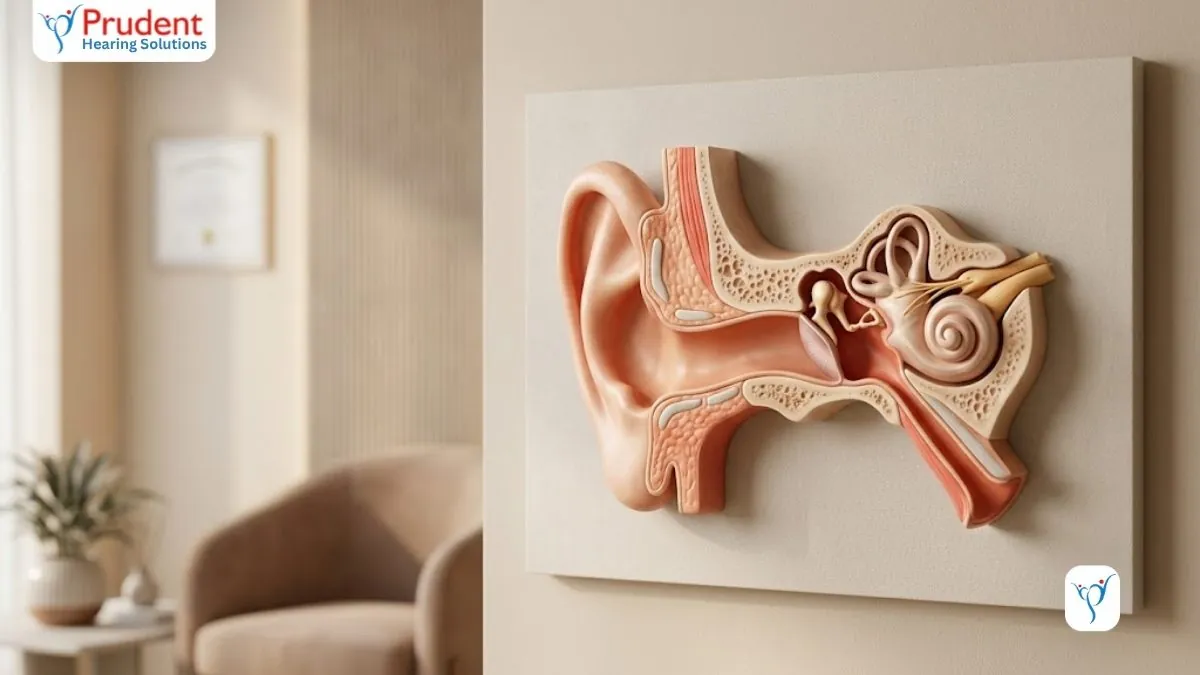
Aminoglycosides are powerful antibiotics used for serious bacterial infections. They reach the inner ear and accumulate in the cochlea, where they harm the hair cells that convert sound into nerve signals. Once these hair cells die, they do not regrow in humans, so the hearing loss is generally permanent (ASHA).
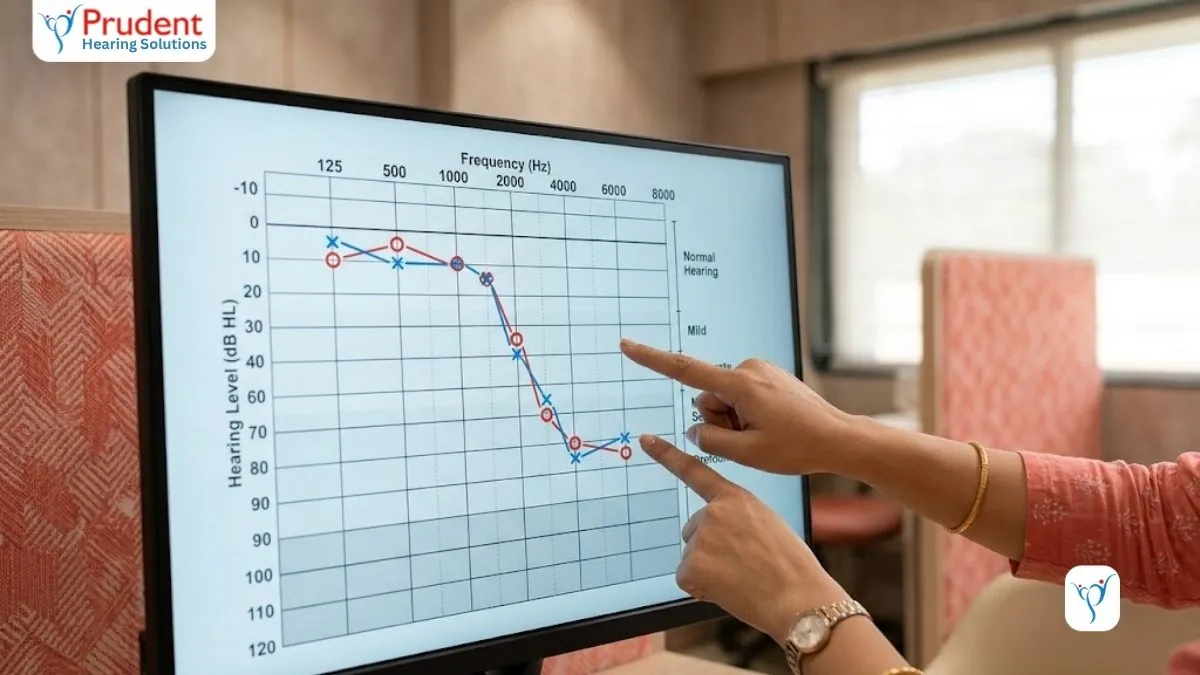
The loss usually begins in the high frequencies, which is why early damage can be missed in ordinary conversation. Some people also notice tinnitus (ringing) or a feeling of fullness. Because damage can progress even after the last dose, hearing should be checked during and after a course (Merck Manual).
This drug family is one of the best-documented causes of medication-related hearing damage, covered in our guide to Which Common Medications Can Damage Your Hearing? Ototoxic Drugs Explained.
Do aminoglycosides also affect balance?
Yes. Some aminoglycosides, gentamicin in particular, are strongly vestibulotoxic: they damage the balance organs of the inner ear as well as the hearing organ (Harvard Health).
People may feel unsteady, dizzy, or find that objects seem to bounce or blur when they move their head (a symptom called oscillopsia). These balance symptoms can be disabling and, like the hearing loss, may be permanent. Report new dizziness or unsteadiness during treatment promptly (MedlinePlus: Aminoglycosides).
What is the genetic risk with gentamicin?
A specific change in mitochondrial DNA, known as m.1555A>G in the MT-RNR1 gene, greatly increases susceptibility. People who carry it can develop severe, permanent hearing loss after a single standard dose of an aminoglycoside: a dose that would be safe for most others (ASHA).
Because mitochondria are inherited from the mother, this vulnerability is passed down the maternal line. If a mother, sibling, or maternal relative lost hearing after antibiotics, that is an important clue. Tell your doctor before treatment if there is any such family history, so the team can weigh alternatives or extra monitoring.
Is genetic testing available before treatment?
This is an area of active progress. Rapid point-of-care tests for the MT-RNR1 variant are emerging, designed to give a result at the bedside quickly enough to guide the choice of antibiotic before the first dose in urgent settings such as neonatal care (Frontiers in Pharmacology, 2026).
The evidence here is still developing, and availability varies by country and hospital, including in India. It is not yet routine everywhere. What you can do now is share your family history clearly with the treating team, because that information alone can change how a doctor prescribes.
What should I do if I notice symptoms during treatment?
Do not stop a prescribed antibiotic on your own: these drugs treat dangerous infections. Instead, contact the treating doctor immediately if you notice any new hearing change, ringing, ear fullness, dizziness, or unsteadiness (MedlinePlus: Ototoxicity).
The doctor can review the dose, consider whether another antibiotic is suitable, and arrange hearing monitoring. If you or a family member has had hearing loss after antibiotics before, mention it at every hospital visit. After treatment, a baseline hearing test helps document any change, and our team can advise on next steps at your home visit or clinic appointment.
Continue reading
Frequently asked questions
Is aminoglycoside hearing loss reversible?
Usually no. The damage is to inner-ear hair cells, which do not regenerate, so the loss is typically permanent. Early detection through monitoring helps with rehabilitation planning, such as hearing aids, rather than reversal.
Can one dose of gentamicin really cause deafness?
For most people, a single standard dose does not. But people who carry the mitochondrial m.1555A>G variant can develop severe permanent hearing loss after even one ordinary dose. This is why family history matters.
Should I refuse aminoglycosides because of these risks?
No. These are essential, sometimes life-saving antibiotics for serious infections. The aim is safer use (sharing family history, using them only when needed, and monitoring hearing) not blanket avoidance. Discuss concerns with your doctor.
Which drugs are aminoglycosides?
Common examples include gentamicin, streptomycin, tobramycin, amikacin, and neomycin (MedlinePlus).
How soon should I get my hearing checked after treatment?
If you noticed any symptoms, arrange a hearing test soon after finishing the course, and sooner if symptoms are worsening. A baseline test helps track any change over time.
Sources & further reading
We cross-checked this article against the following authoritative sources. Guidance and figures reflect the most recent public guidance available at the time of last review (September 2026). Clinical review by the Prudent Hearing clinical team.
- American Speech-Language-Hearing Association (Ototoxic Medications)
- Harvard Health (Ototoxic drugs: Medications that may harm hearing)
- Merck Manual (Professional) (Drug-Induced Ototoxicity)
- MedlinePlus (Ototoxicity (medicines and hearing))
- MedlinePlus (Aminoglycosides)
- Frontiers in Pharmacology (2026) (MT-RNR1 pharmacogenetic testing to prevent aminoglycoside-induced hearing loss)
Free consultation
Ready to hear the difference?
Book a free 45-minute hearing test at any Prudent Hearing clinic: no obligation, honest advice, expert audiologists.