Educational information, not medical advice. This article is written to help you understand common ear and hearing issues. It is not a substitute for professional diagnosis or treatment. If your symptoms are severe, sudden, or persistent, please consult a qualified doctor or audiologist. For urgent symptoms (sudden hearing loss, bleeding from the ear, severe pain with dizziness, or a head injury), seek medical care the same day.
Feeling dizzy or off-balance after COVID? Learn what the evidence says about the inner ear, when a balance (VEMP) test helps, and when to seek care.
Quick answer
Dizziness after COVID is reported by some people, and reviews suggest vertigo appears in roughly 7% of cases studied. This is an association, not proof that the virus damaged your inner ear. Balance depends on the inner ear, eyes, and nerves working together, so persistent dizziness deserves a proper assessment rather than a guess.
Key takeaways
- Vertigo is reported in about 7% of COVID cases in a systematic review, but the evidence is still emerging, not settled.
- The inner ear's vestibular system controls balance; it is one possible cause of post-COVID dizziness, not the only one.
- A balance assessment, which can include VEMP testing, helps clarify whether the inner ear is involved.
- Sudden severe vertigo, a spinning room, new hearing loss, or neurological signs need prompt medical review.
Dizziness after COVID is reported by some people, and reviews suggest vertigo appears in roughly 7% of cases studied. This is an association, not proof that the virus damaged your inner ear. Balance depends on the inner ear, eyes, and nerves working together, so persistent dizziness deserves a proper assessment rather than a guess.
Does COVID affect the inner ear?
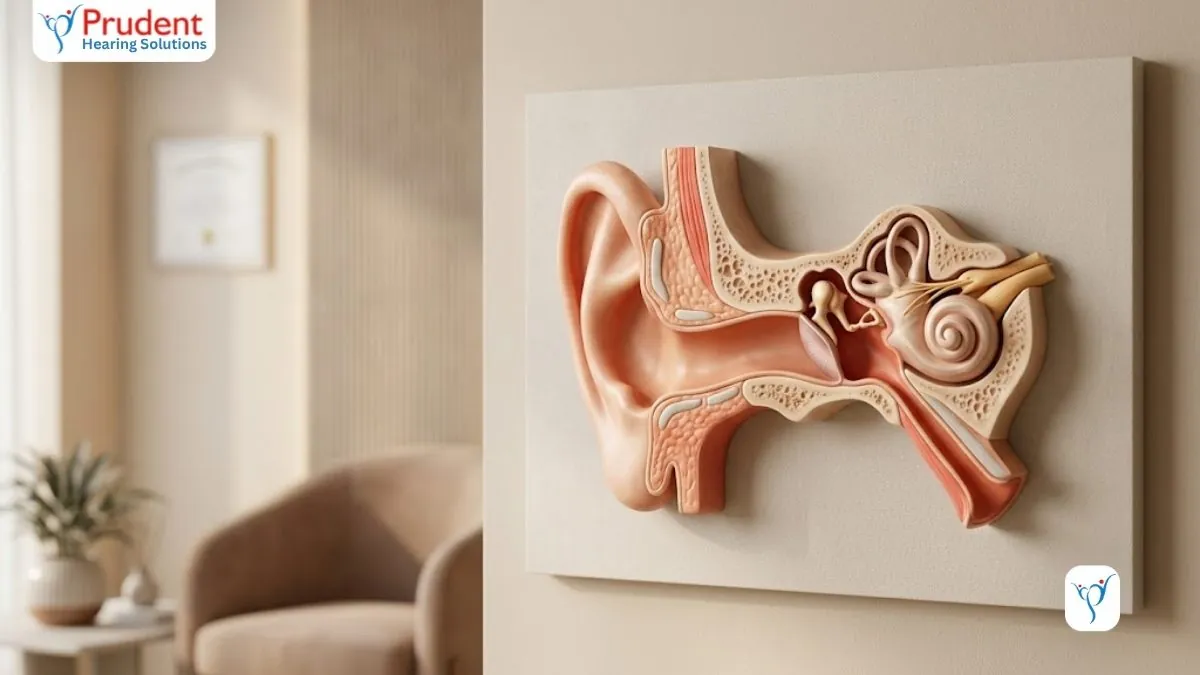
Your inner ear holds two systems: the cochlea for hearing and the vestibular system for balance. The vestibular system senses head movement and position, then sends signals to the brain to keep you steady (NIDCD, Balance Disorders).
Researchers have looked at whether COVID disturbs this system. A systematic review of audiovestibular symptoms in COVID-19 reported vertigo in about 7% of the cases examined, alongside symptoms like tinnitus and hearing changes. Other reviews have raised similar questions (COVID-19 and audiovestibular symptoms review, PMC).
Two points matter here. First, this is an association: people reported dizziness around the time of infection. It does not confirm the virus directly injured the inner ear. Second, the research base is still developing, with varied study designs and definitions. Treat these numbers as a signal to investigate, not a diagnosis.
What else could be causing your dizziness?
Dizziness is a broad word. It can mean lightheadedness, unsteadiness, or true vertigo, the sensation that you or the room is spinning. Not all of it comes from the ear.
Common non-ear contributors after an illness include dehydration, low blood pressure on standing, fatigue, anxiety, medication effects, and deconditioning after time in bed. Balance also relies on vision and the nerves in your legs and joints, so a problem anywhere in that chain can leave you feeling off (NIDCD, Balance Disorders).
This is why self-diagnosis is unreliable. The same symptom, dizziness, can point in several directions. An assessment sorts the inner ear from the alternatives.
How is the inner ear tested for balance problems?
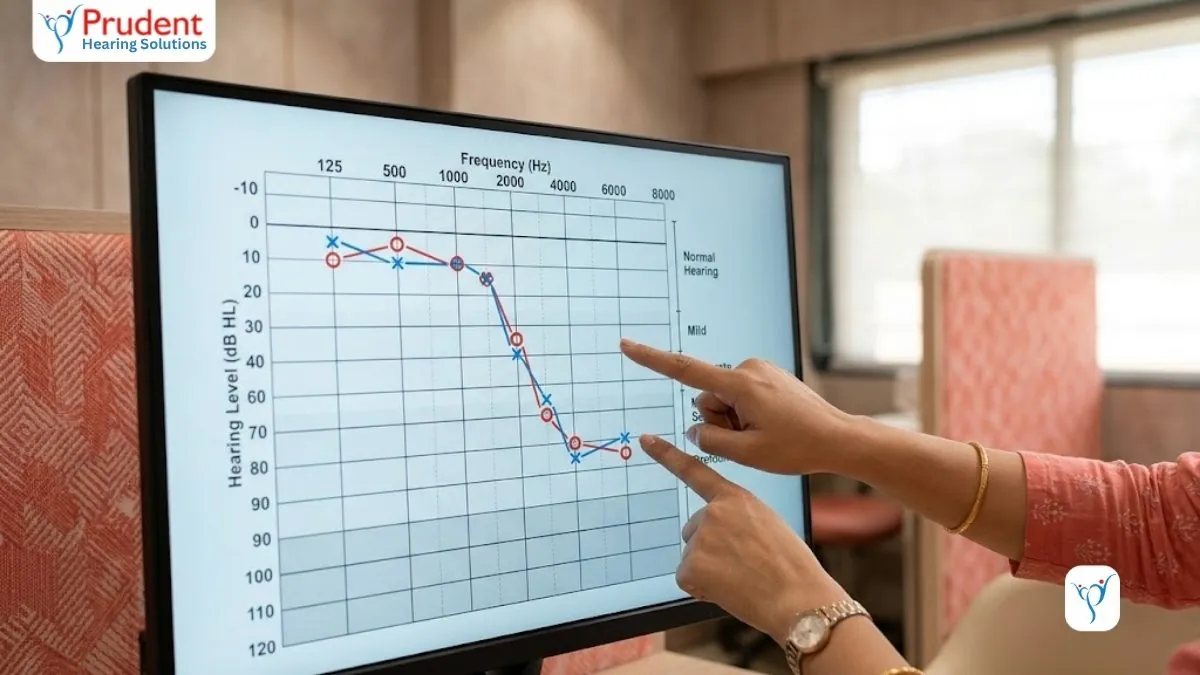
If dizziness persists, an audiologist or ENT can assess your vestibular system. One tool is VEMP (vestibular evoked myogenic potential) testing, which checks how specific parts of the balance system respond to sound or vibration. It is painless and non-invasive.
VEMP is usually part of a wider balance workup rather than a standalone answer. The clinician will take your history, look at eye movements, and may run other balance tests before drawing conclusions. If you are dealing with several ear symptoms together, our pillar guide on Ringing in Your Ears After COVID? What the Evidence Actually Says About Tinnitus and Hearing explains how hearing and balance complaints are investigated together.
A hearing and COVID-19 review notes that ear-related symptoms after COVID vary widely between people, which is another reason to test rather than assume. If you would like this looked at, you can book a hearing test or arrange a home visit if travel is difficult.
When should dizziness be checked urgently?
Most post-viral dizziness settles, but some patterns need prompt attention. Seek medical care quickly if you have sudden severe vertigo, dizziness with new hearing loss in one ear, a severe headache, slurred speech, weakness or numbness, double vision, chest pain, or fainting.
Sudden hearing loss in particular is treated as time-sensitive. If you notice a rapid drop in hearing, especially in one ear, do not wait for it to pass. Contact a doctor or audiologist without delay. For non-urgent but ongoing balance concerns, a planned assessment is the right route; you can contact us to discuss what fits your situation.
Frequently asked questions
Can COVID cause vertigo?
Reviews report vertigo in around 7% of COVID cases studied, so there is an observed association (Frontiers in Public Health, 2024). This does not prove the virus caused it in every person, and the evidence is still emerging. A balance assessment helps establish whether your inner ear is involved.
How long does post-COVID dizziness last?
It varies. Many people improve over days to weeks as they recover and rehydrate. If dizziness lasts beyond a few weeks, keeps returning, or affects daily activity, arrange an assessment rather than waiting indefinitely.
Is dizziness always from the inner ear?
No. Balance depends on the inner ear, eyes, and nerves working together, and dizziness can also come from blood pressure changes, dehydration, medication, or anxiety (NIDCD). Testing is what separates an inner-ear cause from the alternatives.
What is a VEMP test?
VEMP (vestibular evoked myogenic potential) is a painless test that checks how parts of your balance system respond to sound or vibration. It is usually one part of a fuller balance workup, not a single yes-or-no answer.
Should I worry if dizziness comes with ringing in my ears?
Ringing (tinnitus) alongside dizziness is worth assessing, as both can involve the ear (NIDCD, Tinnitus). It is common and often manageable, but a sudden change with new hearing loss needs prompt review. Our pillar guide covers this combination in detail.
Sources & further reading
We cross-checked this article against the following authoritative sources. Guidance and figures reflect the most recent public guidance available at the time of last review (September 2026). Clinical review by the Prudent Hearing clinical team.
- NIDCD (Balance Disorders)
- NIDCD (Tinnitus)
- Frontiers in Public Health (2024) (Systematic review of audiovestibular symptoms in COVID-19)
- PMC (COVID-19 and audiovestibular symptoms review)
- PMC (Hearing loss and COVID-19 review)
Free consultation
Ready to hear the difference?
Book a free 45-minute hearing test at any Prudent Hearing clinic: no obligation, honest advice, expert audiologists.