Educational information, not medical advice. This article is written to help you understand common ear and hearing issues. It is not a substitute for professional diagnosis or treatment. If your symptoms are severe, sudden, or persistent, please consult a qualified doctor or audiologist. For urgent symptoms (sudden hearing loss, bleeding from the ear, severe pain with dizziness, or a head injury), seek medical care the same day.
Can Mounjaro (tirzepatide) cause ringing in the ears? An audiologist-reviewed look at the emerging GLP-1 tinnitus signal, what it means, and what to do.
Quick answer
There is no proof that Mounjaro (tirzepatide) causes tinnitus. Some pharmacovigilance data show a small tinnitus and ear-symptom signal across GLP-1-based drugs, and tirzepatide is included in that class. But the evidence for tirzepatide is newer and weaker than for semaglutide, and a reported association is not the same as cause.
Key takeaways
- A tinnitus "signal" for GLP-1 receptor agonists means the symptom is being reported more than expected, not that the drug has been shown to cause it.
- Tirzepatide (Mounjaro) is a newer molecule, so its ear-related data are thinner than semaglutide's; conclusions are tentative.
- Tinnitus is very common and has many causes, so linking it to one medicine is difficult.
- Do not stop Mounjaro on your own. Speak to the prescriber who started it.
- Sudden hearing loss or sudden severe tinnitus is a medical emergency and needs same-day care.
There is no proof that Mounjaro (tirzepatide) causes tinnitus. Some pharmacovigilance data show a small tinnitus and ear-symptom signal across GLP-1-based drugs, and tirzepatide is included in that class. But the evidence for tirzepatide is newer and weaker than for semaglutide, and a reported association is not the same as cause.
What does the current evidence actually say?
Researchers study drug side effects partly through pharmacovigilance databases, where clinicians and patients report symptoms that appear during treatment. A 2025 analysis in the Laryngoscope examined ear, nose and throat adverse events reported with GLP-1 receptor agonists, a class that includes tirzepatide. It found reports of tinnitus and other otologic symptoms (summary on PubMed).
That is a signal worth noting. It is not confirmation. Disproportionality signals can be shaped by how many people take a drug, how much media attention it gets, and who reports symptoms. They cannot prove that the drug caused the symptom in any individual.
For tirzepatide specifically, the picture is even less settled. Tirzepatide is a dual GIP/GLP-1 agonist and reached wide use more recently than semaglutide. That means fewer years of reports and smaller numbers behind any tirzepatide-only estimate. Read the tirzepatide data as emerging and provisional.
For the fuller class-wide discussion, see our pillar guide, Does Ozempic or Wegovy Cause Tinnitus or Hearing Problems? What the Evidence Actually Shows (2026).
Why is it so hard to link Mounjaro to tinnitus?
Tinnitus is common. It can follow noise exposure, ageing, ear wax, ear infection, high blood pressure, stress, and many medicines used for unrelated conditions (MedlinePlus: Tinnitus).
People starting Mounjaro often have type 2 diabetes, obesity, or cardiovascular risk factors. Several of these conditions are themselves linked to hearing and ear symptoms. So when tinnitus appears during treatment, it is genuinely unclear whether the drug, the underlying condition, or an unrelated cause is responsible. This overlap is exactly why a reported association cannot be treated as proof of cause.
Is Mounjaro known to be ototoxic?
Ototoxic drugs are medicines with an established ability to damage the inner ear or hearing nerve. The well-documented ones include certain chemotherapy agents, some strong antibiotics, loop diuretics, and high-dose aspirin (ASHA: Ototoxic Medications).
Tirzepatide is not on that established list. The current tinnitus discussion around GLP-1 medicines is a developing safety question, not a confirmed ototoxic effect. Keep that distinction clear when you read alarming headlines.
What should I do if I get tinnitus on Mounjaro?
- Do not stop or change your dose on your own. Stopping a diabetes or weight medication abruptly can carry its own risks. Raise it with the prescriber who started it.
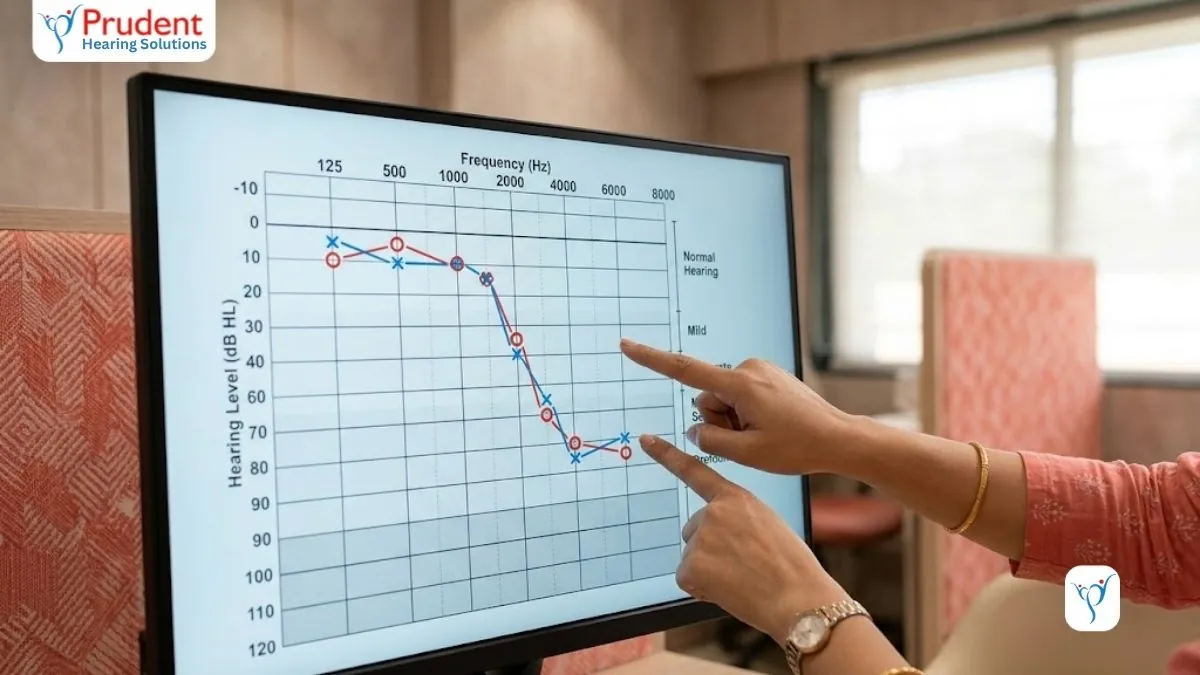
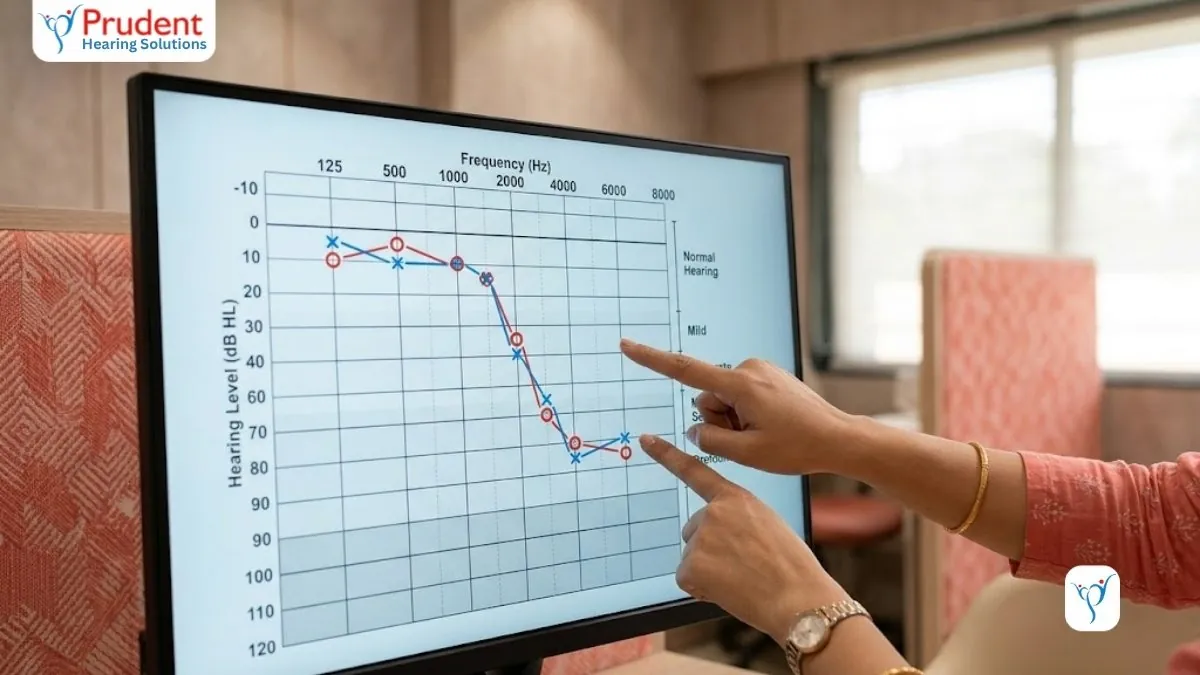
- Book a hearing test so the tinnitus can be characterised and any treatable cause (like ear wax or infection) can be ruled out. You can arrange a hearing test or reach us here.
- Note the pattern. When it started, whether it is in one ear or both, and whether your hearing has changed. This helps both your doctor and your audiologist.
- Protect your ears from loud noise, manage blood pressure, and reduce caffeine if it seems to worsen the ringing.
If leaving home is difficult, we also offer a home visit.
When is tinnitus or hearing change an emergency?
Sudden hearing loss, or sudden severe tinnitus in one ear, especially with dizziness, is a medical emergency. Sudden sensorineural hearing loss can sometimes be treated if care starts quickly, so it should not be delayed (MedlinePlus: Hearing loss). Seek same-day medical attention rather than waiting for a routine appointment.
Continue reading
Frequently asked questions
Does Mounjaro definitely cause tinnitus?
No. There is an emerging report-based signal across GLP-1 medicines, but no study has shown that tirzepatide causes tinnitus. Association is not proof of cause.
Is the tinnitus evidence for Mounjaro the same as for Ozempic?
No. Semaglutide (Ozempic, Wegovy) has been in wide use longer, so it has more data. Tirzepatide's ear-related evidence is newer and weaker, and should be read as provisional.
Should I stop Mounjaro if my ears start ringing?
Not on your own. Talk to your prescriber first. They can weigh the benefit of the medicine against your symptoms and decide the safest next step.
Will the tinnitus go away if the drug is the cause?
There is no guarantee. Because causation is unproven, no one can promise that tinnitus will resolve if Mounjaro is changed. A proper audiology assessment gives you the clearest picture.
When should I treat it as urgent?
Any sudden hearing loss or sudden severe one-sided tinnitus, particularly with dizziness, needs same-day medical care.
Sources & further reading
We cross-checked this article against the following authoritative sources. Guidance and figures reflect the most recent public guidance available at the time of last review (September 2026). Clinical review by the Prudent Hearing clinical team.
- MedlinePlus (Tinnitus)
- Laryngoscope (2025) (Otolaryngologic adverse events associated with GLP-1 receptor agonists)
- PubMed (GLP-1 receptor agonist otologic adverse-event analysis)
- ASHA (Ototoxic Medications)
- MedlinePlus (Hearing loss)
Free consultation
Ready to hear the difference?
Book a free 45-minute hearing test at any Prudent Hearing clinic: no obligation, honest advice, expert audiologists.