Educational information, not medical advice. This article is written to help you understand common ear and hearing issues. It is not a substitute for professional diagnosis or treatment. If your symptoms are severe, sudden, or persistent, please consult a qualified doctor or audiologist. For urgent symptoms (sudden hearing loss, bleeding from the ear, severe pain with dizziness, or a head injury), seek medical care the same day.
Cochlear implant eligibility in India: severe-to-profound loss in both ears, poor speech with good hearing aids, fitness for surgery, and how evaluation works.
The short answer
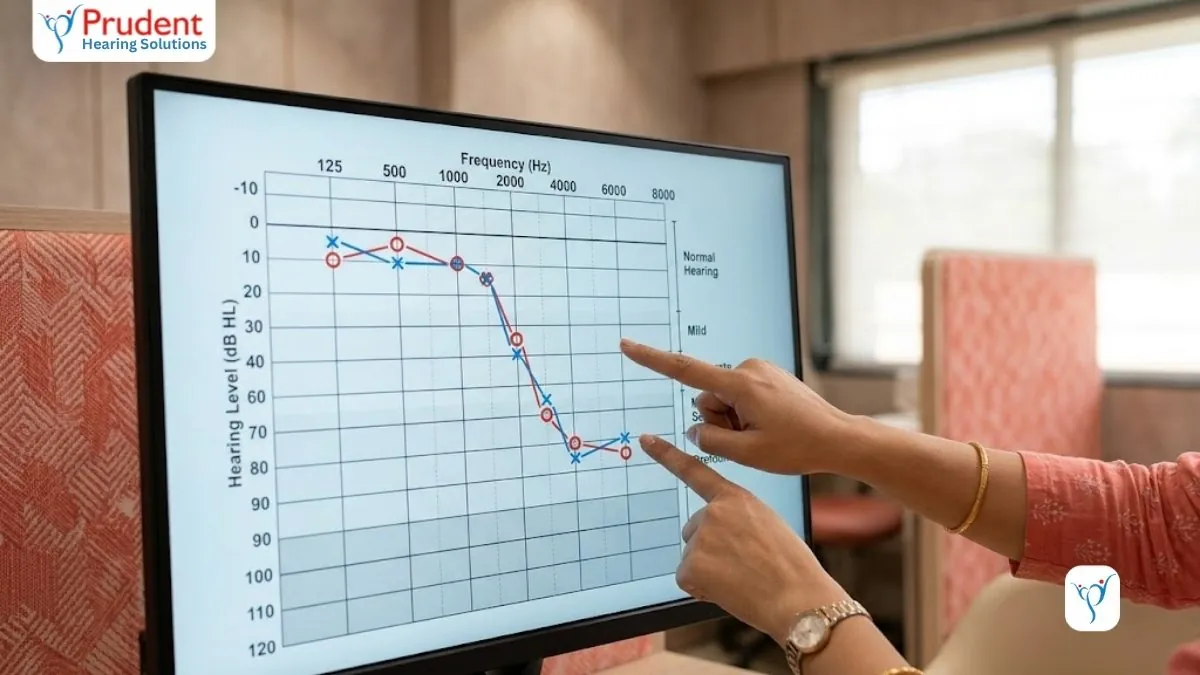
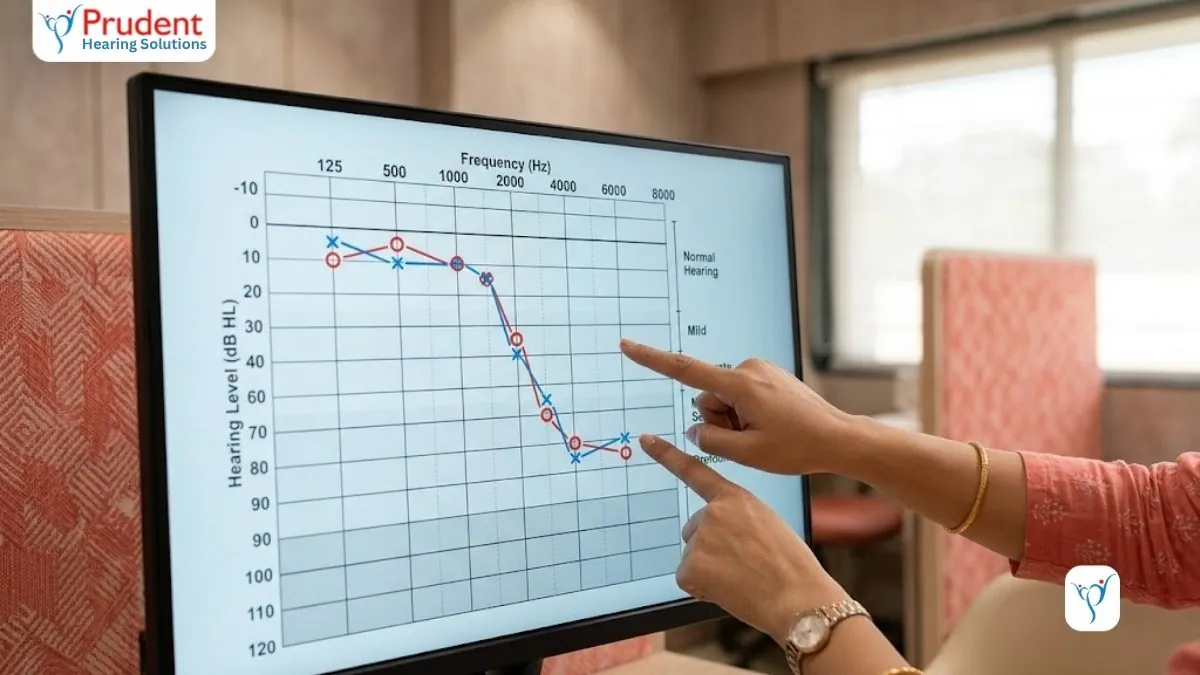
Cochlear implant eligibility in India comes down to four things: severe-to-profound sensorineural hearing loss in both ears (roughly 70 to 90 dB or worse on the audiogram), poor understanding of speech even with correctly fitted, powerful hearing aids, an inner ear and hearing nerve that can take an implant, and the health and commitment to go through surgery and rehabilitation. For children born profoundly deaf, timing is critical: earlier implantation, ideally before 12 to 18 months and well before age 5, gives the best chance at normal speech.
No one is judged on the audiogram alone. Eligibility is decided after a full evaluation by an implant team. Here is what they look at, how the process works, and who is usually better served by hearing aids.
The main eligibility criteria
| Criterion | What it means in practice |
|---|---|
| Degree of loss | Severe-to-profound hearing loss in both ears, roughly 70-90 dB HL or worse |
| Type of loss | Sensorineural (inner ear), with a hearing nerve that can carry the signal |
| Benefit from hearing aids | Limited: words stay muffled or scrambled even with well-fitted, powerful aids |
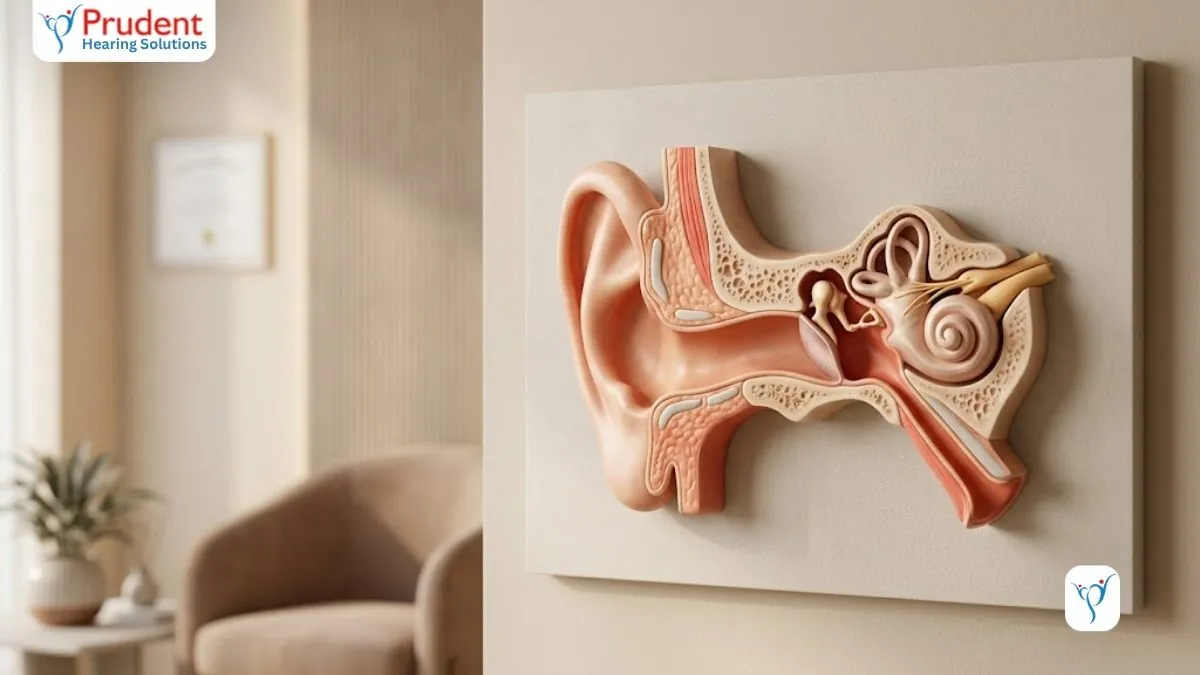
| Inner ear anatomy | Scans show the cochlea and nerve can receive an implant |
| Medical fitness | Fit for general anaesthesia and surgery |
| Commitment | Willing to attend mapping sessions and months of rehabilitation |
Why 'hearing aids don't help enough' is the key test
The most important question is not how deaf you are, but how much a good hearing aid still helps. A hearing aid makes sound louder and relies on the inner ear's hair cells to pass it on. A cochlear implant bypasses damaged hair cells and stimulates the hearing nerve directly. If the hair cells can still deliver clear speech once sound is loud enough, a hearing aid is the better, simpler answer.
That is why candidacy is tested with well-fitted, powerful hearing aids in place. If you have never had a proper power hearing aid fitting and trial, that comes first; see power hearing aids for severe loss. An implant is considered when words still sound unclear, not just quiet, even with the best aids.
In practice this is measured with speech tests, not beeps alone. You listen to words or sentences, in quiet and sometimes with background noise, while wearing your hearing aids, and the audiologist records how many you repeat correctly. A low score despite good amplification is one of the clearest signs that the inner ear can no longer turn loud sound into clear speech, and it is a central part of the decision, alongside the audiogram and the scans.
Children: why timing matters so much
For a child born with profound deafness, the first years of life are when the brain is most ready to learn language through sound. Earlier implantation, ideally before 12 to 18 months and well before age 5, gives the best chance of developing natural speech. That makes early identification essential, which is why newborn hearing screening matters; see newborn and infant hearing screening in India.
Children are usually evaluated by a wider team, including speech-language therapists, because the plan for rehabilitation at home and in therapy is as important as the surgery itself.
Adults and older people
Adults who lost their hearing after learning to speak often do well with an implant, because the brain already knows what speech should sound like. Age alone is not usually the deciding factor; overall health, fitness for surgery and willingness to take part in rehabilitation matter more. Many older adults are considered when hearing aids no longer give them clear speech.
Adults who have been profoundly deaf since early childhood and never developed spoken language through hearing can also be considered, but the expected benefit is different and needs careful counselling. The implant team will talk honestly about what is realistic.
"The question is not 'how bad is my audiogram?' but 'how much do my best hearing aids still give me?'"
How cochlear implant evaluation works in India
Evaluation is a series of assessments, usually at a hospital with an implant programme:
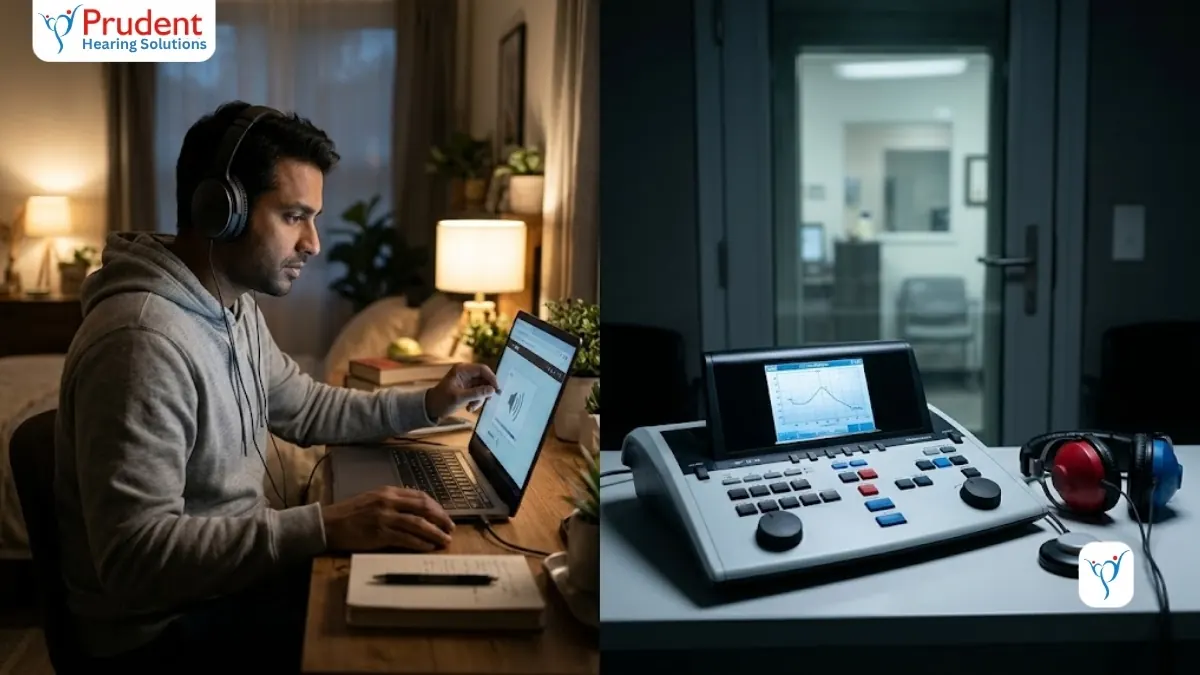
- Hearing tests: pure tone audiometry, plus speech testing with and without well-fitted hearing aids.
- A hearing aid trial, if one has not been done properly.
- An ENT examination and medical history.
- CT and/or MRI scans of the inner ear and hearing nerve.
- An anaesthesia and general health check.
- Counselling on expectations, the rehabilitation commitment and costs.
This pre-operative work-up has its own cost, typically in the range of ₹15,000 to ₹40,000, separate from the surgery. If you are found eligible, our guide to cochlear implant surgery and switch-on explains what happens next.
Who usually isn't a cochlear implant candidate
- People with mild, moderate or even severe loss who still understand speech well with hearing aids.
- Conductive hearing loss that can be treated medically or surgically.
- Situations where scans show the cochlea or hearing nerve cannot receive an implant; other options may be discussed.
- Anyone not yet ready to commit to mapping and rehabilitation.
For the large majority of people with hearing loss in India, a hearing aid is the right answer, medically and financially. Our guide to hearing aid vs cochlear implant explains the difference in detail.
Funding: ADIP and state schemes
A cochlear implant in India costs roughly ₹7 to 12 lakh or more per ear in 2026; see the full breakdown in our cochlear implant cost guide. The central ADIP scheme funds cochlear implants for eligible children, generally under 5 to 6 years, from low-income and BPL families, up to a defined ceiling, through empanelled hospitals, and several states run their own paediatric programmes. Read more about the ADIP scheme.
Where to start: an accurate hearing test
Every implant decision starts with an accurate audiogram and an honest trial of powerful hearing aids. Book a free hearing test at any Prudent clinic in Pune (Viman Nagar), Mumbai (Malabar Hill and Kandivali), Navi Mumbai (Seawoods), Delhi (Rohini and Green Park) or Bengaluru (Jayanagar). Our RCI-registered audiologists will test your hearing, try power hearing aids with you, and if your results suggest an implant might help, explain them and point you towards an ENT and implant team. Call +91 94296 90093. Prudent Hearing Solutions.
Free consultation
Ready to hear the difference?
Book a free 45-minute hearing test at any Prudent Hearing clinic: no obligation, honest advice, expert audiologists.