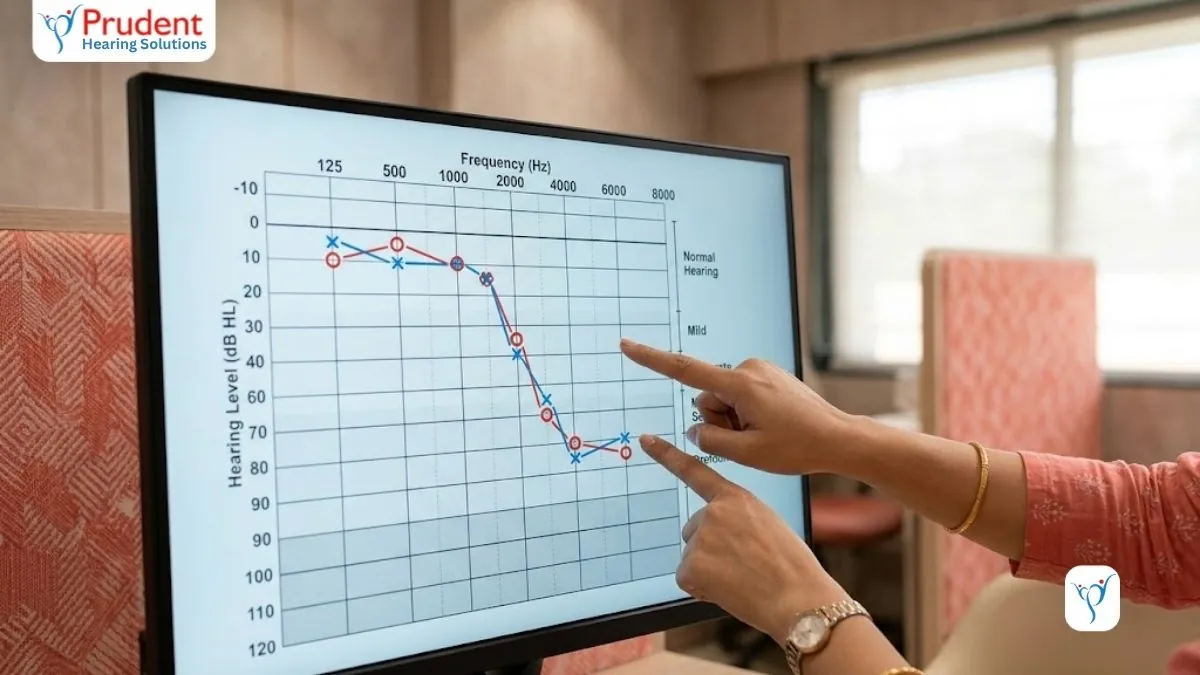
Educational information, not medical advice. This article is written to help you understand common ear and hearing issues. It is not a substitute for professional diagnosis or treatment. If your symptoms are severe, sudden, or persistent, please consult a qualified doctor or audiologist. For urgent symptoms (sudden hearing loss, bleeding from the ear, severe pain with dizziness, or a head injury), seek medical care the same day.
Stress and anxiety do not usually cause tinnitus on their own, but they very often make it louder, more intrusive and harder to ignore. Tinnitus itself also raises stress, creating a cycle. Managing stress, sleep and attention, along with sound therapy, can break it.
The direct answer
Stress and anxiety can trigger or worsen tinnitus, and they make it feel louder and more distressing, but they are rarely the only cause. Most tinnitus is linked to changes in the hearing system, often hearing loss or noise damage. Stress acts as an amplifier: when you are tense, your brain pays more attention to the sound and reacts to it more strongly.
The stress and tinnitus cycle
- Tinnitus appears, or you notice it more.
- You worry about it, which raises stress and anxiety.
- A stressed, alert brain focuses on the sound, so it seems louder.
- Poor sleep and tension follow, which makes the tinnitus worse still.
Breaking the cycle at any point helps. Many people find the sound becomes far less bothersome even when it does not disappear.
Other causes to rule out first
Do not assume stress is the whole story. Tinnitus is often connected to:
- Hearing loss, including age-related and noise-related loss.
- Earwax, ear infections or fluid.
- Loud noise exposure.
- Certain medicines. See medicines that affect hearing.
- Jaw and neck problems. See the jaw and ear connection.
- In one ear only, or with a pulse-like beat, a medical check is needed. See one-sided tinnitus.
What helps when stress is part of it
- A hearing test: find out if hearing loss is contributing. Treating it, often with hearing aids, reduces tinnitus for many people. See hearing aids for tinnitus.
- Sound enrichment: low background sound, such as a fan or soft music, makes tinnitus less noticeable, especially in quiet rooms and at night.
- Counselling and CBT: cognitive behavioural therapy is one of the best-supported treatments for tinnitus distress.
- Relaxation: breathing exercises, gentle exercise, yoga and mindfulness lower the alarm response.
- Better sleep: see how to sleep with tinnitus.
- Tinnitus retraining therapy: a structured approach combining counselling and sound. See TRT in India.
- Cut back on triggers such as excess caffeine, and protect your ears from loud noise.
When to seek help
- Tinnitus that is sudden, in one ear, or comes with hearing loss or dizziness.
- Tinnitus that is affecting sleep, work or mood.
- Thoughts of hopelessness. Speak to a doctor or a mental health professional.
A free hearing test is the right first step: it shows whether your hearing is involved and what options exist. This article is general information and does not replace medical advice.
Frequently asked questions
Can stress and anxiety cause tinnitus?
They can trigger or worsen it, but they are rarely the only cause. Most tinnitus is linked to changes in the hearing system, often hearing loss or noise damage. Stress acts as an amplifier that makes the sound feel louder and more distressing.
Why does tinnitus get worse when I am stressed?
A stressed, alert brain pays more attention to the sound and reacts to it more strongly. Worry about the tinnitus raises stress further, and the poor sleep and tension that follow make it worse still.
What else can cause tinnitus besides stress?
Hearing loss, earwax, ear infections or fluid, loud noise exposure, certain medicines and jaw or neck problems. Do not assume stress is the whole story.
What helps tinnitus when stress is part of it?
A hearing test to see whether hearing loss is involved, low background sound such as a fan or soft music, counselling and CBT, relaxation such as breathing exercises, yoga or gentle exercise, and better sleep.
When should I get help for stress-related tinnitus?
If the tinnitus is sudden, in one ear, or comes with hearing loss or dizziness, if it is affecting your sleep, work or mood, or if you have thoughts of hopelessness. Speak to a doctor or a mental health professional.
Free consultation
Ready to hear the difference?
Book a free 45-minute hearing test at any Prudent Hearing clinic: no obligation, honest advice, expert audiologists.