A cochlear implant in India runs about ₹7–12 lakh or more per ear in 2026, all-in. Here is the real cost breakdown, what ADIP covers, and the clear signs it beats another hearing aid.
A cochlear implant in India in 2026 costs roughly ₹7,00,000 to ₹12,00,000 or more per ear, all-in. That figure bundles the implant device (about ₹5–7.5 lakh), the surgery and surgeon's fee, 2–4 days in hospital, and the first year of mapping and speech therapy.
It is not a hearing aid — it is surgery for severe-to-profound nerve deafness where even a well-fitted hearing aid no longer makes speech clear. See an ENT within 24–48 hours if hearing drops suddenly in one ear, if there is severe pain, discharge or blood, facial weakness, or dizziness with vomiting — sudden sensorineural hearing loss is a medical emergency with a narrow treatment window.
How much does a cochlear implant cost in India in 2026?
There is no single sticker price, because a cochlear implant is a procedure, not a product on a shelf. The device alone — the internal implant plus the external sound processor — is the biggest line item and varies by brand. The three main implant makers sold in India are Cochlear (Nucleus), MED-EL, and Advanced Bionics. India-made and lower-cost options such as Nurotron sit at the bottom of the range. Add surgery, hospital, imaging and rehabilitation, and the total lands in the band below.
| Cost component | Indicative range (per ear) |
|---|---|
| Implant device + external sound processor | ₹5,00,000 – ₹7,50,000 |
| Surgeon's fee + operation theatre | ₹1,00,000 – ₹2,50,000 |
| Hospital stay (2–4 days) | ₹50,000 – ₹1,50,000 |
| Pre-op work-up (CT/MRI, audiology, anaesthesia) | ₹15,000 – ₹40,000 |
| Switch-on, mapping + speech therapy (first year) | ₹50,000 – ₹1,50,000 |
| Approximate total, one ear | ₹7,00,000 – ₹12,00,000+ |
Two ears cost close to double. A bilateral (both-ear) implant in a private hospital can cross ₹20 lakh. A premium brand, a senior surgeon, or a top corporate hospital pushes every line higher; a government medical college or a charitable trust hospital brings it down sharply. Ask any hospital for an itemised, written estimate before you commit — a verbal "around X lakh" hides the rehabilitation and processor-upgrade costs that come later.
Is a cochlear implant the same as a hearing aid?
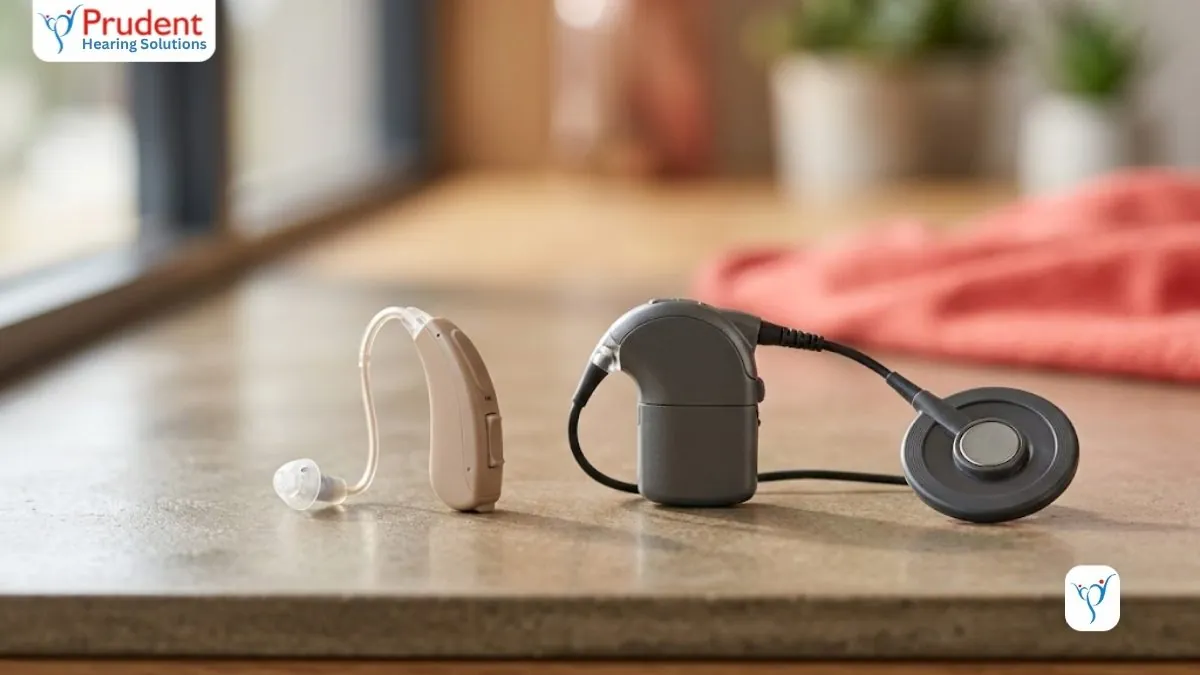
No — and this is the single most important thing to understand before spending a rupee. A hearing aid makes sound louder. It relies on the ear's own hair cells still working well enough to pass that louder sound to the hearing nerve. A cochlear implant does something different: it is surgically placed under the skin and threads an electrode into the cochlea, bypassing the damaged hair cells entirely and stimulating the hearing nerve directly.
If a hearing aid is a loudspeaker, a cochlear implant is a rewiring. That is why it is far more expensive, why it needs surgery, and why it is reserved for ears that a hearing aid can no longer help — our hearing aid vs cochlear implant guide lays the two devices side by side. If you are still at the stage of comparing amplification options, our hearing aid price guide for India is the right starting point, not this page.
When does a cochlear implant beat a hearing aid?
A cochlear implant beats a hearing aid only when the hearing loss is so severe that amplification stops delivering clear speech. The decision is never made on the price tag alone — it is made on an audiologist's and ENT surgeon's assessment of how much usable hearing is left. In practice, the following signs point toward implant candidacy rather than another hearing aid:
- Severe-to-profound sensorineural hearing loss in both ears (roughly 70–90 dB or worse on the audiogram).
- Poor speech understanding even with correctly programmed, powerful hearing aids — words still sound muffled or scrambled, not just quiet.
- A child born with profound deafness: earlier implantation (ideally before 12–18 months, and well before age 5) gives the best shot at normal speech and schooling.
- An adult who heard normally for years and then lost hearing severely (post-lingual loss) — these patients usually do very well.
- Little or no benefit after a genuine hearing-aid trial, confirmed by aided speech-testing rather than a guess.
When is a hearing aid the smarter choice?
For the large majority of people with hearing loss in India, a hearing aid is the right answer — medically and financially. If your loss is mild, moderate or even severe but your brain still makes good sense of amplified speech, a modern digital hearing aid will serve you well at a fraction of the cost, with no surgery and nothing permanent.
A ₹20,000–₹1,50,000 hearing aid that you can trial, return and adjust is a very different commitment from ₹8 lakh of irreversible surgery. Understanding exactly where your loss sits on the scale — see degrees of hearing loss from mild to profound — is what separates the two paths. Only a tested, confirmed profound loss with poor speech scores justifies moving from aid to implant.
| Factor | Hearing aid | Cochlear implant |
|---|---|---|
| Best for | Mild to severe loss with usable speech understanding | Severe-to-profound loss; poor speech even when aided |
| How it works | Amplifies sound to the ear | Bypasses the ear, stimulates the hearing nerve |
| Surgery | No | Yes |
| Reversible | Yes — remove any time | No — permanent internal implant |
| Cost (per ear, 2026) | ₹20,000 – ₹4,00,000 | ₹7,00,000 – ₹12,00,000+ |
| Trial before buying | Yes, at home or clinic | No; decided by candidacy evaluation |
| GST | Exempt (0%) | Device + surgery billed separately; confirm GST with the hospital |
What costs do families forget to budget for?
The quoted surgery price is the beginning, not the end. The implant is a lifelong system that needs upkeep, and the real budget should include these recurring costs:
- Rehabilitation: after switch-on, the brain has to learn to hear through the implant. This means months to a couple of years of auditory-verbal therapy and mapping sessions, especially for children — often ₹500–₹1,500 per session.
- Sound-processor upgrades: the internal implant can last decades, but the external processor is usually replaced or upgraded every 5–7 years, which can cost ₹1.5–3 lakh each time.
- Batteries, cables, coils and accessories: ongoing consumables that add up over the years.
- Travel and time: repeated mapping visits to a specialised centre, which may not be in your own city.
- Vaccination: patients are advised pneumococcal and meningitis vaccination before surgery, because implants carry a small added meningitis risk.
Will the government or insurance pay for a cochlear implant?
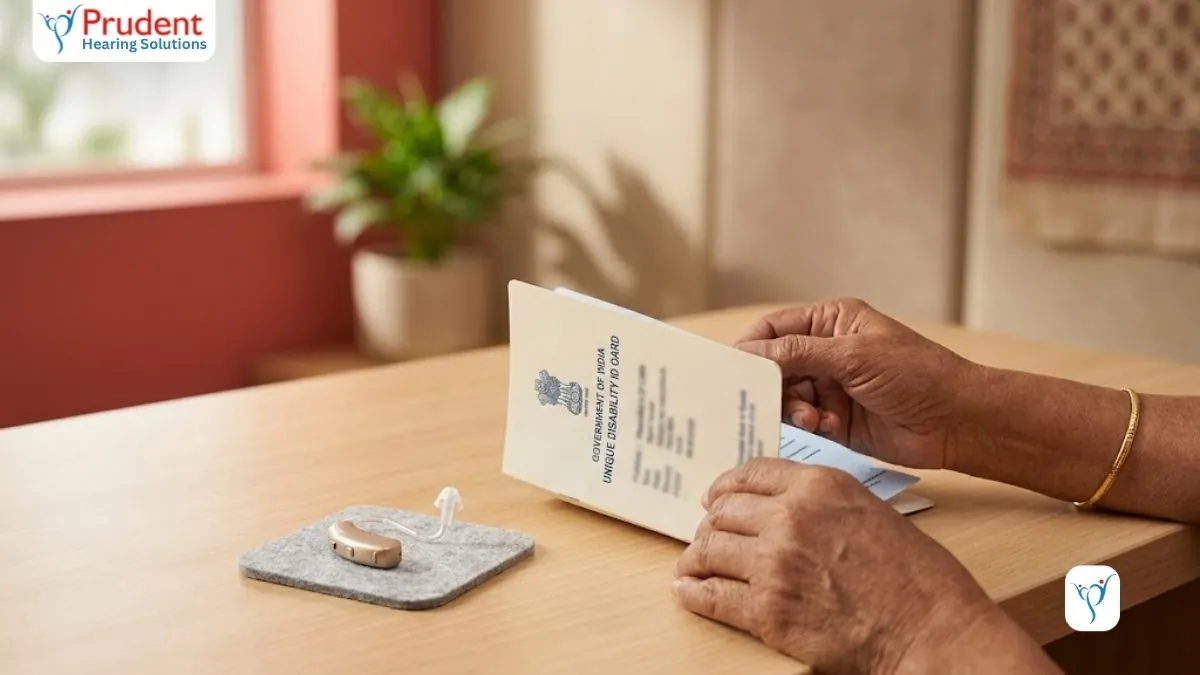
Often, yes — partly or fully, if you qualify. The central ADIP scheme funds cochlear implants free of cost for eligible children (generally under 5–6 years) from low-income and BPL families, up to a defined ceiling, through empanelled hospitals. Several states (including Tamil Nadu, Kerala, Maharashtra and others) run their own paediatric cochlear implant programmes.
Our guides to the ADIP scheme and other government schemes for hearing devices in India explain who qualifies and how to apply. For adults, private health insurance increasingly covers part of the surgery and hospital cost, though many policies still treat the device as a grey area — get the hospital's billing team to confirm coverage in writing before admission.
How do I find out which one I actually need?
Start with the test, not the quote. The honest first step is a full diagnostic hearing evaluation — pure-tone audiometry plus speech testing — to measure exactly how much hearing is left and how well you understand words. That single assessment settles the entire question: a moderate or severe loss with reasonable speech scores means a hearing aid, not surgery; a confirmed profound loss with poor aided speech means it is time for a cochlear implant candidacy evaluation with an ENT surgeon.
At Prudent Hearing Solutions we are an audiology clinic — we do the hearing test and fit and fine-tune hearing aids. Cochlear implant surgery itself is done by ENT surgeons in hospitals, and we will tell you honestly when you have reached that point and refer you onward, rather than sell you a louder hearing aid that cannot help.
Go straight to an ENT or hospital emergency the same day if hearing vanished suddenly, if there is ear discharge or bleeding, facial weakness, high fever, or severe dizziness with vomiting — those are not situations to test and wait on.
If you are unsure where your hearing stands, book a free 45-minute hearing test at a Prudent clinic in Pune, Mumbai, Navi Mumbai, Delhi or Bengaluru, or ask for a home visit.
You will leave with a clear audiogram, a straight answer on whether a hearing aid is enough, and — if it genuinely is not — guidance on the cochlear implant route and what it will realistically cost. Hearing aids at Prudent are GST-exempt and priced 20–30% below MRP, with 0% EMI, so the far cheaper option is explored fully before anyone talks about surgery.
Continue reading
Frequently asked questions
How much does a cochlear implant cost in India in 2026?
Roughly ₹7,00,000 to ₹12,00,000 or more per ear, all-in. The implant device and sound processor alone are about ₹5–7.5 lakh; the rest covers surgery, 2–4 days in hospital, imaging and the first year of mapping and speech therapy. Both ears together can cross ₹20 lakh. Government medical colleges and charitable hospitals cost far less than private metro hospitals.
Is a cochlear implant better than a hearing aid?
Only for severe-to-profound nerve deafness where even a powerful, well-fitted hearing aid no longer makes speech clear. For mild, moderate or many severe losses with usable speech understanding, a hearing aid is better — it is non-surgical, reversible, trial-able and a fraction of the cost. The decision is made on an audiogram and speech test, not on price.
Does the government pay for a cochlear implant in India?
Yes, for those who qualify. The central ADIP scheme funds implants free for eligible children (generally under 5–6 years) from low-income and BPL families, up to a set ceiling, via empanelled hospitals. Several states run their own paediatric programmes. For adults, some private insurance covers part of the surgery and hospital cost — confirm it in writing before admission.
Does the implant last a lifetime?
The internal implant is designed to last for decades and is not routinely replaced. The external sound processor, however, is usually upgraded or replaced every 5–7 years, which can cost ₹1.5–3 lakh each time, plus ongoing batteries, cables and coils. Budget for these recurring costs, not just the one-time surgery.
Can I get a cochlear implant done at Prudent Hearing Solutions?
Prudent is an audiology clinic — we do the diagnostic hearing test and fit and tune hearing aids. Cochlear implant surgery is performed by ENT surgeons in hospitals. What we do is measure your hearing honestly, tell you whether a hearing aid still helps, and refer you for a cochlear implant candidacy evaluation if you have reached that point.
Free consultation
Ready to hear the difference?
Book a free 45-minute hearing test at any Prudent Hearing clinic: no obligation, honest advice, expert audiologists.