Educational information, not medical advice. This article is written to help you understand common ear and hearing issues. It is not a substitute for professional diagnosis or treatment. If your symptoms are severe, sudden, or persistent, please consult a qualified doctor or audiologist. For urgent symptoms (sudden hearing loss, bleeding from the ear, severe pain with dizziness, or a head injury), seek medical care the same day.
When everyday sounds feel painfully loud, it may be hyperacusis. What it is, what causes it, how it links to tinnitus, and the help available, explained cautiously.
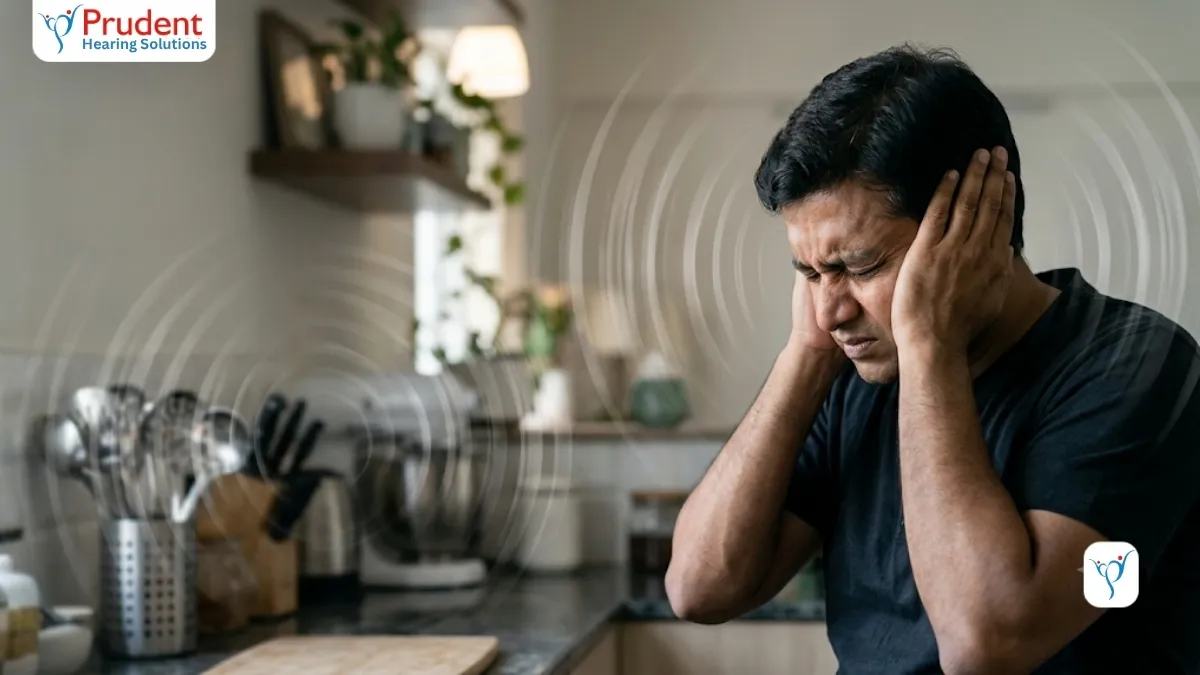
If ordinary sounds, a clattering plate, a tap running, a child's voice, feel uncomfortably or even painfully loud, you may be experiencing hyperacusis: a reduced tolerance to everyday sound. It is real, it can be distressing, and people often feel dismissed when they describe it. This guide explains what it is and where to get help, cautiously, because sound sensitivity can have several causes and benefits from proper assessment.
What hyperacusis is, and is not
Hyperacusis is a lowered tolerance to normal environmental sounds, so they seem louder or harsher than they should, sometimes with discomfort or pain. It is different from simply disliking a sound, and different from recruitment (a rapid growth in loudness that can come with some hearing loss). It frequently sits alongside tinnitus, the two often go together, and it can affect one or both ears.
Common triggers and associations
- Exposure to loud noise, including a single very loud event.
- Tinnitus: many people with tinnitus also have some sound sensitivity.
- Migraine and some neurological conditions.
- Stress and anxiety, which can heighten how the brain processes sound.
- Certain ear or medical conditions, which is why assessment matters.
Because the causes overlap, and some need medical input, persistent sound sensitivity should be assessed rather than self-diagnosed. If you also have ringing, our guides to tinnitus causes and help and whether stress and anxiety can cause tinnitus are a useful read alongside this.
What usually does not help, and what can
It is natural to want to block out all sound with earplugs, but constant over-protection can actually make the ears more sensitive over time, so it is generally used only in loud situations. What tends to help is a proper assessment followed by a structured approach, which may include gradual, gentle sound exposure (sound therapy) and techniques borrowed from tinnitus management. An audiologist can measure your hearing and sound tolerance and, where appropriate, work with an ENT. Our overview of tinnitus retraining therapy explains one such approach.
When to seek help
- Everyday sounds regularly feel too loud or painful.
- It is affecting work, sleep, mood or your social life.
- It came on suddenly, or after a loud noise or head injury.
- It comes with ear pain, hearing loss or severe tinnitus (see a doctor).
A hearing assessment is a sensible first step to understand what is happening. Book a free hearing test at a Prudent clinic, where an RCI-registered audiologist can measure your hearing and talk through management options, and refer you to an ENT where that is the right path. Prudent Hearing Solutions.
Continue reading
Frequently asked questions
What is hyperacusis?
A reduced tolerance to everyday sounds, so ordinary noises seem uncomfortably or even painfully loud. It is real, often sits alongside tinnitus, and can affect one or both ears. It is different from simply disliking a sound.
What causes sound sensitivity?
Common associations include loud-noise exposure, tinnitus, migraine and some neurological conditions, and stress or anxiety. Because the causes overlap and some need medical input, persistent sensitivity should be assessed rather than self-diagnosed.
Do earplugs help hyperacusis?
Constant over-protection can actually make ears more sensitive over time, so earplugs are generally used only in loud situations. A structured approach, which may include gentle sound therapy, tends to help more.
When should I seek help for sound sensitivity?
If everyday sounds regularly feel too loud or painful, it affects work, sleep or mood, it came on suddenly or after a loud noise or head injury, or it comes with ear pain, hearing loss or severe tinnitus (see a doctor).
Free consultation
Ready to hear the difference?
Book a free 45-minute hearing test at any Prudent Hearing clinic: no obligation, honest advice, expert audiologists.