Educational information, not medical advice. This article is written to help you understand common ear and hearing issues. It is not a substitute for professional diagnosis or treatment. If your symptoms are severe, sudden, or persistent, please consult a qualified doctor or audiologist. For urgent symptoms (sudden hearing loss, bleeding from the ear, severe pain with dizziness, or a head injury), seek medical care the same day.
When everyday sounds feel painfully loud, that is hyperacusis: a reduced tolerance to normal sound. Learn how it differs from phonophobia and misophonia, why all-day earplugs backfire, and how audiology sound therapy in India helps you rebuild tolerance.
If ordinary sounds (a running tap, cutlery on a plate, an auto-rickshaw passing) feel uncomfortably or painfully loud when they do not bother anyone around you, that may be hyperacusis: a reduced tolerance to everyday sound. It is common alongside tinnitus and noise exposure, and it usually responds well to the right audiology care.
The instinct to block out sound with earplugs all day feels sensible, but it often leaves the ears more sensitive, not less. Here is what hyperacusis is, how it differs from related conditions, and how an audiologist assesses and manages it.
What hyperacusis actually is
Hyperacusis is a reduced tolerance to ordinary sound levels. The sounds themselves are not dangerously loud; the difference is in how your hearing system processes them. Volumes that most people find normal, or even quiet, can register as harsh, sharp or physically uncomfortable. Some people describe a stab of discomfort, others a wince, a flinch, or a strong urge to leave the room. It can affect one ear or both, and it can build up gradually or come on fairly suddenly after a loud event.
- Kitchen sounds: a running tap, clattering dishes, a pressure-cooker whistle or the mixer-grinder
- Traffic and travel: horns, auto-rickshaws, a bus braking, station announcements
- Household noise: a doorbell, exhaust fan, or the TV at a volume others find normal
- Everyday speech that seems too sharp, or children's voices and laughter
- Small sounds too: paper rustling, plates being stacked, a spoon tapping a cup
Hyperacusis, phonophobia and misophonia: what is the difference?
These three often get muddled because they all involve a strong reaction to sound, but they are not the same thing, and telling them apart helps guide care. It is also common to have more than one at once: for example, hyperacusis that has led to some phonophobia because you have started dreading noisy places.
- Hyperacusis: the volume itself feels too loud or uncomfortable. It is about how loud ordinary sound seems, whatever the sound is.
- Phonophobia: fear or anxiety about sound, or about being exposed to it. The distress is driven by anticipation and worry rather than physical loudness.
- Misophonia: a strong emotional reaction (irritation, anger, disgust) to specific trigger sounds, often human ones like chewing, sniffing or tapping. The volume may be low; it is the particular sound that sets off the reaction.
What can trigger reduced sound tolerance
- Noise exposure: a single loud event such as a firecracker, wedding speaker or industrial blast, or long-term exposure to loud sound
- Tinnitus: ringing, hissing or buzzing in the ears very often accompanies hyperacusis
- Existing hearing loss, including noise-induced hearing loss
- Ear or head conditions: some people notice it after an ear infection, a head injury or a migraine
- Certain neurological conditions, and occasionally as a side effect of some medicines
- High stress, anxiety or poor sleep, which can all lower your tolerance further
Hyperacusis and tinnitus often go together
If you have hyperacusis, there is a fair chance you also notice tinnitus: a ringing, hissing or buzzing with no outside source. The two share a lot of the same underlying pathways, which is why helping one often helps the other.
Where hearing loss is part of the picture, well-fitted devices can play a role: for some people, hearing aids used for tinnitus provide gentle background sound that eases both the ringing and the sensitivity. If your sensitivity followed a loud event, it is worth reading about sudden and noise-induced hearing loss too.
Why wearing earplugs all day tends to backfire
The natural response to uncomfortable sound is to protect your ears: plugs at home, cotton wool, noise-cancelling headphones for hours at a stretch. In genuinely loud settings, such as a wedding with big speakers, a factory floor or a concert, protection is sensible. But wearing plugs all day in ordinary situations usually makes hyperacusis worse.
When the ears are kept in near-silence, the hearing system tends to turn up its own internal sensitivity, so normal sound feels louder than before. Over-protection can also feed the anxiety and shrink the range of places you feel able to go. The aim of care is the opposite: to gently, gradually rebuild your tolerance for everyday sound.
How an audiologist assesses and manages it
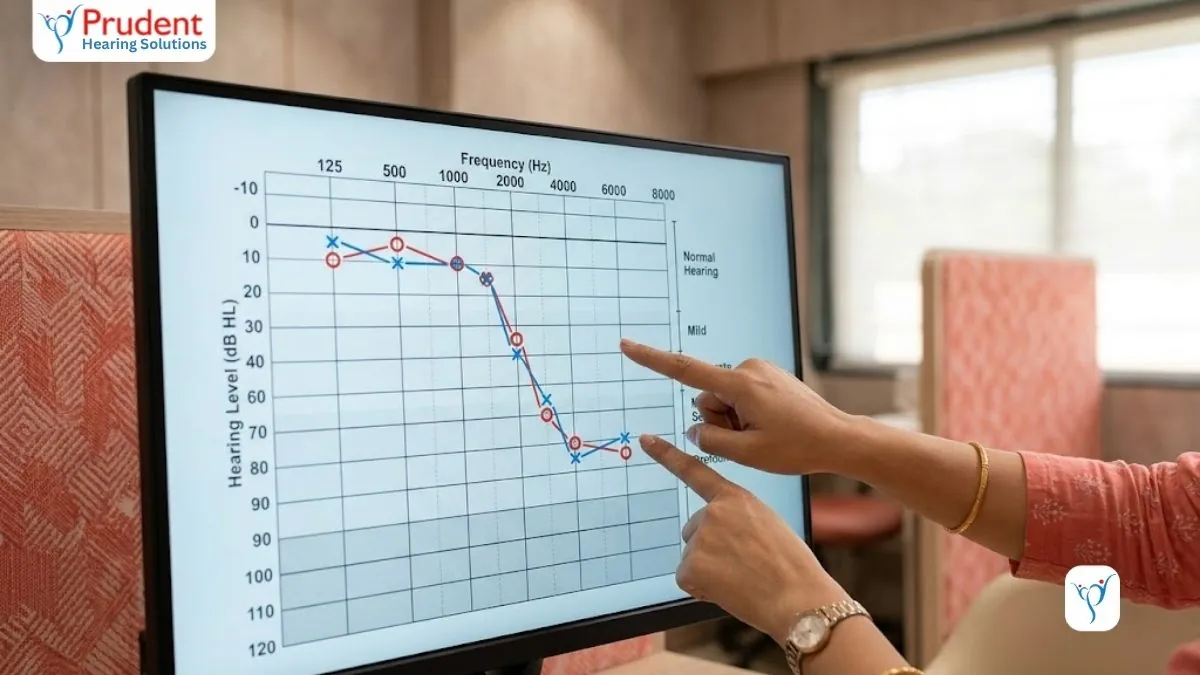
Managing hyperacusis is squarely audiology work. At a clinic the process usually starts with a proper hearing test and a sound-tolerance evaluation, so the plan is built around your actual results rather than guesswork. If you are unsure whether your ears need checking in the first place, these signs you may need a hearing test are a useful guide. A typical plan includes:
- A hearing test and sound-tolerance assessment: measuring both your hearing and the level at which sound becomes uncomfortable
- Gradual sound therapy (desensitisation): planned, comfortable exposure to broadband or environmental sound to slowly widen your tolerance
- Counselling and education: understanding why sounds feel loud lowers the fear, which itself tends to reduce the reaction
- Support for any underlying tinnitus or hearing loss, because they reinforce each other
- A gentle wind-down of unnecessary ear protection, at a pace you can manage
When to see a doctor first
Hyperacusis management is audiology-led, but some situations need a doctor or ENT specialist first to look for a medical cause. As an audiology clinic, Prudent measures the hearing impact and provides sound-tolerance care. We do not treat infections, prescribe medicines or perform surgery. Please see a doctor promptly if you notice any of these warning signs:
- Sudden hearing loss, or a rapid change in hearing in one or both ears
- Ear pain, discharge, fever or other signs of an ear infection
- Dizziness, vertigo, or a feeling of fullness alongside the sensitivity
- Sound sensitivity that started after a head injury
- Facial weakness or drooping on one side, or severe one-sided symptoms
- Sensitivity that came on very suddenly or is getting rapidly worse
How Prudent Hearing Solutions can help
At Prudent, our audiologists assess and manage hyperacusis and its close companion, tinnitus. A visit usually begins with a free 45-minute hearing test at one of our clinics in Pune, Delhi or Bengaluru, followed by a sound-tolerance assessment and a plan tailored to you, often graded sound therapy alongside counselling.
If hearing loss turns out to be part of the picture, we will walk you through your hearing aid options, and where a device is right for you, 0% EMI is available. One honest note: sound therapy and hearing aids help you manage hyperacusis, they do not cure it overnight. Steady, guided practice is what rebuilds tolerance. To get started, reach us or find your nearest clinic.
"You do not have to keep shrinking your world to escape sound. With a proper assessment and gradual, guided sound therapy, most people widen their tolerance and get their everyday life back. - Prudent Hearing Solutions"
Continue reading
Frequently asked questions
Is hyperacusis a type of hearing loss?
Not exactly. Hyperacusis is reduced tolerance to ordinary sound, not a loss of hearing. That said, the two often overlap: many people with hyperacusis also have some hearing loss or tinnitus, which is why a full hearing test is the sensible first step. It measures both your hearing and the level at which sound becomes uncomfortable.
Can hyperacusis be cured?
There is no overnight cure, but it can very often be managed successfully. Gradual sound therapy (desensitisation), counselling, and addressing any underlying tinnitus or hearing loss help most people widen their tolerance over weeks and months. The goal is steady improvement in how you cope with everyday sound, not a single quick fix.
Should I wear earplugs if everyday sounds feel too loud?
Use protection only in genuinely loud settings: big speakers at a wedding, a factory floor, a concert. Wearing earplugs all day in ordinary situations usually makes hyperacusis worse, because the ears tend to grow even more sensitive in near-silence. An audiologist can help you step down from over-protection safely.
What is the difference between hyperacusis and misophonia?
With hyperacusis, the volume itself feels too loud or uncomfortable, whatever the sound is. With misophonia, the volume may be low. It is a strong emotional reaction to specific trigger sounds, often human ones like chewing, sniffing or tapping. They can occur together, and a sound-tolerance assessment helps tell them apart.
Why do I have both ringing in my ears and sound sensitivity?
Hyperacusis and tinnitus share a lot of the same underlying pathways in the hearing system, so they frequently appear together, especially after noise exposure. The encouraging part is that helping one often eases the other, and for some people hearing aids that deliver gentle background sound help with both.
How is hyperacusis managed at an audiology clinic in India?
Care is audiology-led. It usually starts with a hearing test and a sound-tolerance assessment, then a personalised plan of graded sound therapy, counselling, and support for any tinnitus or hearing loss. At Prudent, you can begin with a free 45-minute hearing test in Pune, Delhi or Bengaluru. See a doctor first if there are warning signs like ear pain, discharge or sudden hearing change.
Free consultation
Ready to hear the difference?
Book a free 45-minute hearing test at any Prudent Hearing clinic: no obligation, honest advice, expert audiologists.