Educational information, not medical advice. This article is written to help you understand common ear and hearing issues. It is not a substitute for professional diagnosis or treatment. If your symptoms are severe, sudden, or persistent, please consult a qualified doctor or audiologist. For urgent symptoms (sudden hearing loss, bleeding from the ear, severe pain with dizziness, or a head injury), seek medical care the same day.
Muffled hearing after an ear infection is common and usually temporary, but not always. Why it happens, how long it takes to recover, and when to get it checked.
It is very common for hearing to feel muffled or reduced after an ear infection, and in most cases it recovers. But the real answer to 'will it come back?' is: usually yes, sometimes no, and the only way to be sure is to have it checked if it does not clear. Knowing the difference between a normal recovery and a warning sign is what matters.
Why hearing drops during and after an infection
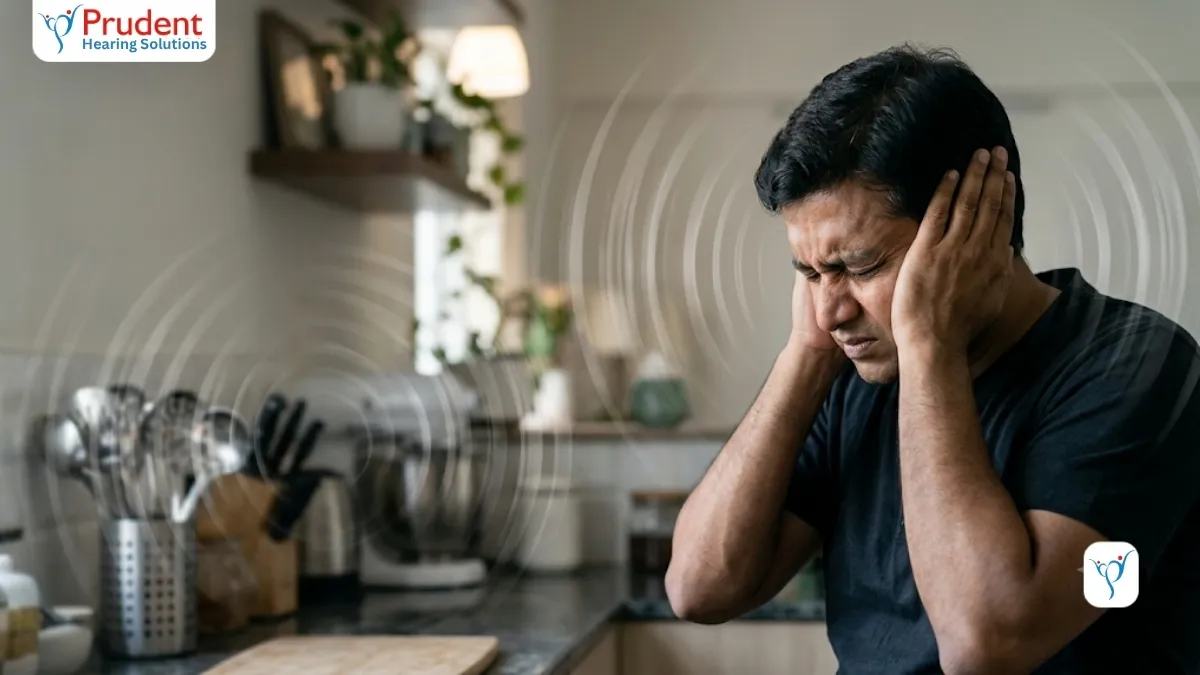
During an infection, fluid and inflammation build up in the ear, which stops sound travelling normally and leaves hearing dull or blocked on that side. In a middle-ear infection (otitis media), fluid can linger behind the eardrum even after the infection itself has cleared, so the muffled feeling can outlast the pain. In an outer-ear infection (otitis externa, or swimmer's ear), swelling in the canal can do the same; see our guide to swimmer's ear.
How long recovery usually takes
As the inflammation settles and any fluid drains, hearing generally returns over days to a few weeks. Children in particular can have fluid that lingers for weeks, sometimes called glue ear (see fluid in a child's ear). If your hearing is steadily improving, that is a good sign. If it has stayed muffled with no improvement, that is the point to get it looked at rather than waiting indefinitely.
When it may not fully come back
Most post-infection hearing loss is temporary (conductive) and recovers. Less often, an infection, or repeated infections, can cause lasting damage, particularly in chronic middle-ear disease, or CSOM (see chronic ear discharge and hearing loss). Rarely, infection can affect the inner ear and cause permanent (sensorineural) loss. A hearing test is what tells these apart, by showing whether the loss is the temporary, conductive kind or something more.
When to see a doctor, and when to test
- See a doctor if there is ongoing pain, discharge, fever, or the infection keeps returning.
- See a doctor urgently if hearing dropped suddenly and sharply (read why in sudden hearing loss is an emergency).
- Have a hearing test if the muffled feeling has not cleared a few weeks after the infection settled.
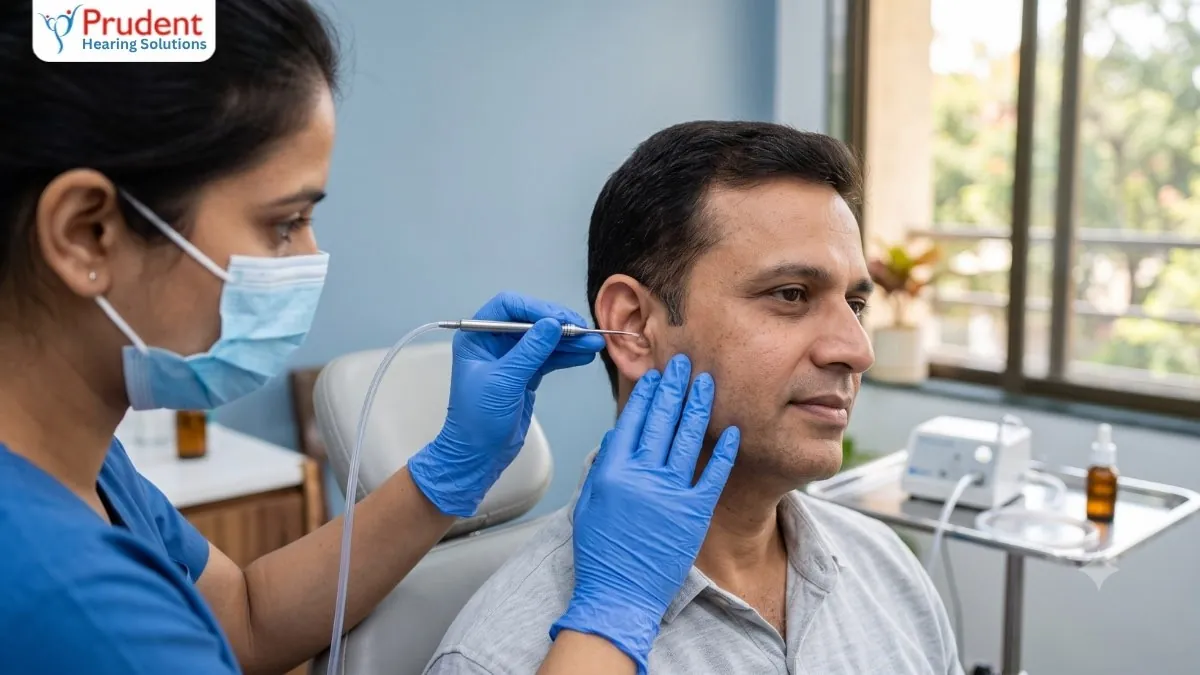
Treat the infection with a doctor first; Prudent is an audiology clinic and does not treat infections. Once it has settled, if your hearing has not returned, book a free hearing test, or start with our online hearing screening, so we can measure exactly where your hearing stands and advise on next steps. Prudent Hearing Solutions.
Continue reading
Frequently asked questions
Will my hearing come back after an ear infection?
Usually yes. Muffled hearing after an infection is common and most often temporary, recovering over days to a few weeks as inflammation settles and fluid drains. If it hasn't improved a few weeks after the infection cleared, have it checked.
Why is my hearing muffled after an ear infection?
Fluid and inflammation stop sound travelling normally. In a middle-ear infection, fluid can linger behind the eardrum even after the pain has gone; in an outer-ear infection, canal swelling does the same.
Can an ear infection cause permanent hearing loss?
Most post-infection loss is temporary and conductive. Less often, repeated or chronic infections (CSOM) can cause lasting damage, and rarely an infection affects the inner ear causing permanent loss. A hearing test tells these apart.
When should I see a doctor?
If there's ongoing pain, discharge, fever, or the infection keeps returning, and urgently if hearing dropped suddenly and sharply. Treat the infection with a doctor first; an audiology clinic doesn't treat infections.
Free consultation
Ready to hear the difference?
Book a free 45-minute hearing test at any Prudent Hearing clinic: no obligation, honest advice, expert audiologists.