Most audiologists recommend removing hearing aids before sleep. Here is why, what happens to your aids and ears overnight, and the one exception where wearing them at night can make sense.
It is a common question, especially for new hearing aid users who are still adjusting: does it matter if you fall asleep wearing your aids? The short answer is that for most people, it is better to remove them, and doing so each night is good practice. Here is the reasoning, and the one situation where wearing them at night is medically appropriate.
Why Audiologists Recommend Removing Hearing Aids Before Sleep
- Moisture damage: your ear canal produces heat and humidity during sleep, especially under a pillow or in warm weather. Even IP-rated moisture-resistant aids accumulate this moisture over hours. Overnight removal and drying extends the life of the device significantly.
- Battery drain: hearing aids running all night use battery unnecessarily. Turning them off and storing them in an open case or a UV drying box each night extends battery life and device life.
- Ear health: the ear canal needs periods of air circulation to stay healthy. Blocking it continuously with a dome or ear mould for 16 or more hours a day, including sleep, can lead to ear canal irritation, earwax accumulation, or fungal issues in some people.
- Physical comfort and feedback: lying with your head on a pillow can press the receiver into the ear and cause feedback (whistling). This disrupts sleep and can dislodge the device.
- Risk of loss or damage: devices dislodged during sleep can fall into bedding, get sat on, or end up in locations where pets or small children can reach them.
What Happens If You Occasionally Fall Asleep Wearing Them?
Accidentally napping with hearing aids in is not a cause for concern. The risks described above accumulate over consistent overnight wear. A short nap or an occasional night when you forget to remove them will not damage your ears or the aids meaningfully. Remove them when you wake up, check them for moisture, and proceed with your normal routine.
The Exception: Tinnitus and Sleep
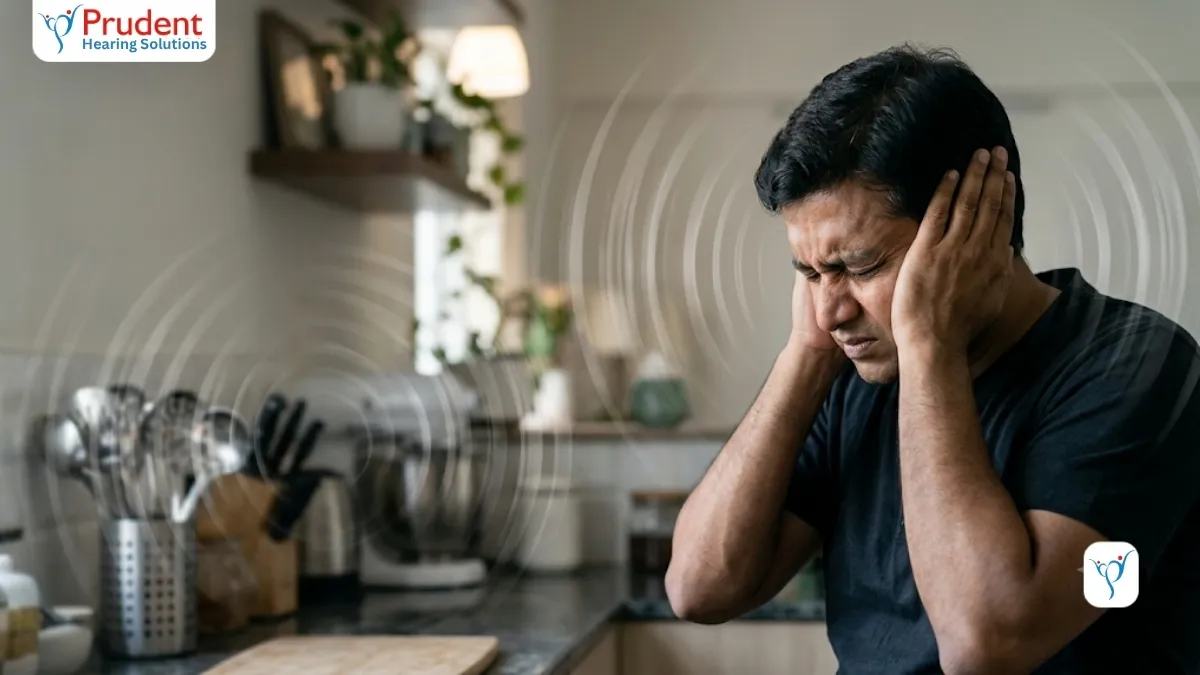
Some people with tinnitus find that silence makes the ringing in their ears louder and harder to ignore at night, making it difficult to fall asleep. In this specific case, some audiologists recommend leaving the hearing aid in on a low-gain or tinnitus masking setting, or using a separate tinnitus masker device overnight.
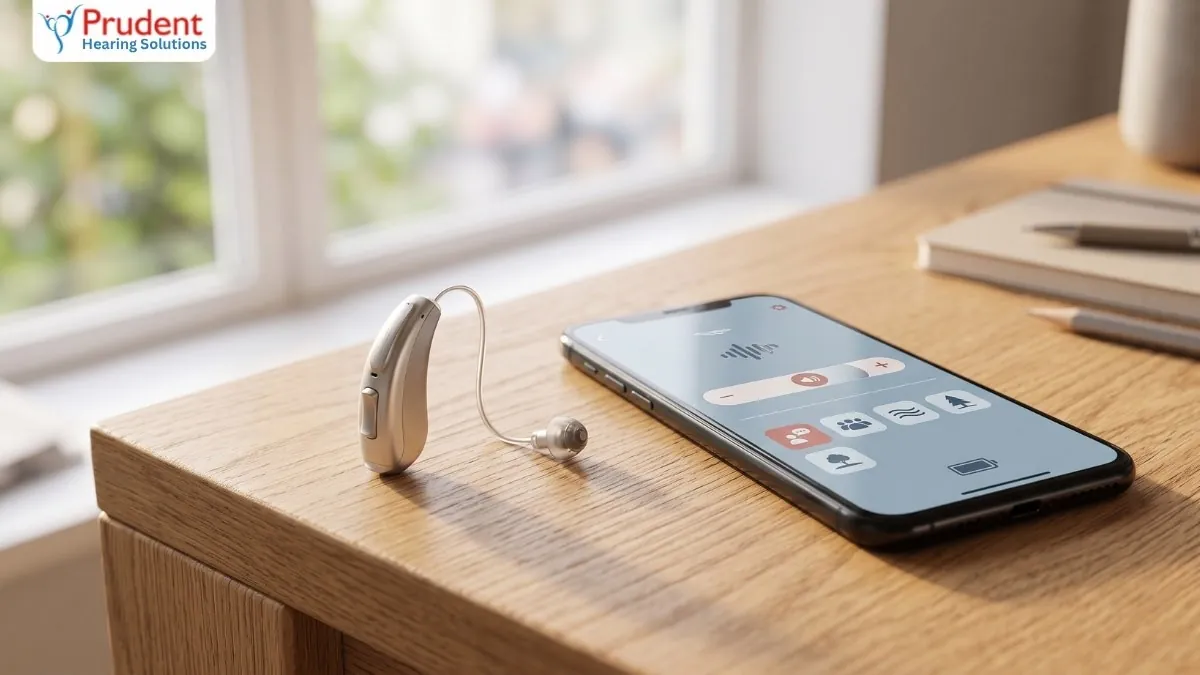
If this applies to you, ask your audiologist about a tinnitus masking program for sleep specifically. Modern aids from brands like Signia, Phonak, and Widex have sleep-specific sound therapy features. These should be prescribed and set up by an audiologist, not set up at home without guidance.
Best Practices for Overnight Care
- Remove hearing aids before bed each night and open the battery door (or place rechargeable aids in their charging case with the lid open briefly before closing it, per the manufacturer's instructions).
- Store aids in a UV drying box overnight if you live in a humid climate or notice frequent moisture-related issues. These cost between rupees eight hundred and three thousand and are sold at most hearing aid clinics.
- Keep aids out of reach of children and pets. A small hard case on a bedside table is safer than leaving them on a flat surface.
- Clean the domes and receiver wire with a dry cloth before storing. Do not use water or alcohol on the electronic parts.
If you have questions about overnight care specific to your model of hearing aid, the audiologist who fitted it is the right person to ask. Prudent Hearing Solutions offers free follow-up consultations for all patients who purchased their aids from us.
Continue reading
Frequently asked questions
What happens if I fall asleep with my hearing aids in?
Occasionally falling asleep with hearing aids in will not damage your ears or the devices. The concern is consistent overnight wear, which causes moisture accumulation, unnecessary battery drain, and prolonged ear canal occlusion. Remove them when you wake up and proceed with your normal daily care routine.
Can I wear hearing aids during a nap?
Brief naps with hearing aids in are generally not harmful. However, lying with your head on a pillow can press the receiver against the ear canal and cause feedback or discomfort. If you nap regularly, it is a good habit to remove the aids beforehand.
My tinnitus is worse at night without my hearing aids. What should I do?
If silence amplifies tinnitus and makes sleep difficult, ask your audiologist about a tinnitus masking program for sleep. Many modern hearing aids have sleep-specific sound therapy settings that can be used at very low gain. This is different from wearing the aid normally overnight and should be set up with your audiologist.
Should I leave the battery door open overnight?
For aids with disposable zinc-air batteries: open the battery door when removing the aids for the night. This extends battery life and allows moisture to escape. For rechargeable aids: place them in the charging case as directed by the manufacturer. Some cases seal completely; others benefit from brief ventilation before charging. Check your specific model's instructions.
Free consultation
Ready to hear the difference?
Book a free 45-minute hearing test at any Prudent Hearing clinic: no obligation, honest advice, expert audiologists.