Educational information, not medical advice. This article is written to help you understand common ear and hearing issues. It is not a substitute for professional diagnosis or treatment. If your symptoms are severe, sudden, or persistent, please consult a qualified doctor or audiologist. For urgent symptoms (sudden hearing loss, bleeding from the ear, severe pain with dizziness, or a head injury), seek medical care the same day.
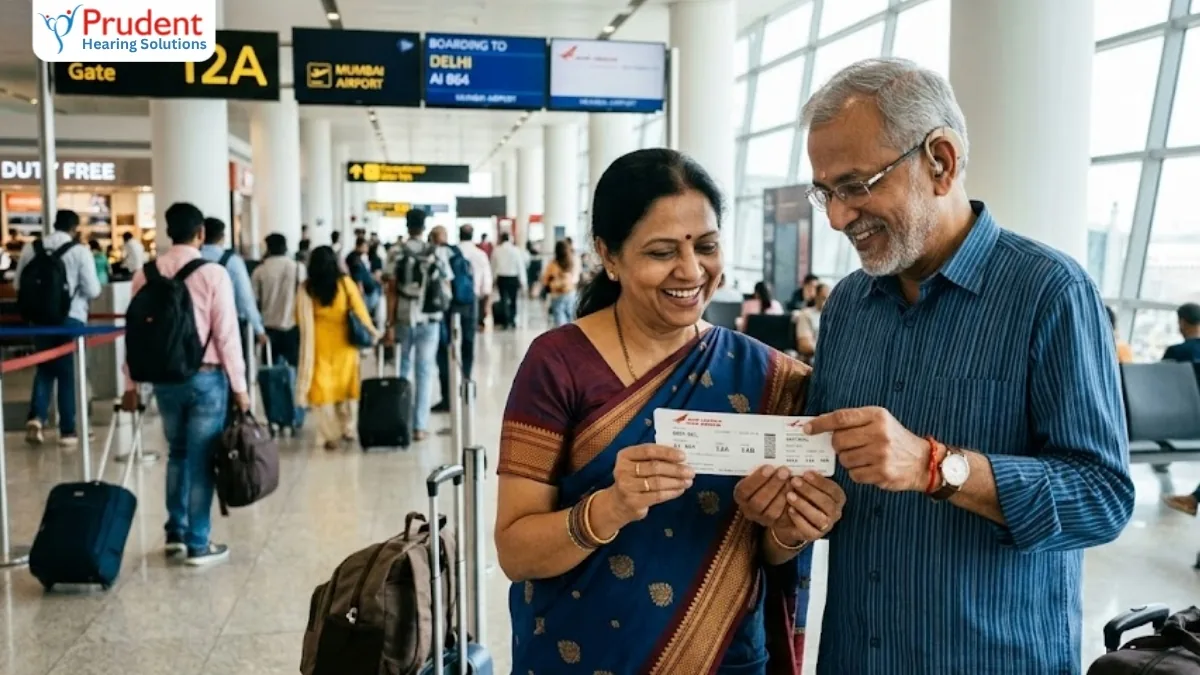
Remove hearing aids before an MRI or CT scan and follow the imaging centre's instructions. At airport security they are normally fine to keep in, though they may beep. On a flight you can keep them in with Bluetooth off or in flight mode. Carry spare batteries or a charger and a dry box.
The short answer
Take hearing aids out before an MRI, and generally before X-ray or CT scans, and follow the instructions of the imaging centre. At airport security, you can usually keep them in and tell the officer you wear them. On the flight, keep them in, and switch off Bluetooth or use flight mode if the airline asks. Plan for batteries, charging and moisture.
MRI scans
- An MRI uses a very strong magnet. Hearing aids contain magnets, metal and electronics, and should be removed and left outside the scanner room.
- Tell the technician you wear hearing aids, and about any implants such as a cochlear implant, which need specific MRI guidance from the implant manufacturer and your surgeon.
- Ask the centre what to do about hearing during the scan, since the machine is loud and you will need to hear instructions. Earplugs or headphones are usually provided.
X-ray and CT scans
Centres often ask you to remove hearing aids for scans of the head and neck, so that the device does not affect the image. Follow the staff's instructions.
Airport security
- Metal detectors and body scanners are not a danger to hearing aids, though they may sometimes trigger an alert.
- Tell the security officer you wear hearing aids, and you can keep them in.
- If asked to put them in a tray, keep them dry and in a case, and do not leave them in a bag that could be knocked about.
- Carry a note or your audiologist's card if you would like a reference.
On the flight
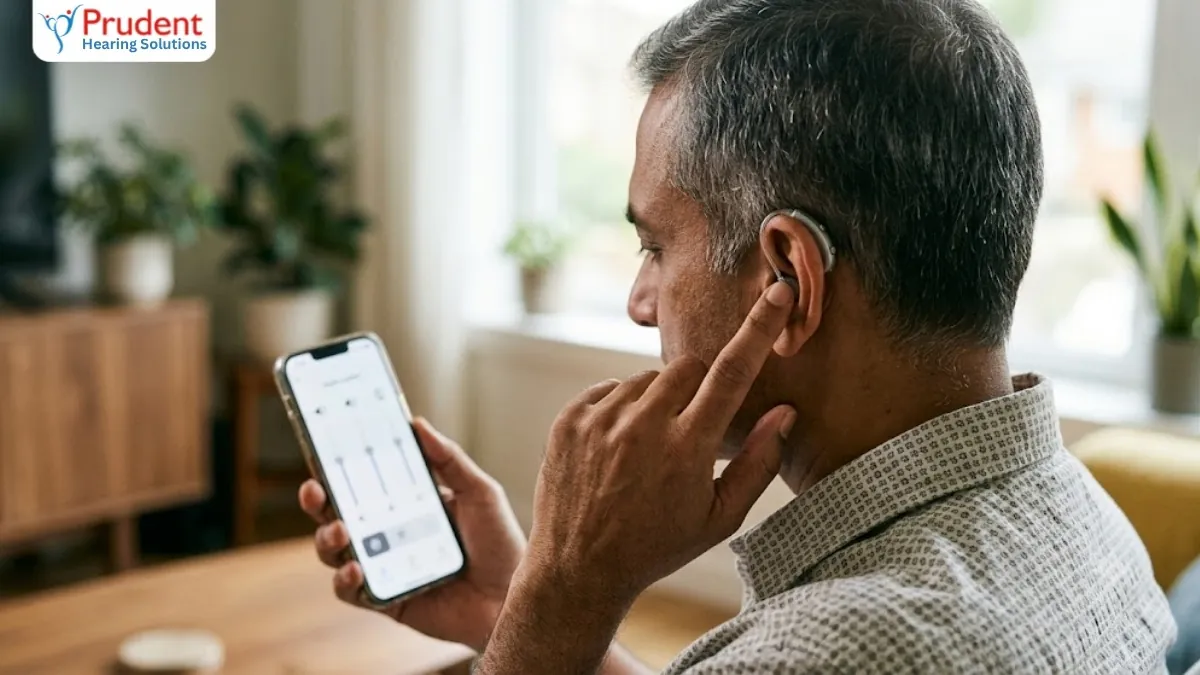
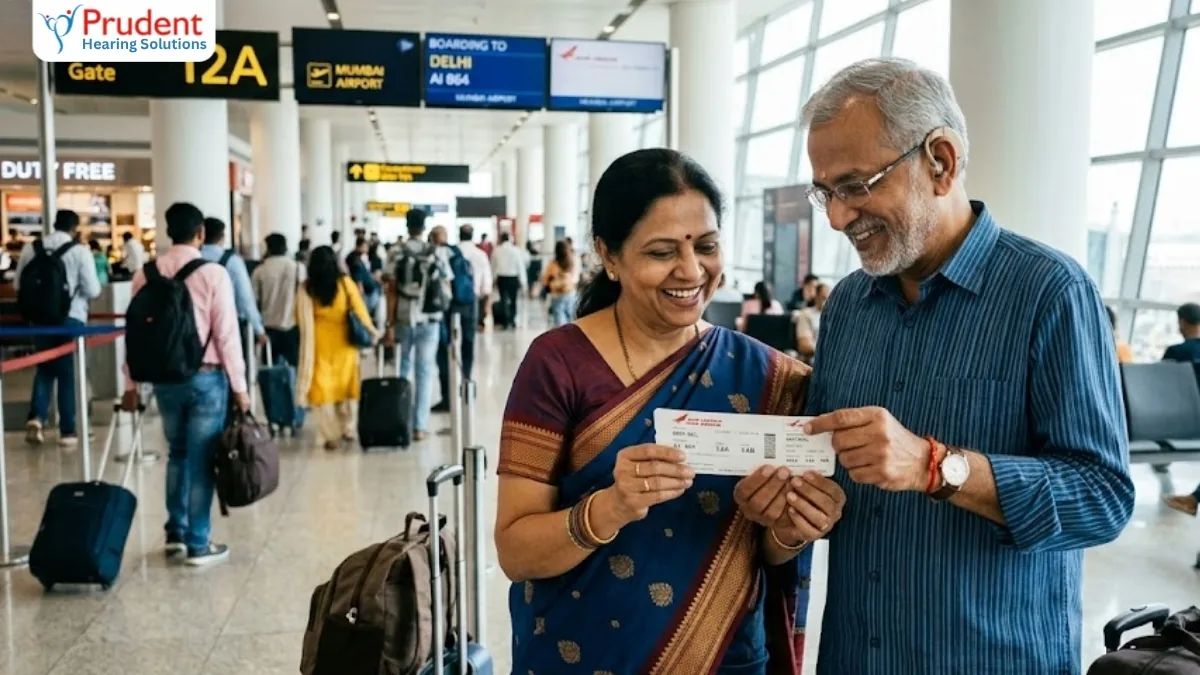
- You can keep hearing aids in during the flight. Many airlines allow Bluetooth in flight mode, so check the rules if you use streaming.
- Pressure changes can make ears feel blocked. Swallow, yawn or chew, and see airplane ear for more.
- Aircraft engine noise is loud. Use your noise-reduction program, and consider a wireless streamer or headphones only if compatible.
- Store aids in a hard case in your carry-on, not checked luggage.
Pack for the trip
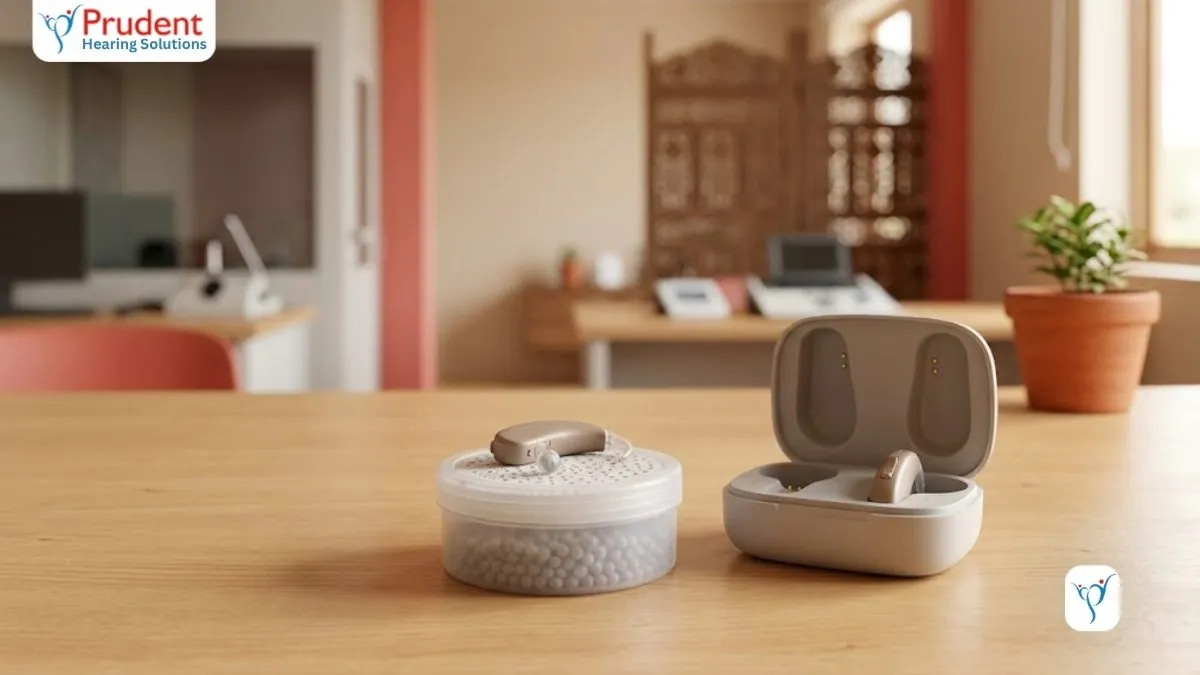
- Spare batteries, or your charger and a power bank, plus a travel adaptor.
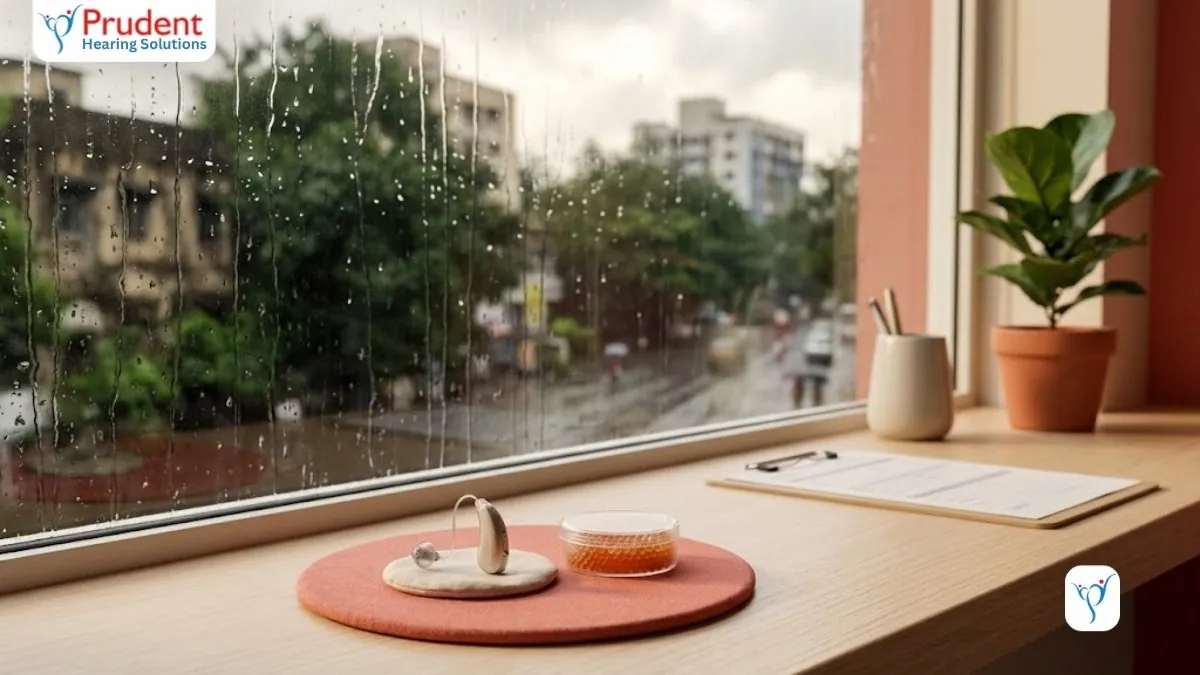
- A dry box or drying capsules, and a cleaning brush. See hearing aid care in the monsoon.
- Spare domes and wax filters.
- Your audiologist's contact details, and warranty and service information. See warranty and after-sales.
- For extended stays abroad, ask us about servicing options before you go.
Planning a trip and want your aids checked first? Book a fitting check at one of our clinics or through a home visit, or start with a free hearing test.
Frequently asked questions
Do I need to remove hearing aids for an MRI?
Yes. An MRI uses a very strong magnet, and hearing aids contain magnets, metal and electronics, so take them out and follow the imaging centre's instructions. Tell the technician about any implant, such as a cochlear implant.
Can I wear hearing aids through airport security?
Usually, yes. Metal detectors and body scanners do not harm hearing aids, though they may occasionally beep. Tell the security officer you wear them.
Can I wear hearing aids on a flight?
Yes. You can keep them in during the flight, and many airlines allow Bluetooth in flight mode. Swallow, yawn or chew to ease blocked ears during pressure changes, and store the aids in a hard case in your carry-on.
Should I remove hearing aids for an X-ray or CT scan?
Centres often ask you to remove them for scans of the head and neck so the device does not affect the image. Follow the staff's instructions.
What should I pack for travelling with hearing aids?
Spare batteries or your charger with a power bank and travel adaptor, a dry box or drying capsules, a cleaning brush, spare domes and wax filters, and your audiologist's contact and warranty details.
Free consultation
Ready to hear the difference?
Book a free 45-minute hearing test at any Prudent Hearing clinic: no obligation, honest advice, expert audiologists.