Educational information, not medical advice. This article is written to help you understand common ear and hearing issues. It is not a substitute for professional diagnosis or treatment. If your symptoms are severe, sudden, or persistent, please consult a qualified doctor or audiologist. For urgent symptoms (sudden hearing loss, bleeding from the ear, severe pain with dizziness, or a head injury), seek medical care the same day.
Hearing aids are very travel-friendly. Here is a practical guide to packing, airport security, flights, keeping your aids dry, and charging rechargeables on the road, so your hearing goes wherever you do.
Hearing aids are very travel-friendly. You can wear them through airport security and on the plane, and they rarely set off metal detectors, so there is no need to remove them or make a fuss. The main thing is a little planning: keep your aids and their charger or spare batteries in your carry-on, pack a small drying kit and cleaning tools, and carry a power bank if you use rechargeables. Do that, and your hearing aids will travel as easily as your phone.
What to pack
Before you zip your bag, put together a small hearing aid travel kit. It takes up almost no space and saves a lot of worry if something goes wrong far from home. Keep everything in one pouch so it is easy to find in a hotel room or at a security check.
- Your charger, and a universal travel adapter if you are flying abroad or to a region with different sockets
- Spare disposable batteries in the right size, or a power bank if you wear rechargeables
- A drying kit or dehumidifier capsules to pull out moisture at the end of each day
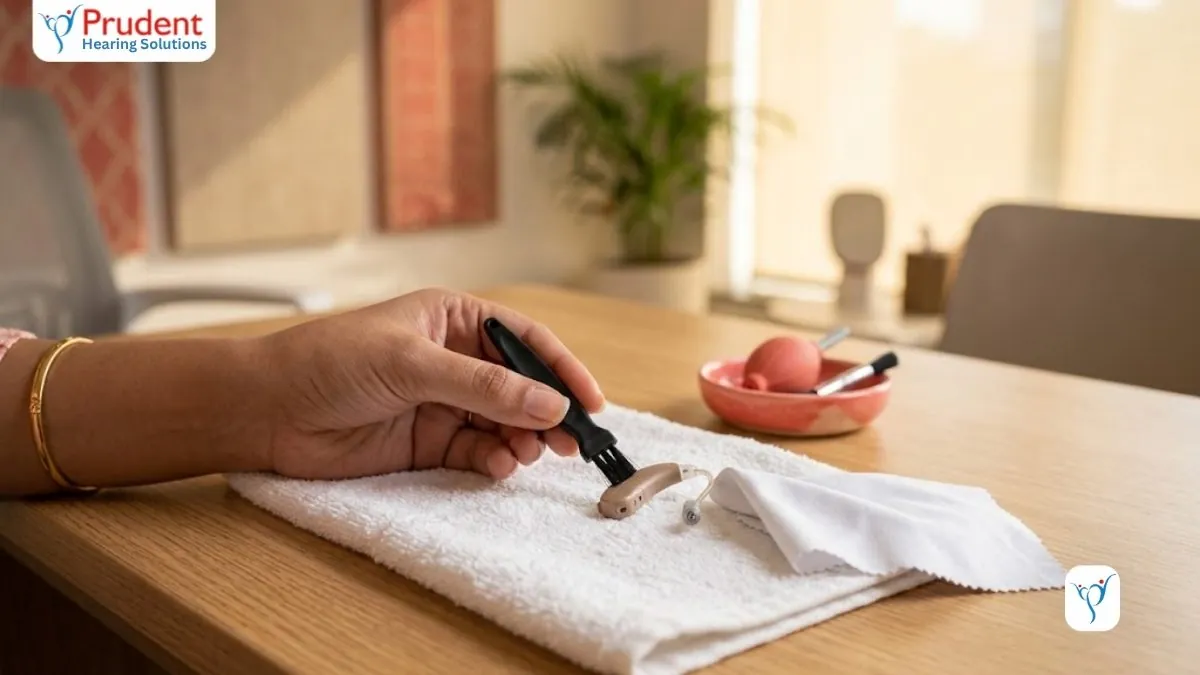
- Cleaning tools: a soft brush, a wax pick or wire loop, and a dry microfibre cloth
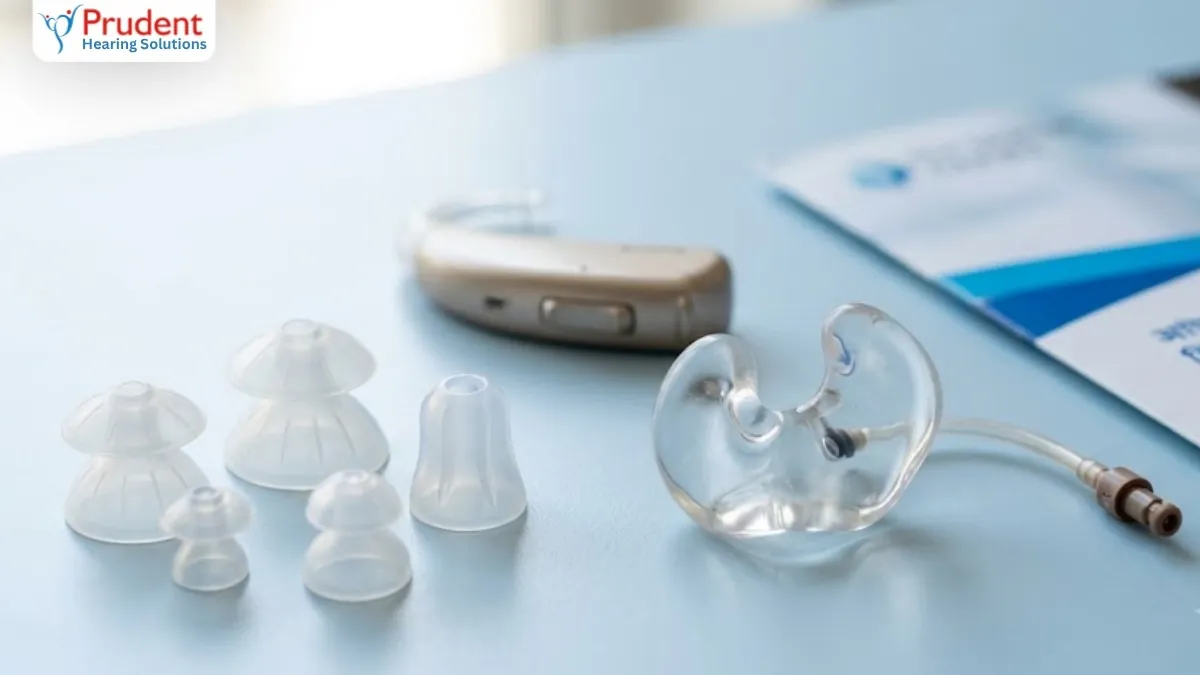
- Spare wax guards, and for behind-the-ear aids, a spare dome or two
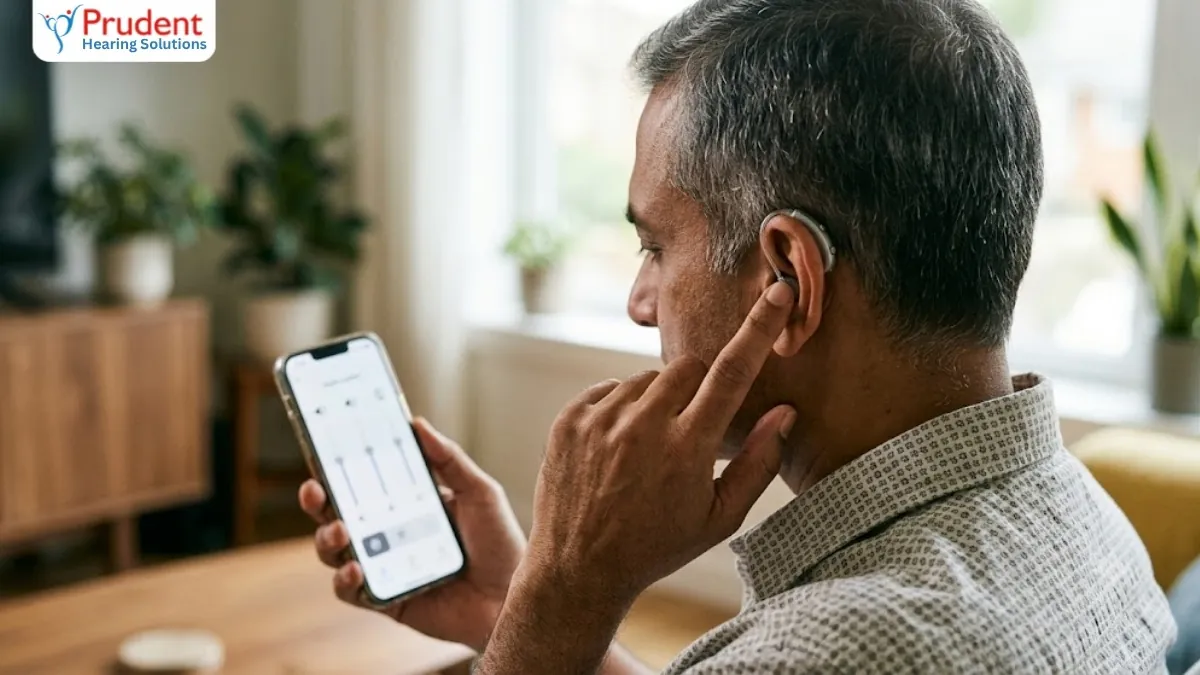
- Your aids' case, and the phone app if your aids connect by Bluetooth
Keep your hearing aids in your carry-on
Never pack hearing aids, chargers or batteries in checked luggage. Checked bags get thrown around, can be delayed for days, and sometimes go missing altogether. Losing your aids in a lost suitcase is a genuinely bad way to start a holiday. Keep them on your ears or in your carry-on, along with the charger and batteries, so they stay with you the whole way. Loose lithium batteries and power banks are meant to travel in the cabin anyway, not the hold.
Getting through airport security
You can almost always wear your hearing aids straight through airport security. They are tiny and mostly plastic, so they do not usually set off the metal detector or the body scanner, and there is no rule that says you must take them out. Taking them out actually makes things harder, because you will miss the staff instructions. If it puts you at ease, it is perfectly fine to tell the security officer that you wear hearing aids. They deal with this every day and it is nothing unusual. Keep spare batteries and your charger in the tray with your other electronics if you are asked to.
On the flight
Wearing your hearing aids in the air makes the whole journey easier, from catching the crew's announcements to enjoying the entertainment. Here is how to handle the two things people ask about most.
Aeroplane mode and Bluetooth streaming
Modern hearing aids use low-power Bluetooth, the same as wireless earbuds, and they are safe to keep on during the flight. When the crew asks for aeroplane mode, switch your phone over as usual. Most phones let you keep Bluetooth on in aeroplane mode, so you can still stream the in-flight film, music or a call to your hearing aids once devices are allowed. If you would rather rest, just leave your aids in so you can hear the crew and the announcements clearly.
Managing ear pressure on take-off and landing
The blocked, full feeling on take-off and landing comes from pressure changes in your middle ear, not from your hearing aids, and it happens to people with or without them. Swallow, yawn, chew gum or sip water to help your ears equalise, and try to stay awake during descent so you can keep clearing them. Your hearing aids will not make this worse, and you can leave them in. If you often get bad ear pain or a blocked feeling when you fly, our guide to airplane ear and eustachian tube problems explains what helps and when it is worth seeing someone.
Keeping aids dry in humid, coastal and monsoon travel
Moisture is the biggest enemy of hearing aids, and India gives them plenty of it, from Goa's sea air to a Kerala monsoon to a sweaty summer trek. Sweat, humidity and sudden rain can all fog up the delicate electronics. Wipe your aids with a dry cloth through the day, take them off before you swim or shower, and put them in your drying kit every night to draw the moisture out. If you are travelling in the rains, the same habits from our monsoon hearing aid care guide apply just as well on the road. Keep the aids in their case, not loose in a damp pocket, whenever they are off your ears.
A charging plan for rechargeables
Rechargeable hearing aids are wonderfully convenient, but they need power, and hotel sockets and long travel days do not always cooperate. Carry your charger and a fully charged power bank so you can top up on a train, in a car or at an airport gate. A portable charging case that holds a spare charge is ideal for camping trips or places where power is unreliable. It is also worth carrying a small pack of backup disposable batteries if you own an older pair that takes them, just in case. If you are weighing up the two types before a big trip, our guide to hearing aid batteries covers what each one needs. Charge overnight so you start every day full.
"Hearing aids are built for real life, and that includes travel. A charger, a drying kit and a little planning are all it takes to hear every moment of your trip."
Quick fixes on the road
Most travel hiccups are small and easy to sort out yourself. If sound goes faint or muffled, it is usually wax or moisture, so clean the aid with your brush, change the wax guard, and give it a night in the drying kit. Our cleaning and maintenance guide walks through this step by step. If an aid stops working, check that it is charged or swap the battery before you worry. For anything you cannot fix on the road, note down what is wrong and see us when you are back, since our repair and servicing team can put it right. New to your aids and travelling for the first time? A quick read of our tips for new hearing aid users will build your confidence before you go.
What to do next
Travelling soon? Give your hearing aids a proper clean and a full charge before you pack, and build your little travel kit now rather than the night before. If your aids have been niggling, or you are simply due a review, book a free hearing test and check-up with us first, so you leave with everything working well. You can also call or visit any of our clinics in Pune, Delhi and Bengaluru, or ask about a home visit. Wherever you are headed, a little planning means your hearing goes with you. Safe travels from all of us at Prudent Hearing Solutions.
Continue reading
Frequently asked questions
Can I wear hearing aids through airport security?
Yes. Hearing aids are small and mostly plastic, so they rarely set off metal detectors or body scanners, and no rule requires you to remove them. Keeping them in actually helps, because you can hear staff instructions. If you prefer, simply tell the security officer that you wear hearing aids, as they handle this routinely every day. Place spare batteries or your charger in the tray with your other electronics if you are asked to.
Should hearing aids go in checked or carry-on luggage?
Always keep hearing aids, chargers and batteries in your carry-on, never in checked luggage. Checked bags can be delayed, mishandled or lost, and being without your aids for days can spoil a trip. Loose lithium batteries and power banks are also meant to travel in the cabin rather than the hold. Keep everything in one small pouch so your aids stay with you for the entire journey.
Can I use hearing aids on a plane and keep Bluetooth on?
Yes. Hearing aids use low-power Bluetooth, like wireless earbuds, and are safe to wear throughout the flight. When the crew asks for aeroplane mode, switch your phone over; most phones let you keep Bluetooth on, so you can still stream the in-flight film, music or calls to your aids. Even without streaming, leaving your aids in helps you hear announcements and the crew clearly.
How do I manage ear pressure when flying with hearing aids?
Ear pressure on take-off and landing comes from your middle ear, not your hearing aids, so you can leave them in. Swallow, yawn, chew gum or sip water to help your ears equalise, and stay awake during descent to keep clearing them. Your aids will not make it worse. If you regularly get bad ear pain when flying, see an audiologist, as it may point to a eustachian tube issue.
How do I keep hearing aids dry on a humid or monsoon trip?
Moisture is the main risk for hearing aids, and coastal, humid and monsoon travel adds plenty of it. Wipe your aids with a dry cloth through the day, remove them before swimming or showering, and place them in a drying kit or with dehumidifier capsules every night. Store them in their case, not a damp pocket, when they are not in use. These simple habits protect the electronics on the road.
What is the best charging plan for rechargeable hearing aids while travelling?
Pack your charger, a universal travel adapter for different sockets, and a fully charged power bank so you can top up on trains, in cars or at airport gates. A portable charging case that holds a spare charge is ideal where power is unreliable. Charging overnight means you start each day full. Carrying a few backup disposable batteries, if you have a pair that takes them, is sensible insurance.
Free consultation
Ready to hear the difference?
Book a free 45-minute hearing test at any Prudent Hearing clinic: no obligation, honest advice, expert audiologists.