Educational information, not medical advice. This article is written to help you understand common ear and hearing issues. It is not a substitute for professional diagnosis or treatment. If your symptoms are severe, sudden, or persistent, please consult a qualified doctor or audiologist. For urgent symptoms (sudden hearing loss, bleeding from the ear, severe pain with dizziness, or a head injury), seek medical care the same day.
Can hearing aids ease tinnitus? How amplification and combination sound-generator devices make ringing less noticeable, who qualifies, and what to expect.
Quick answer
Yes, hearing aids can help many people with tinnitus, especially when tinnitus comes alongside hearing loss. By amplifying outside sound, hearing aids make the internal ringing less noticeable, and some models add a built-in sound generator for extra relief. They manage tinnitus; they do not cure it. A hearing test decides whether you are a good candidate.
Key takeaways
- Hearing aids do not switch tinnitus off. They make it easier to ignore by bringing back everyday sound.
- They help most when tinnitus sits alongside measurable hearing loss, which is common.
- Combination devices add a sound generator (masker) to the amplifier for layered relief.
- Candidacy depends on a proper hearing test, not on the tinnitus alone.
- Think management, not cure. Set realistic expectations and give it a few weeks.
Yes, hearing aids can help many people with tinnitus, especially when tinnitus comes alongside hearing loss. By amplifying outside sound, hearing aids make the internal ringing less noticeable, and some models add a built-in sound generator for extra relief. They manage tinnitus; they do not cure it. A hearing test decides whether you are a good candidate.
How do hearing aids reduce tinnitus?
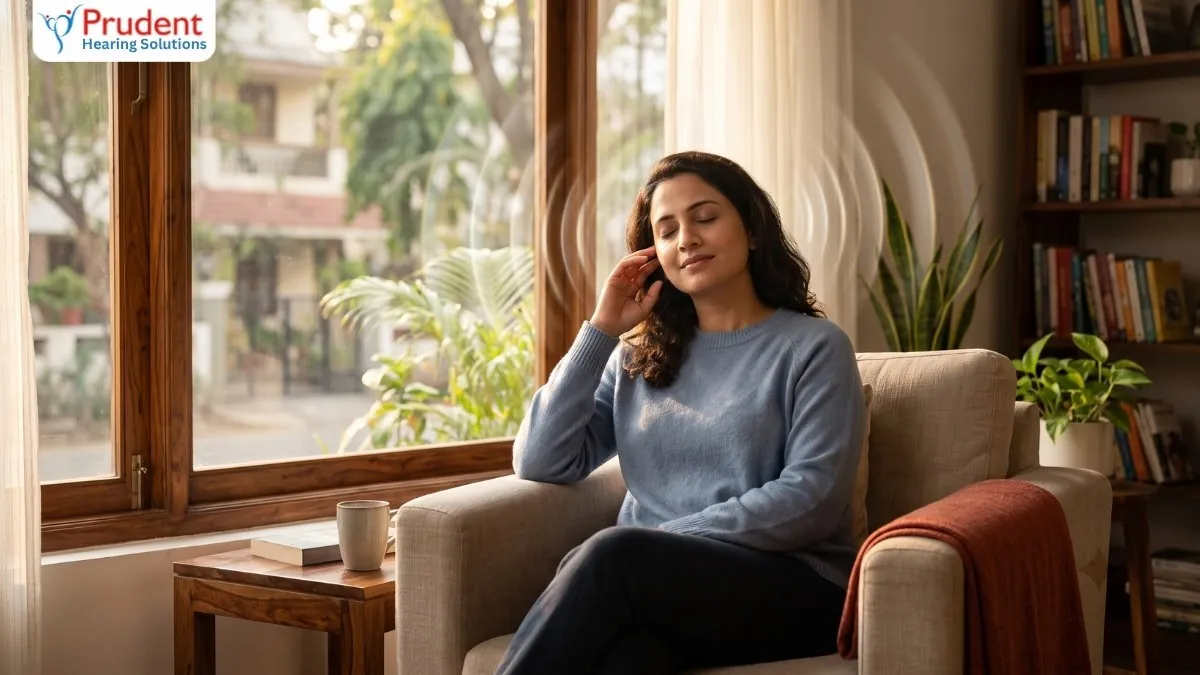
Tinnitus is the perception of sound, often ringing or buzzing, with no outside source. It is very common and frequently travels with hearing loss.
When hearing fades, your brain receives less input from the outer world. Many researchers believe the brain turns up its own internal gain to compensate, and tinnitus can become more noticeable in that quiet. Amplification puts natural sound back in. According to the NIDCD, hearing aids amplify external noise, which can make tinnitus harder to hear and easier to live with.
The relief is usually indirect. You are not muting the ringing. You are giving your ears and brain a richer sound environment so the ringing no longer stands alone in silence.
What are combination devices (amplification plus sound generator)?
Some hearing aids do two jobs at once. They amplify speech and environmental sound, and they also play a low-level background sound, often a soft hiss or gentle tones, from a built-in generator.
This second layer is a form of sound therapy. MedlinePlus notes that masking devices and wearable sound generators can cover the tinnitus with a more pleasant or neutral sound, making it less bothersome. In a combination hearing aid, that masker is tuned by your audiologist and travels with you all day.
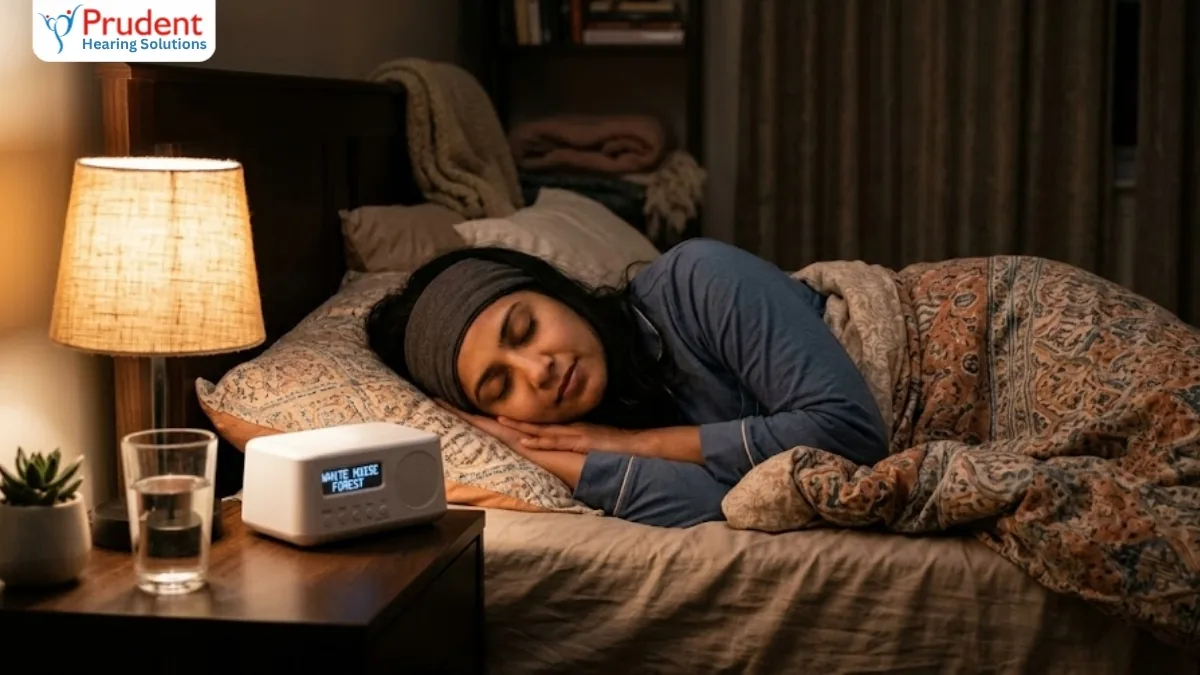
Not everyone needs the sound generator. Many people find that amplification alone is enough. Others prefer the added masking, particularly in quiet rooms or at night.
Who is a good candidate?
The honest answer is that a hearing test decides. Candidacy depends on your specific pattern of hearing and tinnitus, not on how loud the ringing feels.
You are more likely to benefit if:
- Your tinnitus comes with some degree of hearing loss.
- The ringing bothers you most in quiet settings.
- You struggle to follow conversation or the television.
Tinnitus is strongly linked to noise exposure. Occupational and recreational noise are major, preventable causes, and long-term exposure can damage hearing over time (CDC/NIOSH). If your tinnitus followed years of loud work or music, a hearing test is a sensible first step. Book a hearing test or ask about a home visit if travelling to the clinic is difficult.
What results are realistic?
Set expectations early. Evidence reviews find that no single treatment reliably eliminates tinnitus for everyone, and results vary from person to person (AHRQ). Hearing aids are a management tool, not a cure, and anyone promising to erase your tinnitus is overstating what devices can do.
What people often report is meaningful: the ringing fades into the background, conversations feel easier, and the constant awareness of tinnitus eases. Give any new device a fair trial of several weeks. Your brain needs time to adjust to renewed sound, and your audiologist may fine-tune settings during follow-up visits.
This piece is one part of our fuller guide. For the causes, red flags and the wider set of options, read Tinnitus (Ringing in the Ears): Causes, When to Worry, and What Actually Helps.
When should you see a doctor first?
Tinnitus is usually not dangerous, but some patterns need prompt medical attention rather than a hearing aid.
Seek urgent care if hearing loss comes on suddenly, especially in one ear, as sudden sensorineural hearing loss is a medical emergency where early treatment matters. Also see a clinician promptly if your tinnitus pulses in time with your heartbeat, affects only one ear, or arrives with severe dizziness, vertigo or a feeling of fullness. Tinnitus with episodic vertigo and fluctuating hearing can point to conditions such as Ménière's disease (NIDCD), which needs its own assessment.
When the cause has been checked and hearing loss is confirmed, hearing aids become a strong option. You can explore hearing aids or contact us to discuss what suits you.
Continue reading
Frequently asked questions
Do hearing aids cure tinnitus?
No. Hearing aids manage tinnitus by making it less noticeable, mainly by restoring everyday sound. They do not remove the underlying tinnitus, and no device guarantees a cure.
Will hearing aids help if my hearing is normal?
They help most when tinnitus comes with hearing loss. If your hearing tests as normal, an audiologist may suggest sound therapy or other approaches instead. A hearing test settles the question.
What is a combination hearing aid?
It is a hearing aid that amplifies sound and also plays a soft background sound from a built-in generator. The generator masks the tinnitus while amplification improves your hearing.
How long before I notice a difference?
Many people notice relief within a few weeks as the brain adjusts. Follow-up appointments let your audiologist fine-tune the amplification and any masking sound for your ears.
Can loud noise make tinnitus worse?
Yes. Ongoing loud-noise exposure can worsen both hearing and tinnitus over time, so hearing protection matters alongside any device.
Sources & further reading
We cross-checked this article against the following authoritative sources. Guidance and figures reflect the most recent public guidance available at the time of last review (September 2026). Clinical review by the Prudent Hearing clinical team.
- NIDCD (Tinnitus)
- MedlinePlus (Tinnitus)
- CDC/NIOSH (Occupational Hearing Loss Surveillance)
- AHRQ Effective Health Care (Tinnitus)
- NIDCD (Ménière's Disease)
Free consultation
Ready to hear the difference?
Book a free 45-minute hearing test at any Prudent Hearing clinic: no obligation, honest advice, expert audiologists.