Signia vs Widex compared on sound character. Widex PureSound with ZeroDelay is prized for natural, acoustic sound, music and the Zen tinnitus programme. Signia wins on Own Voice Processing, speech in noise, discreet styles and range. Both are now WS Audiology brands, yet a trial and your audiologist decide the right fit.
Short answer: Widex is the brand most people call the most natural and "acoustic", thanks to its PureSound processing with ZeroDelay technology, which is why it is a favourite for music lovers and for managing tinnitus.
Signia is prized for how comfortable your own voice sounds through Own Voice Processing, for clear speech in noisy places via its Augmented Focus and Integrated Xperience platforms, and for one of the widest style and price ranges available. Neither is simply better. The right choice depends on your hearing loss, your listening life, and the fitting itself, which is why a proper trial with an audiologist is the only real test.
A fact that surprises many people: both Signia and Widex now sit under the same parent company, WS Audiology. Even so, they have kept separate sound philosophies and product teams, so the two brands still feel genuinely different in the ear. This guide compares them on sound character first, then helps you judge who suits which.
How each brand approaches sound
The heart of this comparison is not a spec sheet, it is how the world sounds once the aids are switched on. Signia and Widex chase different ideals here, and both reach them well.
Signia: clarity, own-voice comfort and control
Signia's recent aids run on the Augmented Xperience and Integrated Xperience platforms. Augmented Focus splits sound into two streams, the speech you are trying to follow and the background around it, and processes them separately so voices stand out more crisply in a busy room. Integrated Xperience adds smarter handling of several speakers at once, which helps in group conversations and restaurants.
Signia's signature strength is Own Voice Processing. Many first-time users are put off because their own voice suddenly sounds boomy or as if they are speaking in a barrel. Signia learns your voice and treats it separately, so it sounds more like you remember while everything else stays amplified. If self-consciousness about your voice has held you back, this is a real comfort. There is more on choosing the right generation and platform in our guide to which Signia hearing aid to choose.
Widex: a natural, acoustic signature
Widex built its reputation on making amplified sound feel unprocessed. Its PureSound programme uses ZeroDelay technology, an ultra-low-latency pathway that pushes the tiny processing delay far below what other systems accept. That delay matters: when amplified sound reaches your eardrum slightly late, it clashes with the natural sound leaking into your ear and creates a hollow, artificial quality. By almost removing the delay, Widex keeps sound open and lifelike.
This is why Widex is so often the choice of musicians and keen listeners. Music has a wide dynamic range and subtle timing cues that expose any artificial colouring at once. Widex also offers SoundSense Learn, an AI feature that lets you compare settings in the moment and teach the aids your preference, so the sound becomes yours over time. You can see the current line-up on our Widex hearing aids page.
Speech in noise: the everyday test
For most Indian households the true test is not a quiet clinic but a noisy family dinner, a busy market, or a call over a ceiling fan. Here the two brands take different routes to the same goal.
- Signia actively separates speech from background through Augmented Focus, which many users find gives voices a firm, clear edge in genuinely loud settings.
- Widex keeps the whole scene natural and lets your brain do more of the sorting, which feels effortless and unfatiguing but can seem gentler in the very loudest rooms.
- Both offer smartphone streaming, rechargeable options and app control, so day-to-day convenience is broadly similar.
There is no universal winner. Some people hear better in noise with Signia's more assertive style, others relax into Widex's softer, more open sound and report less listening fatigue by evening. This is exactly the difference a trial reveals that no article can.
Tinnitus and comfort
If tinnitus is part of your picture, Widex has a well-known advantage in the Zen programme, which plays gentle, fractal tones designed to soothe rather than mask. Many audiologists use Zen within a broader tinnitus management plan. Signia also includes capable tinnitus therapy features, such as static and ocean-wave signals. If ringing in the ears is your main concern, read our overview of the best hearing aid for tinnitus and raise it clearly at your appointment.
Range, styles and discretion
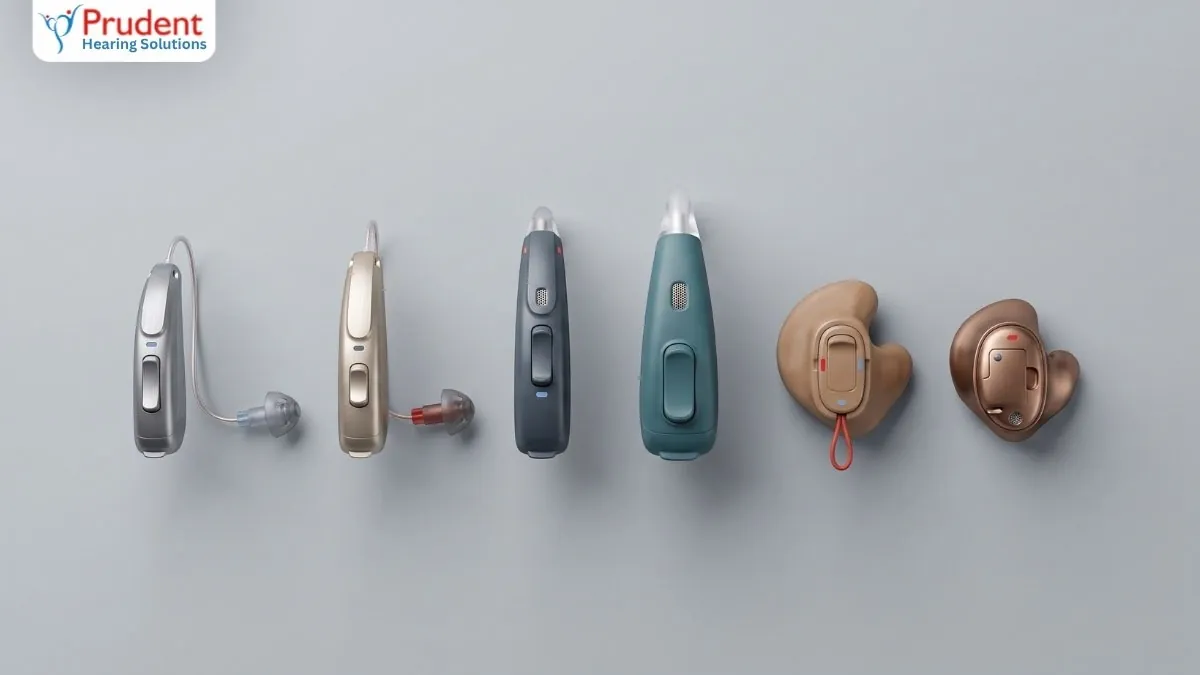
Signia offers one of the broadest catalogues in the market, from behind-the-ear models for stronger losses to some of the most discreet designs around. The slim Styletto looks more like a modern earbud case than a medical device, and the tiny Silk instant-fit CIC sits deep and nearly invisible.
If discretion or a wide choice of fittings matters to you, this breadth is a genuine plus. Explore the models on our Signia hearing aids page. Widex covers the essential styles well too, but its focus has always been the sound rather than the widest possible catalogue.
"We tell every patient the same thing: the brand on the box matters far less than the ears it is tuned to. Two people with the same audiogram can prefer opposite brands, and both are right."
Who suits which?
As a starting point, not a prescription, here is how we often frame it in the clinic.
- Consider Widex if you are a musician or serious music listener, if a natural, acoustic sound matters most, or if tinnitus relief is a priority.
- Consider Signia if your own voice has bothered you before, if you want the widest choice of styles including very discreet ones, if you want an assertive edge for speech in noise, or if you are weighing value across a broad range.
- Either brand can serve most common hearing losses well, so let the trial and your audiologist's measurements guide the final call.
What about price?
Both brands sell across clear tiers, from entry models for simpler needs to premium platforms with the fullest feature set. We do not quote fixed figures, because the honest price depends on the exact model, technology level and your fitting. What we can say is that genuine hearing aids in India are GST-exempt, we offer up to 20-30% off MRP on many models, and 0% EMI is available, all confirmed in writing at your appointment.
The bottom line
Widex tends to win on pure naturalness, music and tinnitus. Signia tends to win on own-voice comfort, speech-in-noise assertiveness, discretion and sheer choice. But a hearing aid manages hearing loss, it does not cure it, and the model that suits you is decided at the hearing test by your audiologist, never from a page. The most useful step you can take is to book a free hearing test and, where possible, trial both. Your own ears will settle this comparison far better than any list of features.
Continue reading
Frequently asked questions
Which sounds more natural, Signia or Widex?
Widex is the brand most often called the most natural and acoustic, mainly because of its PureSound processing with ZeroDelay ultra-low-latency technology. Signia sounds very clear and comfortable too, especially for your own voice, but if raw naturalness is your priority, many people lean towards Widex. A trial is the only way to be sure for your ears.
Is Widex better than Signia for music?
Widex is a popular choice for musicians and keen music listeners because its ultra-low processing delay keeps timing and tone lifelike, which music exposes quickly. Signia is perfectly capable for music too, but if music is central to your life, Widex is worth trialling first.
Are Signia and Widex the same company now?
Yes. Both brands are part of WS Audiology. Despite sharing a parent company, they have kept separate product teams and distinct sound philosophies, so the two still feel genuinely different when you wear them.
Which brand is best for tinnitus?
Widex is well known for its Zen programme, which plays gentle fractal tones to help you relax. Signia also has solid tinnitus therapy features such as static and ocean-wave signals. Tinnitus care works best as part of a wider plan, so discuss it with your audiologist at the appointment.
Does Signia help with the boomy own-voice problem?
Yes. Signia's Own Voice Processing treats your own voice separately from other sounds, so it sounds more like you remember while everything else stays amplified. If your voice sounding boomy has put you off hearing aids before, Signia is worth trying.
How much do Signia and Widex hearing aids cost in India?
Both sell across entry, mid and premium tiers, so the price depends on the model and technology level. Genuine hearing aids are GST-exempt in India, we offer up to 20-30% off MRP on many models, and 0% EMI is available, all confirmed in writing at your appointment.
How do I decide between Signia and Widex?
Start from your priorities: Widex for naturalness, music and tinnitus, Signia for own-voice comfort, speech in noise, discretion and range. Then book a free hearing test and, if possible, trial both. The fitting and your own ears decide far better than any feature list.
Free consultation
Ready to hear the difference?
Book a free 45-minute hearing test at any Prudent Hearing clinic: no obligation, honest advice, expert audiologists.