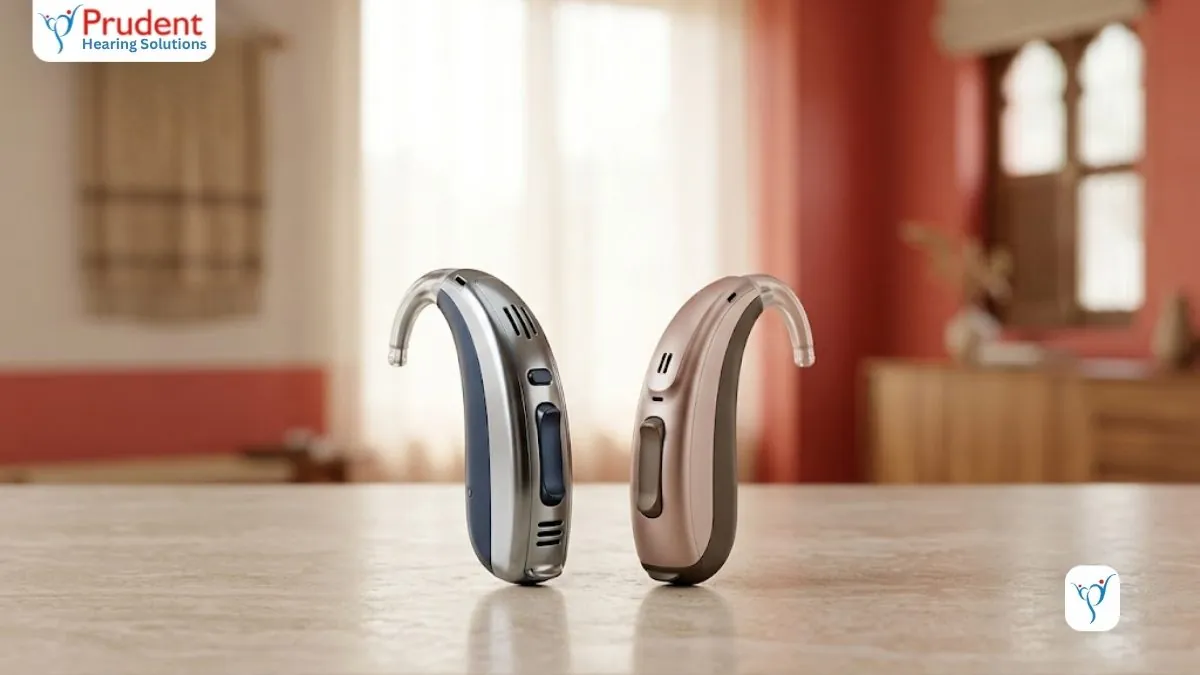
Signia stands out for own-voice tech, rechargeables and styling. See how it compares with Phonak, Oticon, Widex and ReSound, and if it is right for you.
Quick answer
Signia stands out for Own Voice Processing, a wide rechargeable range and distinctive styling like the Styletto and Silk. Compared with the others: Phonak leads on universal Bluetooth, Oticon on a natural open sound, ReSound on phone streaming, and Widex on the most natural tone. None is best for everyone: the right brand depends on your audiogram, your phone and what sounds best at a trial.
Key takeaways
- Signia's edge: Own Voice Processing, a broad rechargeable range, and slim or invisible styles.
- Phonak: universal Bluetooth; Oticon: natural open sound; ReSound: phone streaming; Widex: natural tone.
- At matched technology tiers, list prices across brands are broadly similar.
- The right brand depends on your audiogram, phone and personal preference.
- Trial two brands side by side before you decide.
Walk into any hearing clinic in India and you will hear the same handful of names again and again: Signia, Phonak, Oticon, Widex, ReSound, Starkey. They are all capable brands, and honestly, most people would hear well with any of them once the device is fitted properly.
So the real question is not which brand is best in some absolute sense, but which one suits your ears, your lifestyle and your budget. This guide looks at where Signia really stands out, how the big brands actually differ, and how to work out whether Signia is the right fit for you.
A quick note on the name first. Signia is often misspelt as Insignia, so if you have been searching for that, this is the brand you want. It is a German brand, part of WS Audiology, and it is the modern successor to Siemens hearing aids. The line runs Siemens to Sivantos to Signia (see our Signia hearing aids page), so a lot of the engineering heritage that older Indian buyers remember from Siemens now lives inside Signia devices.
What makes Signia hearing aids different from other brands?
Every major brand has one or two things it does particularly well, and Signia is no exception. Its signature strength is the way it handles your own voice.
The stand-out feature is Own Voice Processing, usually shortened to OVP. When you first wear hearing aids, your own voice can sound boomy, hollow or strangely loud, a bit like talking inside a bucket. This is one of the most common reasons people give up on hearing aids in the first few weeks.
Signia's OVP is trained to recognise your voice specifically and treat it separately from everything else, so you sound natural to yourself while other people's speech stays clear. For anyone who talks a lot at work, on the phone or in meetings, this alone can be the deciding factor.
Signia's newer platforms, called Augmented Focus and the Integrated Xperience system, are built around splitting speech and background noise into separate processing streams and then recombining them. In plain terms, the aim is to make the person in front of you stand out from the clatter of a restaurant, a wedding hall or a busy Indian street. Most premium brands now do some version of this, and Signia's approach is one of the reasons its top models perform well in noise.
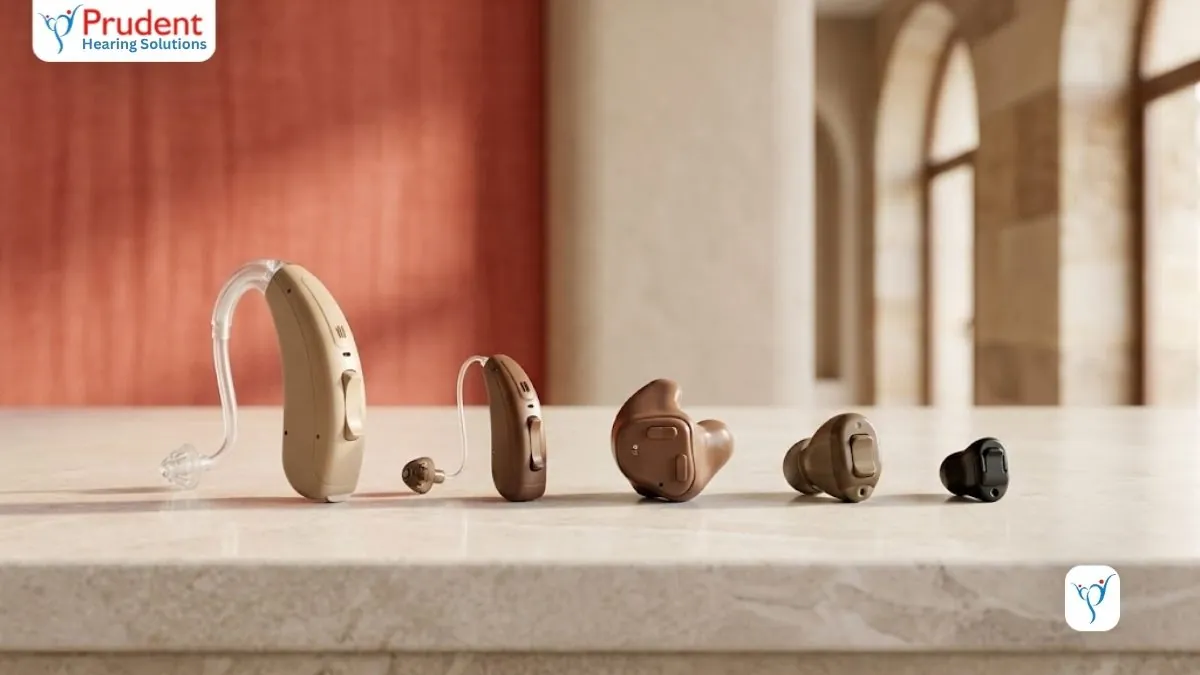
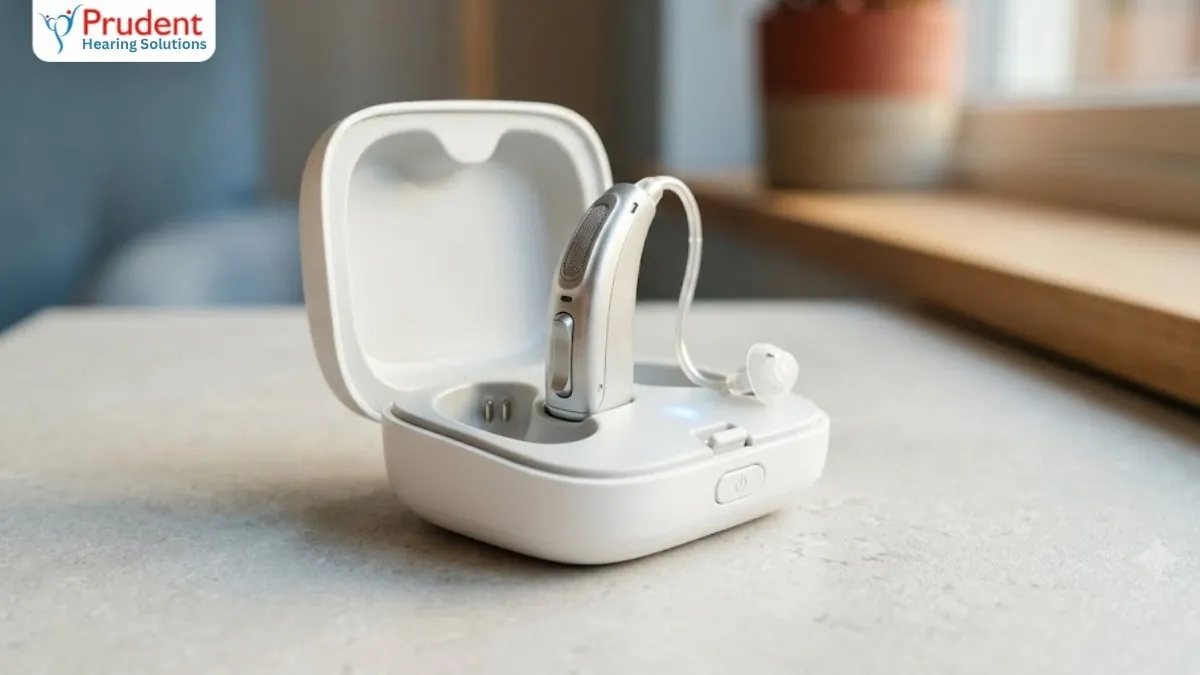
Two more things clearly set Signia apart. First, styling. The Styletto line looks like a slim, modern earbud with a matching pocket charging case, and the Active and Active Pro models are deliberately designed to look like wireless earphones rather than medical devices. For younger users, or anyone self-conscious about being seen wearing a hearing aid, that matters. Second, rechargeables are a core part of the range rather than an afterthought, so you get a full day of hearing from an overnight charge and never fiddle with tiny disposable batteries.
There is also the Signia Assistant, an on-board AI helper inside the phone app. If a situation sounds wrong, you can ask it for help and it suggests a small adjustment on the spot, which cuts down on some of the little trips back to the clinic.
- Own Voice Processing (OVP) for a natural-sounding own voice
- Augmented Focus and Integrated Xperience for speech in noise
- A strong rechargeable range with all-day battery from an overnight charge
- Stylish, earbud-like designs such as Styletto and Active
- The Signia Assistant, an in-app AI helper for quick tweaks
- Siemens engineering heritage behind the brand
What's the difference between hearing aid brands?
Here is the honest truth that a good audiologist will tell you: at the same price tier, the leading brands are more alike than different. They all use directional microphones, noise reduction, feedback control and Bluetooth, and they all sound good when fitted correctly. The differences show up at the margins, in each brand's house sound and in the one or two features it has chosen to lead with.
Signia leads on own-voice comfort, styling and a broad rechargeable range. Phonak, from the Sonova group, is known for powerful devices, sturdy build and universal Bluetooth that pairs directly with almost any phone, which makes it a common pick for stronger losses and for Android users.
Oticon builds its philosophy around giving the brain access to the full sound scene rather than narrowing hard onto one speaker. Widex has a long-standing reputation for a very natural, gentle sound that music lovers often prefer. ReSound has historically been strong on smooth smartphone connectivity and streaming. Starkey puts a lot into custom in-ear fittings and health features.
None of this makes any of them a bad choice. It simply means the best brand depends on what you personally need most. If you want to see how these names stack up side by side, our guide to the major hearing aid brands in India goes brand by brand, you can read up on Phonak specifically, or you can browse the top hearing aid brands overall to get the wider picture.
One more thing worth saying plainly. No hearing aid, from any brand, cures hearing loss. For the sensorineural loss that most adults have, hearing aids manage the loss and help you hear better, but they do not repair the ear itself. Any shop that promises a cure is overselling.
How do I know if Signia is right for me?
Signia tends to be an especially good fit if one or more of these describe you.
- Your own voice bothers you, or you talk a lot at work and on the phone, where OVP really shines
- You want a rechargeable device and dislike changing tiny batteries
- You care about how the device looks and want something discreet or earbud-like
- You use a recent iPhone and want smooth, direct streaming
A quick word on Android and connectivity
Most Signia models are Made-for-iPhone, so on a recent iPhone with an up-to-date iOS, direct streaming is smooth. Android is more variable. Direct streaming on Android uses a protocol called ASHA and generally needs Android 10 or newer, plus a supported phone and a supported Signia model.
It usually works, but not on every handset, so the single most useful thing you can do is carry your actual phone to the clinic and test streaming before you buy. The Signia app itself also needs a reasonably modern phone to install, and the newest platforms are starting to move towards Bluetooth LE Audio and Auracast.
Signia may not be your first choice in a couple of situations. If you have a profound loss that needs maximum power, or you specifically want one device that pairs universally with any Bluetooth phone without worrying about protocols, a brand like Phonak is worth trialling alongside. If a very particular natural or musical sound is your priority, Widex is worth hearing. The good news is that you do not have to guess your way through this.
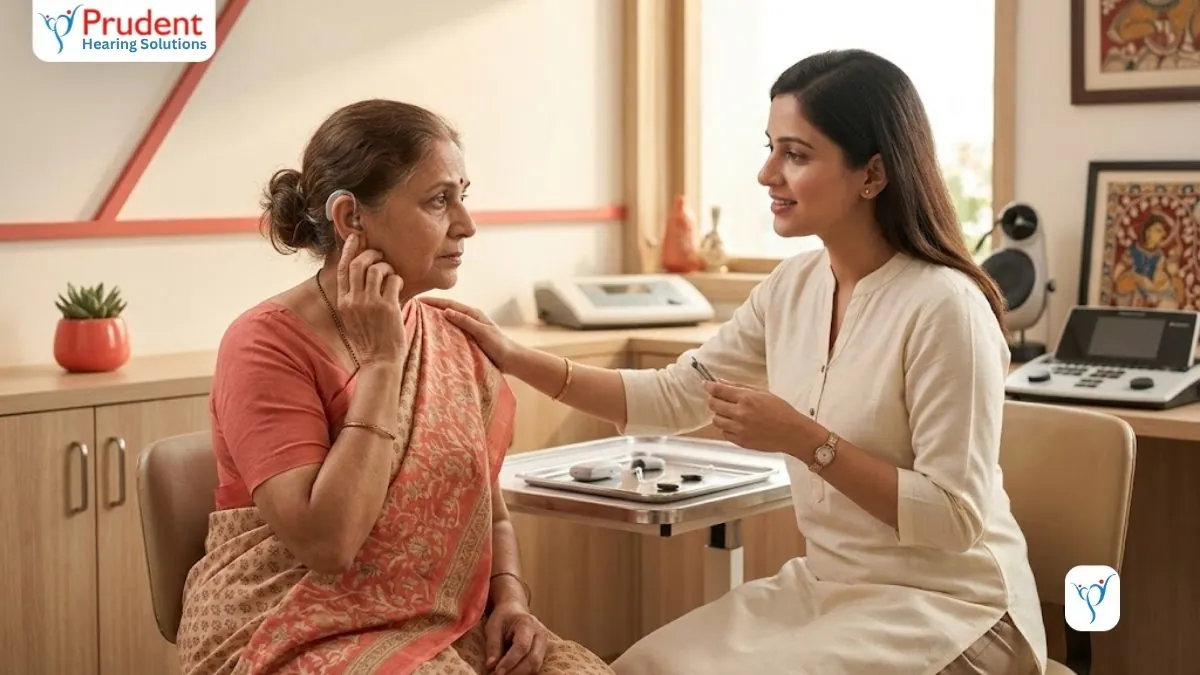
The only reliable way to know is a proper hearing test followed by an in-clinic trial. A reputable clinic will run a full test, program the aids to your specific audiogram, and let you try them in the clinic before you commit. Give any new device two to four weeks. The brain needs that long to acclimatise, and a follow-up fine-tuning visit or two is completely normal, not a sign that something is wrong.
Are expensive hearing aids really worth it?
This is the question everyone actually wants answered, so here is a straight take. In India, hearing aids roughly fall into three bands per device: entry level around eleven to thirty thousand rupees, mid-range around thirty-five to eighty thousand, and premium from about one lakh twenty thousand up to two and a half lakh or more. The final figure depends on your hearing test, so treat these as rough guides, not quotes.
What does the extra money actually buy? Mostly, better performance in difficult, noisy situations and more automation. Premium devices have more processing channels, sharper directional focus, faster automatic switching between environments, and features like Own Voice Processing and the newest speech-in-noise platforms. If you spend a lot of time in restaurants, functions, large family gatherings or meetings, that difference is real and you will notice it.
But, and this matters, if your life is mostly quieter, one-to-one conversations at home, watching television, the temple or a small shop, a good mid-range device may serve you just as well, and paying for the top tier can be money you do not need to spend. The most expensive aid is not automatically the right aid. The right aid is the one matched to your hearing loss and your daily life.
Two practical notes for India. Health insurance here rarely covers hearing aids, with only occasional exceptions such as some employer or CGHS schemes, so it is safest to plan for the cost yourself and ask honestly rather than assume it will be reimbursed. And because a good device is a real investment, many clinics offer interest-free EMI, which spreads the cost without inflating it.
Signia's model lines at a glance
If you do decide to trial Signia, these are the main families you are likely to be shown:
- Pure Charge&Go: rechargeable receiver-in-canal, the popular everyday all-rounder
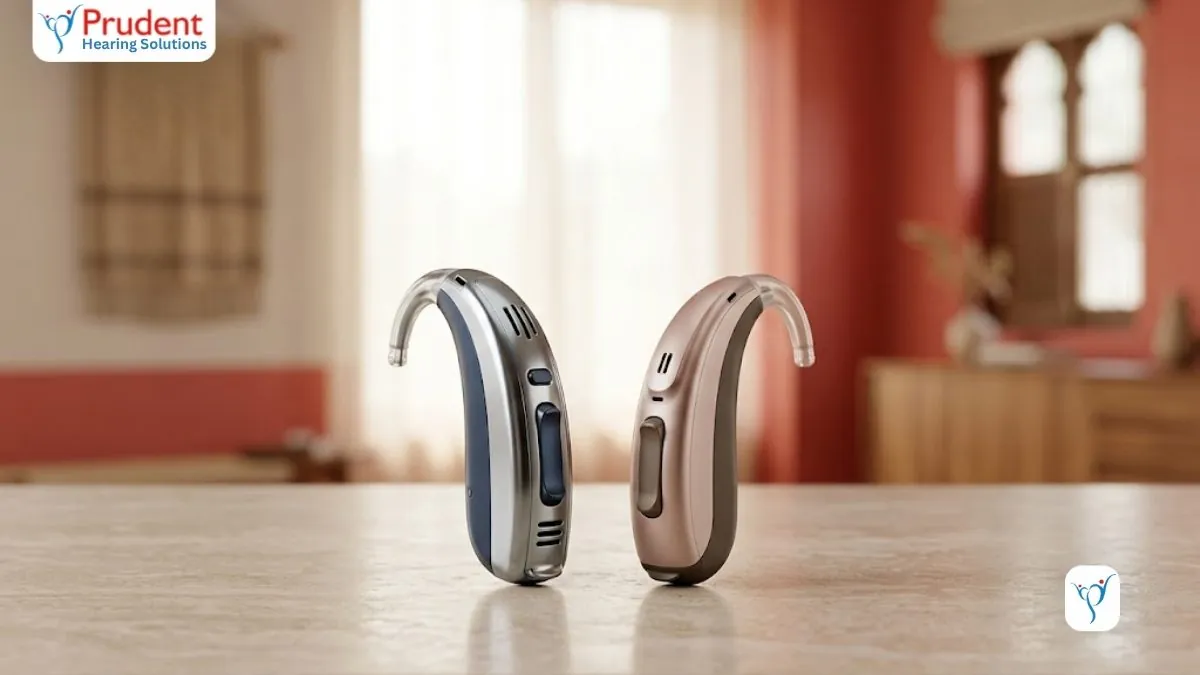
- Motion Charge&Go: a sturdier behind-the-ear build with more power for stronger losses
- Styletto: the slim, earbud-style design with a portable pocket charger
- Silk: a ready-to-wear, near-invisible in-canal device
- Active and Active Pro: models styled to look like wireless earphones
- Insio: custom in-the-ear aids moulded to your ear
Housings come in discreet shades like silver, beige, brown, grey and black, with brighter fashion colours on the Styletto and Active lines. Modern Signia devices typically carry an IP68 rating, meaning they resist dust and everyday sweat and moisture, though that does not mean you can swim or shower in them. For the full India lineup and current model details, see our dedicated guide to Signia hearing aids in India, and if you are weighing rechargeable versus battery models across brands, that comparison is worth a read too.
One last practical point. In India, Signia is sold and fitted through audiology clinics, not directly by the company, so the clinic you choose matters as much as the brand. You typically get a one to two year manufacturer warranty through Signia India or the dealer, plus ongoing service and fine-tuning from the clinic. The device itself usually lasts around four to six years, and the built-in rechargeable cell runs for several years before it needs servicing. Buy from somewhere that will still pick up the phone a year later.
Try before you decide
Brand comparisons on paper only take you so far. Your ears, your audiogram and your daily routine decide which device actually feels right, and the only way to know is to hear it for yourself. Prudent Hearing Solutions is an RCI-registered clinic, running since 2004, and we fit, trial and service Signia across our offices in Pune (Viman Nagar), Delhi (Rohini and Green Park) and Bengaluru (Jayanagar).
Book a free 45-minute hearing test, ask every question you have, and try Signia against the alternatives with no pressure. Compare prices across brands. We also offer 0% EMI to make a good device more affordable. Call us on +91 9429690093 or WhatsApp +91 8485096505 to fix a time.
Continue reading
Frequently asked questions
What makes Signia hearing aids different from other brands?
Signia's biggest differentiator is Own Voice Processing (OVP), which treats your own voice separately so it sounds natural to you while other people's speech stays clear, something new wearers really appreciate. It also stands out for stylish, earbud-like designs such as Styletto and Active, a strong rechargeable range, and the Siemens engineering heritage behind the brand. Its newer Augmented Focus and Integrated Xperience platforms handle speech in noise well, and the in-app Signia Assistant lets you make quick adjustments yourself. In short, Signia leads on own-voice comfort, styling and rechargeables.
What's the difference between hearing aid brands?
At the same price tier the leading brands are more alike than different, since they all use directional microphones, noise reduction and Bluetooth and sound good when fitted well.
The differences are at the margins, in each brand's house sound and the one or two features it leads with: Signia on own-voice and styling, Phonak on power and universal connectivity, Oticon on giving the brain the full sound scene, Widex on natural and musical sound, and ReSound on smartphone streaming. None of them is a bad choice. The best brand is simply the one that matches what you personally need most.
How do I know if Signia is right for me?
Signia suits you especially well if your own voice bothers you, if you talk a lot at work or on the phone, if you want a rechargeable and stylish device, or if you use a recent iPhone for smooth streaming.
On Android, direct streaming uses the ASHA protocol and usually needs Android 10 or newer plus a supported phone and model, so take your actual phone to the clinic and test it first. The only reliable way to be sure is a proper hearing test and an in-clinic trial before you commit. Give any device two to four weeks to settle in, as the brain needs time to adjust.
Are expensive hearing aids really worth it?
Expensive hearing aids mainly buy better performance in noisy, difficult situations and more automation, with more processing channels, sharper directional focus and features like OVP. If you are often in restaurants, functions or meetings, that difference is real and worth paying for.
But if your life is mostly quieter, one-to-one conversations at home, a good mid-range device may serve you just as well, so the most expensive aid is not automatically the right one. The right aid is matched to your hearing loss and daily life, and while Indian health insurance rarely covers hearing aids, many clinics offer 0% EMI to spread the cost.
Do Signia hearing aids work with Android phones?
Usually, but not on every handset. Direct Android streaming uses the ASHA protocol and generally needs Android 10 or newer plus a supported phone and Signia model. Most Signia models are Made-for-iPhone and stream smoothly on recent iPhones. Bring your actual phone to the trial to check.
Sources & further reading
We cross-checked this article against the following authoritative sources. Guidance and figures reflect the most recent public guidance available at the time of last review (July 2026). Clinical review by the Prudent Hearing clinical team.
- Hearing Aids (National Institute on Deafness and Other Communication Disorders (NIDCD, NIH))
- Registered audiologists in India (Rehabilitation Council of India (RCI))
Free consultation
Ready to hear the difference?
Book a free 45-minute hearing test at any Prudent Hearing clinic: no obligation, honest advice, expert audiologists.