A practical buying guide to hearing aids for severe (71-90 dB) and profound (91 dB and above) hearing loss in India. Learn why power, super-power and ultra-power Behind-the-Ear models are usually needed, which features matter, the real power families across brands, and when CROS/BiCROS or a cochlear implant comes in.
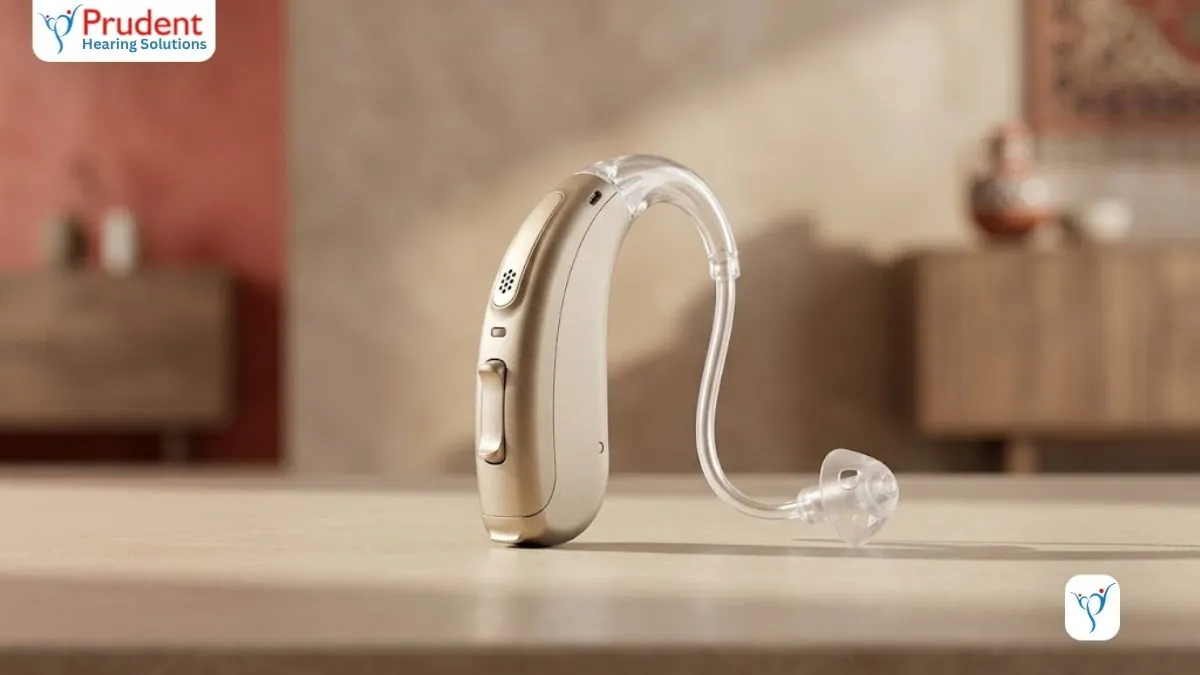
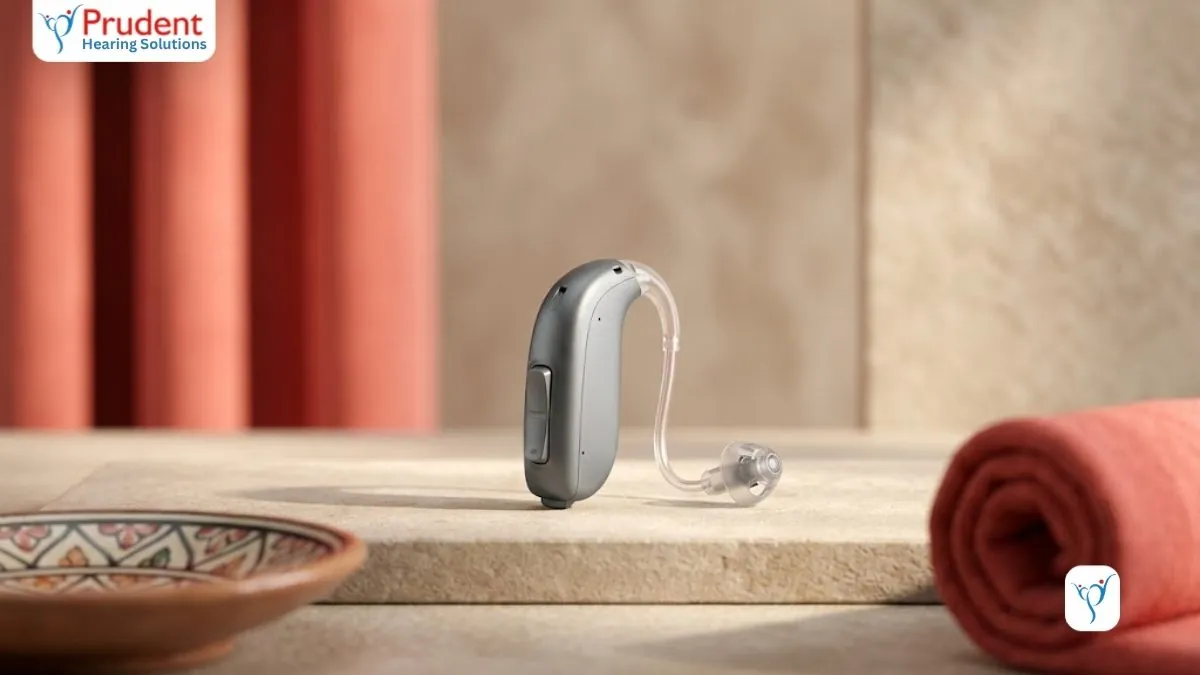
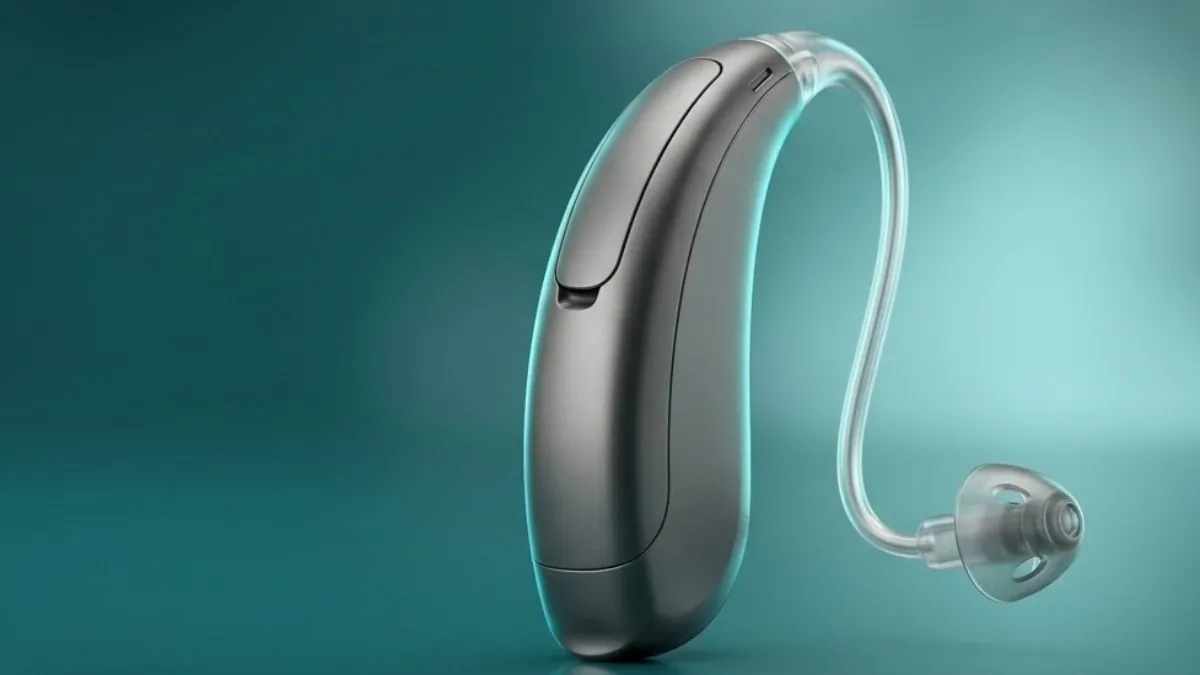
If your audiogram shows severe (71-90 dB) or profound (91 dB and above) hearing loss, the short answer is this: you almost always need a power, super-power or ultra-power Behind-the-Ear (BTE) aid, not a tiny in-canal device.
These larger models deliver far more clean amplification, control whistling (feedback) much better, and pair with a custom ear mould that seals the sound in. The exact model is chosen at your hearing test by the audiologist, from your audiogram and speech scores. This guide explains what those levels mean and how to choose sensibly.
What severe and profound hearing loss actually means
Hearing loss is graded by the softest sound you can detect, measured in decibels (dB) on a pure-tone audiogram. Severe loss (roughly 71-90 dB) means ordinary conversation is inaudible without aids; you may catch only loud speech very close by. Profound loss (91 dB and above) means even shouting near the ear is often not enough, and many people rely heavily on lip-reading. If you are unsure how to read your own report, our guide to understanding your audiogram walks through it line by line.
Two numbers matter as much as the dB level: your speech discrimination score (how clearly you understand words, not just detect them) and the shape of the loss across frequencies. Two people at 85 dB can need very different fittings, which is exactly why a page cannot prescribe a device and a proper hearing test can.
Why a power BTE, not a small in-canal aid
Severe and profound losses need a lot of amplification, and small in-the-ear or in-canal aids simply cannot produce it cleanly. Here is the honest engineering reason.
- More clean gain. Power BTEs use larger, stronger receivers (speakers) that push high volume with less distortion. A tiny CIC runs out of headroom and starts to distort exactly when you need it most.
- Better feedback control. The more you amplify, the more a device wants to whistle. Power BTEs pair with a sealed custom ear mould and stronger feedback-cancellation processing, so the audiologist can give you the gain you need without squeal.
- Battery and durability. A larger shell holds a bigger rechargeable cell or a size 13/675 battery, so it lasts a full day at high output and stands up to daily handling.
- Room for features. Telecoil, direct streaming and a strong microphone system all fit comfortably in a BTE housing.
For the wider picture on this form factor, see our BTE hearing aids guide for India. For most severe-to-profound users the choice sits between a power, super-power and ultra-power BTE, and the audiologist matches the output to your loss with headroom to spare.
Features that genuinely matter at this level
- A true power receiver rated for your dB level, with enough reserve above your loss so speech stays clear and undistorted.
- Strong feedback cancellation, so full gain works with a well-fitted mould and no whistling.
- Telecoil, still one of the best tools for severe loss: it pulls clean audio from phones and from loop systems in temples, auditoriums and public counters, cutting out room noise.
- Rechargeable option, convenient and reliable, though some ultra-power users still prefer size 13/675 disposable cells for very long runtime. Both are valid.
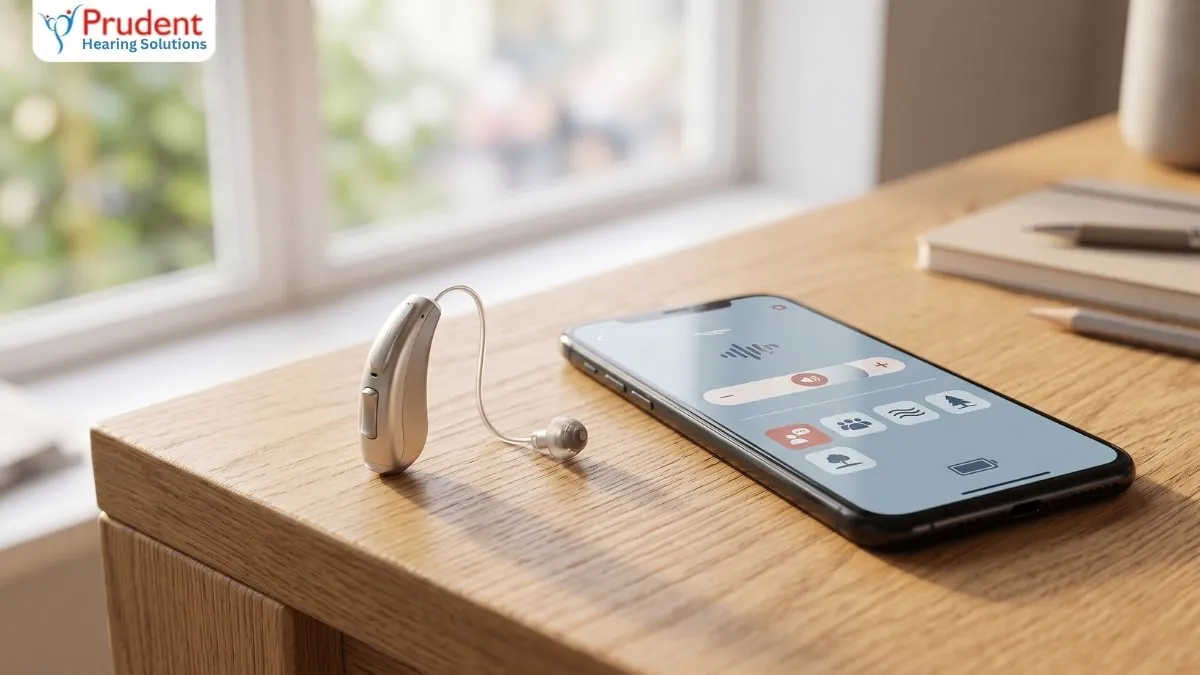
- Connectivity to stream calls and media to compatible aids, plus a phone app to change programs and volume yourself.
- A custom ear mould, not a soft dome. At severe-profound levels the seal is essential for both power and comfort.
Real power families across brands
These are established power-BTE families your audiologist may fit in India. All are current platforms; the specific model depends on your audiogram.
- Phonak Naida (Paradise and Lumity platforms), a long-standing super-power line with SoundRecover2 frequency lowering and Roger microphone compatibility for classrooms and meetings. See our Phonak page.
- Signia Motion Charge&Go, Signia's rechargeable power BTE family, with Own Voice Processing and noise reduction.
- Oticon Xceed, a super-power/ultra-power BTE built for the toughest losses, using Oticon's BrainHearing and OpenSound approach.
- ReSound Enzo, a super-power BTE line with strong direct streaming and a mature phone-app ecosystem.
- Widex Moment power BTE, known for a natural, low-distortion sound signature that many long-term users prefer.
"A power hearing aid manages hearing loss, it does not cure it. Fitted well, it can transform daily conversation. Fitted from a spec sheet instead of an audiogram, even the best device disappoints."
Single-sided cases: CROS and BiCROS
If one ear has severe-to-profound loss that a hearing aid cannot usefully help while the other ear hears reasonably, even a power aid on the poor side may do little. A CROS system wirelessly sends sound from the unaidable side to the good ear; a BiCROS does the same while also amplifying a good-but-imperfect better ear. It is a genuinely different solution, explained in our guide to single-sided deafness and CROS/BiCROS in India.
When aids are not enough: cochlear implants
For some profound losses, especially where speech discrimination is very poor, hearing aids at maximum power still cannot deliver understandable speech. A cochlear implant bypasses the damaged inner ear and stimulates the hearing nerve directly. It is a surgical route with its own assessment, and it is the option beyond aids, not a competitor to them. We compare the two paths honestly in hearing aid vs cochlear implant. A supervised trial of power aids usually comes first, and the results guide the next step.
Fitting and realistic expectations
At severe-profound levels the fitting matters as much as the device. Expect a custom ear-mould impression, careful programming to your audiogram, real-ear verification where possible, and a follow-up to fine-tune. Your brain also needs time to relearn sound it has not heard in years, so give it a few weeks. Aim for clear, comfortable understanding in real conversation, not perfect hearing. Managed well, most people move from struggling to genuinely connected.
What it costs in India
Power and super-power BTEs run across technology tiers, from dependable essential models to premium platforms with the best noise handling and streaming. Rather than quote a misleading single figure, we band devices by tier at your appointment.
Hearing aids are GST-exempt in India, we pass on genuine discounts of up to 20-30% off MRP, and 0% EMI is available, all confirmed at your visit. Browse indicative tiers on our pricing page. Two ears usually work better than one for balance and understanding in noise; the audiologist will advise what your loss actually needs.
Prudent Hearing Solutions has been fitting power hearing aids across our RCI-registered clinics in Pune, Delhi and Bengaluru since 2004. Book a free hearing test, bring any recent audiogram, and we will show you which power family suits your ears and your budget.
Continue reading
Frequently asked questions
What is the best hearing aid for severe hearing loss in India?
There is no single best model. For severe (71-90 dB) loss, a power or super-power Behind-the-Ear aid with a custom ear mould is usually the right category. Established families include Phonak Naida, Signia Motion, Oticon Xceed, ReSound Enzo and Widex power BTEs. The specific device is chosen at your hearing test from your audiogram and speech scores.
Can profound hearing loss be helped with hearing aids?
Often yes, with super-power or ultra-power BTEs, provided your speech discrimination is reasonable. When aids at maximum power still cannot deliver understandable speech, a cochlear implant may be assessed. A supervised trial of power aids usually comes first and guides the decision.
Why can't I use a small invisible hearing aid for severe loss?
Tiny in-canal aids cannot produce high volume cleanly and are far more prone to whistling at high gain. Severe-to-profound loss needs a stronger receiver, a sealed custom mould and better feedback control, which power BTEs provide.
Do I need a telecoil?
For severe and profound loss a telecoil is very useful. It pulls clean audio from phones and from loop systems in temples, auditoriums and counters, cutting background noise. Most power BTEs include it, and your audiologist can activate it.
Are rechargeable hearing aids strong enough for profound loss?
Yes, many power and super-power BTEs are rechargeable and last a full day. Some ultra-power users still prefer size 13 or 675 disposable batteries for maximum runtime. Both options are valid and depend on your daily needs.
What is CROS or BiCROS and do I need it?
CROS and BiCROS are for single-sided cases, where one ear has loss too severe to aid usefully. The system sends sound from the poor side to the better ear. It is a different solution from a standard power aid and is fitted only after assessment.
How much do power hearing aids cost in India?
They span several technology tiers, so cost varies. Hearing aids are GST-exempt in India, we offer up to 20-30% off MRP and 0% EMI, all confirmed at your appointment. We band devices by tier rather than quote a single misleading price.
Will a hearing aid cure my hearing loss?
No. A hearing aid manages hearing loss, it does not cure it. Fitted correctly to your audiogram it can dramatically improve everyday conversation, but the goal is clear, comfortable understanding rather than perfect hearing.
Free consultation
Ready to hear the difference?
Book a free 45-minute hearing test at any Prudent Hearing clinic: no obligation, honest advice, expert audiologists.