BrainHearing is Oticon's design approach: give the brain a full, clear picture of the surrounding sound instead of cutting noise aggressively, so it can decide what to focus on. Here is what that means, and whether it matters when you choose a hearing aid.
The direct answer
BrainHearing is Oticon's philosophy that hearing happens in the brain, not just the ear. Instead of narrowing sound to a single voice, an Oticon aid tries to give the brain a clear, balanced view of the whole sound scene so that it can choose what to listen to. Oticon says this reduces listening effort. It is a design approach, not a single feature, and how much it helps depends on your loss and how the aid is fitted.
Why the brain matters in hearing
The ear collects sound, but the brain makes sense of it, separating a voice from background noise and deciding what is important. In hearing loss, that process is under strain because incoming signals are weaker or incomplete. A hearing aid that only makes everything louder can leave the brain to do the hard work, which is tiring.
What BrainHearing aims to do differently
- Keep the whole sound scene: many aids suppress noise heavily so speech stands out. Oticon's approach aims to keep a fuller picture, while still lowering noise, so the brain can shift attention naturally.
- Balance speech and surroundings: the aim is a clear voice without an artificial, isolated sound.
- Reduce effort: by supporting how the brain already works, the aim is to leave you less tired at the end of a busy day.
The technology behind it in current Oticon models
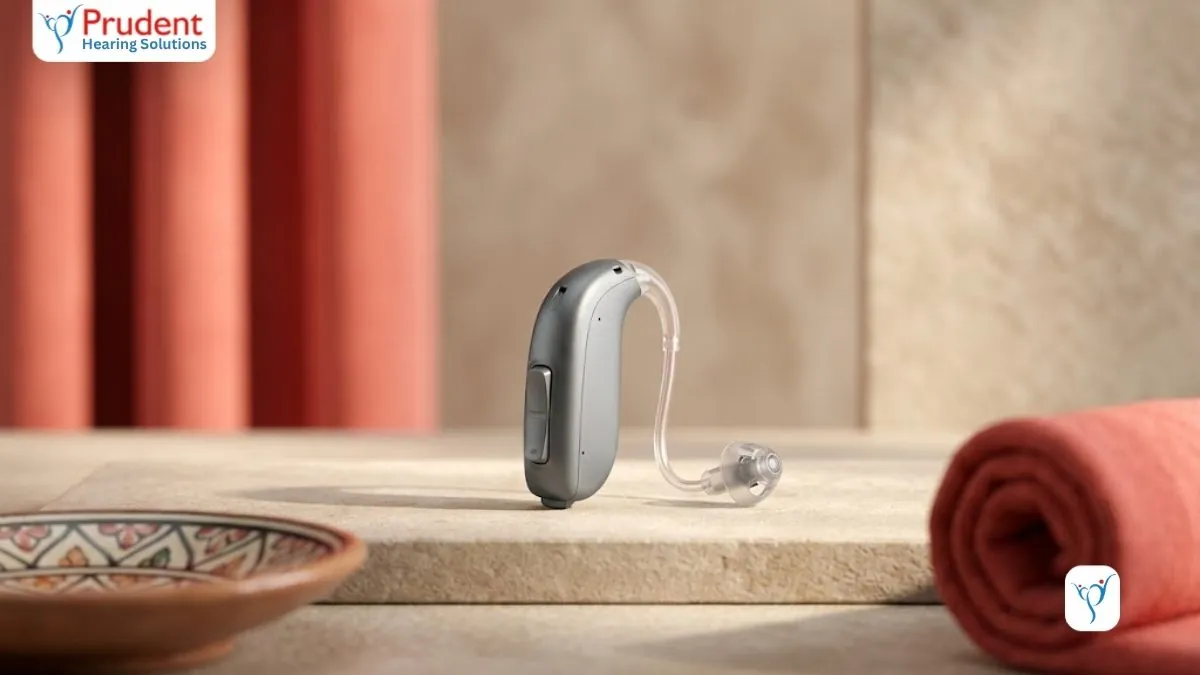
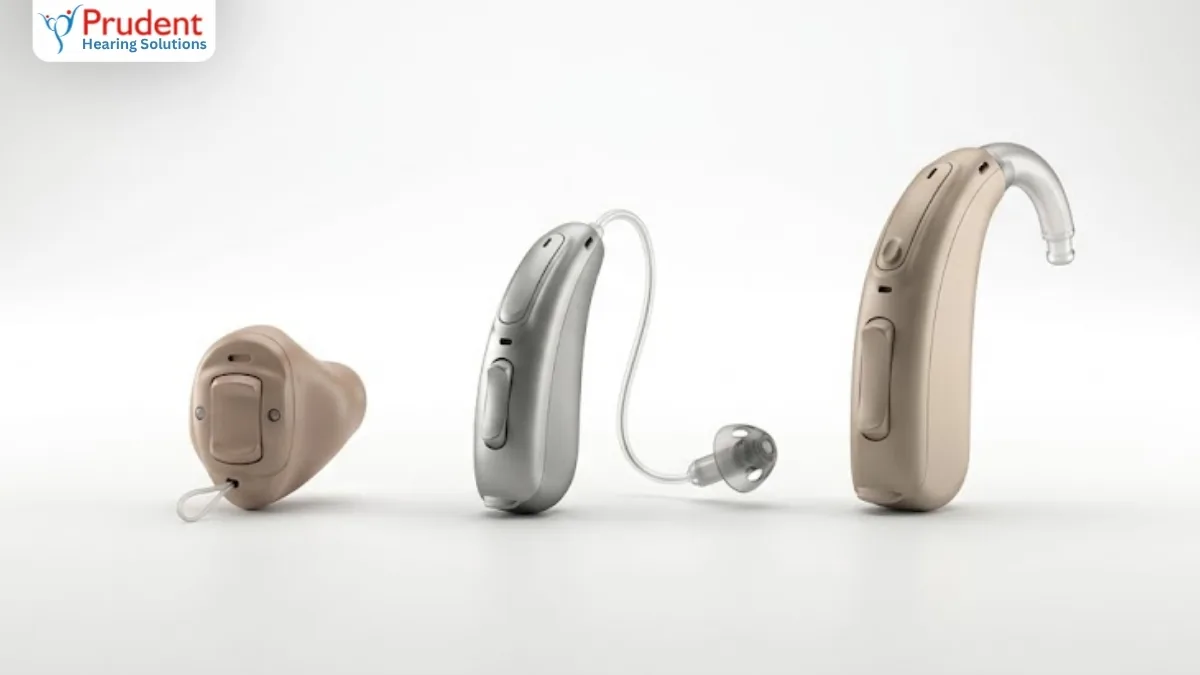
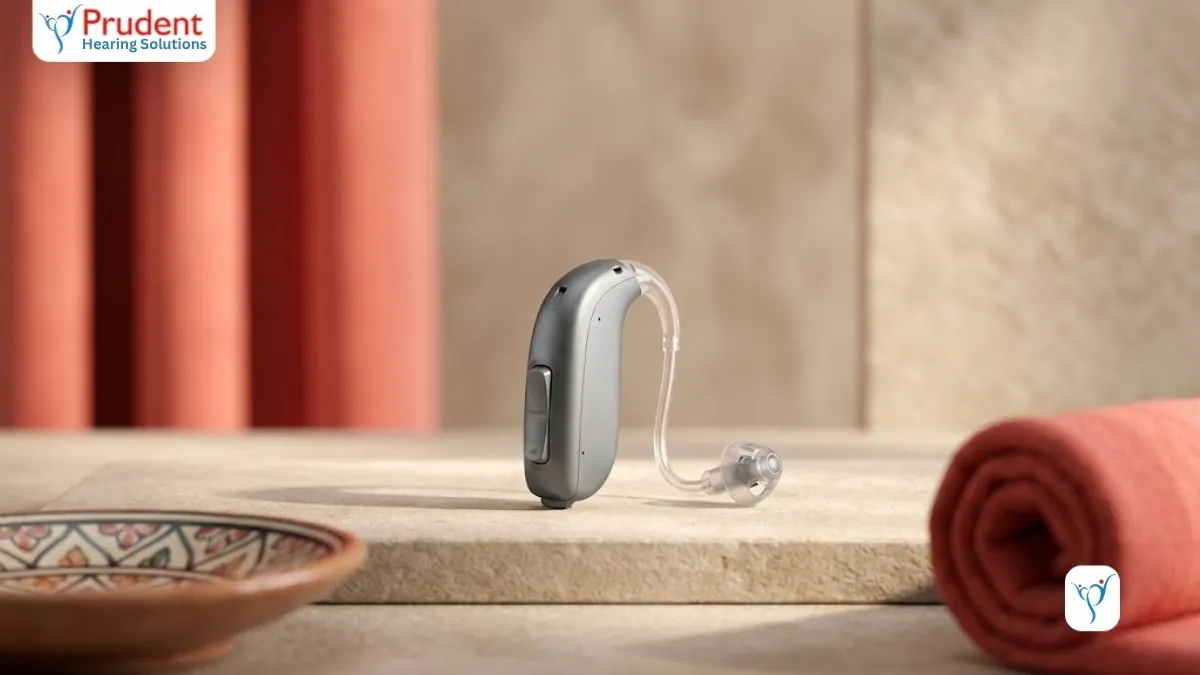
Recent Oticon platforms use an on-board deep neural network, an artificial intelligence trained on large libraries of real-world sound, to sort the sound scene in real time. Newer models such as Oticon Intent also include sensors that respond to your head and body movement to judge whether you are in conversation or moving about, and adjust accordingly. The range includes styles such as Oticon Real, Zeal and Own, and the exact features vary by model and generation.
These are Oticon's own claims about its design. Clinical benefit varies from person to person, which is why we recommend a supervised trial.
Is BrainHearing right for you?
- Good fit: people who spend time in conversation with background noise, who tire easily after a long day of listening, or who prefer a natural, open sound.
- Ask your audiologist: if your loss is severe or highly asymmetric, or you have specific needs such as tinnitus support or telecoil, another model may suit better.
- Compare properly: every major brand has its own approach. The best aid is the one that performs best for you in a fitting, not the one with the best slogan.
How it compares with other brands
Phonak, Signia, Widex and ReSound each pursue their own approach to noise and speech. Read our Phonak vs Oticon comparison and our Oticon hearing aids guide for a side-by-side view, or browse the Oticon brand page.
Book a free hearing test and we will let you try Oticon and its alternatives in the clinic, so you can judge the difference with your own ears.
Frequently asked questions
What is Oticon BrainHearing?
BrainHearing is Oticon's design approach, built on the idea that hearing happens in the brain as well as the ear. Instead of narrowing sound to one voice, an Oticon aid tries to give the brain a clear, balanced view of the whole sound scene so it can choose what to listen to.
Is BrainHearing a feature I can switch on?
No. It is a design philosophy that shapes how Oticon aids process sound, not a single feature or setting. How much it helps depends on your hearing loss, your listening situations and the fitting.
What technology do current Oticon aids use?
Recent Oticon platforms use an on-board deep neural network trained on large libraries of real-world sound to sort the sound scene as it happens. Newer models such as Oticon Intent also have sensors that respond to head and body movement to judge whether you are in conversation.
Who is Oticon's BrainHearing approach a good fit for?
People who spend time in conversation with background noise and tire easily after social events. If your loss is severe or very different between the ears, ask your audiologist whether another approach suits you better.
Is Oticon better than other brands because of BrainHearing?
Not automatically. Phonak, Signia, Widex and ReSound each have their own approach to noise and speech. The best aid is the one that works for your ears in a trial, so compare brands side by side before deciding.
Free consultation
Ready to hear the difference?
Book a free 45-minute hearing test at any Prudent Hearing clinic: no obligation, honest advice, expert audiologists.