New AI hearing aids launch every year, so it is tempting to wait for the next one. Here is an audiologist's honest answer on when waiting makes sense, when it costs you more than it saves, and what to buy today that will not feel dated.
Short answer: if you have hearing loss now, do not wait. The cost of living with untreated hearing loss for another six or twelve months — missed conversations, social withdrawal, and the brain slowly losing practice at understanding speech — almost always outweighs the small benefit of a newer chip.
Today's current-generation aids are excellent, and you can trial one this week. Waiting only makes sense in a few specific situations, which we will name honestly below. This is advice from an audiology clinic that sells hearing aids, so weigh it accordingly — but the clinical evidence on untreated hearing loss is not in doubt.
The real cost of waiting
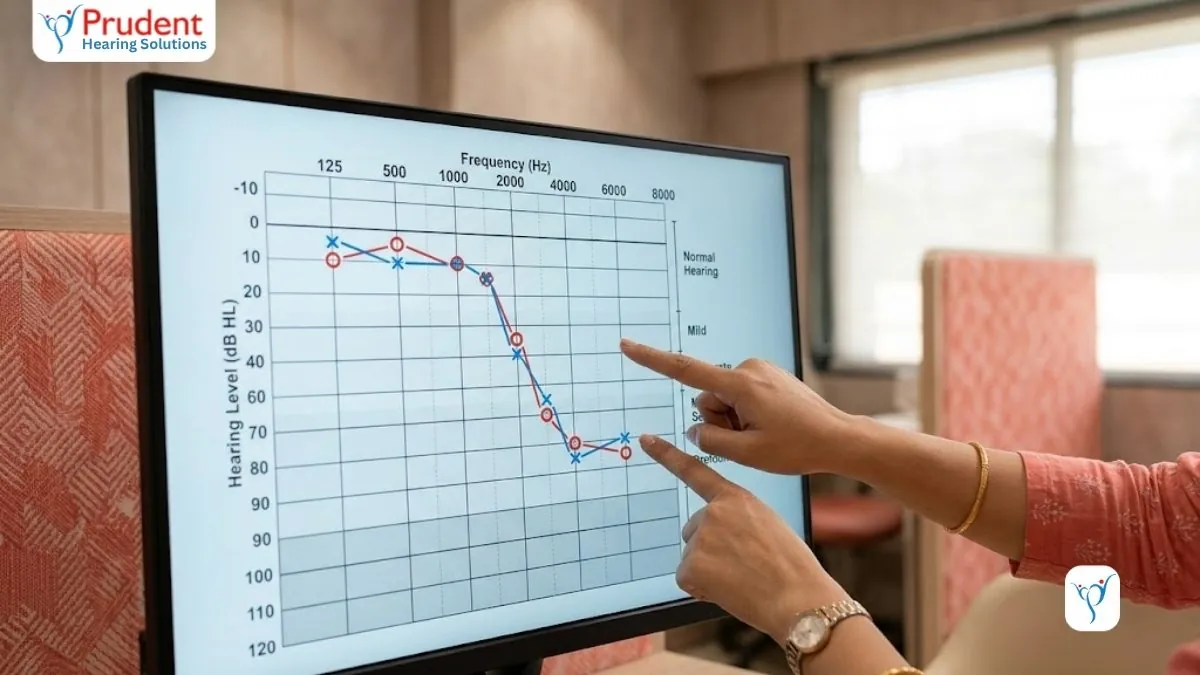
A new hearing aid is a device. Your hearing is not. When hearing loss goes untreated, the effects are not just 'I miss a few words' — they compound. Conversations become tiring, so you join fewer of them; social circles shrink; and because the hearing nerve and brain get less practice at decoding speech, understanding can get harder even after you eventually do get aids. This last point, sometimes called auditory deprivation, is the one most people have never heard of and the one that matters most.
There is also a well-documented link between untreated hearing loss and faster cognitive decline and isolation in later life. None of this is a reason to panic-buy — it is a reason not to let 'I'll wait for the next model' quietly turn into two or three lost years.
How much actually changes from one year to the next?
Less than the marketing suggests. The single biggest improvement in your hearing is the jump from no aid to a well-fitted aid — that is a transformation. The gap between last year's premium platform and this year's is incremental: a bit better noise processing, a new connectivity standard, a slimmer shell.
Real and nice to have, but not life-changing in the way the first good fitting is. If you wait a year for a 10% better chip while losing 100% of the benefit for that year, the maths does not work.
When waiting genuinely does make sense
To be fair, there are real cases where holding off is sensible:
- A specific model you want is weeks — not months — from reaching India, and your loss is mild enough that a short wait changes little.
- You are mid-way through a trial and want to compare one more newly launched model before deciding; a good clinic will let you.
- A festival or budget reason means a planned offer is imminent and the delay is short.
- You genuinely need a feature that only a new platform offers and that you will actually use — which, for Auracast in India, is not yet the case.
When you should not wait (most people)
For the majority, waiting costs more than it saves. Do not wait if:
- You already notice you are missing conversations, turning the TV up, or asking people to repeat themselves.
- Family have mentioned your hearing, or you avoid phone calls and gatherings.
- You are waiting mainly for a newer chip rather than a specific, usable feature.
- You have been 'about to sort it out' for months — that is the pattern that turns into years.
Do not wait for Auracast in India
Auracast is the headline feature of the 2026 aids, and it is genuinely clever — your aids tuning into a public audio stream like joining Wi-Fi. But it only works where a venue has installed a transmitter, and in India that infrastructure is barely beginning. Buying a 2026 aid partly for Auracast is reasonable future-proofing; waiting to buy because of Auracast is not, because you would be delaying real help for a feature you cannot use here yet.
What to buy today that will not feel dated
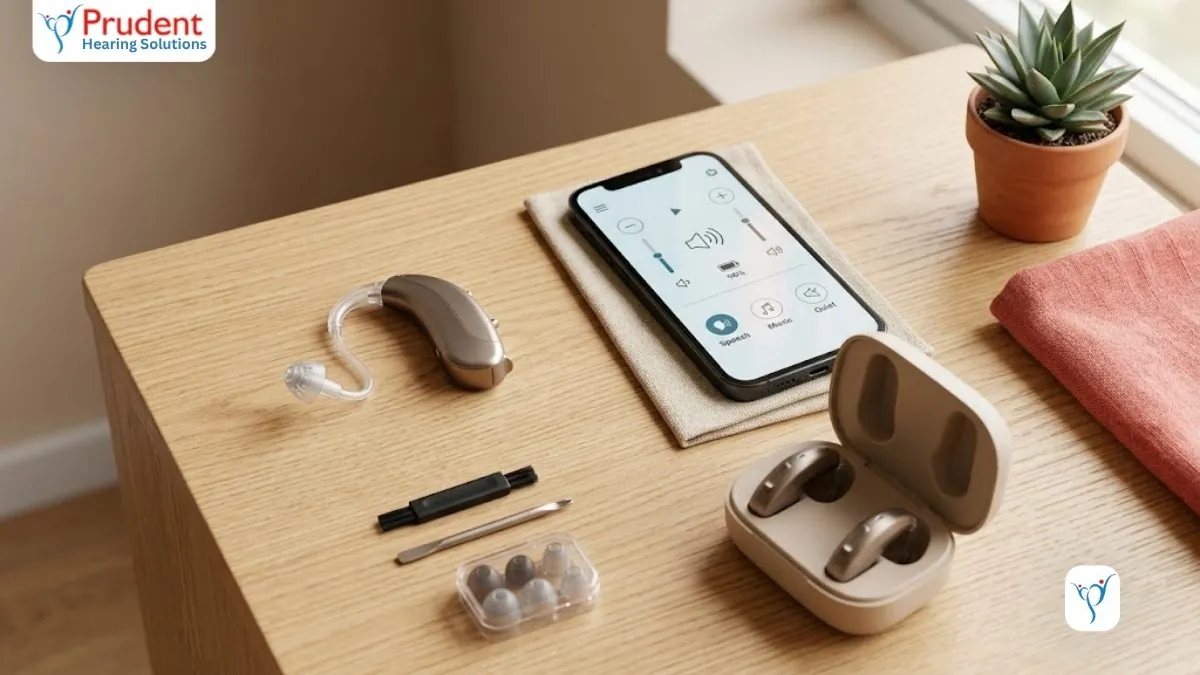
You do not need the absolute newest flagship to get an aid you will be happy with for years. A current-generation mid-premium aid — properly fitted to your audiogram and trialled in your own routine — covers most people superbly, and costs noticeably less than the just-launched top tier. If you are often in hard noise, step up to a current premium with a dedicated noise chip. See how the newest platforms compare in our guide to the newest hearing aids of 2026, and browse current models and prices.
The honest Prudent take
We fit every major brand, so we have no reason to push you toward one launch or away from another. Our advice is simple: get a free hearing test, trial a current aid that suits your hearing and budget, and if a new model you want is genuinely close and right for you, we will tell you to wait for it.
What we will not do is let you lose another year of hearing to a chip that is only slightly newer. Prudent Hearing Solutions has clinics in Pune, Mumbai, Navi Mumbai, Delhi and Bengaluru, plus home visits — book a free hearing test or contact us to talk it through.
Continue reading
Frequently asked questions
Should I wait for a newer hearing aid model?
If you already have hearing loss, usually no. The cost of another year of untreated hearing loss — missed conversations, social withdrawal and the brain losing practice at understanding speech — outweighs the small benefit of a newer chip. Waiting makes sense only if a specific model you want is weeks (not months) away and your loss is mild.
How much better are new hearing aids each year?
Incrementally better, not transformatively. The big leap is from no aid to a well-fitted aid. Year-to-year, you get somewhat better noise processing, a new connectivity standard or a slimmer shell — real improvements, but far smaller than the first good fitting. Waiting a year for a modest upgrade while losing a year of benefit rarely pays off.
Will I regret buying before the next launch?
Unlikely, if you buy a current-generation aid fitted to your hearing. There is always a next model; waiting for it is an endless loop. A well-chosen mid-premium aid stays excellent for years. If a launch you specifically want is genuinely close and right for you, a good audiologist will tell you to wait — but that is the exception.
Is it worth waiting for Auracast hearing aids in India?
No. Auracast only works where a venue has installed a transmitter, and in India that infrastructure is barely beginning. Buying a 2026 aid that happens to support Auracast is reasonable future-proofing, but delaying real help because of Auracast means waiting for something you cannot use here yet.
What hearing aid should I buy now?
For most people, a current-generation mid-premium aid fitted to your audiogram and trialled in your own routine — it covers everyday life superbly and costs less than the just-launched top tier. If you are often in hard noise, step up to a current premium with a dedicated noise chip. A free hearing test decides the right level for you.
Does untreated hearing loss get worse while I wait?
The hearing loss itself usually progresses slowly, but your ability to understand speech can decline faster when the hearing nerve and brain get less practice, an effect called auditory deprivation. Untreated hearing loss is also linked to faster cognitive decline and isolation. That is why putting off treatment for a newer model can quietly cost you.
Free consultation
Ready to hear the difference?
Book a free 45-minute hearing test at any Prudent Hearing clinic: no obligation, honest advice, expert audiologists.