What 'AI' really means in a modern hearing aid, and the real benefits, from clearer speech in noise to automatic adaptation, plus an honest note on what AI cannot do.
AI-powered hearing aids use on-device artificial intelligence to separate speech from background noise, adjust themselves automatically as your surroundings change, and learn the settings you prefer over time. The result, for most wearers, is clearer conversation in difficult places like restaurants and less listening effort by the end of the day. This guide explains what the AI actually does, the real benefits, and, just as importantly, what it cannot do.
First, what 'AI' means in a hearing aid
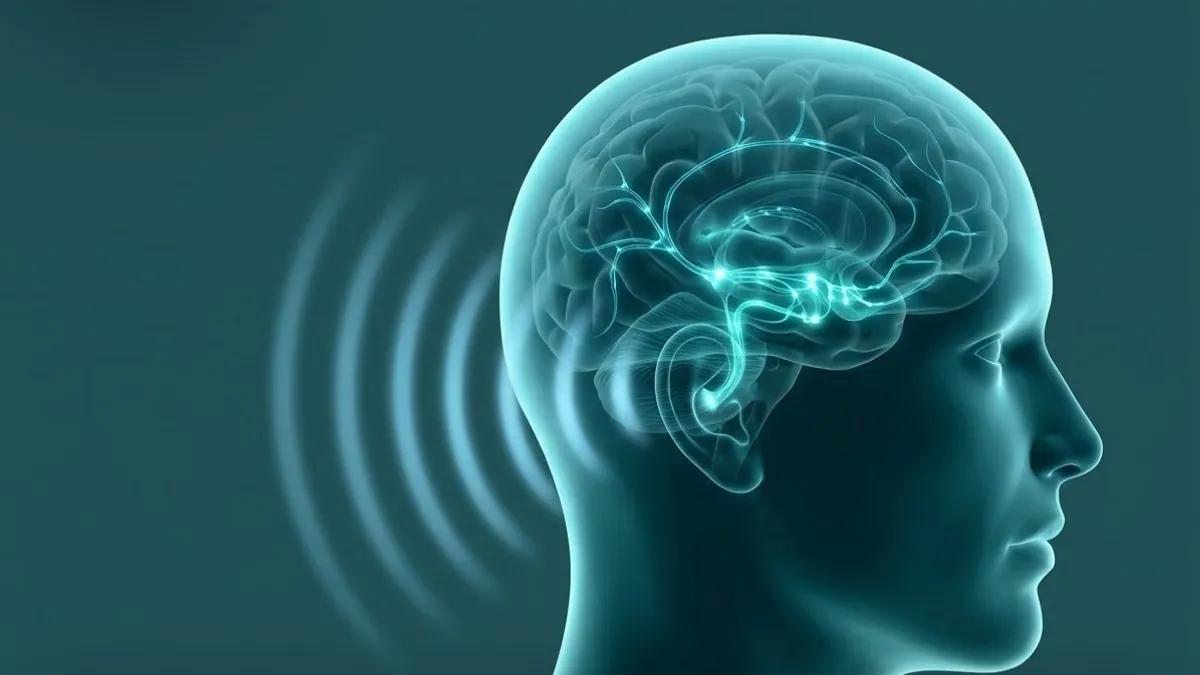
It is not a chatbot in your ear. In a hearing aid, AI usually means a deep neural network (DNN), a system trained on millions of real-world sound scenes so it can recognise the difference between a human voice and background noise far more precisely than older rule-based processing. That recognition happens on the tiny chip in the device itself, in real time, without sending your conversations anywhere. Understanding this helps you see why it genuinely helps, rather than treating it as marketing.
The real benefits
Clearer speech in noise
This is the single biggest benefit, and the hardest problem in hearing care. A noisy restaurant is where most people struggle most. A DNN can pick out the voice you are trying to follow and turn down the clatter around it more naturally than older systems, so conversation stays intelligible where it used to become exhausting or impossible.
Automatic adaptation to your surroundings
AI-driven hearing aids continuously classify your environment, a quiet room, a car, a windy street, a crowded hall, and adjust their settings on the fly. You are not reaching for a button every time you move between places; the device does the work, which is why so many wearers describe modern aids as simply less fiddly.
Personalisation that learns you
Many AI systems learn from the manual adjustments you make. If you always nudge the volume up in certain situations, the aid gradually adapts to your preference, so it feels more like your device over time rather than a factory default.
More natural own-voice and comfort
Some brands, Signia's Own Voice Processing is a well-known example, use intelligent processing to keep your own voice sounding natural instead of boomy or echoey. That one issue is a common reason first-time wearers give up, so solving it improves the odds you will actually keep wearing the aids.
Health and connectivity features
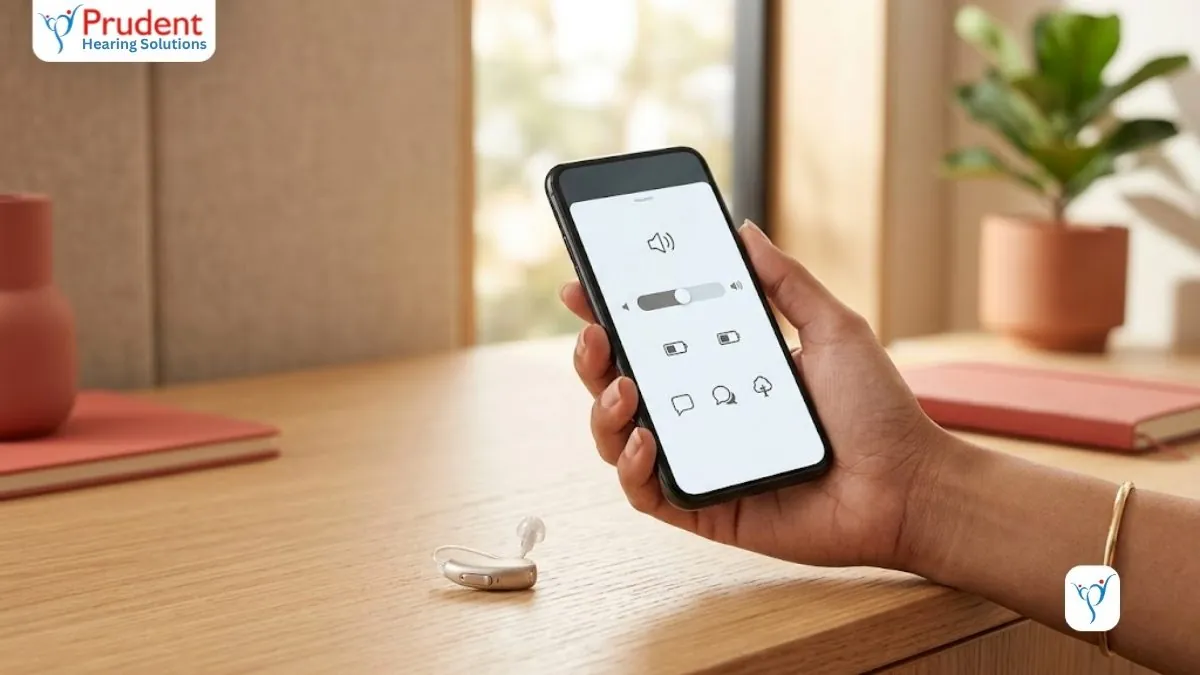
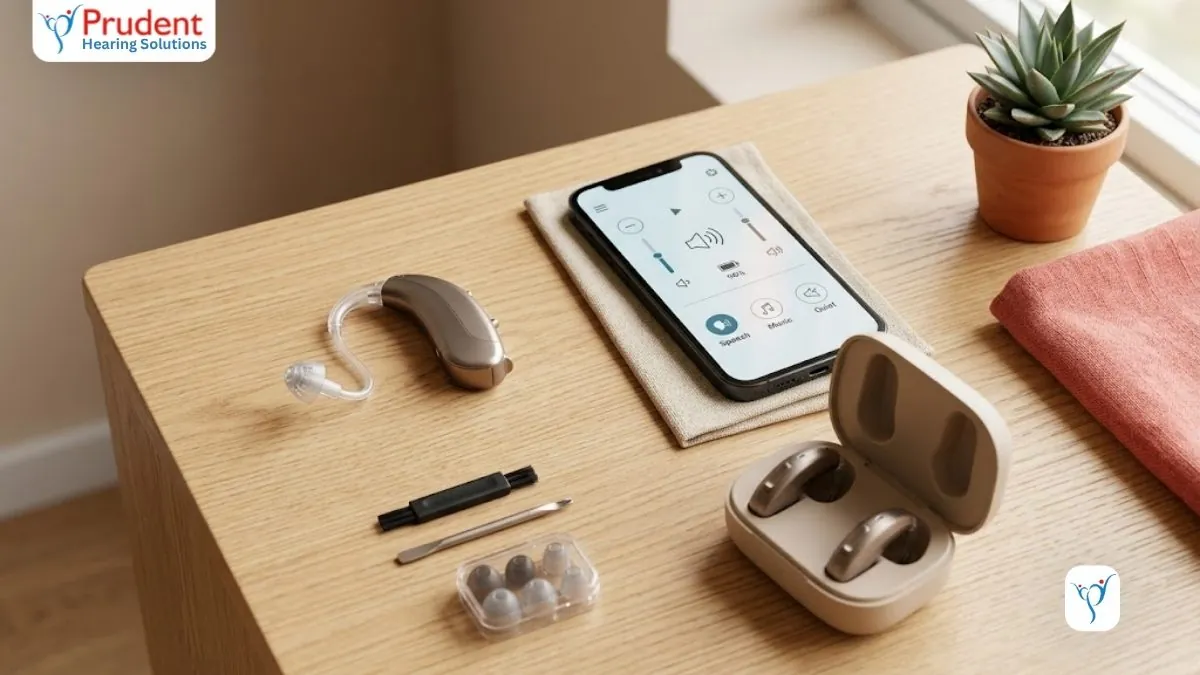
AI often comes bundled with genuinely useful extras: step and activity tracking, fall detection that can alert a family member, tap controls, and smartphone apps that let you fine-tune sound in the moment. Our guide to Bluetooth hearing aids in India covers the connectivity side in more detail.
An honest note: what AI cannot do
AI is a real advance, but it is not magic, and the marketing can oversell it. Keep three things in mind:
- AI does not cure or reverse hearing loss. A hearing aid, however smart, manages the loss, it does not restore normal hearing. If you understand how hearing aids work, this makes sense.
- A good fitting matters more than the label 'AI'. A premium AI device fitted poorly to the wrong audiogram will perform worse than a mid-range device fitted well by a skilled audiologist. The person programming it matters as much as the chip.
- The benefit varies by person. How much AI helps depends on your degree and type of loss and your listening life. For a quiet home, the difference may be modest; in constant noise, it can be substantial.
Is it worth paying more for AI?
For people who spend a lot of time in noisy, changing environments, work meetings, busy family gatherings, restaurants, the improvement in speech-in-noise and the reduced listening effort often justify the higher cost. For someone whose main need is the television and one-to-one chat at home, a well-fitted mid-range device may serve just as well.
Our hearing aid features explained guide helps you decide which features you will actually use, and which you are just paying for. We fit AI-capable models from Signia, Phonak, Oticon, ReSound, Widex and more, and the honest answer to which suits you comes from your hearing test and a trial, not a spec sheet.
"The best AI in the world cannot compensate for a bad fitting. The smartest thing you can do is start with a proper hearing test and an audiologist you trust."
Continue reading
Frequently asked questions
What does AI actually do in a hearing aid?
It usually means a deep neural network trained on millions of sound scenes, running on the device's own chip, that separates speech from noise and adjusts the settings automatically as your surroundings change, all in real time and without sending your audio anywhere.
Do AI hearing aids work better in noise?
Generally yes. Cutting through background noise is the hardest problem in hearing care, and deep-neural-network processing does it more naturally than older systems, which is where wearers notice the biggest improvement.
Which brands make AI hearing aids?
Most major brands now use AI or deep-neural-network processing in their premium ranges, including Signia, Phonak, Oticon, ReSound and Widex. We fit AI-capable models from all of them.
Does an AI hearing aid adjust itself automatically?
Yes. It continuously classifies your environment, such as a quiet room, a car or a crowded hall, and changes its settings on the fly, so you rarely need to touch a button when you move between places.
Are AI hearing aids worth the extra cost?
If you spend a lot of time in noisy, changing places, the clearer speech and reduced listening effort often justify the cost. For mainly quiet, one-to-one listening at home, a well-fitted mid-range device may serve you just as well.
Can AI hearing aids fix my hearing completely?
No. AI improves how well a hearing aid manages your loss, but no hearing aid cures or reverses hearing loss or restores completely normal hearing. A good fitting matters more than the AI label.
Free consultation
Ready to hear the difference?
Book a free 45-minute hearing test at any Prudent Hearing clinic: no obligation, honest advice, expert audiologists.