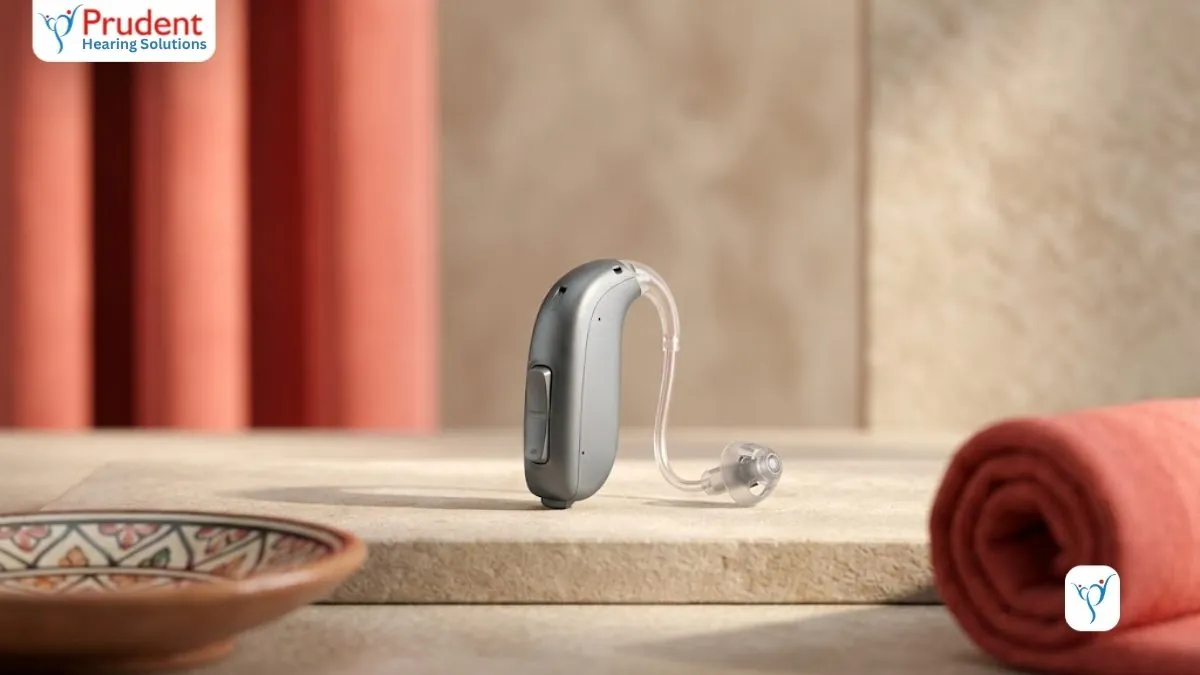
An honest India review of the Oticon Ruby: BrainHearing tech, rechargeable and battery styles, Bluetooth streaming, price bands, and how to trial it.
If you have started shopping for hearing aids in India, the Oticon Ruby is a name your audiologist may well put in front of you. It is Oticon's answer to a very common question: can you get genuinely modern, brain-friendly hearing technology without paying flagship prices?
This honest review walks through what the Ruby is, the thinking behind it, the styles it comes in, how it connects to your phone and TV, who it suits, and where it realistically sits on the India price ladder. For the rest of the range, see our Oticon hearing aids page.
What the Oticon Ruby actually is
Oticon is a Danish manufacturer and part of the Demant group, one of the oldest and most respected names in hearing care. Within Oticon's own range, the Ruby is positioned as an "essential" or value-tier hearing aid. That word essential matters: it does not mean basic or stripped down.
The Ruby is built on Oticon's Velox S platform, the very same chip platform that powers the premium Oticon Opn S. It simply carries fewer of the advanced features. This is the clever part of its design, it inherits premium-derived engineering and delivers it at a more affordable price, which is exactly why it has stayed popular with first-time buyers and value-conscious families.
In plain terms, you are getting a slice of Oticon's top-end thinking in a device meant for everyday budgets. That trade-off, fewer features but the same underlying platform, is what makes the Ruby worth understanding before you compare it with other brands.
The technology, in plain English
Oticon likes to talk about its technology in terms of the brain rather than the ear, and once you understand why, the Ruby's features start to make sense. Here is what the marketing terms really mean for you day to day.
BrainHearing
Most hearing aids try to help by picking one voice and shutting everything else down. Oticon's BrainHearing approach does something different. It aims to give your brain access to the full sound scene around you, not just a single talker, so your brain can do what it naturally does best, decide what to listen to.
The idea is that hearing is really a brain activity, and a hearing aid should support that process rather than override it. For many wearers this feels more natural and less tiring over a long day.
OpenSound Navigator
Noise in the real world does not arrive politely from one direction. In a wedding hall, a busy clinic waiting room or an Indian street, sound comes from everywhere at once. OpenSound Navigator scans the environment many times a second and manages that surrounding noise from all directions, so speech stays clearer while the background is kept in check, and it does this without locking you into a narrow tunnel of sound.
OpenSound Optimizer
Whistling and feedback, that embarrassing squeal when someone hugs you or you adjust a scarf, is one of the most common complaints with older hearing aids. OpenSound Optimizer is built to prevent that feedback before it happens rather than react after the fact. In everyday use it means you can wear more comfortable, open fittings and turn up useful volume with less risk of squeal.
Built-in tinnitus support
If ringing in the ears is part of your daily life, the Ruby includes Tinnitus SoundSupport, which plays gentle relief sounds through the hearing aid to help take the edge off. It is not a cure, but many people find these sounds a useful part of a wider plan. If tinnitus is your main concern, it is worth reading our guide to tinnitus treatment options that work and discussing it with your audiologist.
Styles: which Oticon Ruby suits you?
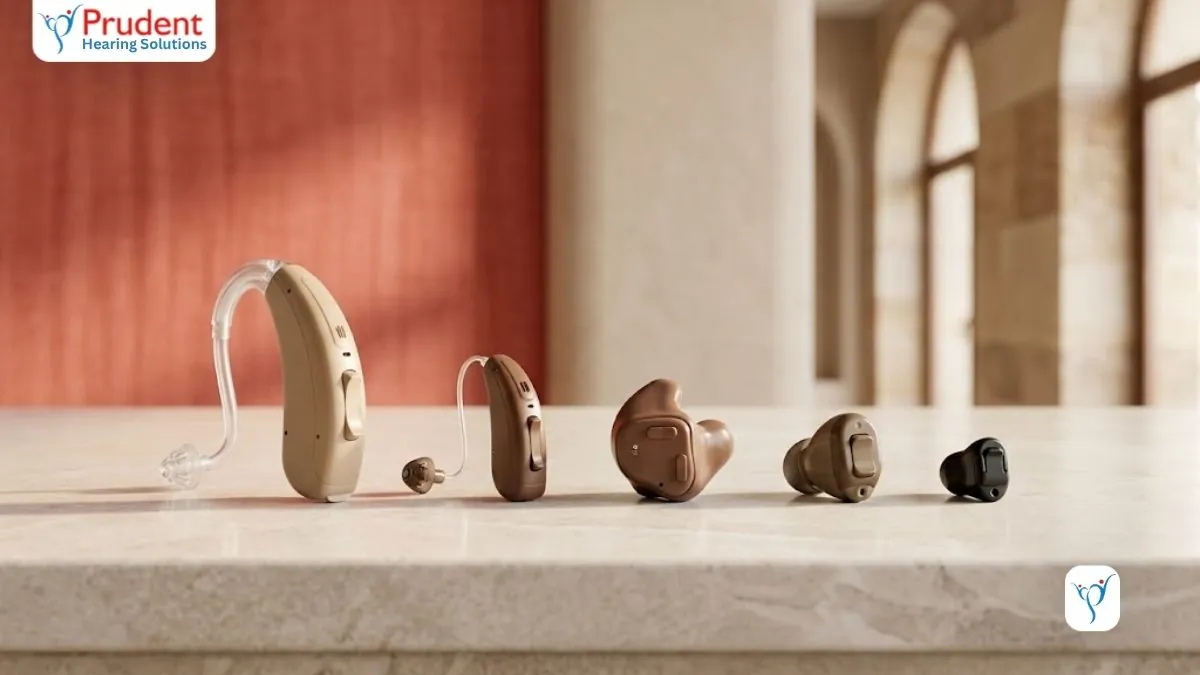
One of the Ruby's strengths is choice. It has been offered in a few styles so it can match different levels of hearing loss and different lifestyles.
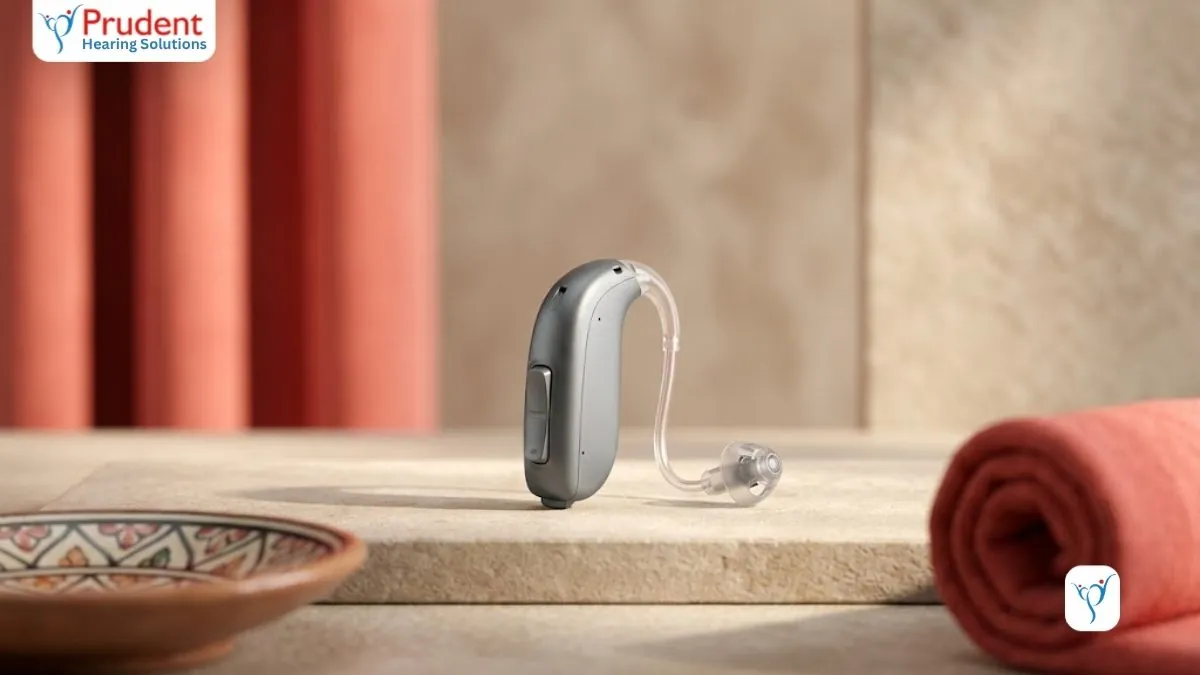
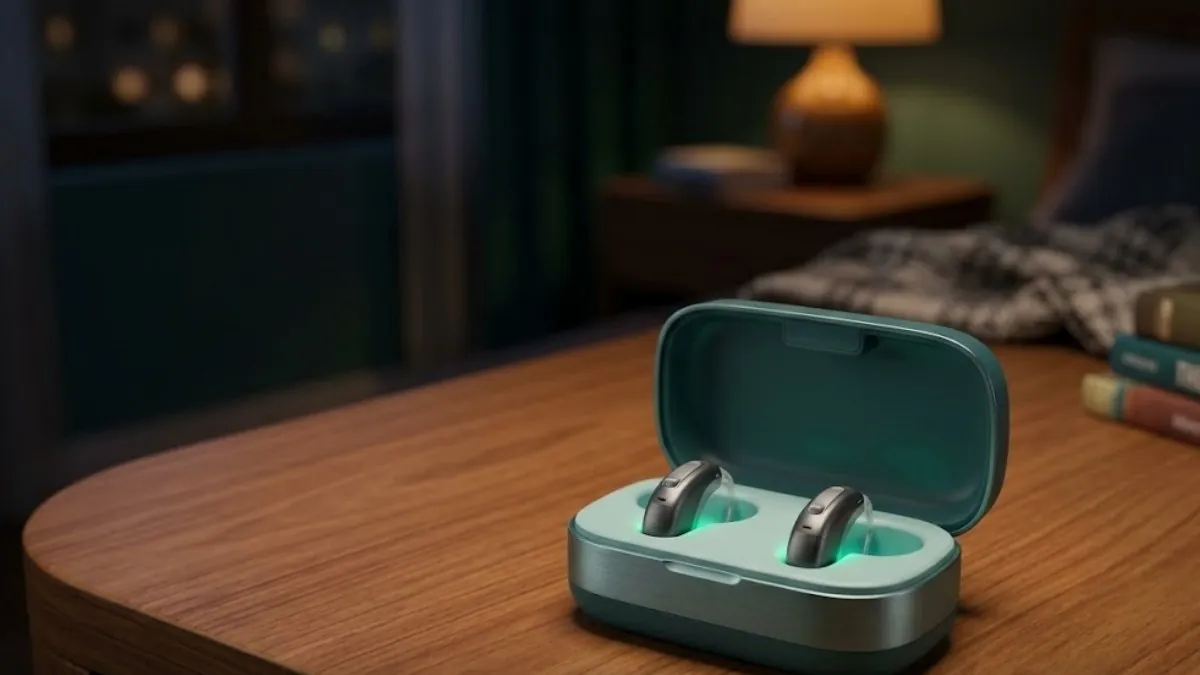
- miniRITE R: a lithium-ion rechargeable receiver-in-canal model. You drop it on the charger overnight and get roughly a full day of hearing on a charge, with no fiddly disposable batteries. This is the go-to for anyone who wants convenience.
- miniRITE T: a receiver-in-canal model that runs on size-312 disposable batteries and adds a telecoil, useful in looped venues like some auditoriums and counters, and handy if you prefer swapping a battery to charging.
- BTE (behind-the-ear) power option: a sturdier behind-the-ear build for people with stronger hearing loss who need more power than a slim in-canal receiver can provide.
Because the Ruby can be paired with different receivers and styles, it can be fitted for anything from a mild loss up to a more severe loss when the right power option and receiver are chosen. Your audiologist decides the correct combination from your audiogram, which is why an in-person test matters so much.
If you are torn between charging and disposable cells, our comparison of rechargeable vs battery hearing aids lays out the pros and cons honestly so you can pick the style that fits your routine rather than the one that sounds fancier.
Connectivity: phone, TV and the ON app
The Ruby uses 2.4 GHz direct Bluetooth, so it can stream sound straight into your ears without a bulky neck-worn relay on the newest phones. Here is how that plays out in practice.
- iPhone (Made for iPhone): recent iPhones can send calls and music directly to the Ruby, so your hearing aids double as wireless earphones for phone calls, videos and songs.
- Android and other phones: because direct streaming is designed around Apple, Android users pair through the small ConnectClip accessory, which clips to your clothing and passes audio and calls through.
- TV streaming: the optional Oticon TV Adapter sends your television's sound straight to the hearing aids at a volume that suits you, without blasting the whole room.
- Oticon ON app: a free app that lets you change programs, adjust volume and even find a misplaced hearing aid from your phone.
This mix covers the streaming most people actually want, clear phone calls, music and TV. Just keep in mind that the smoothest, accessory-free streaming is on Apple; on Android you will likely want the ConnectClip. If phone streaming is a priority, our guide to Bluetooth hearing aids explains what to expect across brands and where the catches usually are.
Ruby 1 vs Ruby 2: the two performance levels
The Ruby comes in two performance levels, sensibly named Ruby 1 and Ruby 2. Ruby 2 is the higher of the two and generally handles more listening situations and more challenging noise a little more comfortably, while Ruby 1 covers the essentials at a lower price.
If most of your day is quiet-to-moderate, one-on-one and small-group conversation, the lower level can be plenty. If you are often in noisy restaurants, functions or meetings, the higher level usually earns its keep. This is a good thing to compare during a trial rather than guess at from a brochure.
Who is the Oticon Ruby best for?
- First-time buyers who want a trusted global brand without stretching to a flagship price.
- People with mild to moderate loss, and, with the power BTE and the right receiver, more severe loss, who want natural, brain-friendly sound.
- iPhone users who want direct call and music streaming built in.
- Anyone who values rechargeability and a simple overnight charge (the miniRITE R).
- People with tinnitus who want built-in relief sounds as part of their plan.
It is a genuinely sensible middle path. Do remember, though, that a hearing aid manages hearing loss, it does not cure the underlying sensorineural loss. The Ruby helps your brain make the most of the hearing you have; it does not restore it. Setting that expectation early makes for a much happier long-term experience.
Oticon Ruby price in India
Honest answer first: there is no single fixed rupee figure we can quote, and you should be cautious of any page that gives you one. Real-world pricing depends on the exact style, the performance level (Ruby 1 or Ruby 2), the receiver, current stock and the clinic.
As a rough guide to the wider market, entry-level hearing aids in India sit around Rs 11,000 to Rs 30,000 per aid, mid-range devices around Rs 35,000 to Rs 80,000, and premium flagships Rs 1,20,000 and above. As an essential-tier device the Ruby usually lands in the value-to-mid part of that ladder rather than at flagship prices. Remember these figures are per ear; if both ears need help, budget accordingly.
It is also worth knowing that the Ruby is an established, essential model rather than Oticon's newest flagship, newer lines like Oticon Real and Intent now sit above it.
That is not a bad thing, established models are proven and often better value, but it does mean the exact styles in stock and the current price can vary, so always confirm the current option and price with your clinic. For the bigger picture, see our overview of hearing aid prices in India and how the Ruby stacks up in our guide to hearing aid brands in India.
"Our honest take: the Oticon Ruby is not the cheapest aid on the shelf, and it is not the flashiest. It is a well-engineered, brain-friendly device from a serious brand, and for the right person it is very good value, provided you trial it before you buy."
How to trial and buy the Oticon Ruby
The single most important step is a proper hearing test and an in-clinic trial, because the Ruby only performs as well as its fitting. At Prudent Hearing Solutions we are RCI-registered, and we fit, trial and service Oticon, including the Ruby.
We offer a free 45-minute hearing test where we check your hearing, explain your audiogram in plain language and, if a hearing aid makes sense, let you actually hear the difference before you commit. If cost is a worry, we also offer 0% EMI so you can spread the payment.
You can visit us in Pune (Viman Nagar), Delhi (Rohini and Green Park) or Bengaluru (Jayanagar), the only three cities where we currently have clinics. To book your free 45-minute test or a no-pressure Oticon Ruby trial, call us on +91 9429690093. Come in, listen for yourself, and decide with clear information rather than marketing promises.
Continue reading
Frequently asked questions
Is the Oticon Ruby a good hearing aid?
For its price bracket, yes. The Ruby is an essential-tier device built on Oticon's Velox S platform, the same platform as the premium Opn S, so it delivers genuinely modern, brain-friendly sound at a more affordable price. It suits mild to moderate loss well, and more severe loss with the power BTE and the right receiver. Like any hearing aid it manages rather than cures hearing loss, and it performs best when it is properly fitted, so trial it before you buy.
Is the Oticon Ruby rechargeable?
Yes, in the miniRITE R style. That model uses a built-in lithium-ion battery that gives roughly a full day of hearing on an overnight charge, so there are no tiny disposable batteries to change. If you prefer disposable batteries, the miniRITE T runs on size-312 cells and also adds a telecoil. Your audiologist can help you pick the style that fits your routine.
Does the Oticon Ruby have Bluetooth?
Yes. The Ruby has 2.4 GHz direct Bluetooth. On recent iPhones (Made for iPhone) it streams calls and music straight to your ears. For Android and other phones, you stream through the small ConnectClip accessory. You can also stream TV audio with the Oticon TV Adapter and control programs and volume from the free Oticon ON app.
How much does the Oticon Ruby cost in India?
There is no single fixed price, so treat any exact figure with caution. Pricing depends on the style, performance level (Ruby 1 or Ruby 2), receiver and current stock. As a market guide, entry aids run about Rs 11,000 to 30,000, mid-range about Rs 35,000 to 80,000 and premium Rs 1,20,000 and above, per ear. As an essential-tier model the Ruby usually sits in the value-to-mid part of that range. Always confirm the current option and price with the clinic, and remember 0% EMI can make it easier to manage.
Who is the Oticon Ruby best for?
It suits first-time buyers who want a trusted brand without flagship pricing, people with mild to moderate loss (and more severe loss with the power BTE), iPhone users who want built-in streaming, anyone who likes overnight rechargeability, and people who want built-in tinnitus relief sounds. If you are often in very noisy places, consider the higher Ruby 2 level or a more advanced range, which your audiologist can compare during a trial.
Free consultation
Ready to hear the difference?
Book a free 45-minute hearing test at any Prudent Hearing clinic: no obligation, honest advice, expert audiologists.