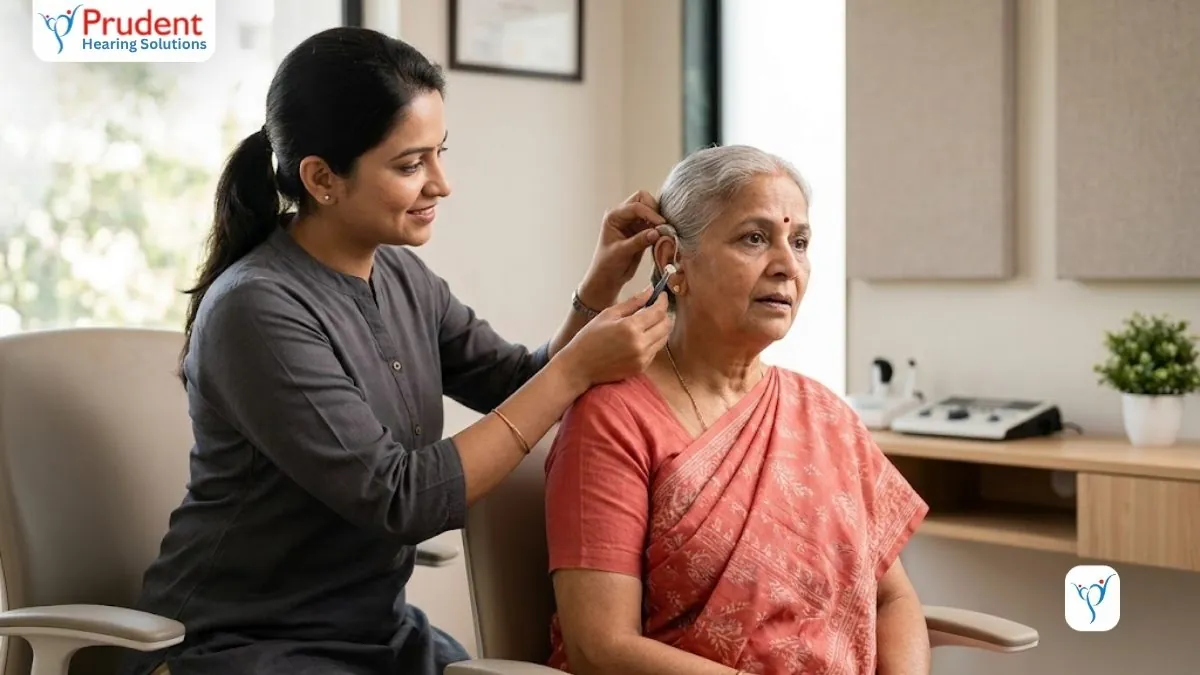
A step-by-step guide to your Signia hearing aid fitting in India, the honest 2-4 week adjustment timeline, and the smart questions to ask your audiologist.
Getting fitted for a Signia hearing aid is a short, calm appointment, but if it is your first one it can feel like stepping into the unknown. Will it hurt? Will the world suddenly turn loud? How long before it all feels normal again?
This guide walks you through a real Signia fitting from start to finish, sets honest expectations for the two-to-four-week adjustment period, and gives you a ready checklist of smart questions to ask your audiologist so you leave the clinic with a device that truly suits your ears and your daily life.
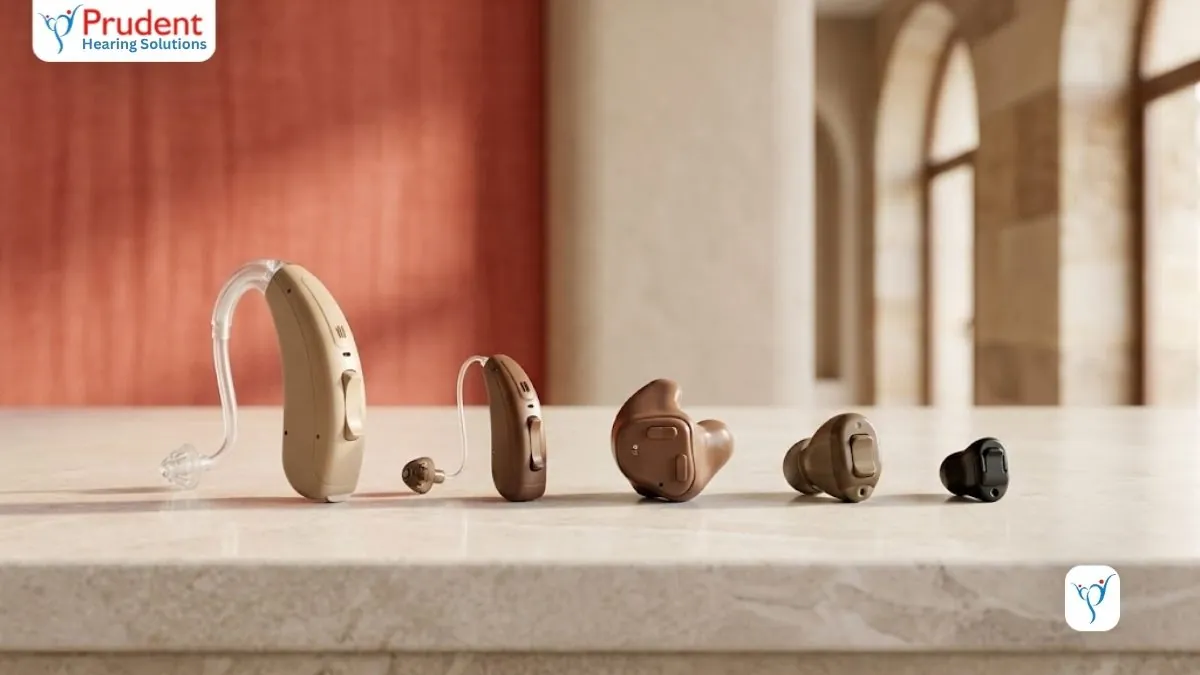
Signia is a German brand under WS Audiology and the modern successor to Siemens hearing aids, so there are decades of engineering behind that tiny device. Whether you are being fitted with a rechargeable Pure Charge&Go, a slim Styletto, a near-invisible Silk, or a custom Insio, the fitting follows the same reassuring shape. (If you searched for it as Insignia, that is simply a common misspelling of Signia.) It helps to browse Signia's range of hearing aids in India to see where your model sits before you go in.
First things first: the hearing test comes before the fitting
A fitting is not the first appointment, it is the second act. Before any Signia device is programmed, your audiologist runs a proper hearing test and plots the results on an audiogram, a simple graph that shows the softest sounds you can hear at each pitch. That map is what your hearing aid is programmed to.
If you are still at the testing stage, it helps to understand reading your audiogram first, because the shape of your loss decides which Signia model and settings make sense. At Prudent Hearing Solutions the hearing test is free and takes about 45 minutes, and many people go on to a trial, often in the clinic, before they commit to buying.
What should I expect at my Signia hearing aid fitting?
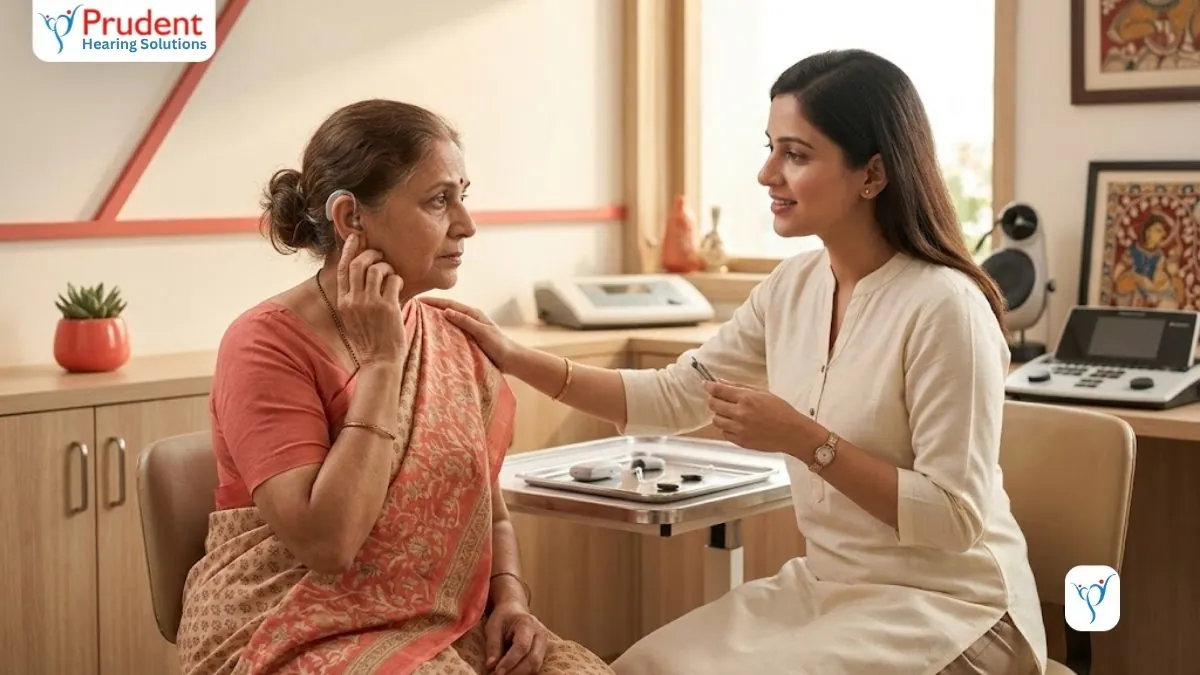
The fitting itself usually runs 45 minutes to an hour. Nothing about it is painful or invasive. Your audiologist connects the hearing aids to a laptop running Signia's fitting software, loads your audiogram, and shapes the sound to your ears while you sit and listen. Here is what actually happens, step by step.
Step 1 - Checking the physical fit
Your audiologist first makes sure the device sits comfortably and securely. For a receiver-in-canal model like Pure Charge&Go, that means choosing the right dome or a custom ear-mould and setting the wire length. For a Silk or custom Insio, they confirm the shell or sleeve seats snugly without pinching. A hearing aid that hurts or keeps slipping will never be worn, so speak up immediately if anything feels wrong.
Step 2 - Programming to your audiogram
Next the audiologist loads your hearing test into the software and sets the amplification for each pitch. Signia devices are then fine-tuned so that soft sounds become audible, everyday speech sits at a comfortable level, and loud sounds never become uncomfortable. This is where the device stops being generic hardware and becomes yours.
Step 3 - Real-ear verification and first-listen tuning
Many good clinics measure the actual sound level inside your ear canal, or at least have you listen and describe what you hear, then adjust. Do not expect perfection on day one. The goal at the fitting is a setting that is clear and comfortable, not one that restores hearing to how it was at twenty. Tell your audiologist honestly if voices sound sharp, tinny, boomy or echoey, because those exact words guide the fine-tuning.
Step 4 - Own Voice Processing and speech in noise
A very common first reaction is that your own voice sounds strange, loud or hollow. Signia's Own Voice Processing, or OVP, is built to fix exactly this by recognising your voice and handling it separately, so it sounds natural while other sounds stay clear.
Your audiologist may ask you to talk, count or read aloud to calibrate it. They will also set up the noise and focus features - on newer platforms the Integrated Xperience and Augmented Focus technology - which help you follow speech in noisy places like a busy Indian street or a big family gathering.
Step 5 - Pairing the app and streaming
If your model supports it, your audiologist helps you pair the hearing aids with the Signia app on your phone and shows you the Signia Assistant, an on-board AI helper that can make quick adjustments. Most Signia models are Made-for-iPhone and stream smoothly on recent iPhones. Direct Android streaming uses the ASHA protocol and generally needs Android 10 or newer plus a supported phone and Signia model, so it varies - do bring your own phone and confirm streaming works before you leave the clinic.
Step 6 - Handling, care and your go-home plan
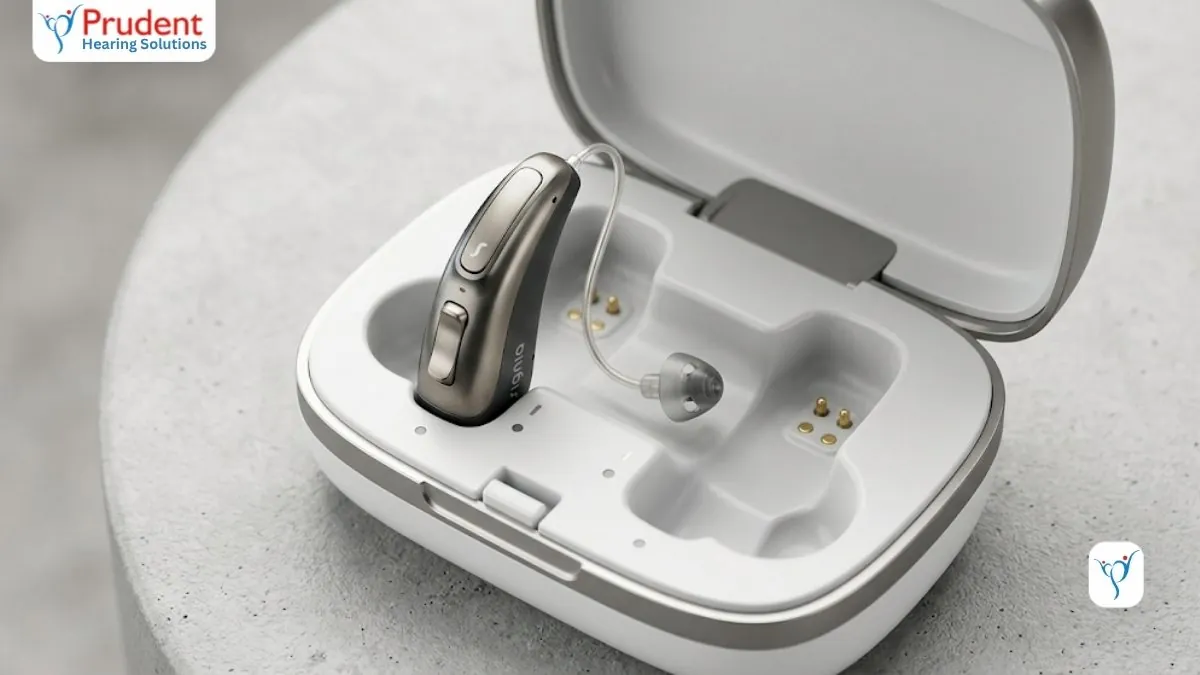
Finally you learn the practical bits: putting the devices in and taking them out, charging a rechargeable model overnight or changing size 312, 13 or 10 batteries on a disposable model, and cleaning them. Modern Signia devices typically carry an IP68 rating, so they resist dust and sweat, but they are not for swimming or submersion. You will leave with a follow-up appointment booked, because fine-tuning after a week or two of real-world use is normal and expected, not a sign of a problem.
How long does it take to adjust to Signia hearing aids?
For most people it takes about two to four weeks for the brain to fully acclimatise to hearing aids. This is not a fault in the device, it is your brain relearning sounds it has been missing for years. When hearing fades gradually, the brain quietly forgets the hum of a fan, the clink of utensils, the rustle of a newspaper. When Signia gives those sounds back all at once, they can feel oddly loud at first. That feeling settles as your brain readjusts.
A realistic week-by-week picture helps. In the first few days, your own voice and everyday background noises may feel prominent, and wearing the devices for a few hours at a time is perfectly fine. By the end of week one, most people are wearing them most of the day and the loudness has started to fade into the background.
By weeks two and three, speech feels clearer and the effort of listening drops. By week four, for many users the hearing aids simply feel like part of getting dressed. People with more severe or long-standing loss sometimes take a little longer, and that is completely normal.
How to make the adjustment easier
- Wear them daily. Consistency, not long single sessions, is what trains your brain, so build up steadily towards all your waking hours.
- Start in quiet, then add noise. Begin at home with one-to-one conversation and the TV before tackling markets, restaurants or functions.
- Read aloud for a few minutes a day. It helps your brain and OVP settle your own voice quickly.
- Keep a small notes list. Jot down exactly which situations sound off - the ceiling fan, the phone, a particular room - and take it to your follow-up.
- Use the app gently. Small volume or programme tweaks are fine, but resist changing everything at once.
- Be patient with restaurants. Noisy places are the last thing to click for almost everyone, so do not judge the device by week one in a crowd.
If after four to six weeks of consistent wear something still sounds wrong, that is a cue to return for fine-tuning, not a sign the device has failed. This is exactly what follow-up visits are for. If you want the bigger picture beyond Signia, our guide to what a general trial and fitting looks like covers the same steps across brands.
What should I ask my audiologist about Signia hearing aids?
A fitting is a two-way conversation, and the right questions help you get a device that fits your life, not just your audiogram. Take this checklist with you:
- Which Signia model and level suits my hearing loss, my budget and my lifestyle, and why this one over the others?
- Is this rechargeable or battery-powered, and what does a full day of real use look like for me?
- Will it stream directly to my exact phone? (Bring your phone and test it on the spot.)
- How does Own Voice Processing work for me, and can we adjust it if my voice still sounds off?
- What does the warranty cover, for how long, and what is included in clinic servicing?
- Is there a trial, and can I try the aid in the clinic before I decide?
- What is the total price per device after the hearing test, and are EMI or 0% finance options available?
- How often should I come in for cleaning and fine-tuning, and how do I reach you between visits?
- How do I clean and store the devices, and what should I do during the monsoon?
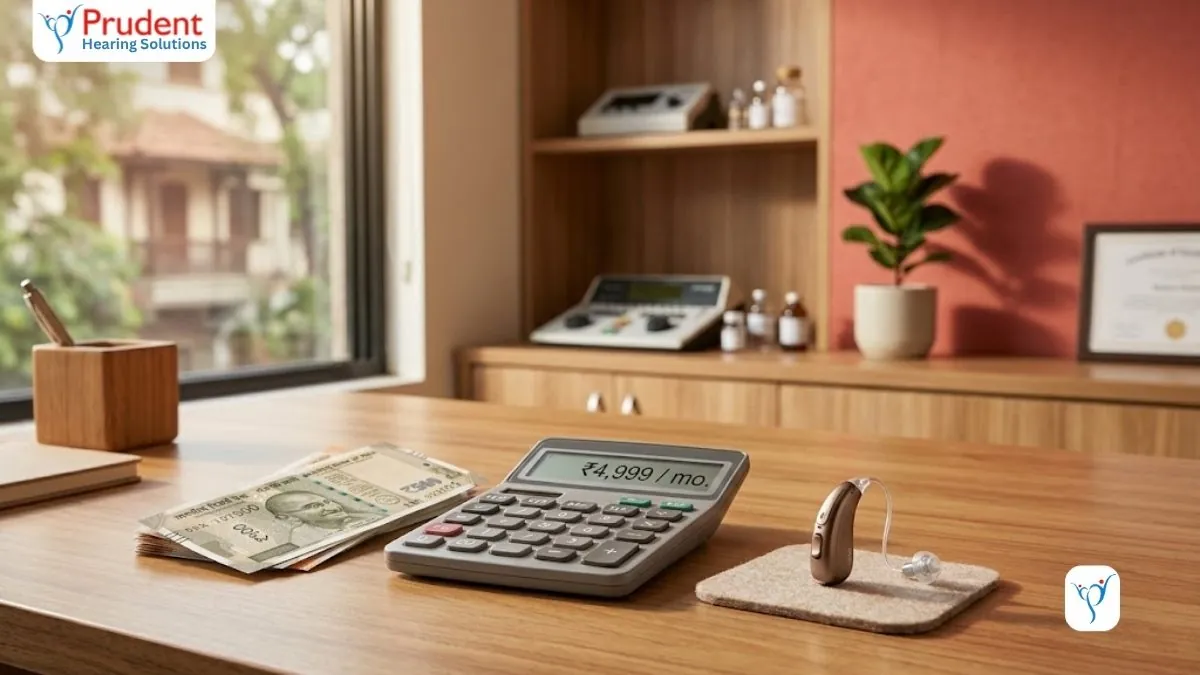
Do not be shy about money. Hearing aids in India range widely - roughly 11,000 to 30,000 rupees at entry level, 35,000 to 80,000 rupees in the mid range, and 1,20,000 to 2,50,000 rupees and above for premium devices - and the final figure only makes sense after a hearing test.
Health insurance in India rarely covers hearing aids, with occasional exceptions such as some employer or CGHS schemes, so ask honestly and plan for it. For everyday living with your new devices, these practical tips for new hearing aid users are worth a read before you head home.
Your first weeks: small habits that make it stick
- Charge every night, or carry spare batteries, so you are never caught short.
- Wipe the devices with a dry cloth daily and keep them away from water, hairspray and heat.
- Store them in their case or a dry box overnight, especially in humid and monsoon months.
- Keep your follow-up appointment even if things feel fine - a small tweak often makes a big difference.
A quick, honest note on expectations
Hearing aids manage hearing loss, they do not cure it. For age-related and noise-related sensorineural loss, which is the most common kind, Signia devices give you back access to sound and conversation, but they work with your ears rather than repairing them. The devices themselves typically last about four to six years, and the built-in rechargeable cell lasts several years before it needs servicing. Go in expecting clearer, easier listening and a short adjustment curve, and Signia usually delivers comfortably on that promise.
Book a free 45-minute hearing test in Pune, Delhi or Bengaluru
Prudent Hearing Solutions is an RCI-registered clinic founded in 2004, and we fit, trial and service Signia hearing aids at our offices in Pune (Viman Nagar), Delhi (Rohini and Green Park) and Bengaluru (Jayanagar). Your first step is a free 45-minute hearing test, with 0% EMI available if you decide to go ahead. Call us on +91 9429690093 to book, and bring your phone so we can check streaming during your fitting.
Continue reading
Frequently asked questions
What should I expect at my Signia hearing aid fitting?
Expect a comfortable 45-to-60 minute appointment that is neither painful nor invasive. Your audiologist checks the physical fit, connects the devices to fitting software, and programmes them to your audiogram so soft sounds become audible and loud ones stay comfortable. They will calibrate Own Voice Processing so your own voice sounds natural, set up the speech-in-noise features, help you pair the Signia app, and show you charging, cleaning and handling. You leave with a follow-up booked, because a little fine-tuning after real-world use is completely normal.
How long does it take to adjust to Signia hearing aids?
For most people it takes about two to four weeks for the brain to fully acclimatise. In the first few days your own voice and background sounds may feel loud, but by week one you are usually wearing them most of the day, and by week four they often feel like a normal part of your routine.
Wearing them daily, starting in quiet before noisy places, and reading aloud each day all speed things up. If something still sounds wrong after four to six weeks of consistent wear, go back for fine-tuning rather than giving up.
What should I ask my audiologist about Signia hearing aids?
Ask which Signia model suits your hearing loss, budget and lifestyle, whether it is rechargeable or battery-powered, and whether it will stream to your exact phone. Cover the warranty terms and clinic servicing, whether there is an in-clinic trial, and the total price per device plus any EMI or 0% finance. Also ask how Own Voice Processing can be adjusted, how often to come in for cleaning and fine-tuning, and how to care for the devices during the monsoon. Bring your phone so streaming can be tested on the spot.
How long does a Signia fitting appointment take?
Usually 45 minutes to an hour. Your audiologist connects the aids to Signia's fitting software, loads your audiogram and shapes the sound while you listen. Nothing about it is painful or invasive.
Why does my own voice sound strange with new Signia hearing aids?
It is one of the most common first reactions. Signia's Own Voice Processing (OVP) recognises your voice and handles it separately so it sounds more natural, and your audiologist may ask you to talk or read aloud to calibrate it. Most people settle within the usual two to four week adjustment period.
Free consultation
Ready to hear the difference?
Book a free 45-minute hearing test at any Prudent Hearing clinic: no obligation, honest advice, expert audiologists.